


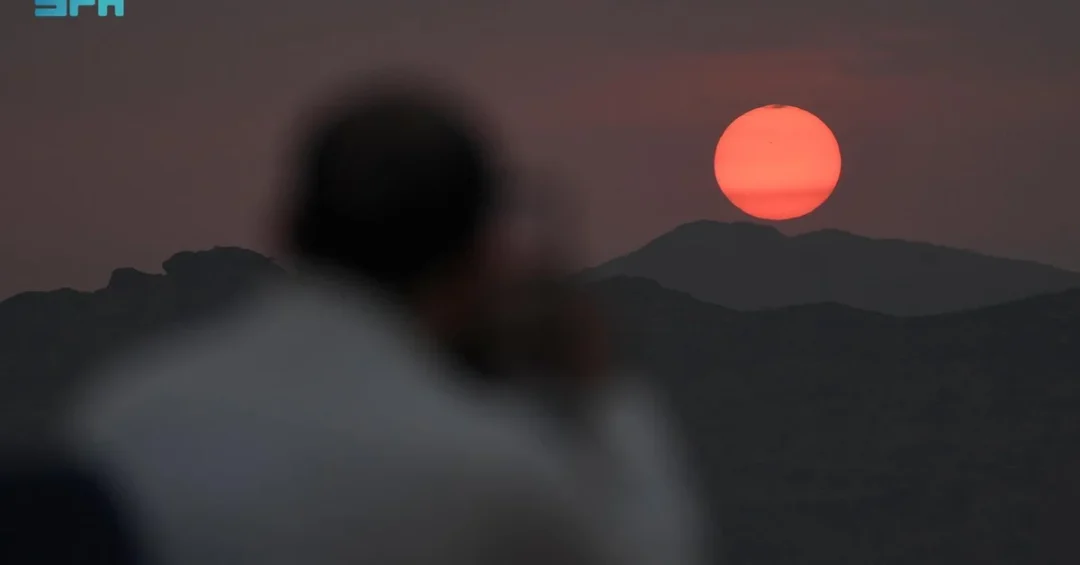
Abha, Saudi Arabia — Visitors are flocking to the high-altitude landscapes of Abha to witness spectacular sunsets that paint the sky in vibrant hues, the Saudi Press Agency (SPA) reported on September 2, 2024. The daily phenomenon, captured by SPA at locations such as Al-Sahab heights, Abu Khayal, Nahran Mountain, and Al-Dabab District, has become a major draw for tourists and residents alike, who gather to photograph the breathtaking views of clouds, fog, rain showers, and natural springs that define the region’s unique beauty. This growing popularity underscores Abha’s emergence as a premier destination for nature lovers and adventure seekers, aligning with Saudi Arabia’s efforts to diversify tourism under Vision 2030.
Context and Background
Abha, the capital of the Asir Province in southwestern Saudi Arabia, is renowned for its moderate climate, lush greenery, and stunning mountainous terrain. Situated at an elevation of over 2,200 meters, the city offers a refreshing escape from the desert heat, making it a favored summer retreat for Saudis and international visitors. The region’s unique geography, including the Sarawat Mountains, creates ideal conditions for dramatic weather patterns and picturesque sunsets that have captured the imagination of photographers and nature enthusiasts.
In recent years, the Saudi government has invested significantly in developing Abha and the wider Asir region as a tourism hub. The Asir Development Strategy, part of the broader Vision 2030 initiative, aims to boost infrastructure, hospitality, and recreational facilities while preserving the area’s natural and cultural heritage. The influx of visitors to Abha’s heights, as reported by SPA, reflects the success of these efforts and the growing appeal of Saudi Arabia’s diverse landscapes beyond its traditional desert image.
Key Details
According to SPA, the sunset views from Al-Sahab heights, Abu Khayal, Nahran Mountain, and Al-Dabab District are particularly captivating. These locations offer panoramic vantage points where visitors can observe the sun dipping below the horizon, casting a golden glow over the misty valleys and terraced fields. The interplay of light with clouds, fog, and occasional rain showers creates a dynamic and ever-changing spectacle, which photographers eagerly capture.
The SPA report highlights that the scene is not just about the sunset itself but also the surrounding natural elements: the cool mountain breeze, the scent of damp earth after rain, and the sound of flowing springs. These sensory experiences contribute to Abha’s reputation as a holistic retreat. Local authorities have facilitated access to these sites with improved roads, viewing platforms, and visitor amenities, ensuring a safe and enjoyable experience for all.
Implications and Impact
The surge in visitors to Abha’s heights has significant economic and social implications. It supports local businesses, from hotels and restaurants to artisanal shops selling traditional Asiri crafts. The increased footfall also promotes cultural exchange, as international tourists interact with local communities and learn about the region’s heritage, including its distinctive architecture and folk traditions.
Moreover, the popularity of Abha as a sunset destination enhances Saudi Arabia’s global image as a country of remarkable natural beauty and hospitality. It attracts travel influencers and media attention, further amplifying the Kingdom’s tourism marketing efforts. The Saudi Tourism Authority has been actively promoting Asir as a year-round destination, with events like the Abha Summer Festival drawing crowds. This aligns with the National Tourism Strategy, which aims to increase tourism’s contribution to GDP and create jobs for Saudi citizens.
Vision 2030 Alignment
The promotion of Abha’s natural attractions is a direct reflection of Vision 2030’s goal to diversify the economy away from oil and develop sustainable tourism. By showcasing destinations like Abha, Saudi Arabia demonstrates its commitment to preserving natural wonders while opening them to the world. The ongoing development of the Asir region, including projects like the Asir National Park and the planned cable car system, will further enhance visitor experiences and cement Abha’s status as amust-visit location. As more people discover the magic of Abha’s sunsets, they also witness the Kingdom’s broader transformation into a global tourism powerhouse, rooted in its rich natural and cultural heritage.
20 Questions
Q1. What is the main attraction in Abha according to the article?
A1. The main attraction is the stunning sunsets visible from various heights such as Al-Sahab, Abu Khayal, Nahran Mountain, and Al-Dabab District, which draw visitors who come to photograph the spectacular views.
Q2. Where is Abha located in Saudi Arabia?
A2. Abha is the capital of the Asir Province in southwestern Saudi Arabia, situated at an elevation of over 2,200 meters in the Sarawat Mountains, known for its moderate climate and lush greenery.
Q3. What natural features enhance Abha’s beauty?
A3. Abha’s beauty is enhanced by clouds, thick fog, rain showers, and natural springs, which create a dynamic and picturesque environment, especially during sunset.
Q4. When was the SPA report about Abha’s sunsets published?
A4. The Saudi Press Agency (SPA) report was published on September 2, 2024, highlighting the influx of visitors to Abha’s heights to witness the breathtaking sunsets.
Q5. Which specific locations did SPA capture the sunset from?
A5. SPA captured the sunset from Al-Sahab heights, Abu Khayal, Nahran Mountain, and Al-Dabab District, all renowned for their panoramic views and natural beauty.
Q6. Why has Abha become a popular tourist destination?
A6. Abha has become popular due to its moderate climate, stunning mountainous terrain, and unique weather patterns that offer a refreshing escape, along with ongoing government investments in tourism infrastructure.
Q7. How does the Asir Development Strategy relate to Abha?
A7. The Asir Development Strategy, part of Vision 2030, aims to boost infrastructure, hospitality, and recreational facilities in the region while preserving its natural and cultural heritage, enhancing Abha’s appeal.
Q8. What economic benefits does tourism in Abha bring?
A8. Tourism in Abha supports local businesses such as hotels, restaurants, and artisanal shops, creates jobs, and promotes cultural exchange, contributing to the diversification of Saudi Arabia’s economy.
Q9. How does Abha’s tourism align with Vision 2030?
A9. Abha’s tourism aligns with Vision 2030 by diversifying the economy away from oil, promoting sustainable tourism, and showcasing Saudi Arabia’s natural wonders to the world.
Q10. What role does the Saudi Tourism Authority play in promoting Abha?
A10. The Saudi Tourism Authority actively promotes Asir as a year-round destination through events like the Abha Summer Festival, marketing campaigns, and infrastructure development to attract international and domestic tourists.
Q11. What are some sensory experiences visitors can enjoy in Abha?
A11. Visitors can enjoy the cool mountain breeze, the scent of damp earth after rain, the sound of flowing springs, and the visual spectacle of sunsets, creating a holistic and immersive natural experience.
Q12. How have local authorities facilitated access to Abha’s viewpoints?
A12. Local authorities have improved roads, built viewing platforms, and provided visitor amenities to ensure safe and enjoyable access to the sunset viewpoints, enhancing the overall tourist experience.
Q13. What is the significance of Abha’s elevation for its climate?
A13. Abha’s high elevation of over 2,200 meters contributes to its moderate climate, making it cooler than other parts of Saudi Arabia and a popular summer retreat with lush greenery.
Q14. How does Abha’s popularity impact Saudi Arabia’s global image?
A14. Abha’s popularity enhances Saudi Arabia’s global image as a country of remarkable natural beauty and hospitality, attracting travel influencers and media attention that further promote the Kingdom’s tourism sector.
Q15. What future developments are planned for the Asir region?
A15. Future developments include the Asir National Park and a planned cable car system, which will further enhance visitor experiences and cement Abha’s status as a must-visit location.
Q16. What is the National Tourism Strategy’s goal regarding tourism’s contribution?
A16. The National Tourism Strategy aims to increase tourism’s contribution to Saudi Arabia’s GDP and create jobs for Saudi citizens, aligning with Vision 2030’s economic diversification objectives.
Q17. How do the sunsets in Abha differ from other places?
A17. Abha’s sunsets are unique due to the interplay of light with clouds, fog, and occasional rain showers over mountainous terrain, creating dynamic and ever-changing spectacles that captivate photographers and visitors.
Q18. What cultural aspects can visitors experience in Abha?
A18. Visitors can experience the region’s heritage, including distinctive Asiri architecture, folk traditions, and local crafts, offering a rich cultural dimension to their trip alongside the natural beauty.
Q19. Why is Abha considered a year-round destination?
A19. Abha is considered a year-round destination due to its moderate climate, diverse natural attractions, and ongoing events and festivals that provide activities and experiences for visitors in all seasons.
Q20. How does the influx of visitors to Abha reflect Vision 2030’s success?
A20. The influx of visitors reflects Vision 2030’s success in diversifying the economy and promoting tourism, as it demonstrates increased domestic and international interest in Saudi Arabia’s natural and cultural attractions.
Reader Feedback
We value your thoughts. Please share your feedback on this article.
Your feedback helps us improve our coverage.
Related articles
 Maysan’s Serene Streams: A Natural Oasis in Saudi Arabia
 Black Scorpion Cave: A Hidden Gem in the Northern Borders Region
 Buraidah Dates Carnival Blends Heritage, Entertainment
 Haroub Governorate: A Nature Wonderland in Saudi Arabia
 Saudi Tourism Minister Oversees ACP-Virgin Atlantic Agreement
 Abu Taqa Rock: Landmark on Road Leading to AlUla