


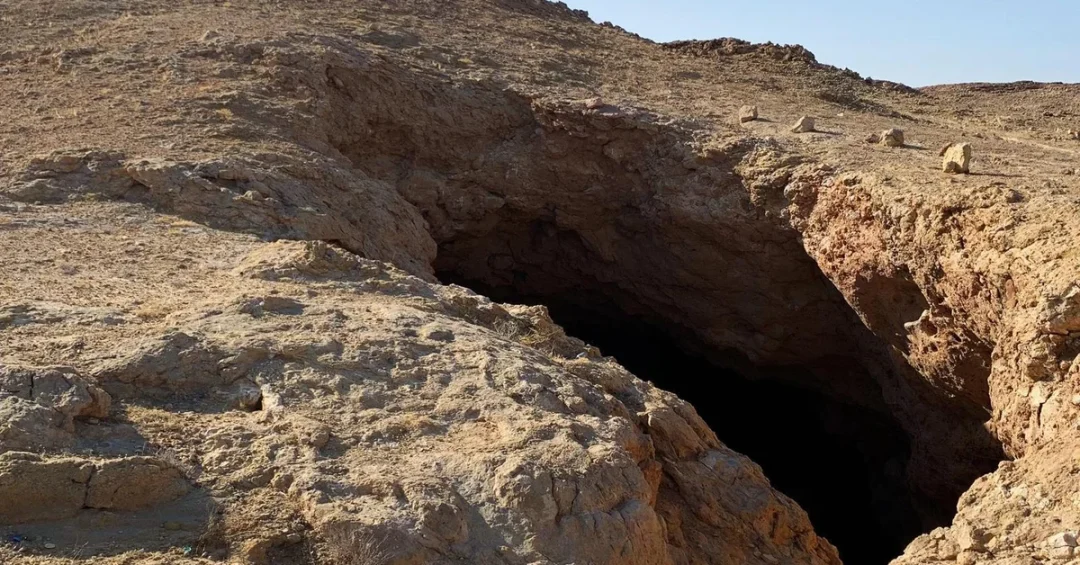
The Black Scorpion Cave, a geological marvel located 160 kilometers west of Rafha Governorate in the Northern Borders Region, stands as a testament to Saudi Arabia’s rich natural heritage. With a depth of up to 500 meters, the cave features intricate branching corridors that provide shelter for a variety of wildlife, including foxes, wolves, and hyenas, and was once home to cheetahs, as discovered by the National Center for Wildlife. The cave’s name is derived from a unique phenomenon: during a full moon on the 15th of each Hijri month, a horizontal beam of light reflects on the cave’s entrance, creating the illusion of a black scorpion.
Context and Background
The Black Scorpion Cave is situated in the Northern Borders Region, an area known for its rugged terrain and historical significance. The nearby village of Al-Habkah, renowned for its abundant water wells and varied landscape, is home to several other caves. Two years ago, the National Center for Wildlife made a groundbreaking discovery in the region: the mummified remains of 17 hunting cheetahs, a species extinct in the area for over 50 years. This significant find underscores the region’s ecological importance and highlights the need for ongoing conservation efforts.
Key Details
The cave’s depth of up to 500 meters and its complex network of corridors make it a challenging yet rewarding destination for adventure seekers. The unique lunar phenomenon that gives the cave its name occurs monthly, attracting visitors eager to witness the optical illusion. The presence of diverse wildlife, including foxes, wolves, and hyenas, adds to the cave’s ecological value. The National Center for Wildlife continues to study the cave and its inhabitants, contributing to Saudi Arabia’s broader environmental research initiatives.
Implications and Impact
The Black Scorpion Cave has the potential to become a significant tourist attraction, drawing adventure tourists and researchers from around the world. Its unique geological features and historical significance align with Saudi Arabia’s efforts to diversify its tourism offerings beyond traditional sites. The cave also presents opportunities for scientific research and wildlife conservation, further enhancing the Kingdom’s reputation as a leader in environmental stewardship.
Vision 2030 Alignment
This natural wonder supports Saudi Arabia’s Vision 2030 goals by promoting tourism, preserving cultural and natural heritage, and encouraging sustainable development. As the Kingdom continues to open up to international visitors, sites like the Black Scorpion Cave will play a vital role in showcasing Saudi Arabia’s diverse attractions and commitment to protecting its environment for future generations.
20 Questions
Q1. Where is the Black Scorpion Cave located?
A1. The Black Scorpion Cave is located 160 kilometers west of Rafha Governorate in the Northern Borders Region of Saudi Arabia.
Q2. What is the depth of the Black Scorpion Cave?
A2. The cave reaches a depth of up to 500 meters, featuring intricate branching corridors.
Q3. What wildlife can be found in the cave?
A3. The cave shelters foxes, wolves, and hyenas, and historically provided shelter for cheetahs.
Q4. Why is it called the Black Scorpion Cave?
A4. During a full moon on the 15th of each Hijri month, a horizontal beam of light reflects on the cave’s entrance, creating the illusion of a black scorpion.
Q5. What significant discovery was made by the National Center for Wildlife?
A5. The National Center for Wildlife discovered mummified remains of 17 hunting cheetahs, a species extinct in the area for over 50 years.
Q6. What is the nearby village known for?
A6. The nearby village of Al-Habkah is known for its abundant water wells and varied terrain, and it is home to several other caves.
Q7. When was the discovery of the cheetah remains made?
A7. The discovery was made two years ago by the National Center for Wildlife.
Q8. What makes the cave a popular destination?
A8. Its geological formations, diverse wildlife, and the unique lunar phenomenon attract adventure seekers, researchers, and nature enthusiasts.
Q9. How does the cave support Saudi Arabia’s Vision 2030?
A9. It promotes tourism, preserves natural heritage, and encourages sustainable development, aligning with Vision 2030 goals.
Q10. What type of terrain surrounds the cave?
A10. The Northern Borders Region features rugged terrain, and the nearby village of Al-Habkah has varied terrain with abundant water wells.
Q11. What is the significance of the cheetah discovery?
A11. It highlights the region’s rich ecological heritage and underscores the need for conservation efforts.
Q12. Are there other caves in the area?
A12. Yes, the nearby village of Al-Habkah is home to several other caves.
Q13. What optical illusion occurs in the cave?
A13. A beam of light creates the illusion of a black scorpion on the cave’s entrance during a full moon on the 15th of each Hijri month.
Q14. Who discovered the cheetah remains?
A14. The National Center for Wildlife made the discovery.
Q15. How deep is the cave compared to other caves?
A15. At 500 meters deep, it is a significant geological formation, though comparative depth to other caves is not specified.
Q16. What kind of research is conducted in the cave?
A16. Research on wildlife, geological formations, and ecological heritage is conducted by the National Center for Wildlife and other researchers.
Q17. Is the cave accessible to tourists?
A17. Yes, it is a popular destination for adventure seekers, though visitors should be prepared for its challenging terrain.
Q18. What is the best time to witness the scorpion illusion?
A18. The illusion occurs during a full moon on the 15th of each Hijri month.
Q19. How does the cave contribute to Saudi Arabia’s tourism?
A19. It diversifies tourism offerings, attracting international visitors interested in natural wonders and adventure tourism.
Q20. What conservation efforts are in place for the cave?
A20. The National Center for Wildlife studies and protects the cave’s ecosystem, ensuring its preservation for future generations.
Reader Feedback
We value your thoughts. Please share your feedback on this article.
Your feedback helps us improve our coverage.
Related articles
 Buraidah Dates Carnival Blends Heritage, Entertainment
 Haroub Governorate: A Nature Wonderland in Saudi Arabia
 Saudi Tourism Minister Oversees ACP-Virgin Atlantic Agreement
 Abu Taqa Rock: Landmark on Road Leading to AlUla
 Saudi Red Sea Authority Launches ‘More Than a Sea’ Campaign
 Riyadh to Host First Sirha Arabia in October