


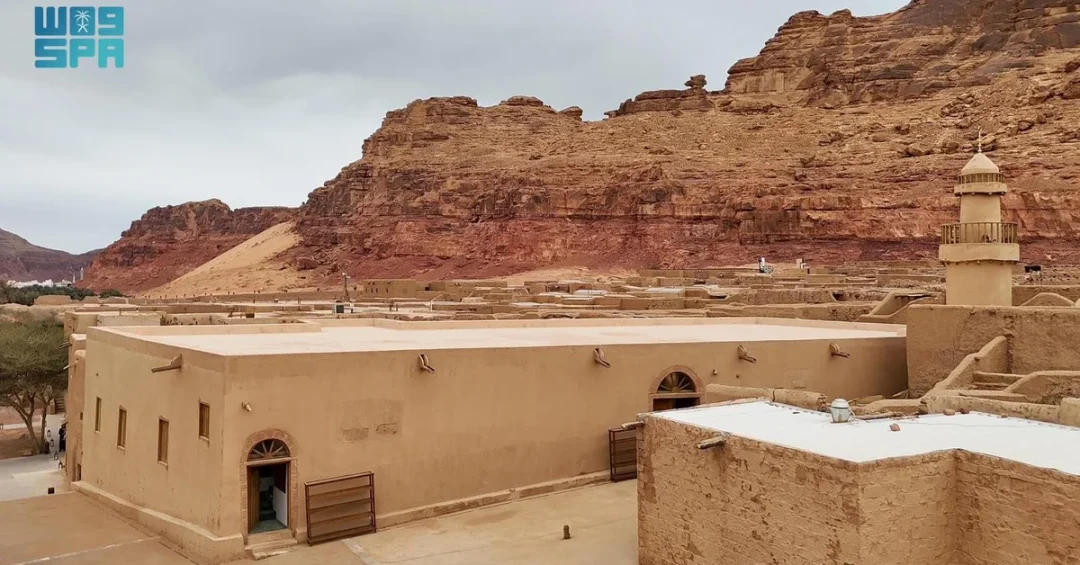
The second phase of the Prince Mohammed bin Salman Project for the Development of Historic Mosques has expanded to include the restoration of Alitham Mosque in AlUla Governorate, Madinah Region, according to an official announcement from the Saudi Press Agency (SPA). The mosque, which dates back to the era of Prophet Muhammad (PBUH), is being restored in the traditional Madinah architectural style to preserve its history and Islamic heritage. This initiative underscores Saudi Arabia’s commitment to safeguarding its cultural and religious legacy while advancing the objectives of Vision 2030.
Context and Background
The Prince Mohammed bin Salman Project for the Development of Historic Mosques is a flagship initiative aimed at revitalizing historical mosques across the Kingdom. The project focuses on restoring architectural authenticity, enhancing religious and cultural significance, and highlighting Saudi Arabia’s rich heritage. Alitham Mosque, also known as Bones Mosque, holds a unique place in Islamic history. Its name originates from an event in the ninth year of the Hijra when the Prophet (PBUH) used a bone to determine the qibla (direction of prayer) on his way to the Battle of Tabuk. This historical connection makes its restoration particularly significant for Muslims worldwide.
Key Details
The restoration of Alitham Mosque will be carried out using natural materials such as clay, stones, and wood from local trees, ensuring harmony with the surrounding environment. The mosque covers an area of 773.34 square meters and can accommodate 580 worshippers. The project will conserve the original stone construction and clay-plastered interior walls, which have demonstrated resilience to climatic conditions over the centuries. Saudi companies specializing in heritage restoration are executing the development efforts, striking a balance between traditional and modern construction standards. This approach ensures the sustainability of mosque components while preserving its historical characteristics.
Implications and Impact
The restoration of Alitham Mosque is part of a broader effort to preserve Islamic heritage and promote religious tourism in Saudi Arabia. By revitalizing historical mosques, the project enhances their role as centers of worship and community gathering. It also contributes to the Kingdom’s cultural and economic development by attracting visitors interested in exploring Islamic history. The project aligns with Saudi Arabia’s Vision 2030, which aims to diversify the economy and promote cultural heritage as a key pillar of national identity. The restoration of Alitham Mosque is a testament to Saudi Arabia’s dedication to preserving its rich history for future generations.
Vision 2030 Alignment
The Prince Mohammed bin Salman Project for the Development of Historic Mosques directly supports Vision 2030 by integrating architectural heritage into modern mosque designs and promoting cultural tourism. This initiative reflects the Kingdom’s commitment to maintaining its Islamic identity while embracing progress and modernization. As Saudi Arabia continues to open up to the world, projects like the restoration of Alitham Mosque play a vital role in showcasing the Kingdom’s cultural treasures and fostering a deeper understanding of its heritage. Through such efforts, Saudi Arabia reinforces its position as a leader in preserving Islamic history and promoting interfaith dialogue.
20 Questions
Q1. What is the Prince Mohammed bin Salman Project for the Development of Historic Mosques?
A1. It is a Saudi initiative to restore and revitalize historical mosques across the Kingdom, preserving architectural authenticity and enhancing their religious and cultural significance while aligning with Vision 2030.
Q2. Where is Alitham Mosque located?
A2. Alitham Mosque is located in AlUla Governorate, within the Madinah Region of Saudi Arabia.
Q3. Why is Alitham Mosque historically significant?
A3. It dates back to the era of Prophet Muhammad (PBUH) and is named after an event where the Prophet used a bone to determine the qibla on his way to the Battle of Tabuk.
Q4. What is the area of Alitham Mosque?
A4. The mosque covers an area of 773.34 square meters.
Q5. How many worshippers can Alitham Mosque accommodate?
A5. It can accommodate up to 580 worshippers.
Q6. What materials will be used in the restoration?
A6. Natural materials such as clay, stones, and wood from local trees will be used to ensure harmony with the environment.
Q7. Will the original construction of the mosque be preserved?
A7. Yes, the original stone construction and clay-plastered interior walls will be conserved to maintain historical authenticity.
Q8. Who is carrying out the restoration work?
A8. Saudi companies specializing in heritage restoration are executing the development efforts.
Q9. What are the strategic objectives of the project?
A9. The project aims to revitalize historical mosques for worship, restore architectural authenticity, enhance religious and cultural significance, and highlight Saudi cultural heritage.
Q10. How does the project align with Vision 2030?
A10. It aligns by preserving architectural heritage and incorporating it into modern mosque designs, supporting cultural tourism and national identity.
Q11. What is the name ‘Alitham’ derived from?
A11. The name originates from an event in the ninth year of Hijra when the Prophet used a bone (altham) to determine the qibla.
Q12. When did the Prophet (PBUH) use a bone to determine the qibla?
A12. It occurred in the ninth year of Hijra on his way to the Battle of Tabuk.
Q13. What architectural style will be used for the restoration?
A13. The mosque will be restored in the traditional Madinah architectural style.
Q14. What is the significance of using natural materials?
A14. Natural materials ensure environmental harmony and preserve the historical character of the mosque.
Q15. How does the project balance tradition and modernity?
A15. It ensures the sustainability of mosque components while preserving heritage and historical characteristics.
Q16. What are the expected outcomes of the restoration?
A16. The restoration will enhance the mosque’s role as a center of worship and community gathering, and promote cultural tourism.
Q17. How many historic mosques are included in the project?
A17. The project includes numerous historic mosques across the Kingdom, with Alitham Mosque being part of the second phase.
Q18. What role do Saudi companies play in the restoration?
A18. Saudi companies specializing in heritage restoration carry out the work, ensuring high-quality preservation.
Q19. How does the restoration benefit the local community?
A19. It provides a restored place of worship and boosts local tourism, contributing to economic and cultural development.
Q20. What does the restoration of Alitham Mosque symbolize?
A20. It symbolizes Saudi Arabia’s dedication to preserving Islamic heritage and promoting cultural understanding, in line with Vision 2030.
Reader Feedback
We value your thoughts. Please share your feedback on this article.
Your feedback helps us improve our coverage.
Related articles
 Al-Baha’s Ramadan Nights Festival Lights Up with Heritage and Commerce
 Madinah’s Ramadan Market: A Cultural and Commercial Hub
 Red Sea Labs Opens SeriesLab 2025 Submissions with Film Independent
 Annual Heritage Iftar Event Celebrates Qassim Traditions
 Konoz Initiative Wins Two Platinum Awards at MUSE Creative Awards
 Crown Prince Launches Saudi Architecture Map