


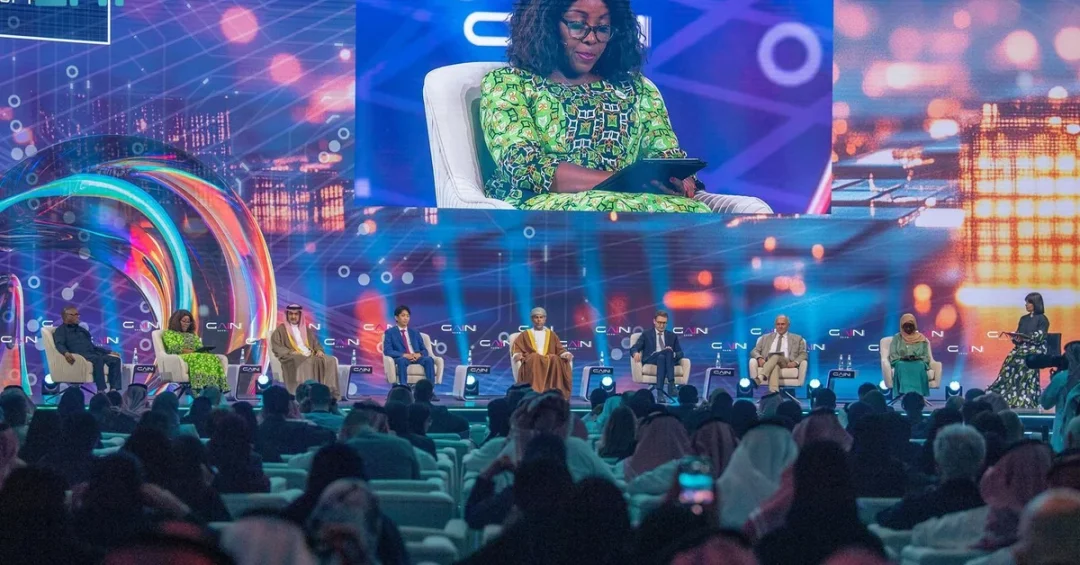
Riyadh, September 11, 2024 — The third Global Artificial Intelligence Summit (GAIN Summit), organized by the Saudi Data and AI Authority (SDAIA), commenced on Tuesday in Riyadh, bringing together ministers and officials from around the world to showcase international experiences in governing the use of artificial intelligence. The summit, a key event on the global AI calendar, focused on implementing regulations and controls to maximize the benefits of AI technologies while mitigating their risks.
Context and Background
The GAIN Summit, hosted by Saudi Arabia’s SDAIA, serves as a platform for international dialogue on AI governance. It aligns with the Kingdom’s Vision 2030 objective of becoming a global leader in technology and innovation. The event gathers policymakers, experts, and industry leaders to discuss how AI can support development programs, improve social life, and ensure ethical use in accordance with international norms.
This year’s summit featured ministers responsible for technology and communications from various countries, each sharing their nation’s approach to AI regulation and adoption.
Key Details
South African Minister of Science and Technology and Innovation Dr. Bonginkosi Nzimande praised SDAIA’s role in hosting the summit, noting it provides an ideal environment for international coordination. He emphasized that such cooperation helps developing countries compete with technologically advanced nations and contributes to the renaissance of countries and humanity.
Gabonese Republic Minister of Communication and Media Laurence Ndong highlighted Gabon’s collaboration with UNESCO to develop policies for governing AI, ensuring optimal use for infrastructure and national development. She stressed the need for international cooperation to address challenges and threats posed by AI to government institutions and societies.
Kingdom of Bahrain Information and eGovernment Authority Chief Executive Mohammed Ali Al-Qaed reviewed experiences of leading countries in AI, emphasizing value-based principles that preserve ethics and culture. He noted Bahrain is following a similar path with constantly evolving legislation.
Cambodia Ministry of Post and Telecommunications Secretary of State Makara Khov acknowledged AI’s inherent dangers, stating Cambodia has implemented regulations to mitigate risks while harnessing AI’s potential in government and society.
Sultanate of Oman Ministry of Communications and Information Technology Undersecretary Dr. Ali Al-Shidhani shared Oman’s successful use of technologies to develop human resources and improve education and health sectors.
German Federal Ministry of Digital and Transport State Secretary Stefan Schnorr called for collaborative efforts to neutralize AI risks at social and geopolitical levels while promoting innovation.
Republic of Serbia Ministry of Science, Technological Development, and Innovation State Secretary Dr. Miroslav Trajanovic cautioned about AI’s rapid advancements, urging flexible and dynamic laws that can be continually updated.
Republic of Senegal Director of Information and Communication Technology Aissatou Jeanne Ndiaye confirmed Senegal’s use of AI to support education and scientific research, while implementing measures to address potential risks.
Implications and Impact
The discussions at the GAIN Summit underscore the global consensus on the need for robust AI governance frameworks. By facilitating the exchange of best practices, the summit enables countries to learn from one another and develop policies that balance innovation with ethical considerations.
Saudi Arabia’s leadership in hosting this event reinforces its position as a bridge between developed and developing nations in the AI domain. The Kingdom’s efforts to promote international cooperation align with its Vision 2030 goals of economic diversification and technological advancement.
The summit’s outcomes are expected to influence AI policies worldwide, fostering an environment where AI serves humanity as a whole.
Vision 2030 Alignment
The GAIN Summit exemplifies Saudi Arabia’s commitment to Vision 2030, which seeks to transform the Kingdom into a global hub for technology and innovation. By hosting such a prestigious event, Saudi Arabia demonstrates its leadership in shaping the future of AI governance and its dedication to international collaboration. This aligns with Vision 2030’s objectives of empowering citizens, diversifying the economy, and enhancing the Kingdom’s global standing.
20 Questions
Q1. What is the GAIN Summit?
A1. The GAIN Summit is the Global Artificial Intelligence Summit, organized by the Saudi Data and AI Authority (SDAIA), held in Riyadh to discuss international AI governance and cooperation.
Q2. When did the third GAIN Summit take place?
A2. The third GAIN Summit began on Tuesday, September 11, 2024, in Riyadh, Saudi Arabia.
Q3. Who organized the GAIN Summit?
A3. The summit was organized by the Saudi Data and AI Authority (SDAIA), a government entity responsible for data and AI initiatives in Saudi Arabia.
Q4. What was the main focus of the summit?
A4. The main focus was on implementing regulations and controls to maximize AI benefits while mitigating risks, and sharing international experiences in AI governance.
Q5. Which countries participated in the summit?
A5. Participants included South Africa, Gabon, Bahrain, Cambodia, Oman, Germany, Serbia, Senegal, and Saudi Arabia, among others.
Q6. What did the South African Minister say?
A6. Dr. Bonginkosi Nzimande commended SDAIA’s role, stating the summit provides a platform for international coordination to help developing countries compete globally.
Q7. How is Gabon approaching AI governance?
A7. Gabon collaborates with UNESCO to develop AI policies for optimal use in infrastructure and national development, addressing challenges through international cooperation.
Q8. What was Bahrain’s message?
A8. Bahrain’s Mohammed Ali Al-Qaed highlighted value-based principles and evolving legislation to preserve ethics and culture while adopting AI technologies.
Q9. What measures has Cambodia taken?
A9. Cambodia has implemented regulations and procedures to govern AI use in government and society, mitigating risks while harnessing AI’s potential.
Q10. What did Oman share?
A10. Oman’s Dr. Ali Al-Shidhani shared successful experiences using technologies to develop human resources and improve education and health sectors.
Q11. What was Germany’s contribution?
A11. Germany’s Stefan Schnorr emphasized addressing AI risks at social and geopolitical levels through collaborative efforts between countries and organizations.
Q12. What did Serbia caution about?
A12. Serbia’s Dr. Miroslav Trajanovic cautioned about rapid AI advancements, urging flexible and dynamic laws that can be continually updated.
Q13. How is Senegal using AI?
A13. Senegal utilizes AI to support education and scientific research, while implementing measures to address potential risks and threats.
Q14. Why is international cooperation important for AI?
A14. International cooperation helps neutralize AI risks, ensures ethical use, and allows countries to benefit from shared experiences and best practices.
Q15. What role does SDAIA play?
A15. SDAIA organizes the GAIN Summit and leads Saudi Arabia’s data and AI initiatives, promoting innovation and governance in line with Vision 2030.
Q16. How does the summit align with Saudi Vision 2030?
A16. It supports Vision 2030 by positioning Saudi Arabia as a global tech hub, fostering international collaboration, and driving economic diversification through AI.
Q17. What are the key risks of AI discussed?
A17. Key risks include threats to government institutions, societies, and ethical norms, requiring regulations to ensure AI serves humanity positively.
Q18. What is the expected outcome of the summit?
A18. The summit aims to influence global AI policies, promote ethical governance, and enhance international cooperation for the benefit of all nations.
Q19. How can AI improve social life?
A19. AI can enhance social life by accelerating development programs, improving education and health sectors, and creating opportunities for better quality of life.
Q20. What is Saudi Arabia’s stance on AI ethics?
A20. Saudi Arabia advocates for AI use in accordance with international ethics and norms, emphasizing regulations to neutralize risks and maximize benefits for humanity.
Reader Feedback
We value your thoughts. Please share your feedback on this article.
Your feedback helps us improve our coverage.
Related articles
 stc Group and RDIA Launch AI Lab in Riyadh
 SDAIA and IBM Partner to Advance AI on Deem Cloud
 King Faisal University Hosts Innovative Food and Environmental Factory
 Three Global AI Summits Place Kingdom on List of World’s Top Data and AI-Based Economies
 Saudi CST Governor Meets Telebras Officials in Brazil
 Riyadh Adds Smart Systems to Flood Drainage Networks