


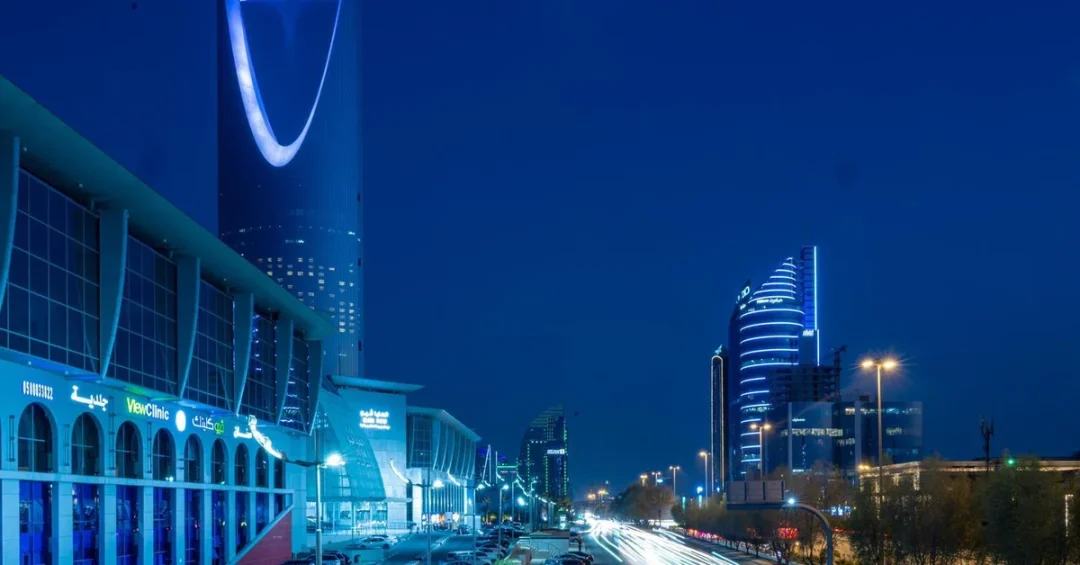
Riyadh has introduced a smart monitoring system to its flood drainage network, the Riyadh Region Municipality announced, marking a significant step in using artificial intelligence and real-time data to protect lives and infrastructure in the Saudi capital. The new model, unveiled on September 18, 2024, employs advanced sensors to assess water levels, monitor channel integrity, and provide early warnings, ensuring proactive maintenance and sustainable urban development.
Context and Background
As Riyadh continues to grow as a major global metropolis under Saudi Vision 2030, managing urban infrastructure efficiently has become a priority. The Riyadh Region Municipality has been leveraging technology to enhance public services, and the latest addition to its flood drainage network reflects this commitment. The system is designed to address the challenges posed by seasonal rains and flash floods, which can disrupt daily life and damage property. By integrating smart solutions, the municipality aims to create a resilient and responsive drainage infrastructure that aligns with the highest international standards.
Key Details
The smart model comprises a network of sensors that provide real-time data on water levels, flow rates, and channel conditions. These sensors can measure depth, water pressure, and quality, and some are equipped with cameras to capture instant images and videos. Notably, certain devices operate on solar power, promoting energy efficiency and sustainability. The data collected is transmitted to a central system where it is analyzed to identify potential issues and plan maintenance. The municipality noted that similar sensor technologies have proven effective in countries like Japan, France, and Australia, and that the devices are user-friendly and compatible with Android systems.
The system offers continuous monitoring and early prediction of water flow rates, enabling authorities to take preemptive action during heavy rains. This capability not only safeguards lives and property but also extends the lifespan of infrastructure by preventing damage through timely interventions. The municipality emphasized that the model supports a data-driven work system, in line with its strategy to utilize artificial intelligence, digital transformation, and data analysis for cost-effective and sustainable operations.
Implications and Impact
The implementation of this smart flood management system has significant implications for Riyadh’s urban resilience. It enhances the city’s ability to respond to extreme weather events, which are expected to increase with climate change. By reducing the risk of flooding, the system protects critical infrastructure, ensures public safety, and minimizes economic disruptions. Moreover, the use of solar-powered sensors underscores Saudi Arabia’s commitment to renewable energy and environmental sustainability. This project also positions Riyadh as a leader in smart city technologies, setting an example for other cities in the region and beyond.
Vision 2030 Alignment
This initiative is a direct reflection of Saudi Vision 2030’s goals to build a sustainable, diversified economy and improve the quality of life for citizens. By embracing digital transformation and AI, the Riyadh Region Municipality is contributing to the creation of a smart, efficient, and resilient capital. The project supports the vision’s emphasis on environmental sustainability, infrastructure development, and technological innovation, further solidifying Riyadh’s status as a global city of the future.
20 Questions
Q1. What is the new smart model introduced by the Riyadh Region Municipality?
A1. It is a smart monitoring system for the flood drainage network that uses sensors to assess water levels, channel integrity, and provide early warnings to ensure proactive maintenance and public safety.
Q2. When was this system announced?
A2. The system was announced on September 18, 2024, by the Riyadh Region Municipality, as reported by the Saudi Press Agency.
Q3. What are the main objectives of this smart model?
A3. The primary objectives are to protect lives and property, save time and effort, prolong infrastructure lifespan, and promote sustainability through real-time monitoring and data analysis.
Q4. How do the sensors work?
A4. The sensors provide real-time data readings on water levels, flow rates, pressure, and quality. Some capture images and videos, and certain models operate on solar power for energy efficiency.
Q5. What types of sensors are used in the system?
A5. The system uses versatile sensors that measure depth, water pressure, and quality. Some devices are equipped with cameras for visual monitoring, and solar-powered sensors enhance sustainability.
Q6. How does the system contribute to maintenance planning?
A6. By analyzing data from the sensors, the system identifies potential issues and predicts water flow rates, enabling authorities to schedule timely maintenance and prevent damage to drainage channels.
Q7. Which countries have successfully used similar sensor technology?
A7. The municipality noted that similar sensor technologies have proven effective in Japan, France, and Australia, demonstrating the reliability and global acceptance of such systems.
Q8. Are the sensors easy to use?
A8. Yes, the devices are user-friendly and compatible with Android systems, making them accessible for efficient monitoring and management by municipal staff.
Q9. How does the system promote sustainability?
A9. The system promotes sustainability by using solar-powered sensors, reducing energy consumption, and extending the lifespan of infrastructure through proactive maintenance and data-driven planning.
Q10. What role does artificial intelligence play in this project?
A10. Artificial intelligence is used to analyze data from the sensors, identify patterns, and predict water flow rates, enabling proactive decision-making and efficient management of the flood drainage network.
Q11. How does this initiative align with Saudi Vision 2030?
A11. It aligns with Vision 2030 by advancing digital transformation, AI integration, sustainability, and infrastructure development, contributing to a smart and resilient Riyadh.
Q12. What are the benefits for Riyadh residents?
A12. Residents benefit from enhanced protection against flooding, improved public safety, reduced disruptions, and a more sustainable urban environment, thanks to the proactive monitoring and maintenance enabled by the system.
Q13. How does the system provide early prediction of water flow?
A13. The sensors continuously monitor water levels and flow rates, transmitting real-time data to a central system that uses analytics to predict potential flooding and alert authorities for preemptive action.
Q14. What is the cost-effectiveness of this system?
A14. The system is cost-effective as it reduces the need for emergency repairs, extends infrastructure lifespan, and optimizes maintenance operations through data-driven insights, saving both time and resources.
Q15. Can the sensors capture visual data?
A15. Yes, some sensors are equipped with cameras that produce instant images and videos, providing visual confirmation of channel conditions and enhancing monitoring capabilities.
Q16. How does the municipality plan to use the data collected?
A16. The data will be used to assess channel integrity, plan maintenance, identify errors, and develop drainage channels through analysis, supporting a data-driven work system for sustainable operations.
Q17. What are the environmental benefits of this technology?
A17. The technology reduces energy consumption through solar-powered sensors, minimizes water wastage by preventing leaks, and supports sustainable urban development by extending infrastructure lifespan.
Q18. Is this system unique to Riyadh?
A18. While similar systems exist in other countries, Riyadh’s implementation is tailored to local conditions and integrated with its smart city strategy, making it a leading example in the region.
Q19. How does the system handle errors or blockages?
A19. The system identifies errors and blockages through real-time data and visual feeds, allowing authorities to quickly address issues and implement solutions, ensuring the reliability of flood drainage channels.
Q20. What future developments can be expected from this initiative?
A20. Future developments may include expanded sensor networks, enhanced AI analytics, and integration with other smart city systems, further advancing Riyadh’s goal of becoming a global model for sustainable urban management.
Reader Feedback
We value your thoughts. Please share your feedback on this article.
Your feedback helps us improve our coverage.
Related articles
 Mishkat Interactive Center Hosts Energy-Focused 94th National Day Celebration
 SDAIA Seeks Public Input on Deepfakes Guidelines
 Saudi Arabia Ranked 14th in Global AI Index, 1st in Arab World
 KAUST and SFDA Develop NMR Method to Ensure Olive Oil Quality
 Saudi Arabia Ranks 2nd in G20 for UN Telecom Index
 Saudi Arabia Joins UN Broadband Commission Meeting in New York