


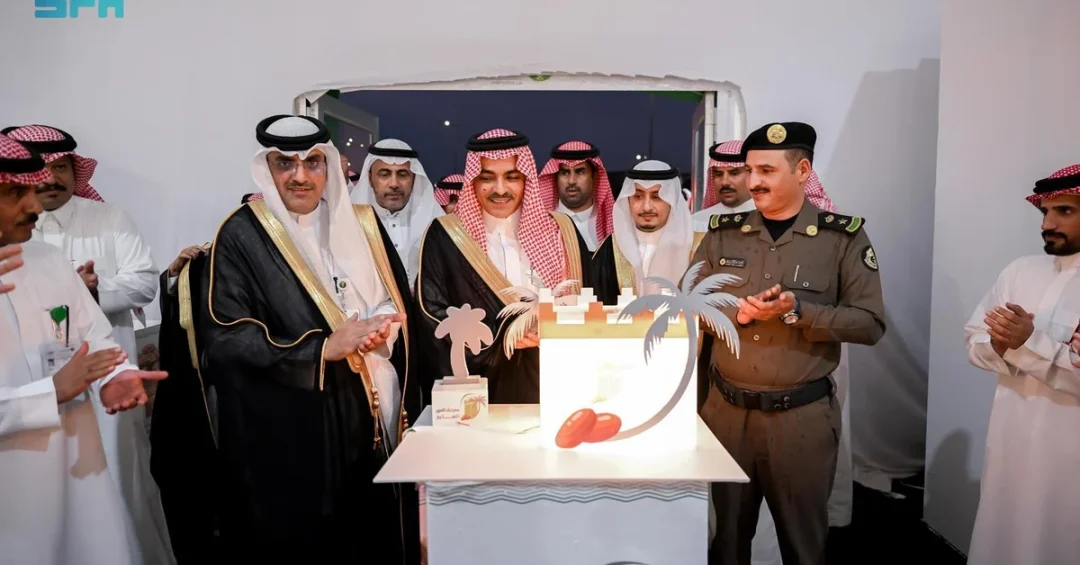
The seventh annual Dates Festival commenced today in Al-Aqiq Governorate, Al-Baha region, marking a significant celebration of Saudi Arabia’s agricultural heritage and economic diversification. Organized under the auspices of the Ministry of Environment, Water, and Agriculture, the festival highlights the region’s abundant date production and serves as a platform for farmers, entrepreneurs, and tourists to engage with one of the Kingdom’s most treasured crops. Eng. Fahad Al-Zahrani, director general of the Ministry in Al-Baha, emphasized the festival’s role in marketing local products and attracting visitors, aligning with Saudi Vision 2030’s goals to boost non-oil sectors and rural development.
Context and Background
Al-Baha region, nestled in the southwestern highlands of Saudi Arabia, has long been renowned for its fertile lands and agricultural output, particularly dates. The Al-Aqiq Governorate, hosting this year’s festival, is home to 1,600 palm farms cultivating 130,000 trees that yield an impressive 40,000 tons of dates annually. This rich agricultural base not only sustains local livelihoods but also contributes to the Kingdom’s food security objectives. The annual Dates Festival, now in its seventh edition, has become a staple event that showcases over 45 varieties of dates, offering affordable prices and drawing traders and shoppers from across the region. It stands as a testament to Saudi Arabia’s commitment to preserving its cultural heritage while fostering economic growth.
Key Details
The festival features a diverse array of activities designed to engage visitors and support local farmers. Eng. Fahad Al-Zahrani highlighted that these festivals play a pivotal role in marketing farmers’ products and attracting tourists, thereby stimulating the local economy. Beyond the date exhibitions, the event includes cultural, social, and entertainment programs that celebrate the region’s traditions. It also serves as a major economic platform for young entrepreneurs, providing them with opportunities to showcase their businesses and innovate within the agricultural sector. The affordable prices of dates at the festival make it accessible to a wide audience, further enhancing its appeal as a family-friendly destination.
Implications and Impact
The Al-Baha Dates Festival has far-reaching implications for both the local community and the broader Saudi economy. By attracting tourists and traders, it boosts regional tourism and creates a marketplace for agricultural products, aligning with the Kingdom’s efforts to diversify income sources beyond oil. The event also empowers young entrepreneurs, fostering a culture of innovation and self-sufficiency that is essential for sustainable development. Moreover, the festival strengthens social ties by bringing together people from various backgrounds to celebrate a shared heritage. On an international level, it showcases Saudi Arabia’s rich agricultural traditions and its potential as a tourism destination, contributing to the Kingdom’s global image as a vibrant and forward-looking nation.
Vision 2030 Alignment
The Al-Baha Dates Festival exemplifies the objectives of Saudi Vision 2030, particularly in promoting economic diversification, supporting small-scale farmers, and enhancing tourism. By providing a platform for local products and entrepreneurs, the festival contributes to the growth of non-oil sectors and the creation of job opportunities. It also aligns with the Vision’s focus on preserving cultural heritage and improving the quality of life for citizens. As Saudi Arabia continues to transform its economy and society, events like this underscore the Kingdom’s commitment to sustainable development and its rich cultural legacy.
20 Questions
Q1. What is the Al-Baha Dates Festival?
A1. The Al-Baha Dates Festival is an annual event in Al-Aqiq Governorate, Al-Baha region, celebrating date production. It showcases over 45 varieties, supports farmers, and attracts tourists, featuring cultural and entertainment activities.
Q2. When did the seventh annual Dates Festival kick off?
A2. The seventh annual Dates Festival kicked off on September 17, 2024, in Al-Aqiq Governorate, Al-Baha region, as announced by the Saudi Press Agency.
Q3. Who is Eng. Fahad Al-Zahrani?
A3. Eng. Fahad Al-Zahrani is the director general of the Ministry of Environment, Water, and Agriculture in Al-Baha. He highlighted the festival’s role in marketing farmers’ products and attracting tourists.
Q4. How many palm farms are in Al-Aqiq?
A4. Al-Aqiq is home to 1,600 palm farms, cultivating 130,000 trees that produce 40,000 tons of dates annually, making it a significant agricultural hub in the region.
Q5. What is the annual date production in Al-Aqiq?
A5. Al-Aqiq produces 40,000 tons of dates annually from its 130,000 palm trees, contributing to Saudi Arabia’s agricultural output and food security.
Q6. How many varieties of dates are showcased at the festival?
A6. The festival showcases over 45 varieties of dates, offering a diverse range for visitors and traders to explore and purchase at affordable prices.
Q7. What are the main goals of the Dates Festival?
A7. The festival aims to market farmers’ products, attract tourists, support young entrepreneurs, and provide a platform for economic and cultural exchange, aligning with Saudi Vision 2030.
Q8. How does the festival support young entrepreneurs?
A8. The festival serves as a major economic platform for young entrepreneurs, offering them opportunities to showcase their businesses, innovate, and connect with a wider market.
Q9. What cultural activities are featured at the festival?
A9. The festival includes cultural, social, and entertainment programs that celebrate the region’s heritage, bringing together the community and visitors in a festive atmosphere.
Q10. Why is the festival important for Al-Baha’s economy?
A10. It boosts the local economy by attracting tourists and traders, creating a marketplace for agricultural products, and supporting small-scale farmers, thereby enhancing regional development.
Q11. How does the festival align with Saudi Vision 2030?
A11. It aligns with Vision 2030 by promoting economic diversification, supporting non-oil sectors, empowering entrepreneurs, and enhancing tourism and cultural preservation.
Q12. What role does the Ministry of Environment, Water, and Agriculture play?
A12. The Ministry oversees the festival, supporting farmers and promoting agricultural events that contribute to food security and rural development in line with national goals.
Q13. Are the dates at the festival affordable?
A13. Yes, the festival offers dates at affordable prices, making them accessible to a wide range of shoppers and encouraging trade and consumption.
Q14. How does the festival attract tourists?
A14. By showcasing diverse date varieties, cultural programs, and entertainment, the festival draws tourists to Al-Baha, boosting local tourism and highlighting the region’s attractions.
Q15. What is the significance of dates in Saudi culture?
A15. Dates are a staple in Saudi culture, symbolizing hospitality and heritage. They are integral to daily life and religious traditions, especially during Ramadan.
Q16. How many editions of the festival have been held?
A16. The seventh annual Dates Festival is currently being held, indicating a successful tradition that has grown over the years since its inception.
Q17. What economic benefits does the festival bring to local farmers?
A17. It provides farmers with a direct market to sell their products, increases their income, and connects them with traders and consumers, enhancing their economic stability.
Q18. Does the festival include entertainment for families?
A18. Yes, the festival features social and entertainment programs suitable for families, creating a vibrant community event that appeals to all ages.
Q19. How does the festival contribute to food security?
A19. By promoting date production and supporting farmers, the festival helps ensure a steady supply of this nutritious staple, contributing to Saudi Arabia’s food security objectives.
Q20. What makes Al-Baha region ideal for date cultivation?
A20. Al-Baha’s fertile soil, favorable climate, and agricultural heritage make it ideal for date cultivation, yielding high-quality varieties that are celebrated at the festival.
Reader Feedback
We value your thoughts. Please share your feedback on this article.
Your feedback helps us improve our coverage.
Related articles
 Saudi Arabia Unveils 5 Key Benefits of New Commercial Registry System
 GASTAT: Saudi Ports Container Traffic Up 14.6% in 2023
 Fifth Saudi Maritime and Logistics Congress Kicks off in Dammam
 MEWA Oversees Madinah Dates Season Auctions
 Saudi EXIM Bank Hosts GARP Meeting on Risk Management
 7,000 Italian Companies Set Sights on Saudi Market