


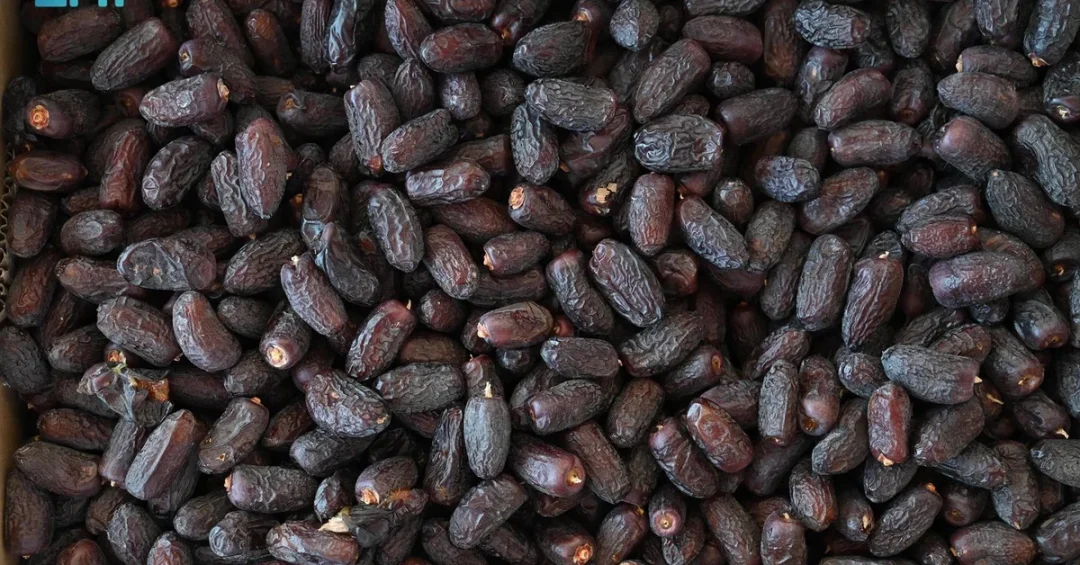
The Ministry of Environment, Water, and Agriculture (MEWA) is overseeing the central dates market auctions in the Madinah Region, promoting the yield from local farmers and displaying over 28 local date varieties as part of the Madinah Dates Season. The initiative underscores Saudi Arabia’s commitment to agricultural excellence, food security, and economic diversification, with MEWA’s Madinah branch teams conducting continuous inspections to ensure compliance with regulations.
Context and Background
The Madinah Dates Season is a significant annual event that highlights the Kingdom’s rich agricultural heritage and its capacity to produce high-quality dates. Madinah, home to over 6.5 million date palms, yields an annual production exceeding 263,000 tons, making it a cornerstone of Saudi Arabia’s agricultural sector. The central dates market auctions serve as a vital platform for local farmers to showcase their produce, with MEWA providing regulatory oversight to maintain fairness and transparency in trade. This season not only boosts local economies but also reinforces the Kingdom’s position as a leading global exporter of dates.
MEWA’s Regulatory Role and Market Operations
MEWA’s Madinah branch teams utilize advanced technology, including 180 cameras, to monitor market facilities and oversee the unloading and sorting processes until the dates leave the market. This continuous surveillance ensures adherence to quality standards and regulations, fostering a secure trading environment. The market employs a seasonal system designed to streamline supply and sale, enabling farmers and buyers to reach clear and fair agreements. This system also allows marketers to track contract details, manage business transactions, and monitor finances accurately, enhancing overall productivity and trust in the market.
Economic Impact and Export Expansion
The central dates market remains a key exporter of dates to various countries, with MEWA designating specific areas for exporters to cater to both local and international demands. This strategic allocation supports the Kingdom’s efforts to expand its export footprint and meet global market requirements. The high volume of date production not only contributes to food security but also drives economic growth by generating revenue and creating employment opportunities within the agricultural sector. The export of dates aligns with Saudi Vision 2030’s goal of diversifying the economy away from oil dependence, showcasing the Kingdom’s potential in non-oil sectors.
International Implications and Food Security
Saudi Arabia’s robust date production and export activities have significant international implications, particularly in terms of food security. As global demand for nutritious and sustainable food sources rises, Saudi dates are increasingly recognized for their quality and nutritional value. The Kingdom’s ability to maintain a steady supply chain, supported by MEWA’s regulatory framework, positions it as a reliable partner in global food trade. Furthermore, the Madinah Dates Season enhances cultural exchange and diplomatic ties, as international buyers and visitors engage with Saudi Arabia’s agricultural heritage.
Vision 2030 Alignment
The Madinah Dates Season and MEWA’s oversight efforts are directly aligned with Saudi Vision 2030, which seeks to diversify the economy, boost non-oil exports, and ensure sustainable development. By enhancing the date industry’s productivity and export competitiveness, the Kingdom is not only preserving a cherished cultural tradition but also building a resilient economic future. This initiative exemplifies how Saudi Arabia leverages its natural resources and strategic sectors to achieve long-term prosperity and global leadership.
20 Questions
Q1. What is the Madinah Dates Season?
A1. The Madinah Dates Season is an annual event in Saudi Arabia that promotes local date varieties and supports farmers. It features auctions and exhibitions, showcasing over 28 types of dates. The event is overseen by MEWA to ensure quality and compliance with regulations, boosting the local economy and export potential.
Q2. How many date varieties are displayed in the Madinah Dates Season?
A2. Over 28 local date varieties are displayed during the Madinah Dates Season. This diverse showcase highlights the rich agricultural heritage of the Madinah Region and provides farmers with a platform to present their produce to local and international buyers, enhancing market opportunities.
Q3. What role does MEWA play in the Madinah Dates Season?
A3. MEWA oversees the central dates market auctions, ensuring compliance with regulations through continuous inspections. Its Madinah branch teams use 180 cameras to monitor market facilities and processes. This oversight ensures fair trade, quality control, and a secure environment for farmers and buyers.
Q4. How many date palms are there in Madinah?
A4. Madinah is home to over 6.5 million date palms. These palms yield an annual production exceeding 263,000 tons, significantly contributing to Saudi Arabia’s food security and agricultural output. The abundance supports local economies and export activities, aligning with Vision 2030.
Q5. What is the annual date production in Madinah?
A5. The annual date production in Madinah exceeds 263,000 tons. This high yield underscores the region’s agricultural prowess and its role in meeting domestic and international demand. The production volume is a key factor in Saudi Arabia’s food security and economic diversification efforts.
Q6. How does the seasonal system benefit farmers and buyers?
A6. The seasonal system streamlines the supply and sale of dates, enabling farmers and buyers to reach clear and fair agreements. It also allows marketers to track contract details, handle business matters, and monitor finances accurately, enhancing transparency and productivity in the market.
Q7. Why is the central dates market important for exports?
A7. The central dates market is a key exporter of dates to various countries. MEWA has designated specific areas for exporters, catering to both local and international demands. This strategic setup supports Saudi Arabia’s export expansion and economic diversification goals under Vision 2030.
Q8. How does the date industry contribute to food security?
A8. The date industry contributes to food security by providing a steady supply of nutritious dates for domestic consumption and export. With over 6.5 million palms producing 263,000 tons annually, Madinah plays a vital role in ensuring the Kingdom’s food self-sufficiency and global food trade.
Q9. What technologies are used to monitor the dates market?
A9. MEWA utilizes 180 cameras to monitor market facilities and oversee the unloading and sorting processes. This technology ensures compliance with regulations and maintains quality standards, providing a secure and transparent trading environment for all participants in the Madinah Dates Season.
Q10. How does the Madinah Dates Season align with Vision 2030?
A10. The Madinah Dates Season aligns with Vision 2030 by promoting non-oil exports, enhancing economic diversification, and supporting sustainable agriculture. It showcases Saudi Arabia’s cultural heritage and strengthens its global trade position, contributing to the Kingdom’s long-term prosperity and global leadership.
Q11. What are the key regulations enforced by MEWA in the dates market?
A11. MEWA enforces regulations related to quality control, fair trade practices, and compliance with health and safety standards. Continuous inspections and camera surveillance ensure that dates meet required specifications, protecting both farmers and consumers and maintaining the market’s reputation for excellence.
Q12. How does the dates market support local farmers?
A12. The dates market provides local farmers with a platform to sell their produce directly to buyers, ensuring fair prices and reducing intermediaries. MEWA’s oversight and the seasonal system facilitate clear agreements, helping farmers maximize profits and sustain their livelihoods while contributing to the local economy.
Q13. What is the significance of Madinah in date production?
A13. Madinah is a historic and leading region in date production, with over 6.5 million palms and an annual yield exceeding 263,000 tons. Its favorable climate and agricultural expertise make it a hub for premium dates, reinforcing Saudi Arabia’s status as a global leader in date exports.
Q14. How do date exports contribute to Saudi Arabia’s economy?
A14. Date exports generate significant revenue, create jobs, and reduce dependence on oil. They align with Vision 2030’s economic diversification goals by expanding non-oil exports. The central market’s export-oriented approach ensures Saudi dates reach international markets, enhancing the Kingdom’s global trade footprint.
Q15. What measures ensure fair trade in the dates market?
A15. MEWA ensures fair trade through continuous inspections, camera surveillance, and a seasonal system that promotes clear agreements. These measures prevent disputes, ensure accurate financial tracking, and maintain transparency, fostering trust among farmers, buyers, and marketers in the Madinah Dates Season.
Q16. How does the dates season attract international buyers?
A16. The dates season attracts international buyers by showcasing high-quality, diverse date varieties and providing designated export areas. MEWA’s regulatory framework ensures reliability, while the event’s reputation for excellence draws global interest, boosting Saudi Arabia’s date exports and cultural exchange.
Q17. What is the role of technology in the Madinah Dates Season?
A17. Technology, such as the 180 cameras used by MEWA, plays a crucial role in monitoring market operations, ensuring compliance, and maintaining security. It streamlines processes from unloading to sorting, enhancing efficiency and transparency, which benefits all stakeholders involved in the dates trade.
Q18. How does the dates market handle financial transactions?
A18. The seasonal system enables marketers to track contract details and monitor finances accurately. This structured approach ensures transparent financial transactions, reduces errors, and builds confidence among participants. MEWA’s oversight further guarantees adherence to fair business practices.
Q19. What are the environmental benefits of date palm cultivation?
A19. Date palm cultivation contributes to environmental sustainability by combating desertification, sequestering carbon, and supporting biodiversity. In Madinah, the millions of palms enhance the ecosystem, while sustainable farming practices promoted by MEWA align with Saudi Arabia’s environmental goals under Vision 2030.
Q20. How can international stakeholders engage with the Madinah Dates Season?
A20. International stakeholders can engage by participating in auctions, partnering with local exporters, or visiting the season. MEWA provides designated areas for exporters and ensures a welcoming environment. This engagement fosters global trade, cultural exchange, and investment opportunities aligned with Saudi Vision 2030.
Reader Feedback
We value your thoughts. Please share your feedback on this article.
Your feedback helps us improve our coverage.
Related articles
 Saudi EXIM Bank Hosts GARP Meeting on Risk Management
 7,000 Italian Companies Set Sights on Saudi Market
 SAUDI EXPORTS and Al Nahdi Partner to Boost Saudi Made Products
 SAMA Reduces Repo and Reverse Repo Rates by 50 Basis Points
 Saudi Deputy Finance Minister Leads Delegation to GCC Meeting
 ADF Board Approves Over SAR2 Billion in Agricultural Loans