


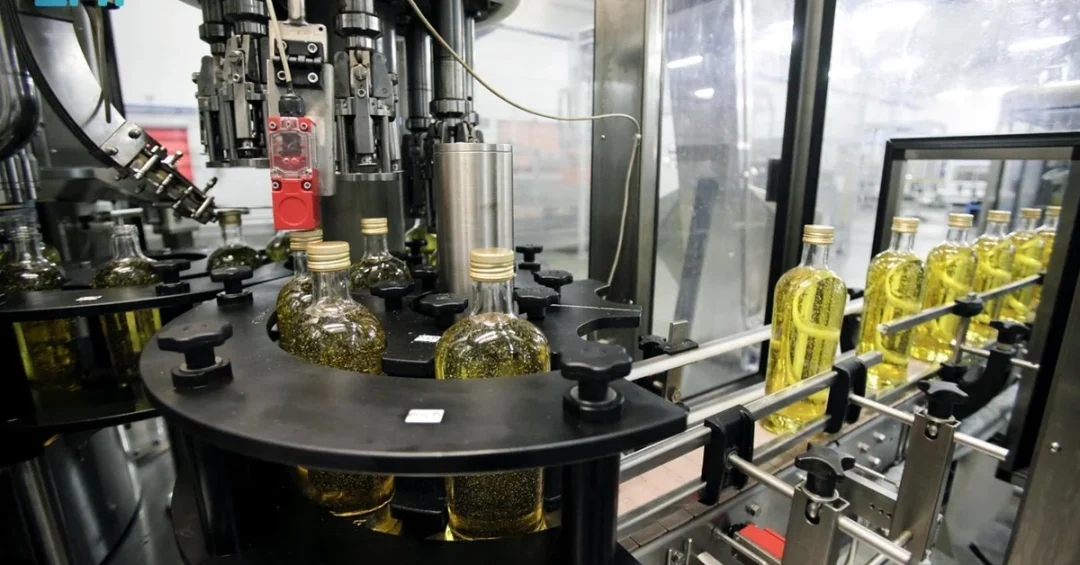
King Abdullah University of Science and Technology (KAUST), in collaboration with the Saudi Food and Drug Authority (SFDA), has developed an innovative scientific method to detect adulterated olive oil and determine the extent of contamination. The breakthrough comes as olive oil fraud reaches record levels in the European Union, where counterfeit labeling has undermined consumer confidence. Saudi Arabia, one of the world’s largest importers of olive oil, is taking proactive steps to protect consumers and ensure product authenticity.
Context and Background
Olive oil fraud has become a growing global concern, particularly in the European Union, where authorities have reported unprecedented levels of mislabeling and adulteration. Producers sometimes mix olive oil with cheaper vegetable oils, allowing them to sell lower-quality products at reduced prices while misleading consumers. This practice not only deceives buyers but also poses potential health risks and undermines trust in the food industry.
Saudi Arabia, as a major importer of olive oil, is increasingly vigilant about such manipulations. The SFDA, responsible for food safety and public health, has been exploring innovative analytical methods to evaluate olive oil quality. In this effort, the SFDA selected KAUST as a key partner, leveraging the university’s expertise in advanced analytical techniques.
Key Details
The new method utilizes Nuclear Magnetic Resonance (NMR) technology to guarantee that olive oil on supermarket shelves is authentic and matches product label claims. The findings have been published in the scientific journal Food Control. Dr. Hiba Alharbi, a scientist at the SFDA’s laboratories, noted that KAUST was chosen for its expertise in high-resolution NMR spectroscopy and multivariate data analysis, which enhance the ability to detect various vegetable oils blended with olive oil.
Both organizations are exploring expanding their partnership to include the detection of plastics, microplastics, and other contaminants in cooking oils. KAUST’s NMR facilities are collaborating with institutions nationwide to address national priorities, demonstrating an exemplary model of how partnerships can enhance food quality and public health in Saudi Arabia.
Implications and Impact
This development has significant implications for consumer protection and food safety in Saudi Arabia and beyond. By ensuring the authenticity of olive oil, the new method helps maintain market integrity and boosts consumer confidence. It also positions Saudi Arabia as a leader in food safety innovation, potentially influencing global standards for detecting food fraud.
Furthermore, the collaboration between KAUST and SFDA underscores the importance of interdisciplinary partnerships in addressing national challenges. The potential expansion to detect microplastics in cooking oils could have far-reaching effects on public health and environmental safety.
Vision 2030 Alignment
This initiative aligns with Saudi Arabia’s Vision 2030, which emphasizes economic diversification, innovation, and improved quality of life for citizens. By investing in cutting-edge research and fostering partnerships between academia and government agencies, the Kingdom is strengthening its capacity to ensure food safety and public health. Such advancements contribute to a vibrant society and a thriving economy, showcasing Saudi Arabia’s commitment to excellence and global leadership in science and technology.
20 Questions
Q1. What is the main purpose of the new method developed by KAUST and SFDA?
A1. The method aims to detect adulterated olive oil and determine the extent of contamination, ensuring that olive oil products are authentic and match their labels.
Q2. Which technology is used in this innovative method?
A2. The method utilizes Nuclear Magnetic Resonance (NMR) technology, specifically high-resolution NMR spectroscopy coupled with multivariate data analysis.
Q3. Why is olive oil fraud a concern in the European Union?
A3. Olive oil fraud in the EU has reached record levels, with counterfeit labeling undermining consumer confidence and deceiving buyers about product quality.
Q4. How does Saudi Arabia’s role as a major importer relate to this development?
A4. As one of the world’s largest importers of olive oil, Saudi Arabia is concerned about adulteration and is taking proactive measures to protect consumers and ensure product authenticity.
Q5. What organization partnered with KAUST on this project?
A5. The Saudi Food and Drug Authority (SFDA) partnered with KAUST to develop and implement this innovative detection method.
Q6. Where were the findings of this research published?
A6. The findings were published in the scientific journal Food Control, highlighting the academic rigor of the collaboration.
Q7. Who is Dr. Hiba Alharbi and what is her role?
A7. Dr. Hiba Alharbi is a scientist at the SFDA’s laboratories who noted KAUST’s expertise in advanced analytical techniques for detecting vegetable oils blended with olive oil.
Q8. What additional contaminants are being considered for detection?
A8. Both organizations are exploring expanding their partnership to include the detection of plastics, microplastics, and other contaminants in cooking oils.
Q9. How does this method benefit consumers?
A9. It ensures that olive oil products are authentic, protecting consumers from misleading labels and potential health risks associated with adulterated products.
Q10. What is the significance of KAUST’s NMR facilities?
A10. KAUST’s NMR facilities are collaborating with institutions nationwide to address national priorities, enhancing food quality and public health in Saudi Arabia.
Q11. How does this collaboration reflect Saudi Arabia’s Vision 2030?
A11. It aligns with Vision 2030 by promoting innovation, economic diversification, and improved quality of life through advanced research and strategic partnerships.
Q12. What is the potential global impact of this development?
A12. It could influence global standards for detecting food fraud and position Saudi Arabia as a leader in food safety innovation.
Q13. Why was KAUST selected for this project?
A13. KAUST was chosen for its expertise in advanced analytical techniques, particularly high-resolution NMR spectroscopy and multivariate data analysis.
Q14. What types of oils are commonly used to adulterate olive oil?
A14. Adulterated olive oil often contains cheaper vegetable oils, such as sunflower, canola, or palm oil, which are blended to reduce costs.
Q15. How does the SFDA ensure food safety in Saudi Arabia?
A15. The SFDA explores innovative analytical methods, partners with leading institutions like KAUST, and enforces regulations to ensure food safety for all citizens and residents.
Q16. What are the next steps for the KAUST-SFDA partnership?
A16. They are exploring expanding their collaboration to detect plastics, microplastics, and other contaminants in cooking oils, further enhancing food safety.
Q17. How does this method compare to traditional detection techniques?
A17. NMR technology offers higher resolution and accuracy, enabling the detection of minute adulterations that traditional methods might miss.
Q18. What role does multivariate data analysis play in this method?
A18. Multivariate data analysis enhances the ability to interpret complex NMR spectra, improving the detection and quantification of adulterants.
Q19. How does this development benefit Saudi Arabia’s economy?
A19. By ensuring food safety and quality, it supports consumer confidence, market integrity, and aligns with economic diversification goals under Vision 2030.
Q20. What does this collaboration demonstrate about Saudi Arabia’s scientific capabilities?
A20. It showcases Saudi Arabia’s advanced research capabilities and commitment to leveraging science and technology for public good, reinforcing its global leadership in innovation.
Reader Feedback
We value your thoughts. Please share your feedback on this article.
Your feedback helps us improve our coverage.
Related articles
 Saudi Arabia Ranks 2nd in G20 for UN Telecom Index
 Saudi Arabia Joins UN Broadband Commission Meeting in New York
 Saudi Arabia Launches Region’s First Biochar from Palm Waste
 King Salman Science Oasis Marks 94th National Day with STEAM Festival
 Saudi Arabia Joins Digital Future for All Session at UN Summit
 Saudi Space CEO Joins UN Event on Space for SDGs