


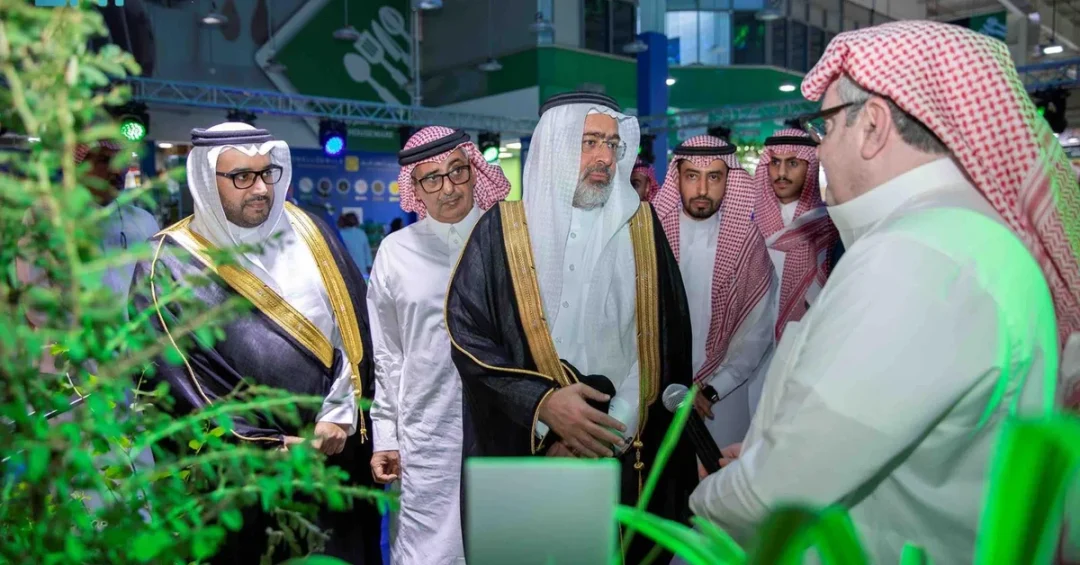
The National Center for Palm and Dates, in collaboration with the Ministry of Environment, Water, and Agriculture, has launched the region’s first biochar, an innovative soil amendment produced by recycling palm waste in Saudi Arabia. The announcement, made on September 21, 2024, in Riyadh, marks a significant step forward in sustainable agriculture and circular economy practices within the Kingdom.
Context and Background
Saudi Arabia is home to over 36 million palm trees spread across its regions, making date palm cultivation a cornerstone of its agricultural heritage and economy. However, this abundance also generates substantial organic waste. The newly launched biochar initiative addresses this challenge by converting palm waste into a carbon-rich, porous material that enhances soil health and contributes to environmental sustainability.
The National Center for Palm and Dates, a government entity dedicated to the development of the palm and dates sector, and the Ministry of Environment, Water, and Agriculture have jointly pioneered this project. It aligns with the Kingdom’s broader efforts to promote sustainable practices and reduce environmental impact, as outlined in Vision 2030.
Key Details
Biochar, produced through a process called pyrolysis, where organic material is heated in the absence of oxygen, offers multiple agricultural benefits. It improves soil structure, water retention, and nutrient availability. According to official sources, farmers using biochar can expect a 30% reduction in water consumption, faster plant growth, and higher yields. This is particularly crucial in Saudi Arabia, where water scarcity is a pressing concern.
Beyond agricultural advantages, biochar helps lower greenhouse gas emissions and mitigates climate change effects by sequestering carbon in the soil. The initiative also presents new economic opportunities for investors and entrepreneurs, as the production and distribution of biochar could spawn a new industry segment focused on sustainable agricultural inputs.
Implications and Impact
The launch of biochar production represents a significant milestone in Saudi Arabia’s journey toward a circular economy, where waste is repurposed into valuable resources. It supports the Ministry of Environment, Water, and Agriculture’s commitment to sustainable agricultural practices and enhances the Kingdom’s food security by improving crop resilience and productivity.
Regionally, this development positions Saudi Arabia as a leader in innovative agricultural solutions, potentially influencing other countries in the Middle East and North Africa to adopt similar technologies. Internationally, it demonstrates the Kingdom’s proactive approach to addressing global challenges such as water scarcity and climate change, in line with its obligations under international environmental agreements.
Vision 2030 Alignment
This initiative directly supports Vision 2030, Saudi Arabia’s strategic framework to diversify the economy, enhance quality of life, and promote environmental sustainability. By transforming palm waste into a valuable resource, the project contributes to economic diversification, job creation, and the development of a knowledge-based economy. It also reinforces the Kingdom’s role as a global leader in sustainable development and innovation, showcasing its commitment to a greener future.
20 Questions
Q1. What is biochar and how is it produced?
A1. Biochar is a carbon-rich, porous material produced by heating organic waste, such as palm fronds, in a low-oxygen process called pyrolysis. It is used as a soil amendment to improve fertility and water retention.
Q2. Which Saudi entities launched this biochar initiative?
A2. The National Center for Palm and Dates and the Ministry of Environment, Water, and Agriculture jointly launched the initiative, marking the first biochar production in the region.
Q3. How does biochar benefit soil?
A3. Biochar enhances soil structure, increases water retention, and improves nutrient availability, leading to healthier plants and higher yields. It also supports beneficial microbial activity in the soil.
Q4. What percentage of water reduction can farmers expect?
A4. Farmers can expect a 30% reduction in water consumption when using biochar, which is significant in Saudi Arabia’s arid climate where water conservation is critical.
Q5. How does biochar contribute to environmental sustainability?
A5. Biochar sequesters carbon in the soil, reducing greenhouse gas emissions and mitigating climate change. It also recycles agricultural waste, supporting a circular economy.
Q6. How many palm trees are there in Saudi Arabia?
A6. Saudi Arabia has over 36 million palm trees across its regions, providing an abundant source of organic waste for biochar production.
Q7. What economic opportunities does biochar present?
A7. Biochar production creates opportunities for investors and entrepreneurs in manufacturing, distribution, and sales, potentially establishing a new sustainable agriculture industry in the Kingdom.
Q8. How does this initiative align with Vision 2030?
A8. It supports Vision 2030 goals of economic diversification, environmental sustainability, and innovation, by turning waste into a valuable resource and promoting sustainable agriculture.
Q9. What is pyrolysis in the context of biochar?
A9. Pyrolysis is a thermal decomposition process that heats organic material in the absence of oxygen, converting it into biochar, bio-oil, and syngas.
Q10. Can biochar be used for all types of crops?
A10. Yes, biochar can be applied to various crops, improving soil health universally. Its benefits are particularly pronounced in sandy or degraded soils common in arid regions.
Q11. How does biochar help with climate change mitigation?
A11. Biochar locks carbon in the soil for centuries, preventing its release as carbon dioxide. This carbon sequestration helps reduce atmospheric greenhouse gases.
Q12. What is the Ministry of Environment, Water, and Agriculture’s role?
A12. The ministry oversees agricultural policy and environmental protection. It supports the biochar initiative as part of its commitment to sustainable practices and circular economy principles.
Q13. Is biochar production scalable in Saudi Arabia?
A13. Yes, with over 36 million palm trees, there is ample raw material. The initiative can be scaled up to meet domestic demand and potentially export biochar.
Q14. How does biochar improve water retention in soil?
A14. Biochar’s porous structure acts like a sponge, holding water and releasing it slowly to plants, reducing the need for frequent irrigation.
Q15. What are the potential export opportunities for Saudi biochar?
A15. Saudi biochar could be exported to countries facing similar arid conditions, offering a sustainable soil amendment and positioning the Kingdom as a leader in green technology.
Q16. Does biochar have any negative environmental impacts?
A16. When produced and applied correctly, biochar is environmentally beneficial. It reduces waste, sequesters carbon, and improves soil without harmful side effects.
Q17. How can farmers access biochar in Saudi Arabia?
A17. Farmers can obtain biochar through agricultural supply chains and government-supported programs. The National Center for Palm and Dates will facilitate distribution and provide guidance.
Q18. What research supports biochar’s effectiveness?
A18. Numerous international studies confirm biochar’s benefits for soil health, water retention, and carbon sequestration. Saudi trials have shown a 30% water reduction and yield increases.
Q19. How does biochar support food security in Saudi Arabia?
A19. By enhancing soil fertility and water efficiency, biochar helps increase crop yields, contributing to domestic food production and reducing reliance on imports.
Q20. What are the next steps for this initiative?
A20. The National Center for Palm and Dates and the Ministry of Environment, Water, and Agriculture will expand production, raise farmer awareness, and integrate biochar into national agricultural strategies.
Reader Feedback
We value your thoughts. Please share your feedback on this article.
Your feedback helps us improve our coverage.
Related articles
 King Salman Science Oasis Marks 94th National Day with STEAM Festival
 Saudi Arabia Joins Digital Future for All Session at UN Summit
 Saudi Space CEO Joins UN Event on Space for SDGs
 Shuaibah Solar Plant: A Vision 2030 Milestone
 Apple Spotlights Saudi Graduates’ Award-Winning Apps
 Saudi Arabia Announces Blue Economy Challenge Winners