


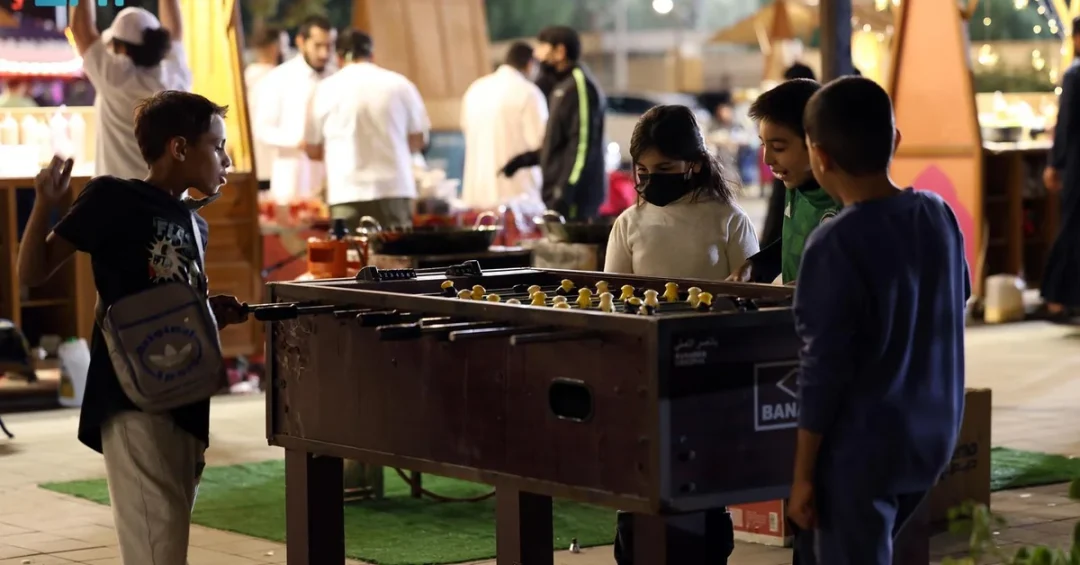
Traditional games like Taq Taqiyah and Ghameemah are bringing generations together in Madinah during Ramadan, fostering joy, competition, and community bonds, as reported by the Saudi Press Agency (SPA). These games, deeply rooted in the city’s cultural heritage, continue to thrive alongside modern sports, creating a vibrant tapestry of Ramadan traditions that resonate with residents of all ages.
Context and Background
Madinah, the second holiest city in Islam, has long been a beacon of culture and tradition. During the holy month of Ramadan, the city’s neighborhoods come alive with a unique blend of spiritual devotion and communal festivities. Traditional games have been an integral part of this celebration, passed down through generations as a means of strengthening social ties and preserving cultural identity. These games, such as Taq Taqiyah and Ghameemah (Hide and Seek), reflect the rich heritage of the region and offer a nostalgic connection to the past for older generations while introducing younger ones to their cultural roots.
In recent years, the Kingdom of Saudi Arabia has placed a strong emphasis on preserving cultural heritage as part of Vision 2030, recognizing it as a vital component of national identity and social cohesion. The continuation of these traditions in Madinah exemplifies how grassroots initiatives align with broader national goals.
Key Details
In the Al-Khalidiyah neighborhood, young residents like Moataz Mohammed engage in games that challenge the mind, such as chess, dominoes, carom, and Basra, a local card game. These activities take place during Ramadan nights, adding a festive and intellectual dimension to community gatherings. Moataz and his peers exemplify how traditional games are being embraced by the younger generation, ensuring their continuity.
Modern sports also play a significant role in Ramadan activities. Football and volleyball tournaments are organized across various neighborhoods, while others enjoy tennis, billiards, table tennis, and electronic games. This fusion of the old and new demonstrates the adaptability of Ramadan traditions in Madinah, catering to diverse interests and age groups.
Implications and Impact
The revival of traditional games during Ramadan has far-reaching implications for social cohesion and cultural preservation. By bridging generational gaps, these activities foster mutual understanding and respect among community members. They also serve as a counterbalance to the digital distractions of modern life, encouraging face-to-face interaction and physical activity.
Furthermore, the integration of modern sports into Ramadan festivities highlights the dynamic nature of Saudi society, which embraces both heritage and progress. This balanced approach contributes to a higher quality of life, a key objective of Vision 2030, by promoting healthy lifestyles and community engagement.
Vision 2030 Alignment
The preservation and promotion of traditional games in Madinah are directly aligned with Vision 2030’s goals of enhancing the quality of life, fostering social development, and celebrating Saudi cultural heritage. By supporting such grassroots initiatives, the Kingdom reinforces its commitment to maintaining a strong, cohesive society that values its past while embracing the future. As Ramadan continues to unite generations in Madinah, it exemplifies the enduring spirit of Saudi Arabia’s cultural renaissance.
20 Questions
Q1. What are some traditional games played in Madinah during Ramadan?
A1. Traditional games include Taq Taqiyah, Ghameemah (Hide and Seek), chess, dominoes, carom, and Basra, a local card game. These games have been part of Madinah’s cultural fabric for generations.
Q2. How do traditional games foster community bonds in Madinah?
A2. They bring people together in neighborhoods, encouraging social interaction, friendly competition, and a sense of camaraderie. This strengthens community ties and preserves cultural heritage.
Q3. Who is Moataz Mohammed and what games does he enjoy?
A3. Moataz Mohammed is a young resident of Al-Khalidiyah neighborhood who enjoys mind-challenging games like chess, dominoes, carom, and Basra. He plays them with peers during Ramadan nights.
Q4. What modern sports are popular in Madinah during Ramadan?
A4. Football and volleyball tournaments are organized across neighborhoods. Other popular activities include tennis, billiards, table tennis, and electronic games.
Q5. How does the Saudi Press Agency contribute to news about Ramadan in Madinah?
A5. The Saudi Press Agency reports on cultural and social events, highlighting the traditions and activities that bring communities together during Ramadan, showcasing the Kingdom’s vibrant society.
Q6. Why are traditional games important for younger generations?
A6. They connect youth to their heritage, teach teamwork, and provide healthy entertainment. They also help preserve cultural identity and pass on traditions to future generations.
Q7. What role does Ramadan play in community life in Madinah?
A7. Ramadan is a time for spiritual reflection and community bonding. Evening gatherings for games and sports foster social cohesion and joy after daily fasting.
Q8. How do these activities reflect Vision 2030?
A8. They promote social development, quality of life, and cultural preservation, which are key pillars of Vision 2030. They also encourage healthy lifestyles and community engagement.
Q9. Are there any specific tournaments organized during Ramadan in Madinah?
A9. Yes, football and volleyball tournaments are held across various neighborhoods. These events attract participants of all ages and draw large audiences.
Q10. How has the COVID-19 pandemic affected Ramadan traditions in Madinah?
A10. The pandemic led to temporary restrictions on gatherings, but with safety measures, traditions have resumed. They continue to adapt to ensure public health while preserving cultural practices.
Q11. What is the significance of Taq Taqiyah?
A11. Taq Taqiyah is a traditional game that involves skill and strategy. It has been played for generations and remains a beloved pastime during Ramadan, symbolizing cultural continuity.
Q12. How do electronic games fit into Ramadan activities in Madinah?
A12. Electronic games are a modern addition, enjoyed by youth alongside traditional games. They provide entertainment and competition, reflecting the evolving nature of leisure activities.
Q13. What role do neighborhood communities play in organizing these activities?
A13. Neighborhood communities organize tournaments and gatherings, fostering local participation and unity. They create a festive atmosphere that strengthens social bonds.
Q14. How do these games promote physical health?
A14. Games like football, volleyball, and hide-and-seek encourage physical activity, which is beneficial for health. They complement the spiritual and social aspects of Ramadan.
Q15. Are there any age restrictions for participating in these games?
A15. No, these activities are inclusive, with games suitable for all ages. Families and friends often participate together, bridging generational gaps.
Q16. How do traditional games differ from modern sports in terms of community impact?
A16. Traditional games emphasize cultural heritage and intergenerational bonding, while modern sports focus on physical competition. Both contribute to community cohesion and enjoyment.
Q17. What is the historical origin of Ghameemah?
A17. Ghameemah, or Hide and Seek, is a timeless game enjoyed by children. Its exact origin is unclear, but it has been part of Arab culture for centuries.
Q18. How does the Saudi government support cultural activities like these?
A18. Through Vision 2030, the government promotes cultural heritage and social development. It supports community initiatives that preserve traditions and enhance quality of life.
Q19. What can visitors to Madinah expect during Ramadan?
A19. Visitors can experience vibrant community gatherings, traditional games, sports tournaments, and a unique festive atmosphere that showcases Saudi hospitality and culture.
Q20. How do these Ramadan activities contribute to Saudi Arabia’s global image?
A20. They highlight the Kingdom’s rich culture, social harmony, and modernization, presenting a positive image of a society that balances tradition and progress, in line with Vision 2030.
Reader Feedback
We value your thoughts. Please share your feedback on this article.
Your feedback helps us improve our coverage.
Related articles
 KACCC Hosts Global Youth Gathering on Fasting Traditions
 Manga Productions Partners with Sela to Bring Japanese Brands to Riyadh Season
 Istituto Marangoni, Fashion Commission Partner on Fashion Education in Saudi Arabia
 Al-Hawza Mosque Restoration Boosts Aseer Heritage
 Tourism Minister Tours Islamic Arts Biennale 2025 in Jeddah
 Saudi Arabia Debuts Maghras Pavilion at Milan Triennale