


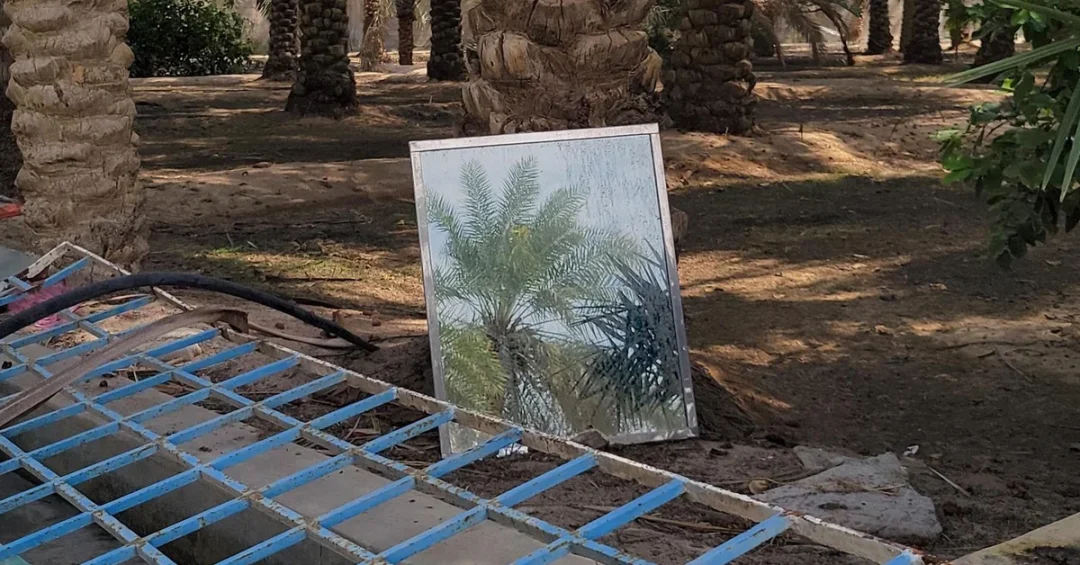
For the first time in its history, the Kingdom of Saudi Arabia will participate in the 24th edition of the Milan Triennale, taking place from May 13 to November 9 in Italy. The Saudi pavilion, titled “Maghras: a Farm for Experimentation,” is led by the Ministry of Culture and focuses on the Al-Ahsa Oasis, a UNESCO World Heritage site renowned for its ancient agricultural traditions and vibrant cultural landscape. This participation marks a significant milestone in Saudi Arabia’s cultural diplomacy and global engagement, showcasing the Kingdom’s rich heritage and its commitment to preserving and innovating agricultural practices.
The announcement, made via the Saudi Press Agency (SPA), highlights the Kingdom’s dedication to sharing its story with the world. The pavilion will explore the intersection of agricultural cultural heritage, traditional practices, and community narratives, set against the backdrop of rapid global urban and environmental changes. Through this initiative, Saudi Arabia aims to foster international dialogue on sustainability, culture, and innovation, aligning with the goals of Vision 2030 to diversify the economy and promote cultural exchange. How does a nation’s agricultural heritage shape its modern identity, and what can the world learn from Saudi Arabia’s approach?
Context and Background
The Al-Ahsa Oasis, located in the Eastern Province of Saudi Arabia, is one of the largest and oldest oasis settlements in the world, with a history spanning over 6,000 years. It is famed for its millions of palm trees, natural springs, and a sophisticated irrigation system that has sustained communities for millennia. In 2018, UNESCO recognized Al-Ahsa as a World Heritage site, acknowledging its outstanding universal value and the enduring relationship between its people and the land. The oasis remains a living testament to Saudi Arabia’s deep-rooted agricultural heritage and its ability to adapt to challenging environments.
Against this backdrop, the Kingdom’s participation in the Milan Triennale—a prestigious international exhibition dedicated to art, design, and architecture—represents a strategic effort to highlight the relevance of traditional knowledge in addressing contemporary global challenges. The Maghras pavilion, named after a traditional unit of measurement for land surrounded by four palm trees, symbolizes the deep connections between culture and agriculture. It invites visitors to reflect on how rural landscapes evolve and how communities can thrive amid change. Why is it important for global audiences to understand the story of Al-Ahsa and its people?
The Ministry of Culture, under the leadership of His Highness Prince Badr bin Abdullah bin Farhan Al Saud, has been at the forefront of Saudi Arabia’s cultural renaissance. By supporting projects like Maghras, the Ministry underscores its commitment to preserving heritage while encouraging innovation and cross-cultural dialogue. The Milan Triennale provides a platform for Saudi artists, architects, and researchers to engage with international counterparts, further enriching the global discourse on sustainable development and cultural preservation.
Key Details of the Maghras Pavilion
The Maghras pavilion is more than an exhibition; it is a dynamic farm and community space where activities and dialogues converge. The project draws on extensive research and offers diverse programs, initiatives, and artistic experiences designed to engage various societal segments. Local artists, architects, researchers, and residents—along with farming and artisan communities—contributed to the project, ensuring authentic representation of Al-Ahsa’s cultural and agricultural legacy. The pavilion will host artistic performances, field discussions, and workshops, creating an immersive experience that bridges tradition and modernity.
Central to the pavilion’s narrative is the concept of Maghras itself, which embodies the symbiotic relationship between people and their environment. Visitors will learn how traditional farming practices in Al-Ahsa have adapted over centuries, and how these practices inform contemporary approaches to sustainability and community resilience. The pavilion’s design and programming reflect a holistic understanding of agriculture as a cultural practice, not merely an economic activity. How can traditional agricultural wisdom inspire solutions to today’s environmental crises?
The Ministry of Culture has curated the pavilion to showcase the voices of Al-Ahsa’s residents, particularly those from farming and artisan communities, whose knowledge and skills have been passed down through generations. By amplifying these voices on an international stage, Saudi Arabia demonstrates its commitment to inclusive cultural representation and the empowerment of local communities. The pavilion also serves as a testament to the Kingdom’s broader efforts to document and preserve intangible cultural heritage, a key pillar of Vision 2030’s cultural objectives.
International and Regional Impact
Saudi Arabia’s debut at the Milan Triennale is set to enhance its cultural ties with Italy and the wider international community. The Triennale attracts millions of visitors, including policymakers, academics, artists, and tourists, offering an unparalleled opportunity for the Kingdom to present its narrative of progress and preservation. By focusing on Al-Ahsa, Saudi Arabia highlights a region that is often overlooked in global conversations about agriculture and heritage, thereby enriching the diversity of perspectives at the exhibition.
Regionally, the pavilion reinforces Saudi Arabia’s leadership in cultural diplomacy and its role as a bridge between East and West. It also aligns with the Kingdom’s efforts to promote sustainable development and environmental stewardship, issues that resonate deeply with Gulf Cooperation Council (GCC) partners and beyond. The Maghras project can inspire similar initiatives across the region, encouraging neighboring countries to leverage their own cultural assets for global engagement. What role can cultural exchanges play in fostering mutual understanding between nations?
Furthermore, the pavilion’s emphasis on community participation and traditional knowledge offers a counter-narrative to rapid urbanization and environmental degradation. It positions Saudi Arabia as a thought leader in integrating heritage conservation with modern development, a theme that is increasingly relevant as the world grapples with climate change and food security. By sharing Al-Ahsa’s story, the Kingdom contributes to a global dialogue on how societies can honor their past while embracing the future.
Economic and Strategic Significance
While the Maghras pavilion is primarily a cultural endeavor, it carries significant economic and strategic implications. Cultural diplomacy is a cornerstone of Saudi Arabia’s soft power strategy, enhancing the Kingdom’s image abroad and attracting tourism and investment. The Milan Triennale provides a platform to showcase Saudi Arabia’s creative industries, which are vital to Vision 2030’s goal of diversifying the economy beyond oil. By highlighting the intersection of agriculture and culture, the pavilion also draws attention to the potential of agritourism in regions like Al-Ahsa, which could stimulate local economic growth and job creation.
Strategically, the participation underscores Saudi Arabia’s commitment to international cooperation and multilateral engagement. It builds on the Kingdom’s growing presence in global cultural events, from the Venice Biennale to the Diriyah Biennale, signaling a consistent and long-term investment in cultural diplomacy. This approach not only fosters goodwill but also opens doors for collaboration in areas such as sustainable agriculture, heritage management, and creative economy. How might such cultural investments translate into tangible economic benefits for Saudi Arabia and its partners?
Additionally, the pavilion’s focus on Al-Ahsa aligns with national efforts to develop the region as a tourism destination. The Saudi Tourism Authority has been promoting Al-Ahsa’s natural and cultural attractions, and the Triennale exposure is expected to boost international awareness and visitor numbers. This, in turn, supports the broader goal of increasing tourism’s contribution to GDP, a key target of Vision 2030.
Vision 2030 Alignment
The Maghras pavilion exemplifies the principles of Saudi Vision 2030, which seeks to transform the Kingdom into a global hub for culture, tourism, and innovation while preserving its rich heritage. By investing in cultural projects that celebrate local communities and traditional practices, Saudi Arabia is not only diversifying its economy but also reinforcing its national identity. The Ministry of Culture’s leadership in this initiative reflects the Vision’s emphasis on empowering cultural institutions and fostering international partnerships.
As the Kingdom continues to open up to the world, initiatives like Maghras demonstrate how heritage can be a catalyst for progress. They invite global audiences to see Saudi Arabia beyond stereotypes, as a nation that values its past while boldly shaping its future. The Milan Triennale is thus more than an exhibition; it is a milestone in Saudi Arabia’s journey toward becoming a cultural powerhouse and a bridge between civilizations. How will the lessons from Al-Ahsa inform Saudi Arabia’s path forward and inspire others around the world?
20 Questions
Q1. What is the Maghras pavilion and why is it significant?
A1. The Maghras pavilion is Saudi Arabia’s first-ever entry at the Milan Triennale, titled “Maghras: a Farm for Experimentation.” It showcases Al-Ahsa Oasis’s agricultural heritage, symbolizing the deep connection between culture and agriculture, and highlights the Kingdom’s cultural diplomacy.
Q2. Where and when is the 24th Milan Triennale taking place?
A2. The 24th Milan Triennale is being held in Italy from May 13 to November 9, 2025. It is a prestigious international exhibition that attracts millions of visitors and features contributions from countries worldwide, including Saudi Arabia for the first time.
Q3. What is Al-Ahsa Oasis and why is it important?
A3. Al-Ahsa Oasis, located in Saudi Arabia’s Eastern Province, is one of the world’s largest and oldest oasis settlements, with over 6,000 years of history. It is a UNESCO World Heritage site, known for its palm trees and traditional irrigation systems.
Q4. Which Saudi entity is leading the Maghras project?
A4. The project is led by the Ministry of Culture, under the direction of His Highness Prince Badr bin Abdullah bin Farhan Al Saud. The Ministry is committed to preserving Saudi heritage and promoting cultural exchange through international platforms.
Q5. What does the term “Maghras” mean?
A5. Maghras is a traditional unit of measurement for land surrounded by four palm trees. It symbolizes the symbiotic relationship between people and agriculture, and represents the cultural and agricultural heritage of Al-Ahsa.
Q6. Who contributed to the creation of the Maghras pavilion?
A6. Local artists, architects, researchers, residents, and farming and artisan communities from Al-Ahsa contributed to the pavilion. Their involvement ensures an authentic representation of the region’s cultural and agricultural legacy.
Q7. What kind of programs will the pavilion offer?
A7. The pavilion will host artistic performances, field discussions, and workshops. These programs are designed to engage diverse audiences and foster dialogue on the intersection of culture, agriculture, and sustainability.
Q8. How does the pavilion reflect Saudi Arabia’s Vision 2030?
A8. The pavilion aligns with Vision 2030 by promoting cultural preservation, economic diversification, and international engagement. It showcases Saudi Arabia’s commitment to heritage and innovation, key pillars of the Vision.
Q9. Why is Saudi Arabia participating in the Milan Triennale for the first time?
A9. The participation marks a strategic effort to share Saudi Arabia’s cultural heritage with a global audience and to strengthen cultural diplomacy. It reflects the Kingdom’s growing openness and its desire to engage in international dialogues on art, design, and sustainability.
Q10. What is the significance of focusing on Al-Ahsa Oasis?
A10. Al-Ahsa represents a living example of sustainable agriculture and cultural resilience. By focusing on it, Saudi Arabia highlights the importance of traditional knowledge in addressing contemporary environmental and urban challenges.
Q11. How does the pavilion address global environmental challenges?
A11. The pavilion explores how traditional agricultural practices in Al-Ahsa have adapted over centuries, offering insights into sustainability and community resilience. It prompts discussions on how heritage can inform solutions to modern environmental issues.
Q12. What impact will the pavilion have on Saudi-Italian relations?
A12. It enhances cultural ties between Saudi Arabia and Italy, fostering mutual understanding and collaboration. The Triennale provides a platform for dialogue and partnership in culture, design, and sustainable development.
Q13. How does the pavilion promote Saudi tourism?
A13. By showcasing Al-Ahsa’s natural and cultural attractions, the pavilion raises international awareness and encourages tourism to the region. This supports Saudi Arabia’s goal of increasing tourism’s contribution to GDP.
Q14. What role do local communities play in the pavilion?
A14. Local communities, especially farmers and artisans, are central to the pavilion. Their knowledge and skills are highlighted, demonstrating Saudi Arabia’s commitment to inclusive cultural representation and community empowerment.
Q15. How does the pavilion reflect Saudi Arabia’s cultural soft power?
A15. It showcases the Kingdom’s rich heritage and creative industries, enhancing its image abroad. Cultural diplomacy is a key tool for building goodwill and attracting tourism and investment, aligning with Vision 2030.
Q16. What can international audiences learn from the Maghras project?
A16. They can learn about the deep connections between culture and agriculture, and how traditional practices can inspire sustainable development. The project offers a model for integrating heritage conservation with modern innovation.
Q17. Will the pavilion include any interactive elements?
A17. Yes, the pavilion features a farm and community space where activities and dialogues converge. Visitors can engage in workshops, discussions, and artistic performances, making the experience immersive and participatory.
Q18. How does the Ministry of Culture support such initiatives?
A18. The Ministry of Culture provides leadership, funding, and curation for projects like Maghras. It aims to preserve Saudi heritage, promote cultural exchange, and support the creative economy in line with Vision 2030.
Q19. What other international cultural events has Saudi Arabia participated in?
A19. Saudi Arabia has participated in the Venice Biennale, the Diriyah Biennale, and other global cultural events. These engagements reflect the Kingdom’s growing presence in international cultural diplomacy.
Q20. What is the long-term vision for Al-Ahsa and similar heritage sites?
A20. The long-term vision is to develop Al-Ahsa as a sustainable tourism and cultural destination while preserving its heritage. This aligns with Vision 2030’s goals of economic diversification and cultural enrichment.
Reader Feedback
We value your thoughts. Please share your feedback on this article.
Your feedback helps us improve our coverage.
Related articles
 Prophet’s Mosque Expansion Exhibition Showcases Architectural Heritage
 Saudi Museums Commission Explores Digital Future
 Mohammed bin Salman Project Revives Historic Najdi Mosque in Farasan
 Ramadan in Al-Baha Brings Generations of Flavor to the Table
 Saudi Film Commission Shines at Hong Kong FILMART
 Truffle Season Enriches Ramadan Tables in Northern Borders