


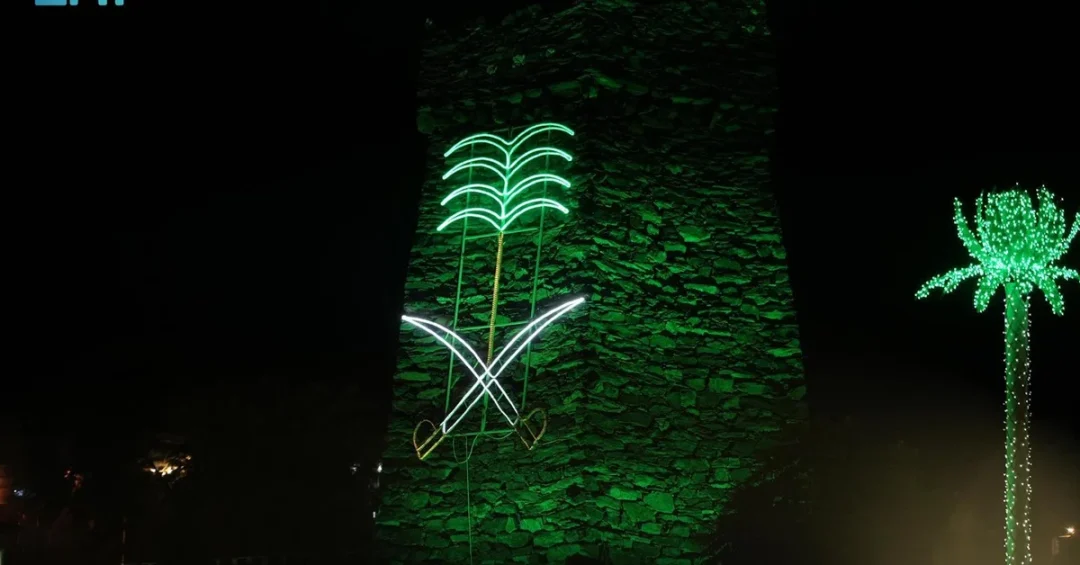
Al-Baha, Saudi Arabia — The sturdy fortresses and castles standing tall across the Al-Baha region stand as enduring witnesses to their pivotal role in the saga of the Saudi nation’s unification, according to the Saudi Press Agency (SPA). As Saudi National Day approaches, elders in the region are reminiscing with their children and grandchildren about the historical, cultural, and national heritage that helped shape the civilizational framework of the Kingdom, recounting the tale of unification from its inception.
Context and Background
These forts and castles were erected for purely defensive military purposes, strategically positioned on mountaintops, in valleys, and at key locations where defenders could effectively deploy against adversaries. Additionally, those fortresses near farms owned by families or interconnected families served to defend and safeguard their farms, as well as to store grains. Many of the castles and forts scattered across the region in the Sarat and Tihamah sectors remain resilient due to the quality of their construction materials, enabling them to withstand various conditions. They narrate tales of resilience and communal unity among the inhabitants, reflecting their social, economic, and security aspects due to the diverse roles they played.
Key Details
Among these distinguished sites of historical significance in Al-Baha are the Bin Raqoush Palace, Bakhroush bin Allaas Castle, the Assidan Palace, Dhee Ayn Village, the storied Twin Fortresses overlooking the historic village of Al Malad, Al Ayed Heritage Inn in Bani Kabir, and the historical Mishref Palace in Baljurashi, which overlooks the historic Saturday market, along with over 200 fortresses dispersed across various sites in the area. These palaces and forts attract numerous locals and visitors to the region, serving as a source of inspiration from the ingenuity of ancestors in architectural craftsmanship and their expertise in designing and constructing stone buildings. They present a captivating window merging history with tourism, becoming a magnet for photography enthusiasts, production companies, and hobbyists eager to capture historical documentaries in the realms of construction, fashion, jewelry, culinary tools, agriculture, and weaponry.
Implications and Impact
The historical significance of these structures extends beyond their architectural value, as they symbolize the unity and resilience of the Saudi people. They serve as a reminder of the nation’s rich heritage and the collective efforts that led to the unification of the Kingdom. In recent years, the Saudi government has invested in preserving and promoting these heritage sites as part of its broader tourism strategy, aligning with Vision 2030’s goal to diversify the economy and attract international visitors. The Al-Baha region, with its numerous forts and castles, is poised to become a key destination for cultural tourism, offering a unique glimpse into Saudi Arabia’s past while contributing to the local economy.
Vision 2030 Alignment
The preservation and promotion of Al-Baha’s forts and castles are in line with Saudi Vision 2030, which aims to diversify the economy, enhance cultural heritage, and boost tourism. By showcasing these historical sites, the Kingdom not only honors its past but also creates new opportunities for economic growth and international engagement. As Saudi Arabia continues to open up to the world, sites like these will play a crucial role in presenting the nation’s rich history and welcoming global visitors.
20 Questions
Q1. What is the significance of the forts and castles in Al-Baha?
A1. The forts and castles in Al-Baha are significant as they played a pivotal role in the unification of Saudi Arabia. They served as defensive structures and are enduring symbols of the nation’s heritage and resilience.
Q2. Where are these forts and castles located?
A2. They are strategically positioned on mountaintops, in valleys, and at key locations across the Al-Baha region, particularly in the Sarat and Tihamah sectors.
Q3. What was the primary purpose of building these forts?
A3. They were erected for defensive military purposes to protect against adversaries and to safeguard farms and store grains for local families.
Q4. How have these structures remained resilient over time?
A4. They remain resilient due to the high quality of their construction materials, which have withstood various environmental conditions for centuries.
Q5. Can you name some of the prominent forts and castles in Al-Baha?
A5. Prominent sites include Bin Raqoush Palace, Bakhroush bin Allaas Castle, Assidan Palace, Dhee Ayn Village, the Twin Fortresses, Al Ayed Heritage Inn, and Mishref Palace, among over 200 others.
Q6. How do these forts contribute to tourism in the region?
A6. They attract locals and visitors, serving as a source of inspiration and a magnet for photography enthusiasts, production companies, and hobbyists interested in historical documentaries.
Q7. What role do these forts play in Saudi National Day celebrations?
A7. During Saudi National Day, elders share stories of the forts’ historical and cultural significance, recounting the tale of unification and the heritage that shaped the nation.
Q8. What do these forts symbolize for the Saudi people?
A8. They symbolize resilience, communal unity, and the rich heritage of the Saudi people, reflecting their social, economic, and security aspects.
Q9. How does the government support the preservation of these sites?
A9. The Saudi government invests in preserving and promoting these heritage sites as part of its tourism strategy under Vision 2030.
Q10. What is the historical context of the unification of Saudi Arabia?
A10. The unification of Saudi Arabia was a series of military and political campaigns led by King Abdulaziz Al Saud, culminating in the establishment of the Kingdom in 1932.
Q11. How do these forts reflect the architectural ingenuity of ancestors?
A11. They showcase advanced stone-building techniques and design expertise, demonstrating the ingenuity of ancestors in constructing durable and functional structures.
Q12. Are these forts open to the public?
A12. Many of these forts and castles are accessible to visitors, offering a glimpse into Saudi Arabia’s historical heritage and attracting cultural tourism.
Q13. What economic impact do these heritage sites have on the local community?
A13. They boost local tourism, create job opportunities, and support small businesses, contributing to the economic development of the Al-Baha region.
Q14. How does Vision 2030 aim to utilize these heritage sites?
A14. Vision 2030 aims to diversify the economy by promoting cultural tourism, preserving heritage, and enhancing international engagement through these historical sites.
Q15. What types of artifacts or historical items are associated with these forts?
A15. They house or inspire collections related to construction, fashion, jewelry, culinary tools, agriculture, and weaponry, reflecting the daily life and culture of the past.
Q16. How can international tourists access Al-Baha and its forts?
A16. International tourists can access Al-Baha via domestic flights or road networks, with visa options available under Saudi Arabia’s expanded tourism policies.
Q17. What efforts are being made to document the history of these forts?
A17. Documentation efforts include historical research, photography, and film production, often supported by the Saudi Press Agency and heritage organizations.
Q18. How do these forts contribute to Saudi Arabia’s cultural identity?
A18. They are tangible links to the nation’s past, reinforcing cultural identity and pride by showcasing the struggles and triumphs of unification.
Q19. What is the significance of the Twin Fortresses?
A19. The Twin Fortresses overlook the historic village of Al Malad and are storied structures that embody the defensive and communal history of the region.
Q20. How does the preservation of these forts align with Saudi Arabia’s global role?
A20. Preservation aligns with Saudi Arabia’s global role by sharing its rich heritage with the world, fostering cultural exchange, and positioning the Kingdom as a destination for historical tourism.
Reader Feedback
We value your thoughts. Please share your feedback on this article.
Your feedback helps us improve our coverage.
Related articles
 Camel Avenue Festival: A Thriving Economic and Entertainment Hub
 UNWTO Chief Praises Saudi Arabia’s 73% Tourism Growth
 Madinah’s Museums Enrich Visitors’ Experience
 WTTC Releases Report on Pandemic’s Impact on Women, Youth in Travel Jobs
 SRSA, ICOMIA Sign MoU to Boost Red Sea Coastal Tourism
 AlUla Skies Festival 2024: Soaring Adventures in Saudi Arabia