


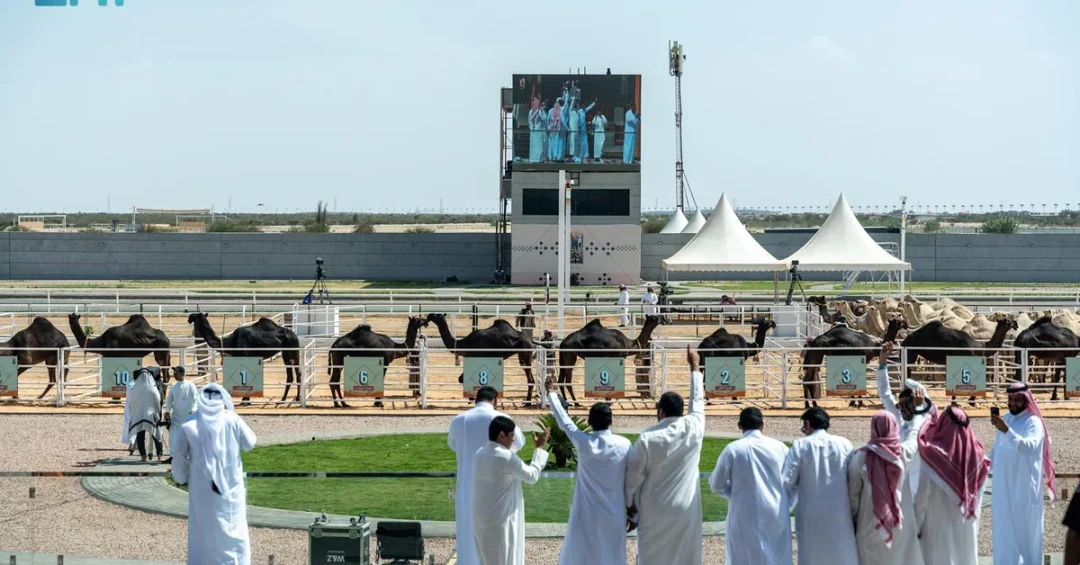
The Camel Avenue Festival in Taif, now in its third edition, has drawn large public attendance and significant participation from investors and camel owners across Saudi Arabia and the Gulf, generating sales exceeding SAR 30 million in its first few days, according to the Saudi Press Agency (SPA). The event, which runs until October 1, showcases the Kingdom’s rich heritage while stimulating economic activity in the camel sector, a key component of Saudi Arabia’s cultural and economic identity.
Context and Background
The Camel Avenue Festival is a celebration of Saudi Arabia’s deep-rooted connection to camels, which have long been a symbol of Bedouin life and heritage. Organized as part of the Kingdom’s efforts to promote cultural tourism and economic diversification, the festival features a range of activities including traditional shows, camel beauty contests, and family-friendly entertainment. This year’s edition has attracted visitors from various regions of Saudi Arabia and the Gulf countries, highlighting its growing regional appeal.
Key Details
The festival’s camel market has emerged as a major economic hub, with over 250 deals concluded daily. Investor Marzouk bin Fawaz Al-Dhiabi reported that auction sales have exceeded SAR 6 million, while transactions between camel owners have surpassed SAR 30 million in recent days. The event also offers a variety of sports and cultural activities that reflect the Kingdom’s heritage, providing entertainment for all segments of society.
Implications and Impact
The significant economic activity at the festival underscores the vibrancy of Saudi Arabia’s camel industry and its potential to contribute to the national economy. The event not only supports local investors and camel owners but also boosts tourism in Taif and surrounding areas. By attracting international visitors, particularly from the Gulf, the festival strengthens regional ties and showcases Saudi Arabia’s rich cultural traditions on a global stage.
Vision 2030 Alignment
The Camel Avenue Festival aligns with Saudi Arabia’s Vision 2030, which aims to diversify income sources and boost investments in the camel sector as part of broader economic reforms. By promoting heritage tourism and supporting traditional industries, the festival contributes to the Kingdom’s goals of enhancing cultural pride and creating sustainable economic opportunities. As the event continues to grow, it exemplifies how Saudi Arabia is leveraging its unique heritage to drive modern development.
20 Questions
Q1. What is the Camel Avenue Festival?
A1. The Camel Avenue Festival is an annual event in Taif, Saudi Arabia, celebrating camel heritage with entertainment, cultural activities, and a bustling camel market. It aims to promote Saudi traditions and economic growth.
Q2. Where is the festival held?
A2. The festival takes place in Taif, a city in western Saudi Arabia known for its moderate climate and cultural significance. It attracts visitors from across the Kingdom and Gulf countries.
Q3. How many editions of the festival have there been?
A3. The current event is the third edition of the Camel Avenue Festival, building on the success of previous years and expanding its reach and activities.
Q4. What is the duration of the festival?
A4. The festival runs until October 1, offering visitors ample time to enjoy its various attractions, including traditional shows and the camel market.
Q5. What economic impact has the festival had?
A5. Sales at the festival have exceeded SAR 30 million in the first few days, with over 250 daily deals in the camel market, demonstrating its significant economic contribution.
Q6. Who is Marzouk bin Fawaz Al-Dhiabi?
A6. Marzouk bin Fawaz Al-Dhiabi is an investor at the festival who reported that auction sales have exceeded SAR 6 million and overall deals have surpassed SAR 30 million.
Q7. What activities are featured at the festival?
A7. The festival includes traditional Bedouin shows, camel beauty contests, children’s activities, sports events, and cultural performances that reflect Saudi heritage.
Q8. How does the festival support Vision 2030?
A8. It aligns with Vision 2030 by diversifying income sources, boosting investments in the camel sector, and promoting heritage tourism as part of Saudi Arabia’s economic reforms.
Q9. Which regions are represented at the festival?
A9. Participants and visitors come from various regions of Saudi Arabia and Gulf countries, highlighting the festival’s regional appeal and cultural significance.
Q10. What is the significance of camels in Saudi culture?
A10. Camels are a symbol of Bedouin heritage and a vital part of Saudi Arabia’s cultural and economic identity, representing tradition and resilience.
Q11. How many deals are concluded daily at the camel market?
A11. Over 250 deals are concluded daily at the camel market, indicating robust commercial activity and strong demand for camels.
Q12. What types of entertainment are available for families?
A12. Families can enjoy recreational activities for children, traditional shows, and cultural events that showcase Saudi heritage in a family-friendly environment.
Q13. How does the festival contribute to local tourism?
A13. By attracting visitors from across Saudi Arabia and the Gulf, the festival boosts tourism in Taif, supporting local businesses and enhancing the city’s profile as a cultural destination.
Q14. What is the role of the Saudi Press Agency in reporting the event?
A14. The Saudi Press Agency (SPA) provides official coverage of the festival, highlighting its economic and cultural impact as part of Saudi Arabia’s official news dissemination.
Q15. Are there any international participants?
A15. Yes, investors and camel owners from Gulf countries participate, adding an international dimension and fostering regional cooperation.
Q16. What is the expected turnout for the remaining days?
A16. Expectations are for increased turnout, continued strong economic activity in the camel market, and additional entertainment activities for visitors of all ages.
Q17. How does the festival preserve Saudi heritage?
A17. Through traditional shows, camel beauty contests, and cultural events, the festival keeps Bedouin traditions alive and educates new generations about Saudi heritage.
Q18. What economic sectors benefit from the festival?
A18. The camel industry, tourism, local businesses, and hospitality sectors benefit from the increased activity and visitor spending during the festival.
Q19. Is the festival part of a larger initiative?
A19. Yes, it is part of Saudi Arabia’s broader efforts under Vision 2030 to diversify the economy, promote cultural tourism, and support traditional industries.
Q20. How can one participate in the festival?
A20. Individuals can attend as visitors to enjoy the activities, or as investors and camel owners to participate in the market and competitions. The event is open to the public.
Reader Feedback
We value your thoughts. Please share your feedback on this article.
Your feedback helps us improve our coverage.
Related articles
 UNWTO Chief Praises Saudi Arabia’s 73% Tourism Growth
 Madinah’s Museums Enrich Visitors’ Experience
 WTTC Releases Report on Pandemic’s Impact on Women, Youth in Travel Jobs
 SRSA, ICOMIA Sign MoU to Boost Red Sea Coastal Tourism
 AlUla Skies Festival 2024: Soaring Adventures in Saudi Arabia
 Crimson Sunset Over Al-Aqiq Governorate Captured by SPA