


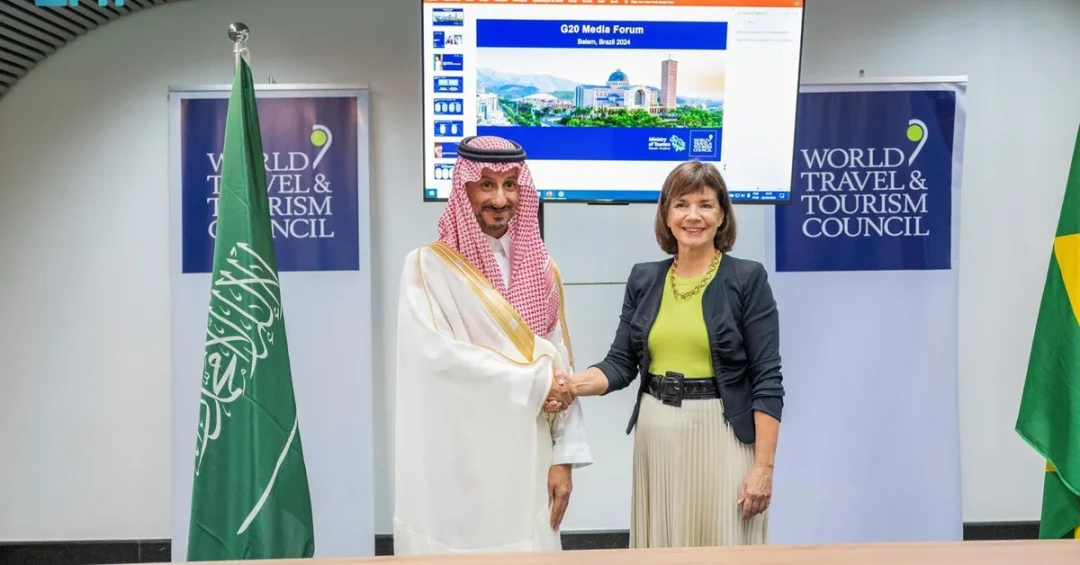
The World Travel & Tourism Council (WTTC), in collaboration with the Saudi Ministry of Tourism, released a new report on September 25, 2024, detailing the pandemic’s severe impact on women and youth employment in the global travel and tourism sector. The report, titled “Social Trends in Travel & Tourism Employment,” reveals that women and young people were disproportionately affected by job losses during the pandemic, and their employment rates have yet to fully recover. The findings underscore the need for targeted efforts to ensure an inclusive and equitable recovery, with Saudi Arabia leading by example through substantial investments in skills development and training.
Context and Background
The COVID-19 pandemic caused unprecedented disruptions worldwide, with the travel and tourism sector among the hardest hit. According to the WTTC report, approximately 70 million people lost their jobs globally due to the pandemic. Women and youth, who often hold positions in hospitality and food services—areas more vulnerable to global disruptions—suffered disproportionately. The report examines employment trends across 185 countries from 2019 to 2022, highlighting the sector’s potential as a driver of economic growth and inclusive social progress.
The WTTC, in partnership with the Saudi Ministry of Tourism, has been at the forefront of analyzing these trends. The collaboration reflects Saudi Arabia’s commitment to fostering a sustainable and inclusive tourism industry, aligning with the Kingdom’s Vision 2030 goals. The report not only sheds light on the challenges but also emphasizes the opportunities to build a more resilient and equitable sector.
Key Details
In 2019, the travel and tourism sector supported 48.4 million women and around 19 million young people globally. By 2022, these numbers had dropped to 42 million women and 16.1 million youth. Despite most countries reopening their borders, women’s employment rates in 2022 remained 13% lower than in 2019—equivalent to 6.4 million jobs—while youth employment saw a 15% decrease, equivalent to 2.8 million jobs.
The report also highlights that while the sector’s contribution to global GDP increased by 29.1% in 2023 compared to pre-pandemic levels, social recovery lags behind. Women and youth are more likely to be in informal, part-time, or low-wage jobs with limited security and advancement opportunities. Furthermore, women remain underrepresented in high-paying and leadership positions, mirroring broader economic gender disparities. Young people also face significant challenges in securing stable employment.
“This report emphasizes the tremendous potential of the travel and tourism sector to drive inclusive growth. However, it also highlights the urgent need for action,” said WTTC President and CEO Julia Simpson. “Women and young people are the backbone of our sector, yet they continue to face significant barriers. By investing in skills development, promoting inclusive policies, and encouraging entrepreneurship, we can unleash the full potential of these groups and ensure our sector leads in creating meaningful and sustainable job opportunities.”
Saudi Minister of Tourism Ahmed Al-Khateeb welcomed the report’s findings and reaffirmed the Kingdom’s commitment to supporting youth and women in the tourism sector. “Saudi Arabia’s Vision 2030 highlights the Kingdom’s dedication to making the travel and tourism sector a key driver of social change,” he said. “In 2024, we have dedicated substantial funds to the tourism sector, including $100 million for skills development and training for workers at all levels, from entry to leadership. Specialized programs will be provided for local guides to gain comprehensive knowledge of our rich history and natural wonders. Additionally, over 50,000 training opportunities have been earmarked for women.”
Al-Khateeb further noted that Saudi women have achieved significant milestones in the tourism sector, with their participation rate reaching 42% in 2024. According to the World Tourism Organization’s definition, Saudi women achieved a participation rate of 46% in sectors related to the visitor journey, and their representation in leadership positions in the Kingdom’s tourism sector reached 22%. These statistics reflect the supportive role of the Saudi government in empowering women across all areas.
Implications and Impact
The WTTC report underscores the urgent need for global action to address the lingering effects of the pandemic on women and youth in the travel and tourism sector. As the sector continues to recover economically, social recovery must be prioritized to ensure that no group is left behind. The findings call for investments in skills development, inclusive policies, and entrepreneurship to create meaningful and sustainable job opportunities for underrepresented groups.
Saudi Arabia’s proactive measures serve as a model for other nations. The Kingdom’s $100 million investment in skills development and training, along with over 50,000 training opportunities for women, demonstrates a tangible commitment to fostering inclusive growth. These efforts not only support the recovery of the tourism sector but also contribute to the broader goals of Vision 2030, which aims to diversify the economy and empower all citizens.
Globally, the report highlights the potential of the travel and tourism sector to drive inclusive social progress. By addressing the barriers faced by women and youth, countries can unlock the full potential of these groups and build a more resilient and equitable industry. The collaboration between the WTTC and the Saudi Ministry of Tourism exemplifies how public-private partnerships can lead to impactful solutions.
Vision 2030 Alignment
Saudi Arabia’s Vision 2030 is a comprehensive blueprint for economic diversification and social reform. The tourism sector is a key pillar of this vision, with the Kingdom aiming to increase its contribution to GDP and create millions of jobs. The WTTC report and Saudi Arabia’s response to its findings are closely aligned with Vision 2030’s objectives, particularly in empowering women and youth.
Under the leadership of Minister Ahmed Al-Khateeb, the Ministry of Tourism has launched numerous initiatives to enhance the sector’s inclusivity. The $100 million fund for skills development and the specialized training programs for women and local guides are direct investments in human capital, ensuring that Saudi citizens are equipped to seize opportunities in the growing tourism industry. The participation rates of Saudi women in tourism—42% overall and 46% in visitor journey sectors—are a testament to the effectiveness of these policies.
As the global travel and tourism sector continues to evolve, Saudi Arabia’s proactive approach and commitment to inclusive growth will not only benefit the Kingdom but also serve as an inspiration for the international community. By prioritizing social recovery alongside economic recovery, Saudi Arabia is paving the way for a more sustainable and equitable future, in line with the aspirations of Vision 2030.
20 Questions
Q1. What is the title of the report released by the WTTC and the Saudi Ministry of Tourism?
A1. The report is titled “Social Trends in Travel & Tourism Employment.” It examines the pandemic’s impact on women and youth employment in the global travel and tourism sector from 2019 to 2022.
Q2. How many people globally lost their jobs in the travel and tourism sector due to the pandemic?
A2. Approximately 70 million people lost their jobs globally in the travel and tourism sector due to the COVID-19 pandemic, as stated in the WTTC report.
Q3. Which groups were disproportionately affected by job losses in the travel and tourism sector?
A3. Women and youth were disproportionately affected, as they often hold jobs in hospitality and food services that are more vulnerable to global disruptions.
Q4. How many women were employed in the travel and tourism sector in 2019 compared to 2022?
A4. In 2019, the sector supported 48.4 million women, but by 2022, that number had dropped to 42 million, a decline of 6.4 million jobs.
Q5. How many young people were employed in the travel and tourism sector in 2019 compared to 2022?
A5. In 2019, around 19 million young people were employed, but by 2022, the number fell to 16.1 million, a decrease of 2.8 million jobs.
Q6. What percentage decrease in women’s employment was recorded in 2022 compared to 2019?
A6. Women’s employment in the travel and tourism sector in 2022 was 13% lower than in 2019, equivalent to a loss of 6.4 million jobs.
Q7. What percentage decrease in youth employment was recorded in 2022 compared to 2019?
A7. Youth employment in the sector saw a 15% decrease in 2022 compared to 2019, equivalent to 2.8 million jobs lost.
Q8. How many countries were examined in the WTTC report?
A8. The report examined employment trends in 185 countries from 2019 to 2022, providing a comprehensive global overview.
Q9. What was the increase in the travel and tourism sector’s contribution to global GDP in 2023?
A9. The sector’s contribution to global GDP increased by 29.1% in 2023 compared to pre-pandemic levels, surpassing the global average, which remains 4.1% lower.
Q10. Who is the President and CEO of the WTTC?
A10. Julia Simpson is the President and CEO of the World Travel & Tourism Council (WTTC). She commented on the report’s findings and the need for action.
Q11. What did Julia Simpson say about women and youth in the travel and tourism sector?
A11. Simpson stated that women and young people are the backbone of the sector but face significant barriers. She called for investments in skills development, inclusive policies, and entrepreneurship to unleash their potential.
Q12. Who is the Saudi Minister of Tourism?
A12. Ahmed Al-Khateeb is the Saudi Minister of Tourism. He welcomed the report and reaffirmed Saudi Arabia’s commitment to supporting youth and women in the tourism sector.
Q13. How much funding has Saudi Arabia dedicated to skills development in the tourism sector in 2024?
A13. Saudi Arabia has dedicated $100 million for skills development and training for workers at all levels, from entry to leadership, in the tourism sector in 2024.
Q14. How many training opportunities have been earmarked for women in Saudi Arabia’s tourism sector?
A14. Over 50,000 training opportunities have been earmarked for women in Saudi Arabia’s tourism sector, as part of efforts to empower and support their career advancement.
Q15. What is the participation rate of Saudi women in the tourism sector in 2024?
A15. The participation rate of Saudi women in the tourism sector reached 42% in 2024, demonstrating significant progress in gender inclusion.
Q16. What is the participation rate of Saudi women in sectors related to the visitor journey?
A16. According to the World Tourism Organization’s definition, Saudi women achieved a participation rate of 46% in sectors related to the visitor journey.
Q17. What percentage of leadership positions in Saudi Arabia’s tourism sector is held by women?
A17. Saudi women hold 22% of leadership positions in the Kingdom’s tourism sector, reflecting the supportive role of the Saudi government in empowering women.
Reader Feedback
We value your thoughts. Please share your feedback on this article.
Your feedback helps us improve our coverage.
Related articles
 SRSA, ICOMIA Sign MoU to Boost Red Sea Coastal Tourism
 AlUla Skies Festival 2024: Soaring Adventures in Saudi Arabia
 Crimson Sunset Over Al-Aqiq Governorate Captured by SPA
 Jeddah: Coastal Charm and Panoramic Views
 Saudi Inbound Visitor Spending Hits SAR92.6 Billion in H1 2024
 Saudi General Aviation Airshow Returns to Riyadh Nov 19-23
Reader Feedback
We value your thoughts. Please share your feedback on this article.
Your feedback helps us improve our coverage.
Related articles
- SRSA, ICOMIA Sign MoU to Boost Red Sea Coastal Tourism
- AlUla Skies Festival 2024: Soaring Adventures in Saudi Arabia
- Crimson Sunset Over Al-Aqiq Governorate Captured by SPA
- Jeddah: Coastal Charm and Panoramic Views
- Saudi Inbound Visitor Spending Hits SAR92.6 Billion in H1 2024
- Saudi General Aviation Airshow Returns to Riyadh Nov 19-23