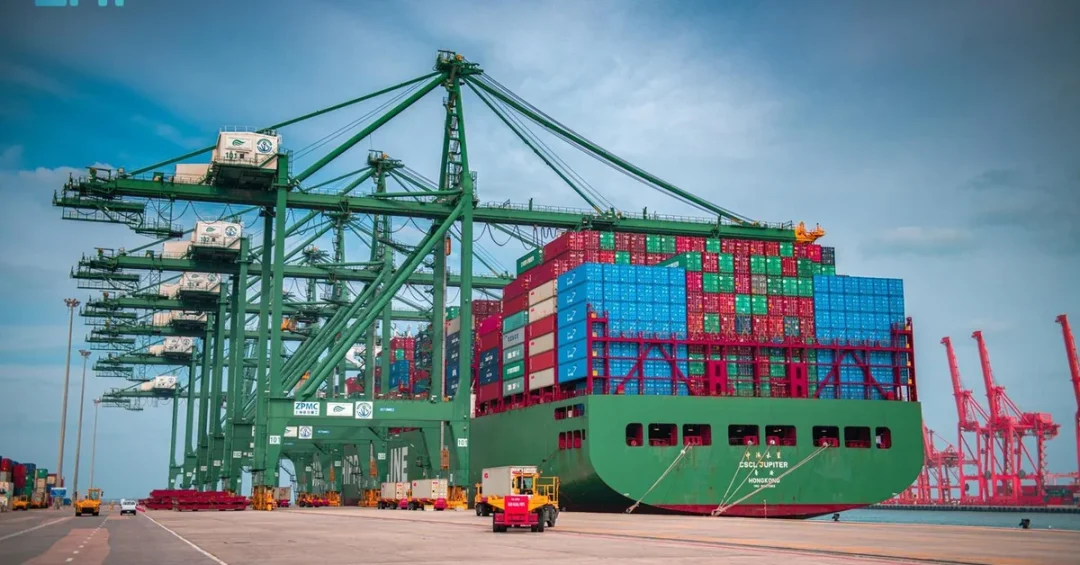
Saudi Arabia is redefining global logistics through a comprehensive transformation led by the Ministry of Transport and Logistic Services, leveraging cutting-edge technologies and strategic infrastructure to solidify its role as a pivotal trade corridor between Asia, Africa, and Europe. According to the Saudi Press Agency (SPA), the Kingdom’s logistics sector is undergoing a remarkable evolution, underscored by a 76% increase in new business registrations in the second quarter of 2024, making it the fastest-growing sector in the country. This momentum is further evidenced by Saudi Arabia’s impressive climb of 17 places in the World Bank’s Logistics Performance Index and its rise to 15th place globally in annual container handling.
Context and Background
Under the visionary leadership of Custodian of the Two Holy Mosques King Salman bin Abdulaziz Al Saud and Crown Prince Mohammed bin Salman, Saudi Arabia has embarked on an ambitious journey to transform its logistics landscape. The National Transport and Logistics Strategy, a cornerstone of Vision 2030, aims to position the Kingdom as a global logistics hub, capitalizing on its unique geographic location at the crossroads of three continents. Assistant Minister of Transport and Logistic Services Ahmed AlHassan emphasized in a recent statement that Saudi Arabia’s strategic location serves as a vital trade corridor, enhancing connectivity and economic integration. The upcoming Global Logistics Forum (GLF), scheduled from October 12 to 14, 2024, in Riyadh, will showcase the Kingdom’s progress and bring together over 100 speakers and 10,000 participants from leading global organizations to address pressing logistics challenges.
Key Details
The transformation of Saudi Arabia’s logistics sector is multifaceted. The Kingdom’s ports have gained international recognition, with three Saudi ports featured in the Lloyd’s List One Hundred Ports 2024, a testament to their growing efficiency and capacity. The civil aviation sector is equally dynamic, highlighted by the Saudia Group’s record-setting purchase of 105 Airbus planes, which will expand connectivity and support the growth of tourism and trade. Investment in logistics infrastructure is surging, with new business registrations jumping by 76% in the second quarter of 2024. The GLF will focus on sustainability, supply chain resilience, workforce advancement, and technology adoption, featuring keynote speeches, dialogue sessions, and bilateral meetings aimed at fostering innovative solutions for the industry’s future.
Implications and Impact
Saudi Arabia’s logistics advancements have far-reaching implications for regional and international trade. By enhancing its ports, airports, and digital infrastructure, the Kingdom is not only improving its own economic competitiveness but also facilitating smoother trade flows between Asia, Africa, and Europe. The integration of advanced technologies and sustainable practices is expected to reduce costs, increase efficiency, and attract further foreign investment. The GLF serves as a platform for global collaboration, enabling Saudi Arabia to share its vision and learn from international best practices. As the Kingdom continues to climb global rankings, its role as a logistics leader will strengthen, contributing to the stability and growth of the global supply chain.
Vision 2030 Alignment
The logistics transformation is a direct reflection of Vision 2030’s objectives to diversify the economy, boost non-oil revenues, and create a thriving private sector. By positioning itself as a global logistics hub, Saudi Arabia is not only enhancing its trade capabilities but also generating employment opportunities and fostering innovation. The National Transport and Logistics Strategy is a key enabler of these goals, ensuring that the Kingdom remains at the forefront of global trade and logistics. As Saudi Arabia continues to invest in sustainable and technologically advanced infrastructure, it is paving the way for a prosperous future, aligned with the aspirations of its leadership and people.
20 Questions
Q1. What is the main goal of Saudi Arabia’s logistics transformation?
A1. The main goal is to solidify the Kingdom’s role as a global logistics hub and trade corridor between Asia, Africa, and Europe, leveraging advanced technologies and sustainable infrastructure under Vision 2030.
Q2. Which ministry is spearheading the logistics transformation?
A2. The Ministry of Transport and Logistic Services is leading the transformation, as stated by Assistant Minister Ahmed AlHassan.
Q3. How much did new business registrations in logistics increase in Q2 2024?
A3. New business registrations increased by 76% in the second quarter of 2024, making logistics the fastest-growing sector in the Kingdom.
Q4. Where did Saudi Arabia rank in the World Bank’s Logistics Performance Index?
A4. Saudi Arabia climbed 17 places in the World Bank’s Logistics Performance Index, reflecting significant improvements in logistics efficiency and infrastructure.
Q5. What is Saudi Arabia’s global rank in annual container handling?
A5. The Kingdom has climbed to 15th place globally in annual container handling, showcasing its growing port capabilities.
Q6. How many Saudi ports were featured in Lloyd’s List One Hundred Ports 2024?
A6. Three Saudi ports were mentioned in the Lloyd’s List One Hundred Ports 2024, highlighting their international competitiveness.
Q7. What major purchase did Saudia Group make recently?
A7. Saudia Group made a record-setting purchase of 105 Airbus planes to expand its fleet and enhance global connectivity.
Q8. When and where is the Global Logistics Forum taking place?
A8. The Global Logistics Forum is scheduled from October 12 to 14, 2024, in Riyadh, under the patronage of King Salman bin Abdulaziz Al Saud.
Q9. How many participants are expected at the Global Logistics Forum?
A9. Over 10,000 participants from leading global organizations are expected to attend the forum.
Q10. What topics will be discussed at the Global Logistics Forum?
A10. Discussions will focus on sustainability, supply chain resilience, workforce advancement, and technology adoption in logistics.
Q11. What is the National Transport and Logistics Strategy?
A11. It is a key initiative under Vision 2030 aimed at positioning Saudi Arabia as a global logistics hub by developing advanced infrastructure and transportation solutions.
Q12. How does Saudi Arabia’s location benefit global trade?
A12. Its strategic location at the intersection of Asia, Africa, and Europe makes it a natural trade corridor, facilitating efficient movement of goods and boosting economic integration.
Q13. What role does technology play in Saudi Arabia’s logistics sector?
A13. Technology is central to enhancing efficiency, sustainability, and connectivity, with investments in smart infrastructure and digital solutions driving the sector’s growth.
Q14. How is the civil aviation sector contributing to logistics?
A14. The civil aviation sector, with Saudia Group’s fleet expansion and airport investments, is improving air cargo capacity and global connectivity.
Q15. What are the expected outcomes of the Global Logistics Forum?
A15. The forum aims to foster innovative, sustainable visions for the industry, facilitate global partnerships, and address pressing logistics challenges.
Q16. How does the logistics transformation align with Vision 2030?
A16. It supports economic diversification, non-oil revenue growth, and private sector development, key pillars of Vision 2030.
Q17. What investment opportunities exist in Saudi Arabia’s logistics sector?
A17. Opportunities include airport development, port expansions, digital infrastructure, and logistics centers, attracting both domestic and foreign investment.
Q18. How does the logistics sector contribute to job creation?
A18. The sector’s growth generates employment across transportation, warehousing, technology, and supply chain management, supporting Vision 2030’s job creation goals.
Q19. What sustainability practices are being adopted in Saudi logistics?
A19. The Kingdom is integrating green technologies, renewable energy, and eco-friendly infrastructure to reduce carbon emissions and promote sustainable operations.
Q20. What is the significance of the Global Logistics Forum for international cooperation?
A20. It serves as a platform for global leaders to collaborate, share best practices, and develop joint solutions, enhancing Saudi Arabia’s role in global logistics governance.
Reader Feedback
We value your thoughts. Please share your feedback on this article.
Your feedback helps us improve our coverage.