


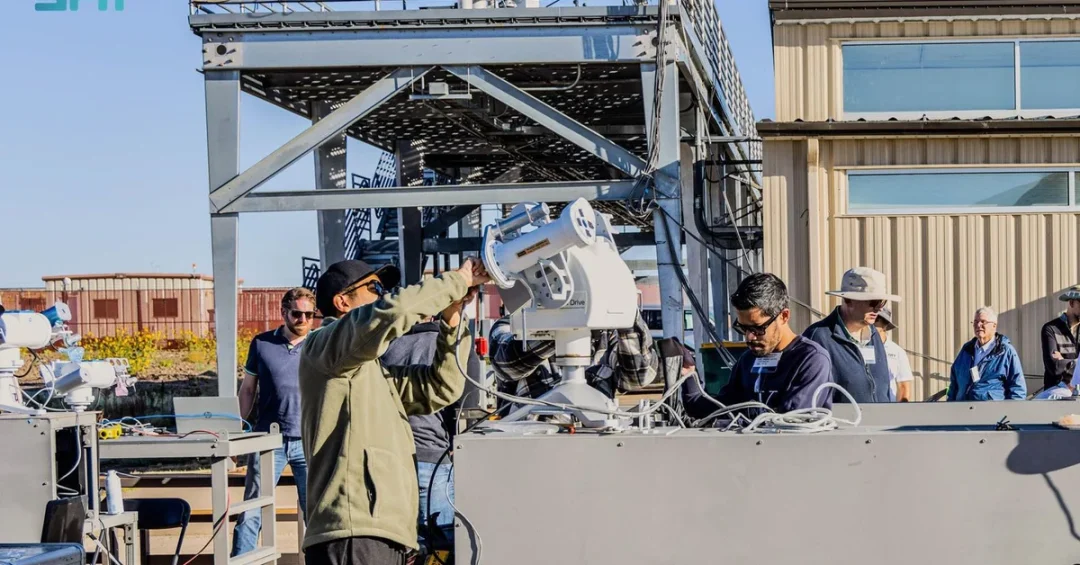
The King Abdullah City for Atomic and Renewable Energy (K.A.CARE) successfully concluded its participation in the annual solar radiation measurement device calibration event held in Denver, Colorado, from September 23 to October 4, 2024. The event, which brought together experts from various countries, aimed to compare and calibrate solar radiation measurement devices to ensure the highest level of accuracy and quality in data collection.
Context and Background
K.A.CARE, a Saudi Arabian institution dedicated to advancing atomic and renewable energy, has a longstanding commitment to ensuring precision in solar radiation measurements. The calibration event, held annually, provides a platform for international collaboration and standardization of measurement devices. By participating in this event, K.A.CARE reinforces its role in promoting sustainable energy and enhancing the reliability of solar data, which is crucial for research, development, and investment in renewable energy technologies.
Key Details
During the event, K.A.CARE’s team worked alongside international experts to calibrate solar radiation measurement devices against global references. This process ensures that the data collected by these devices meets rigorous standards and specifications. The calibrated devices will contribute to the Atlas portal, an initiative by K.A.CARE that provides researchers, students, and stakeholders with access to high-quality solar radiation data through user-friendly charts, graphs, and heat maps. This portal automates data processes, enhancing the efficiency of global measurements and supporting informed decision-making in the renewable energy sector.
Implications and Impact
The calibration of solar radiation measurement devices has significant implications for the accuracy of solar energy assessments, which are essential for planning and implementing solar power projects. Reliable data enables policymakers, investors, and researchers to make informed decisions, thereby accelerating the adoption of renewable energy solutions. K.A.CARE’s participation in this international event underscores Saudi Arabia’s commitment to leading in renewable energy and contributing to global efforts to combat climate change.
Vision 2030 Alignment
This initiative aligns with Saudi Arabia’s Vision 2030, which aims to diversify the economy and reduce dependence on fossil fuels by investing in renewable energy. K.A.CARE’s efforts in ensuring accurate solar measurements support the Kingdom’s goal of generating 50% of its electricity from renewable sources by 2030. By fostering innovation and international cooperation, K.A.CARE is helping to position Saudi Arabia as a global leader in sustainable energy and a hub for renewable energy research and development.
20 Questions
Q1. What is K.A.CARE?
A1. K.A.CARE stands for King Abdullah City for Atomic and Renewable Energy, a Saudi Arabian institution focused on advancing atomic and renewable energy technologies to support sustainable development in the Kingdom.
Q2. What event did K.A.CARE participate in?
A2. K.A.CARE participated in the annual solar radiation measurement device calibration event held in Denver, Colorado, from September 23 to October 4, 2024.
Q3. Why is calibration of solar radiation devices important?
A3. Calibration ensures the accuracy and quality of solar radiation data, which is essential for research, development, and investment in renewable energy projects.
Q4. What is the Atlas portal?
A4. The Atlas portal is an initiative by K.A.CARE that provides access to high-quality solar radiation data through charts, graphs, and heat maps, facilitating use by researchers, students, and stakeholders.
Q5. How does K.A.CARE ensure data accuracy?
A5. K.A.CARE calibrates measurement devices against global references and adheres to rigorous inspection processes to confirm compliance with approved standards and specifications.
Q6. What are the benefits of K.A.CARE’s participation in international events?
A6. Participation strengthens K.A.CARE’s position as a regional and global reference in renewable energy and promotes international collaboration in solar measurements.
Q7. How does this event support Saudi Arabia’s Vision 2030?
A7. It supports Vision 2030 by advancing renewable energy, diversifying the economy, and reducing dependence on fossil fuels, aligning with the goal of generating 50% of electricity from renewables by 2030.
Q8. What is the significance of solar radiation data?
A8. Solar radiation data is crucial for assessing solar energy potential, planning solar power projects, and making informed decisions for sustainable energy development.
Q9. Who benefits from the calibrated data?
A9. Researchers, students, policymakers, investors, and other stakeholders benefit from the accurate data provided through the Atlas portal.
Q10. What other international events has K.A.CARE participated in?
A10. K.A.CARE has participated in similar calibration events worldwide in previous years, aiming to ensure adherence to global standards and specifications.
Q11. How does K.A.CARE contribute to sustainable development?
A11. K.A.CARE promotes research and development in advanced energy technologies, focusing on accuracy and quality in global solar energy measurements to support sustainable development.
Q12. What is the role of K.A.CARE in renewable energy?
A12. K.A.CARE plays a pioneering role in sustainable energy, striving for excellence in renewable and atomic energy to support the Kingdom’s sustainable development goals.
Q13. How does the Atlas portal enhance user experience?
A13. The portal automates processes, allowing users to download or view data as charts, graphs, or heat maps, providing the best possible experience.
Q14. What standards are used for calibration?
A14. Devices are calibrated against global references to ensure compliance with approved international standards and specifications.
Q15. Why is international collaboration important in solar measurements?
A15. International collaboration ensures uniformity and accuracy in solar radiation data, which is essential for global renewable energy research and development.
Q16. What is the expected impact of K.A.CARE’s efforts on Saudi Arabia’s energy sector?
A16. It will enhance the reliability of solar data, attract investment, and accelerate the adoption of renewable energy, supporting the Kingdom’s transition to a sustainable energy mix.
Q17. How does K.A.CARE support researchers and students?
A17. By providing accurate and accessible solar radiation data through the Atlas portal, K.A.CARE supports academic research and educational activities.
Q18. What is the frequency of these calibration events?
A18. The event is held annually, providing regular opportunities for countries to calibrate their solar radiation measurement devices.
Q19. What makes K.A.CARE a regional and global reference?
A19. K.A.CARE’s commitment to precision, quality, and international collaboration in renewable energy measurements has established it as a trusted authority in the field.
Q20. How can stakeholders access the calibrated data?
A20. Stakeholders can access the data through the Atlas portal, which offers user-friendly tools for downloading and visualizing solar radiation data.
Reader Feedback
We value your thoughts. Please share your feedback on this article.
Your feedback helps us improve our coverage.
Related articles
 SPA Captures Venus-Moon Conjunction in Rafha Sky
 NASA Space Apps Hackathon Concludes at Al-Baha University
 IMSIU Concludes NASA Space Apps Challenge, Inspiring Innovation
 Third International KSGAAL Conference Kicks Off in Riyadh
 KAUST Gene Discovery Boosts Crop Resistance to Parasitic Weed
 solutions by stc Shines as Digital Enabler at GITEX Global