


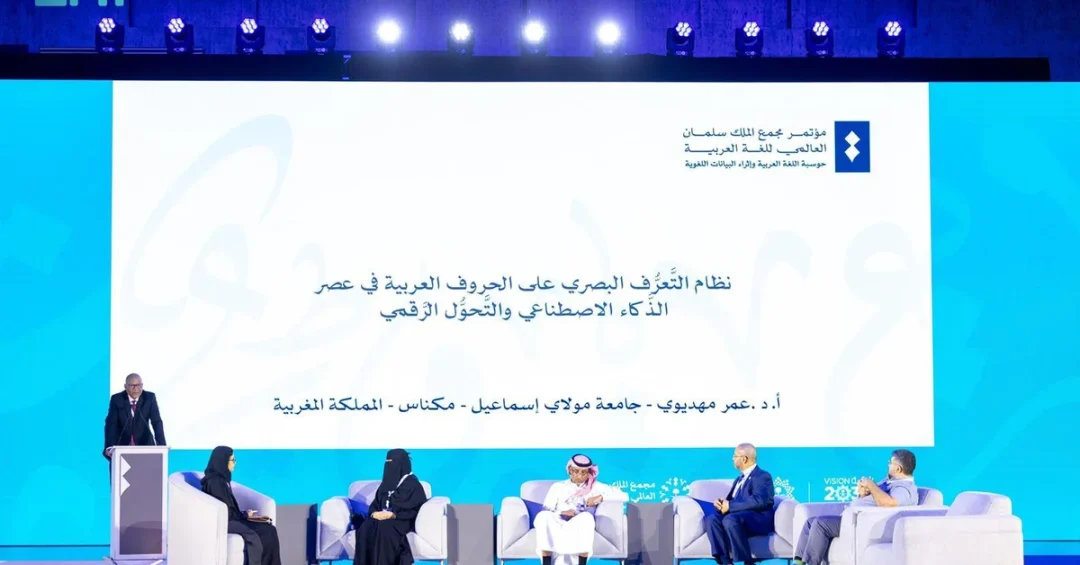
Riyadh, October 6, 2024 — The third annual international conference of the King Salman Global Academy for Arabic Language (KSGAAL) commenced in Riyadh under the theme “Arabic Language Computing and Linguistic Data Enrichment,” bringing together 40 researchers from 22 countries alongside local, regional, and international institutions. The event underscores Saudi Arabia’s commitment to advancing the Arabic language in the digital age, fostering collaboration between computational scientists and linguists, and enhancing artificial intelligence models for Arabic.
Context and Background
The King Salman Global Academy for Arabic Language, established to preserve and promote Arabic globally, organizes this conference annually as part of its mandate to integrate modern technology with linguistic heritage. This third edition focuses on the intersection of Arabic language and computing, reflecting the Kingdom’s broader efforts to lead in technological innovation while safeguarding cultural identity. The participation of 40 researchers from 22 countries highlights the international recognition of KSGAAL’s role in bridging traditional linguistics and cutting-edge digital tools.
Secretary-General of KSGAAL, Dr. Abdullah bin Saleh Al-Washmi, emphasized that languages surviving today are those that transitioned to writing, and those that will thrive for future generations are those integrating with technology and artificial intelligence. His remarks set the tone for the conference, which aims to propel Arabic into a more developed and prosperous future in the digital age.
Key Details
The conference sessions covered a range of topics critical to Arabic language computing, including machine learning, speech-to-text conversion, and automated recognition of scanned texts. These discussions are designed to enhance collaboration between computational scientists and linguists, with a focus on bridging the knowledge gap and enriching Arabic language corpora to improve artificial intelligence models.
Dr. Al-Washmi noted that the conference provides an opportunity for experts from around the world to gather, exchange ideas, and discuss scientific advancements. By facilitating such dialogue, KSGAAL aims to ensure that Arabic not only keeps pace with technological progress but also contributes to it, thereby securing its relevance for future generations.
Implications and Impact
The outcomes of this conference are expected to have far-reaching implications for the global Arabic-speaking community and beyond. Improved Arabic language computing will facilitate better machine translation, voice recognition, and text analysis, which are essential for digital inclusion and accessibility. This, in turn, supports Saudi Arabia’s Vision 2030 goals of diversifying the economy, fostering innovation, and enhancing the Kingdom’s role as a global hub for technology and culture.
Moreover, the collaboration between international researchers and Saudi institutions strengthens diplomatic and academic ties, showcasing the Kingdom’s leadership in cultural diplomacy. As Arabic is spoken by over 400 million people worldwide, advancements in its digital processing have significant potential to impact education, media, and commerce across the region and beyond.
Vision 2030 Alignment
This conference aligns directly with Saudi Arabia’s Vision 2030, which seeks to build a vibrant society, a thriving economy, and an ambitious nation. By investing in Arabic language technology and fostering global partnerships, KSGAAL contributes to the Kingdom’s objectives of promoting cultural heritage, driving digital transformation, and positioning Saudi Arabia as a leader in the Fourth Industrial Revolution. The integration of Arabic with artificial intelligence not only preserves the language but also opens new avenues for economic growth and international cooperation, reinforcing the Kingdom’s forward-looking vision.
20 Questions
Q1. What is the theme of the third annual KSGAAL international conference?
A1. The theme is “Arabic Language Computing and Linguistic Data Enrichment,” focusing on integrating technology and AI with the Arabic language.
Q2. How many researchers are participating in the conference?
A2. A total of 40 researchers from 22 countries are participating, along with local, regional, and international institutions.
Q3. Who is the Secretary-General of KSGAAL?
A3. Dr. Abdullah bin Saleh Al-Washmi serves as the Secretary-General of the King Salman Global Academy for Arabic Language.
Q4. What did Dr. Al-Washmi say about languages that survive?
A4. He noted that languages that have survived to this day are those that transitioned to writing, and future ones will integrate with technology and AI.
Q5. What is the purpose of the conference?
A5. It aims to exchange ideas and discuss scientific advancements to propel Arabic into a more developed and prosperous future in the digital age.
Q6. What topics were covered in the conference sessions?
A6. Sessions covered machine learning, speech-to-text conversion, and automated recognition of scanned texts, among other linguistic computing topics.
Q7. Why is collaboration between computational scientists and linguists important?
A7. It helps bridge the knowledge gap and enrich Arabic language corpora, which improves artificial intelligence models for Arabic.
Q8. How does the conference benefit the Arabic language?
A8. By integrating technology and AI, it ensures Arabic remains relevant and thrives for future generations in the digital age.
Q9. What is the significance of 22 countries participating?
A9. It demonstrates international recognition of KSGAAL’s efforts and fosters global collaboration in Arabic language computing.
Q10. How does this conference align with Vision 2030?
A10. It supports Vision 2030 by promoting innovation, cultural heritage, and digital transformation, positioning Saudi Arabia as a leader in technology.
Q11. What are Arabic language corpora?
A11. They are large collections of Arabic texts used for linguistic research and to train AI models, enhancing language processing accuracy.
Q12. What is the role of KSGAAL?
A12. KSGAAL preserves and promotes Arabic globally, integrating modern technology with linguistic heritage through initiatives like this conference.
Q13. How does speech-to-text conversion help Arabic?
A13. It enables accurate transcription of spoken Arabic, facilitating digital accessibility and improving AI-driven applications like virtual assistants.
Q14. What is automated recognition of scanned texts?
A14. It is a technology that converts scanned Arabic documents into editable digital text, aiding preservation and research.
Q15. Why is machine learning important for Arabic?
A15. Machine learning enhances Arabic language processing, enabling better translation, sentiment analysis, and other AI applications.
Q16. What impact will the conference have on global Arabic speakers?
A16. It will improve digital tools for Arabic, benefiting over 400 million speakers by enhancing accessibility and communication.
Q17. How does Saudi Arabia benefit from hosting this conference?
A17. It reinforces the Kingdom’s leadership in cultural diplomacy and technology, attracting international collaboration and investment.
Q18. What is the expected outcome of the conference?
A18. Enhanced collaboration and advancements in Arabic language computing, leading to better AI models and digital inclusion.
Q19. How does this conference support cultural heritage?
A19. By integrating technology with Arabic, it ensures the language’s preservation and relevance, safeguarding cultural identity for future generations.
Q20. What future initiatives might KSGAAL undertake?
A20. KSGAAL may continue annual conferences, expand research partnerships, and develop more AI tools for Arabic to support Vision 2030 goals.
Reader Feedback
We value your thoughts. Please share your feedback on this article.
Your feedback helps us improve our coverage.
Related articles
 KAUST Gene Discovery Boosts Crop Resistance to Parasitic Weed
 solutions by stc Shines as Digital Enabler at GITEX Global
 Saudi Arabia Showcases Sustainability Innovations at STS Forum
 Interior Ministry Showcases AI Technologies at Saudi Falcons Exhibition
 CST to Unveil Size of Saudi Technology Market
 Tuwaiq Academy, Misk Schools Students Shine in World Robot Olympiad