


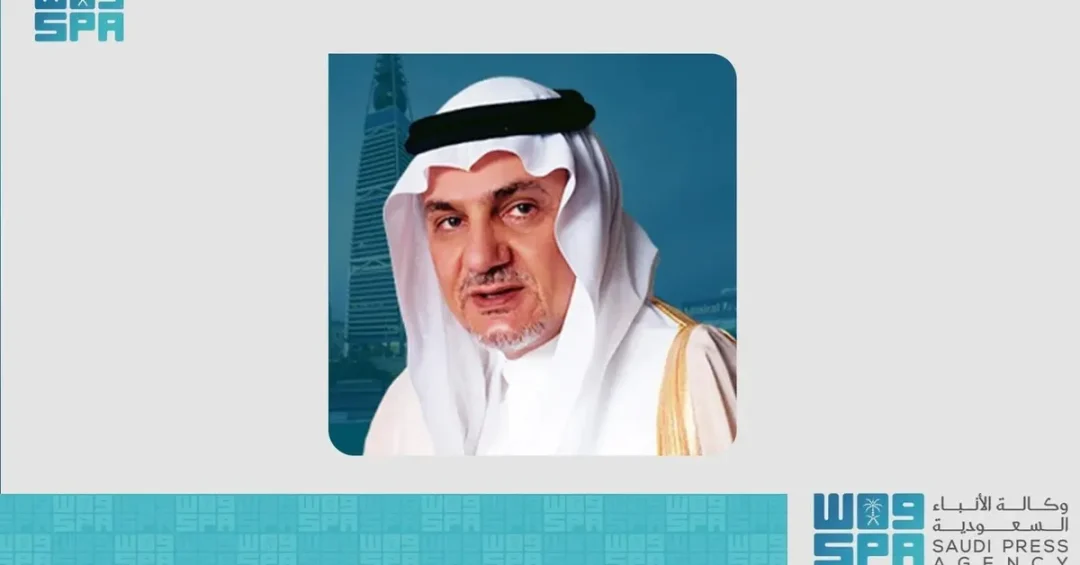
Prince Turki bin Faisal bin Abdulaziz, a senior member of the Saudi royal family and a prominent advocate for cultural diplomacy, declared that Saudi cinema today positions the Kingdom to become a global hub for creativity in film, acting, and cross-cultural exchange. Speaking at the Saudi Film Confex in Riyadh on October 10, 2024, Prince Turki emphasized the transformative power of cinema as a bridge between civilizations, noting that films serve as a window to introduce the world to Saudi culture while also bringing global stories to Saudi audiences. His remarks, carried by the Saudi Press Agency (SPA), underscored the Kingdom’s rapid emergence as a center for cinematic innovation under the ambitious Vision 2030 initiative.
Could the Kingdom’s rich history and rapid modernization be the perfect ingredients for a thriving film industry that resonates globally? Prince Turki’s address at the Confex, attended by Minister of Culture and Film Commission Chairman Prince Badr bin Abdullah bin Farhan and Film Commission CEO Abdullah bin Nasser Al-Qahtani, along with a host of Saudi, Arab, and international artists, producers, and specialists, highlighted the pivotal role of cinema in soft diplomacy. He traced the roots of film accessibility in Saudi Arabia back 50 years to the advent of television, which exposed Saudi society to global cultures and vice versa, affirming the adage that “a picture is worth a thousand words.” This historical perspective sets the stage for the Kingdom’s current cinematic renaissance, driven by leadership support and strategic funding.
Context and Background: The Evolution of Saudi Cinema
How did a nation once known for its conservative approach to entertainment become a rising star in the global film industry? The journey began decades ago when television first brought international films into Saudi homes, sparking a gradual cultural exchange. Prince Turki bin Faisal recalled this era during his session on culture, films, and soft diplomacy, noting how it laid the groundwork for today’s vibrant scene. The Saudi Film Confex, a key event in the Kingdom’s cultural calendar, exemplifies this evolution, bringing together local and international talents to celebrate and advance the industry. Under Vision 2030, launched in 2016 by Crown Prince Mohammed bin Salman, Saudi Arabia has aggressively pursued cultural diversification, with cinema playing a central role in economic and social transformation.
The establishment of the Film Commission in 2019, led by Prince Badr bin Abdullah bin Farhan, marked a turning point, providing infrastructure and funding for filmmakers. Since then, Saudi Arabia has hosted numerous film festivals, opened cinemas after a 35-year hiatus, and encouraged local productions. Prince Turki’s participation in the Confex highlights the royal family’s commitment to this sector. His personal anecdotes, such as producing films about Ibn Battuta and the Hajj nearly 20 years ago with international crews, illustrate a long-standing vision. These early efforts, funded by Saudi businessmen, gained global distribution, proving the Kingdom’s potential to share its narratives worldwide. The Confex thus serves as both a showcase and a catalyst for further growth.
Key Details: Prince Turki’s Insights and Experiences
What drives a seasoned diplomat and royal to champion cinema as a tool for global understanding? Prince Turki bin Faisal shared his favorite film, “Born a King,” which depicts the first journey of King Faisal at age 13 to represent King Abdulaziz at the post-World War I peace conference. Shot extensively in Saudi Arabia with local actors and production teams, the film exemplifies the Kingdom’s ability to tell its own stories authentically. He praised King Abdulaziz’s legacy, suggesting it deserves dozens of narrative films to portray his sacrifices and those of other leaders who shaped the nation. This emphasis on historical storytelling aligns with Vision 2030’s goal of preserving heritage while engaging globally.
Prince Turki also outlined the creative process, stating that a film’s success begins with a compelling idea, followed by funding to bring it to life. He lauded the Kingdom’s leadership for providing unprecedented financial and resource support to producers and creators, opening new horizons for the industry. However, he urged producers not to focus solely on profit but to contribute to society, reinforcing cinema’s role in cultural diplomacy. His remarks at the Confex, attended by a diverse array of artists and specialists, underscored the collaborative spirit driving Saudi cinema. By sharing his experiences, Prince Turki inspired attendees to leverage the Kingdom’s support systems and push creative boundaries.
International and Regional Impact
Can Saudi Arabia’s cinematic ascent reshape the Middle East’s cultural landscape and beyond? Prince Turki’s vision of the Kingdom as a global hub for creativity extends far beyond national borders. By fostering a robust film industry, Saudi Arabia is positioning itself as a cultural leader in the Arab world, attracting international collaborations and showcasing Arab narratives to global audiences. The Confex itself drew participants from across the region and the world, facilitating exchanges that could lead to co-productions and shared projects. This soft power approach enhances Saudi Arabia’s diplomatic ties, as films serve as ambassadors of goodwill and understanding, bridging cultural divides and promoting mutual respect.
Regionally, Saudi cinema’s growth could stimulate economic diversification, creating jobs and attracting tourism. International filmmakers are increasingly eyeing the Kingdom for its diverse landscapes and state-of-the-art facilities, such as those in NEOM and Riyadh. Prince Turki’s mention of Saudi theater, opera, and orchestra performances in London highlights the broader cultural export strategy. These efforts not only elevate the Kingdom’s global image but also contribute to a more nuanced understanding of Saudi society. As Saudi films gain traction at international festivals, they challenge stereotypes and foster dialogue, aligning with the Kingdom’s commitment to global engagement and peace.
Economic and Strategic Significance
What economic dividends can Saudi Arabia expect from its investment in cinema? The film industry is a potent economic driver, with the potential to generate significant revenue through production, distribution, and tourism. Vision 2030 aims to increase the cultural sector’s contribution to GDP, and cinema is a key component. The Film Commission’s initiatives, including funding programs and incentives, are designed to attract both local and foreign investments. By supporting filmmakers, the Kingdom is nurturing a creative economy that can create thousands of jobs, from actors and directors to technicians and support staff. Moreover, successful films can boost tourism by promoting Saudi destinations, as seen with productions like “Born a King.”
Strategically, cinema enhances Saudi Arabia’s soft power, a crucial element in its foreign policy. Prince Turki’s emphasis on films as tools for cultural exchange reflects a broader strategy to build bridges and influence global perceptions positively. As the Kingdom hosts major events like the Saudi Film Confex and participates in international cultural showcases, it strengthens its position as a leader in the creative industries. This strategic investment not only diversifies the economy but also fosters a vibrant society, in line with Vision 2030’s objectives. The support from the highest levels of leadership ensures that cinema remains a priority, driving innovation and global competitiveness.
Vision 2030 Alignment
How does Saudi cinema embody the transformative goals of Vision 2030? Prince Turki bin Faisal’s declaration that Saudi cinema qualifies the Kingdom to be a global hub for creativity directly echoes Vision 2030’s pillars of a vibrant society, a thriving economy, and an ambitious nation. By investing in film, the Kingdom is diversifying its economy away from oil, creating new opportunities for youth, and preserving its rich cultural heritage. The Film Commission’s work, supported by Prince Badr bin Abdullah bin Farhan and Abdullah bin Nasser Al-Qahtani, is integral to this vision, providing grants, training, and infrastructure. As Saudi films gain international acclaim, they showcase the Kingdom’s modernization and openness, attracting tourists and investors alike.
Looking ahead, Saudi Arabia’s cinematic journey is poised for even greater heights. With continued leadership support and a growing pool of talented filmmakers, the Kingdom is set to become a beacon of creativity in the region and beyond. Prince Turki’s hopeful vision of a film industry that serves society and humanity aligns perfectly with Vision 2030’s ultimate aim: to position Saudi Arabia as a global leader. As the Kingdom celebrates its cultural milestones, from theater to opera to film, it invites the world to witness its transformation. The future of Saudi cinema is bright, promising a legacy of storytelling that bridges cultures and inspires generations.
20 Questions
Q1. What event did Prince Turki bin Faisal participate in?
A1. Prince Turki bin Faisal participated in the Saudi Film Confex held in Riyadh on October 10, 2024, where he discussed the role of cinema in cultural exchange and soft diplomacy, emphasizing the Kingdom’s potential as a global creative hub.
Q2. What did Prince Turki bin Faisal say about the role of films in cultural exchange?
A2. He highlighted that films serve as a window to introduce the world to Saudi culture and transmit the civilizations of nations, fostering interaction among people with diverse cultures and promoting mutual understanding and respect.
Q3. Who attended the Saudi Film Confex alongside Prince Turki bin Faisal?
A3. Minister of Culture and Film Commission Chairman Prince Badr bin Abdullah bin Farhan, Film Commission CEO Abdullah bin Nasser Al-Qahtani, and a select group of Saudi, Arab, and international artists, producers, and specialists attended the event.
Q4. What historical reference did Prince Turki make about film accessibility in Saudi Arabia?
A4. He recalled that 50 years ago, television made films accessible in Saudi Arabia, which introduced Saudi society to other cultures and acquainted others with Saudi culture, affirming that a picture is worth a thousand words.
Q5. What was the first film Prince Turki bin Faisal contributed to producing?
A5. Nearly twenty years ago, he contributed to producing a semi-documentary about the great Arab historian Ibn Battuta. It was funded by Saudi money and featured an international crew from Britain and the United States who traveled to the Kingdom.
Q6. What other film was produced in the same year as the Ibn Battuta film?
A6. A film about the Hajj was produced, with several Saudi businessmen contributing to its funding. Both films succeeded in spreading to cinemas worldwide, showcasing the Kingdom’s contributions to serving humanity.
Q7. What is Prince Turki bin Faisal’s favorite film and why?
A7. His favorite is “Born a King,” which depicts King Faisal’s first journey at age 13 to represent King Abdulaziz at the post-World War I peace conference. He loves it for portraying the true image of the Kingdom and its historical figures.
Q8. Where were most scenes of “Born a King” shot?
A8. Most scenes of “Born a King” were shot in Saudi Arabia. It was one of the first narrative films in the Kingdom with Saudi actors and participation of Saudi nationals in production, highlighting local talent and capabilities.
Q9. What did Prince Turki say about King Abdulaziz’s personality?
A9. He commended King Abdulaziz’s personality, stating it deserves dozens of narrative films portraying his sacrifices and deeds, alongside other kings and figures who contributed to shaping the country, to inspire future generations.
Q10. According to Prince Turki, what is the first step towards a film’s success?
A10. The first step is the idea conceived by its creator. The creator then seeks funding, which is key to transforming the creative idea into a film screened on television and in cinemas, emphasizing the importance of visionary concepts.
Q11. How does the Kingdom’s leadership support the film industry?
A11. The leadership has spared no effort to support the field through funds and resources, providing financing to producers and creators. This support opens new horizons and fosters growth in the film industry, aligning with Vision 2030.
Q12. What hope did Prince Turki express for producers?
A12. He hoped producers do not focus solely on profit but contribute to serving society. This approach ensures that films have a positive impact beyond entertainment, promoting cultural and social values globally.
Q13. What did Prince Turki say about Saudi cinema’s potential?
A13. He stated that Saudi cinema today qualifies the Kingdom to become a global hub for creativity in terms of films, acting, and civilizational aspects, reflecting the nation’s growing influence and capabilities in the arts.
Q14. What other cultural advancements did Prince Turki commend?
A14. He commended advancements in Saudi participation in theater, opera, and orchestra performances by music bands, including those recently held in London, showcasing the Kingdom’s cultural diplomacy and global engagement.
Q15. How does cinema serve as soft diplomacy for Saudi Arabia?
A15. Cinema serves as a window to introduce Saudi culture to the world and transmit global civilizations to Saudi audiences, fostering mutual understanding and interaction among diverse cultures, thereby enhancing the Kingdom’s international relations.
Q16. What is the significance of the Saudi Film Confex?
A16. The Saudi Film Confex is a key event that brings together local and international talents to celebrate and advance the film industry. It showcases the Kingdom’s commitment to cultural diversification and economic growth under Vision 2030.
Q17. How does Vision 2030 support the film industry?
A17. Vision 2030 supports the film industry by diversifying the economy, creating jobs, preserving heritage, and fostering a vibrant society. The Film Commission provides grants, training, and infrastructure to nurture filmmakers and attract investments.
Q18. What impact can Saudi cinema have on tourism?
A18. Successful films can boost tourism by promoting Saudi destinations and culture globally. As seen with productions like “Born a King,” films attract visitors interested in exploring the Kingdom’s landscapes and heritage, contributing to economic growth.
Q19. How does Prince Turki’s vision align with Saudi Arabia’s global role?
A19. His vision aligns with Saudi Arabia’s global role by positioning the Kingdom as a leader in creativity and cultural exchange. It enhances soft power, builds bridges with other nations, and showcases the Kingdom’s modernization and openness.
Q20. What future does Prince Turki foresee for Saudi cinema?
A20. He foresees a future where Saudi cinema covers Saudi culture and human culture in general, with wide scope for writers, producers, and directors. He hopes for productions that serve society and inspire global audiences.
Reader Feedback
We value your thoughts. Please share your feedback on this article.
Your feedback helps us improve our coverage.
Related articles
 Experts Outline AI Applications at Saudi Falcons Exhibition
 Saudi Falcons Club, King Saud University Sign MoC
 Red Sea Film Festival Unveils 2024 Arab Shorts Lineup
 Noor Riyadh Launches Art Book in London with Assouline
 Camel Riders Showcase Heritage at Saudi Falcons Exhibition
 Five Winners Announced in Fourth Round of Melwah Racing