


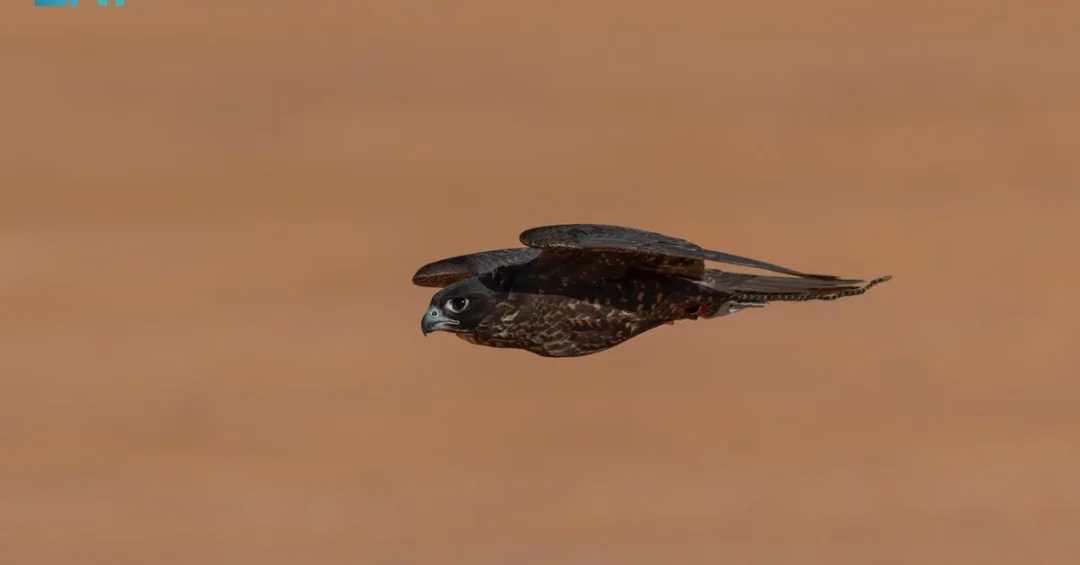
Five participants emerged victorious in the fourth round of the six-day Melwah Racing event, which concluded on October 10, 2024, at the Saudi Falcons Club grounds in Malham, north of Riyadh. The competition, launched on October 7, is held in conjunction with the International Saudi Falcons and Hunting Exhibition, underscoring the Kingdom’s commitment to preserving its rich falconry heritage. The event has drawn widespread attention from enthusiasts and participants across Saudi Arabia, further positioning the country as a global hub for traditional sports and cultural tourism. With each passing round, the excitement builds toward the grand finale, promising a spectacular showcase of skill and tradition.
Have you ever wondered how ancient traditions find new life on the modern stage? The Melwah Racing event offers a resounding answer, blending competitive sport with deep cultural roots. Organized under the patronage of the Saudi Falcons Club, this six-day spectacle not only celebrates the agility and speed of falcons but also highlights Saudi Arabia’s dedication to safeguarding its intangible cultural heritage. As the fourth round concluded, the winners were celebrated for their expertise, and the stage is set for tomorrow’s decisive 200-meter race, which promises even fiercer competition and higher stakes.
Context and Background
Why does an event like Melwah Racing matter in today’s fast-paced world? For centuries, falconry has been a cornerstone of Arabian desert life, symbolizing patience, skill, and a harmonious relationship with nature. The Saudi Falcons Club, a key institution under the Ministry of Culture, has been at the forefront of reviving and promoting this heritage. By hosting the Melwah Racing event alongside the International Saudi Falcons and Hunting Exhibition, the Club ensures that traditional practices are not only preserved but also adapted for contemporary audiences. The exhibition, which runs concurrently, features a wide array of activities, from falcon auctions to educational workshops, attracting thousands of visitors from within the Kingdom and beyond. This dual approach—competitive racing and a comprehensive exhibition—creates a dynamic platform for cultural exchange and economic opportunity.
Moreover, the event is part of a broader national strategy to promote cultural tourism and diversify the economy away from oil dependence, a key pillar of Saudi Vision 2030. By investing in heritage sports, Saudi Arabia taps into a niche yet passionate global community of falconry enthusiasts, generating revenue and fostering international goodwill. The Melwah Racing event, with its six-day duration and substantial prize pool, exemplifies how tradition can be monetized sustainably while preserving authenticity. It also provides a stage for local talent to shine, encouraging youth participation and ensuring the transmission of traditional knowledge to future generations.
Key Details of the Fourth Round
The fourth round, which took place on October 10, saw five winners crowned after intense competition. While the specific names of the winners have not been released, their achievements were celebrated by a large audience of spectators and fellow participants. The race distance for the fourth round was not specified, but the event’s structure ensures varied challenges across the six days. Tomorrow’s round, however, will feature a 200-meter sprint, testing the falcons’ speed and the handlers’ precision. The prize structure is designed to reward excellence at every level: the first-place winner will receive SAR 30,000, the second-place finisher SAR 25,000, and the third-place winner SAR 20,000. Additionally, places four through ten will be awarded SAR 15,000 and SAR 5,000, respectively. This generous prize pool not only motivates participants but also underscores the event’s prestige.
What drives participants to compete at such a high level? Beyond financial incentives, the honor of winning in a traditional sport that dates back to their ancestors is immense. The Melwah Racing event has become a benchmark for excellence in falconry, attracting the most skilled handlers and their prized birds from across the Kingdom. The Saudi Falcons Club has meticulously organized the event to ensure fair play and safety, with veterinary checks and strict rules governing the races. The club’s efforts have not gone unnoticed; participants and spectators alike praise the seamless execution and the vibrant atmosphere that permeates the Malham grounds. As the competition progresses, anticipation builds for the final rounds, where champions will be etched into the annals of Saudi falconry history.
International and Regional Impact
How does a local racing event reverberate on the global stage? The Melwah Racing event, though rooted in Saudi tradition, has significant international implications. Falconry is practiced in over 90 countries, and Saudi Arabia’s leadership in organizing such a high-profile competition reinforces its role as a custodian of this global heritage. The event attracts international participants and spectators, fostering cross-cultural dialogue and showcasing the Kingdom’s capabilities in hosting world-class events. Moreover, the concurrent International Saudi Falcons and Hunting Exhibition serves as a marketplace for falconry equipment, art, and services, drawing exhibitors from around the world. This influx of international visitors stimulates local businesses, from hotels to restaurants, and enhances Saudi Arabia’s image as a welcoming and dynamic destination.
Regionally, the event strengthens ties with neighboring Gulf countries, many of which share a deep-seated tradition of falconry. Competitors from the UAE, Qatar, Kuwait, and Bahrain often participate, turning the event into a friendly yet fierce contest that unites the region under a shared cultural banner. The Saudi Falcons Club has also partnered with regional falconry associations to exchange expertise and promote conservation efforts for endangered falcon species. By positioning itself as a leader in both competitive and conservation aspects, Saudi Arabia contributes to the sustainability of falconry worldwide. This soft power projection aligns with the Kingdom’s broader diplomatic goals, using cultural diplomacy to build bridges and foster mutual respect.
Economic and Strategic Significance
What economic benefits flow from a heritage sports event? The Melwah Racing event is a catalyst for local economic activity. During the six days, Malham becomes a bustling hub, with vendors selling traditional crafts, food, and falconry accessories. The prize money, totaling over SAR 100,000, is injected directly into the local economy, supporting participants and their families. Beyond the immediate spending, the event generates media coverage that promotes Saudi Arabia as a unique tourism destination. This exposure is invaluable as the Kingdom seeks to attract 100 million visitors annually by 2030, as part of Vision 2030. The Saudi Falcons Club’s efforts to document and broadcast the event further amplify its reach, drawing attention from potential tourists and investors.
Strategically, the event supports the diversification of Saudi Arabia’s economy by nurturing a specialized tourism segment. Falconry tourism is a growing niche, appealing to high-spending travelers interested in authentic cultural experiences. By developing infrastructure and expertise around falconry, Saudi Arabia can capture a share of this market, creating jobs and fostering entrepreneurship. Additionally, the event serves as a platform for innovation, with modern technologies such as GPS tracking and drone filming being integrated into traditional practices. This blend of old and new not only enhances the spectator experience but also demonstrates Saudi Arabia’s ability to modernize while preserving its heritage, a narrative that resonates with both domestic and international audiences.
Vision 2030 Alignment
How does the Melwah Racing event embody the aspirations of Saudi Vision 2030? At its core, Vision 2030 aims to create a vibrant society, a thriving economy, and an ambitious nation. The Melwah Racing event contributes to all three. It enriches society by celebrating cultural heritage and providing entertainment, thereby improving quality of life. It boosts the economy by attracting tourism and generating revenue. And it fosters national pride and global engagement, showcasing Saudi Arabia’s ability to host international events. The Saudi Falcons Club’s work aligns with the Vision’s cultural goals, which include preserving and promoting Saudi heritage as a means of strengthening national identity and sharing it with the world.
Furthermore, the event supports the Vision’s objective of increasing non-oil revenue and creating employment opportunities in the tourism and entertainment sectors. As the Kingdom continues to invest in cultural festivals and sporting events, it builds a diversified economy that is resilient and future-proof. The Melwah Racing event is more than a competition; it is a testament to Saudi Arabia’s forward-looking leadership and its commitment to honoring the past while embracing the future. Under the guidance of His Royal Highness Crown Prince Mohammed bin Salman, such initiatives flourish, demonstrating how tradition and modernity can coexist and thrive. As the event concludes, it leaves behind a legacy of excellence and a blueprint for future cultural endeavors that will inspire generations to come.
20 Questions
Q1. What is the Melwah Racing event?
A1. The Melwah Racing event is a traditional falconry competition hosted by the Saudi Falcons Club in Malham, north of Riyadh. It spans six days and is held alongside the International Saudi Falcons and Hunting Exhibition, celebrating Saudi Arabia’s rich heritage.
Q2. When did the fourth round of Melwah Racing conclude?
A2. The fourth round concluded on October 10, 2024, following the event’s commencement on October 7. It featured fierce competition, and five participants emerged victorious, earning recognition and prizes.
Q3. How many winners were announced in the fourth round?
A3. Five winners were announced in the fourth round. These participants demonstrated exceptional skill in handling their falcons, securing top honors and contributing to the event’s growing prestige.
Q4. What is the distance for tomorrow’s round?
A4. Tomorrow’s round will take place over a distance of 200 meters. This sprint will test the speed of the falcons and the precision of their handlers, promising an exciting climax to the six-day event.
Q5. What are the prizes for the top three winners?
A5. The first-place winner receives SAR 30,000, the second-place winner receives SAR 25,000, and the third-place winner receives SAR 20,000. These generous prizes reflect the event’s high stakes and prestige.
Q6. What prizes are awarded to places four through ten?
A6. Places four through ten receive SAR 15,000 and SAR 5,000, respectively. This tiered structure ensures that a broad range of participants are rewarded for their efforts and skill.
Q7. Where is the Melwah Racing event held?
A7. The event is held in Malham, north of Riyadh, at the Saudi Falcons Club grounds. This location provides ample space for the races and the concurrent exhibition, accommodating large crowds and participants.
Q8. Who hosts the Melwah Racing event?
A8. The Saudi Falcons Club hosts the event. As a key cultural institution, the Club is dedicated to preserving falconry heritage and promoting it both domestically and internationally.
Q9. What is the International Saudi Falcons and Hunting Exhibition?
A9. The International Saudi Falcons and Hunting Exhibition is a concurrent event that showcases falconry equipment, art, and services. It attracts exhibitors and visitors from around the world, fostering cultural exchange and economic activity.
Q10. Why is falconry important to Saudi culture?
A10. Falconry is a centuries-old tradition in Saudi Arabia, symbolizing patience, skill, and a deep connection to nature. It is an integral part of the Kingdom’s intangible cultural heritage, passed down through generations.
Q11. How does the event support Vision 2030?
A11. The event supports Vision 2030 by promoting cultural tourism, diversifying the economy, and enhancing quality of life. It aligns with the Vision’s goals of preserving heritage and attracting international visitors.
Q12. What economic benefits does the event bring?
A12. The event stimulates local businesses, creates jobs, and generates revenue through tourism and related activities. It also showcases Saudi Arabia as a destination for niche cultural tourism, attracting high-spending travelers.
Q13. Are international participants involved?
A13. Yes, falconry enthusiasts from various countries, especially the Gulf region, participate in the event. Their involvement fosters regional unity and international cooperation in preserving falconry traditions.
Q14. How does the event promote cultural exchange?
A14. By bringing together participants and spectators from different backgrounds, the event facilitates dialogue and mutual respect. It also provides a platform for sharing knowledge about falconry and conservation.
Q15. What role does the Saudi Falcons Club play?
A15. The Saudi Falcons Club organizes and oversees the event, ensuring fair competition and safety. It also works to preserve falconry heritage and promote it as a symbol of Saudi identity.
Q16. What technologies are used in the event?
A16. Modern technologies such as GPS tracking and drone filming are integrated to enhance the spectator experience and ensure accurate race monitoring. This blend of tradition and innovation is a hallmark of the event.
Q17. How does the event contribute to conservation?
A17. The event raises awareness about the importance of falcon conservation. The Saudi Falcons Club collaborates with international organizations to protect endangered species and promote sustainable practices.
Q18. What is the significance of the 200-meter distance?
A18. The 200-meter sprint is a test of speed and agility, showcasing the falcons’ natural abilities. It is a highlight of the event, drawing large crowds and generating excitement.
Q19. How can tourists attend the event?
A19. Tourists can attend by traveling to Malham, north of Riyadh. The event is open to the public, and details are available through the Saudi Falcons Club and official tourism channels.
Q20. What legacy does the event leave?
A20. The event leaves a legacy of cultural pride, economic impact, and international goodwill. It reinforces Saudi Arabia’s role as a leader in heritage preservation and sets a benchmark for future cultural events.
Reader Feedback
We value your thoughts. Please share your feedback on this article.
Your feedback helps us improve our coverage.
Related articles
 AlUla to Host MANN Masterpieces in November
 Al-Manashbia: Traditional Falcon-Hunting Method
 Visually Impaired Craftsman Captivates Visitors with Handmade Falcon Nets
 Dar Unaizah: Preserving Saudi Folklore for Generations
 Saudi Falcons Club Hosts Expert Workshops at Exhibition
 Cultural Development Fund Signs 13 Agreements within Its Financing Program