


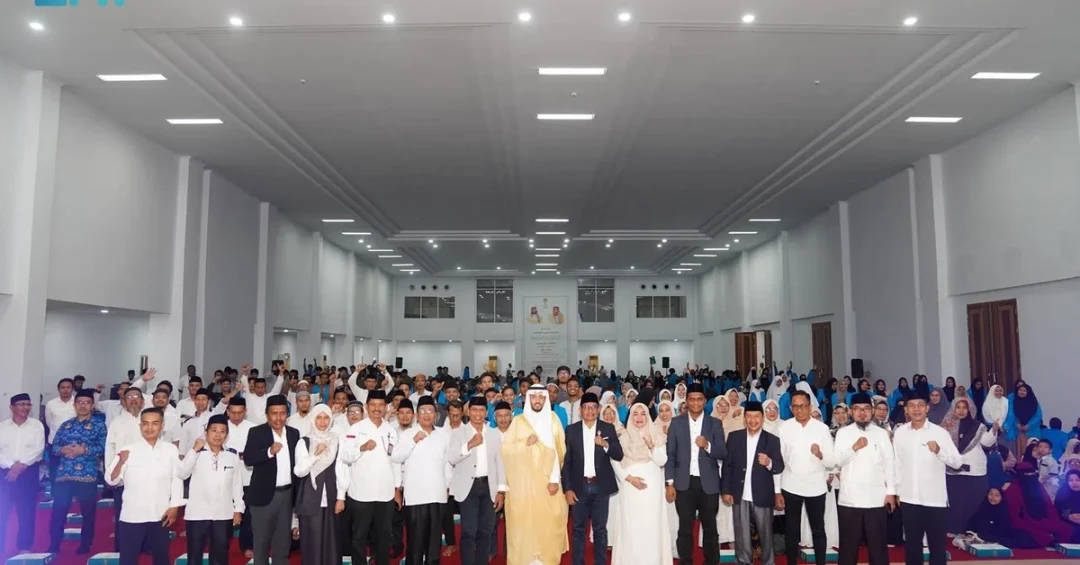
The Ministry of Islamic Affairs, Dawah and Guidance has expanded the Custodian of the Two Holy Mosques’ Iftar Program in Indonesia, distributing Iftar meals to 33,000 beneficiaries across major cities, the Saudi Press Agency reported on March 20, 2025. The initiative, which coincides with the holy month of Ramadan, underscores Saudi Arabia’s commitment to fostering solidarity within Muslim communities worldwide and reflects the Kingdom’s leadership in serving Muslims globally. Have you ever considered how such a simple act of sharing a meal can strengthen bonds between nations?
The program is part of a broader effort by the Kingdom to support Muslims during Ramadan, providing nutritious meals to those in need. Indonesia, home to the world’s largest Muslim population, is a key partner in these efforts. The distribution took place in several major cities, ensuring that thousands of families could break their fast with dignity. This initiative not only addresses immediate nutritional needs but also symbolizes the enduring friendship between Saudi Arabia and Indonesia. How does such generosity impact the daily lives of recipients?
Context and Background
The Custodian of the Two Holy Mosques’ Iftar Program is an annual initiative that operates during Ramadan, the ninth month of the Islamic calendar, when Muslims fast from dawn to sunset. The program is supervised by the Ministry of Islamic Affairs, Dawah and Guidance, which coordinates with local authorities and Islamic organizations in host countries to ensure efficient distribution. In Indonesia, the ministry partnered with local mosques and charities to reach beneficiaries in Jakarta, Surabaya, Bandung, and other urban centers. This year’s expansion to 33,000 meals marks a significant increase from previous years, highlighting the Kingdom’s growing commitment to global humanitarian outreach. Isn’t it inspiring to see how a religious obligation can translate into tangible support for communities?
Saudi Arabia has long been a leader in serving Muslims worldwide, particularly during Ramadan and Hajj. The Iftar program is one of many initiatives that demonstrate the Kingdom’s dedication to Islamic solidarity. It also aligns with the broader objectives of Saudi Vision 2030, which emphasizes humanitarian aid and international cooperation as pillars of the Kingdom’s foreign policy. By supporting Muslims in Indonesia, Saudi Arabia reinforces its role as a custodian of Islam’s holiest sites and a benefactor to the global Muslim community. What drives a nation to extend such generosity beyond its borders? The answer lies in a deep sense of religious duty and a commitment to shared prosperity.
Key Details
The distribution in Indonesia targeted 33,000 beneficiaries, providing them with complete Iftar meals to break their fast. The meals were prepared according to local tastes and dietary preferences, ensuring cultural sensitivity and nutritional balance. The ministry worked closely with the Indonesian Ministry of Religious Affairs and local Islamic councils to identify areas of greatest need. The program not only alleviates hunger but also fosters a sense of community and brotherhood. In many neighborhoods, the Iftar distribution became a communal event, with volunteers and beneficiaries sharing the evening meal together. How does sharing a meal create a sense of unity among diverse groups?
Officials from the Ministry of Islamic Affairs, Dawah and Guidance emphasized that the program is an expression of the Kingdom’s unwavering support for Muslims everywhere. They noted that the initiative is part of a series of Ramadan projects that include Quran distribution, religious lectures, and charitable giving. The ministry’s efforts are funded by the Saudi government and supported by private donors who contribute to the cause. In Indonesia, the program was met with gratitude and appreciation from beneficiaries and local leaders alike. What does this level of coordination say about Saudi Arabia’s organizational capacity? It reflects a well-oiled humanitarian machine that can mobilize resources quickly and effectively.
International and Regional Impact
The expansion of the Iftar program in Indonesia has significant implications for Saudi-Indonesian relations. The two countries share strong diplomatic and economic ties, and initiatives like this deepen people-to-people connections. Indonesia is a key partner in Saudi Arabia’s Look East policy, which seeks to strengthen ties with Asian nations. By providing Iftar meals, the Kingdom demonstrates its soft power and cultural diplomacy. This, in turn, enhances its image as a benevolent global leader. How might such gestures influence public opinion in Indonesia toward Saudi Arabia? They likely foster goodwill and appreciation, paving the way for closer cooperation in other areas.
Regionally, the program contributes to the broader narrative of Islamic solidarity that Saudi Arabia promotes. In a world where Muslims face challenges in various regions, the Kingdom’s consistent support serves as a beacon of hope. It also counters extremist narratives by showcasing moderate, compassionate Islam in action. Other Muslim-majority countries in Southeast Asia, such as Malaysia and Brunei, may look to this program as a model for their own humanitarian efforts. What role does Saudi Arabia play in shaping the global Islamic agenda? Through such initiatives, it sets a positive example of leadership rooted in service.
Economic and Strategic Significance
From an economic perspective, the Iftar program stimulates local economies in Indonesia. The ministry procures food supplies, packaging, and logistics services from local vendors, thereby injecting funds into communities. This creates a multiplier effect, supporting small businesses and creating temporary employment. Additionally, the program strengthens trade ties between Saudi Arabia and Indonesia, as Saudi imports of Indonesian goods may increase in tandem with improved relations. What are the long-term economic benefits of such humanitarian investments? They build trust and open doors for broader economic partnerships, aligning with Vision 2030’s goal of diversifying the Kingdom’s economy.
Strategically, the program enhances Saudi Arabia’s influence in Southeast Asia, a region of growing geopolitical importance. By investing in people, the Kingdom builds a reservoir of goodwill that can be leveraged in diplomatic and economic negotiations. It also counters the influence of other regional powers that may seek to expand their own soft power. Furthermore, the program aligns with Saudi Arabia’s commitment to the Organization of Islamic Cooperation (OIC) and its goals of fostering unity among Muslim nations. How does humanitarian aid translate into strategic advantage? It creates a positive perception that can lead to stronger alliances and mutual support on international platforms.
Vision 2030 Alignment
The Custodian of the Two Holy Mosques’ Iftar Program is a clear reflection of Saudi Vision 2030’s emphasis on humanitarianism and global engagement. Vision 2030 seeks to position Saudi Arabia as a global leader not only in economics and technology but also in moral and religious stewardship. The program embodies the Kingdom’s dedication to serving Islam and Muslims, a core component of its national identity. By extending aid to Indonesia, Saudi Arabia demonstrates that its vision transcends borders and touches lives across continents. Isn’t it remarkable how a national vision can have such a profound international impact?
Looking ahead, the Kingdom plans to expand such programs to more countries, further solidifying its role as a global humanitarian leader. This aligns with Vision 2030’s objective of enhancing Saudi Arabia’s soft power and promoting moderate Islam. Through these efforts, the Kingdom not only fulfills its religious obligations but also builds bridges of understanding and cooperation. The Iftar program in Indonesia is just one example of how Saudi Arabia is working to create a more compassionate and united world. What does the future hold for Saudi humanitarian initiatives? With continued commitment and innovation, they will undoubtedly bring hope and relief to countless people, exemplifying the best of Saudi leadership.
20 Questions
Q1. What is the Custodian of the Two Holy Mosques’ Iftar Program?
A1. The Custodian of the Two Holy Mosques’ Iftar Program is an annual initiative by the Ministry of Islamic Affairs, Dawah and Guidance that provides Iftar meals to Muslims worldwide during Ramadan, fostering solidarity and support.
Q2. How many beneficiaries received meals in Indonesia this year?
A2. In Indonesia, 33,000 beneficiaries received Iftar meals across major cities, marking a significant expansion of the program compared to previous years.
Q3. Which Saudi ministry oversees the Iftar program?
A3. The Ministry of Islamic Affairs, Dawah and Guidance oversees the program, coordinating with local authorities and Islamic organizations in host countries to ensure efficient distribution.
Q4. Why was Indonesia chosen for this initiative?
A4. Indonesia is home to the world’s largest Muslim population, making it a key partner in Saudi Arabia’s efforts to support Muslims globally and strengthen bilateral ties.
Q5. What is the significance of the Iftar program during Ramadan?
A5. The program provides nutritious meals for breaking the fast, alleviating hunger and fostering a sense of community and brotherhood among Muslims during the holy month.
Q6. How does the program reflect Saudi Arabia’s leadership in the Muslim world?
A6. It demonstrates the Kingdom’s commitment to serving Muslims globally, reinforcing its role as a custodian of Islam’s holiest sites and a benefactor to the global Muslim community.
Q7. Which cities in Indonesia received the Iftar meals?
A7. The meals were distributed in major cities including Jakarta, Surabaya, Bandung, and other urban centers, in coordination with local Islamic councils.
Q8. How are the meals prepared and distributed?
A8. Meals are prepared according to local tastes and dietary preferences, ensuring cultural sensitivity. Distribution is carried out by volunteers and local partners to reach those in need efficiently.
Q9. What other Ramadan initiatives does Saudi Arabia undertake?
A9. Besides Iftar meals, the Kingdom distributes Quran copies, organizes religious lectures, and provides charitable giving to support Muslim communities worldwide during Ramadan.
Q10. How does the program align with Saudi Vision 2030?
A10. It reflects Vision 2030’s emphasis on humanitarianism and global engagement, enhancing Saudi Arabia’s soft power and promoting moderate Islam as part of its national identity.
Q11. What impact does the program have on Saudi-Indonesian relations?
A11. It deepens people-to-people connections and strengthens diplomatic ties, supporting Saudi Arabia’s Look East policy and fostering goodwill between the two nations.
Q12. How does the program contribute to Islamic solidarity?
A12. By serving Muslims in need, it showcases the Kingdom’s commitment to Islamic unity and counters extremist narratives by promoting compassion and moderation.
Q13. Who funds the Iftar program?
A13. The program is funded by the Saudi government and supported by private donors who contribute to the cause, ensuring its sustainability and reach.
Q14. What economic benefits does the program bring to Indonesia?
A14. It stimulates local economies by procuring food supplies and services from local vendors, creating temporary employment and supporting small businesses.
Q15. How does the program enhance Saudi Arabia’s soft power?
A15. By providing tangible aid and fostering goodwill, it enhances the Kingdom’s image as a benevolent global leader, building trust and opening doors for broader cooperation.
Q16. Are there similar programs in other countries?
A16. Yes, the Custodian of the Two Holy Mosques’ Iftar Program operates in many countries worldwide, reflecting Saudi Arabia’s global humanitarian outreach during Ramadan.
Q17. What was the reaction of beneficiaries in Indonesia?
A17. Beneficiaries expressed gratitude and appreciation, noting that the meals provided relief and a sense of connection to the global Muslim community.
Q18. How does the program promote moderate Islam?
A18. It exemplifies compassionate and moderate Islamic values in action, countering extremism and showcasing the Kingdom’s commitment to peaceful coexistence and charity.
Q19. What role do local partners play in the distribution?
A19. Local mosques, charities, and Islamic councils help identify areas of need and facilitate distribution, ensuring the program reaches the most vulnerable efficiently.
Q20. What are the future plans for the Iftar program?
A20. Saudi Arabia plans to expand the program to more countries, further solidifying its role as a global humanitarian leader and advancing Vision 2030’s objectives.
Reader Feedback
We value your thoughts. Please share your feedback on this article.
Your feedback helps us improve our coverage.
Related articles
 KSrelief Distributes 102 Food Baskets in Rural Damascus
 Saudi TGA Cracks Down on Foreign Truck Violations
 Arab League Session on Israeli Aggression in Gaza
 Over 320 Million Calls in Makkah, Madinah during Ramadan’s First Half
 KSrelief Distributes 1,500 Food Baskets in Sudan
 5.5-Magnitude Earthquake Strikes South Sandwich Islands