


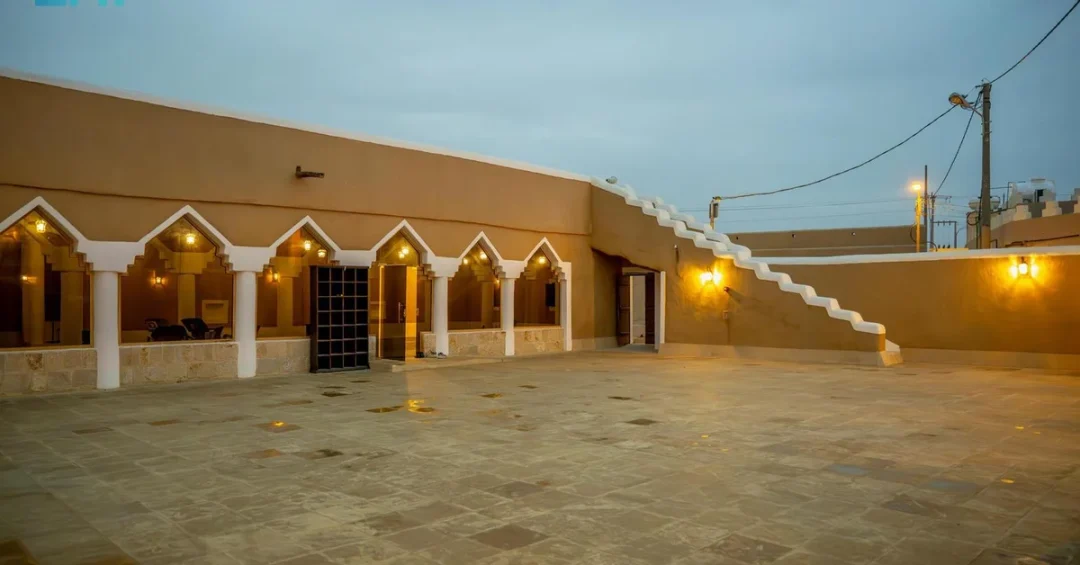
The second phase of the Mohammed bin Salman Project for Developing Historic Mosques is renovating Al-Qalaah Mosque in Hotat Bani Tamim, Riyadh, a structure originally established in 1250 AH, according to an official announcement released via the Saudi Press Agency. The initiative blends traditional Najdi construction methods with modern engineering standards to preserve the mosque’s historic character while ensuring long-term sustainability. Upon completion, Al-Qalaah Mosque will span 625.78 square meters and accommodate up to 180 worshippers, restoring a site of deep religious and cultural significance to active community use.
The renovation is part of a broader national effort that reflects Saudi Arabia’s commitment to safeguarding its architectural heritage while advancing the goals of Vision 2030. How does a project of this scale balance the demands of historical preservation with the needs of modern worship? The answer lies in a carefully managed approach that respects the past while building for the future. The Mohammed bin Salman Project for Developing Historic Mosques, launched under the directives of His Royal Highness Crown Prince Mohammed bin Salman, has become a model for how heritage restoration can serve both cultural and developmental objectives across the Kingdom.
Context and Background
What makes Al-Qalaah Mosque a priority for restoration under this national initiative? The mosque, named after the castle of Imam Turki bin Abdullah that once stood within its premises, holds significant historical value that the project aims to preserve. Imam Turki bin Abdullah, founder of the Second Saudi State, left a legacy that continues to shape the nation’s identity, and the mosque’s association with his era underscores its importance as a living link to Saudi Arabia’s formative years. The structure was built in the Najdi architectural style, using clay as its primary material, with a construction method involving a clay and hay mixture placed in wooden molds to form brick-like structures.
This technique, known for its economic efficiency compared to other construction materials, offers advantages such as resistance to thermal transfer and the ability to maintain a moderate temperature within the building’s interior spaces. It is a testament to the ingenuity of traditional Saudi builders, whose methods anticipated modern sustainable design principles by centuries. The Mohammed bin Salman Project for Developing Historic Mosques recognizes that such techniques are not merely relics of the past but valuable knowledge that can inform contemporary construction practices. Saudi companies specializing in heritage restoration are carrying out the development, ensuring that the work is performed by experts who understand both the historical context and the technical requirements of preserving such structures.
The project’s second phase, of which Al-Qalaah Mosque is a part, encompasses 30 mosques across all 13 regions of the Kingdom. This includes six mosques in Riyadh, five in Makkah, four in Madinah, three in Aseer, two each in the Eastern Region, Al-Jouf, and Jazan, and one each in the Northern Borders, Tabuk, Al-Baha, Najran, Hail, and Qassim. The second phase follows the successful completion of the first, which restored 30 historic mosques across 10 regions. This nationwide scope demonstrates the comprehensive nature of the initiative and its role in uniting communities through shared heritage.
Key Details of the Renovation
How will the renovation of Al-Qalaah Mosque ensure that its historic elements are preserved while meeting modern standards? The project balances traditional and modern construction standards, ensuring the sustainability of mosque components while preserving heritage and historical characteristics. The use of clay and hay mixtures, formed in wooden molds, will be maintained as the primary construction method, but it will be complemented by state-of-the-art techniques to enhance durability and functionality. This harmonious blending of old and new is central to the project’s philosophy, which seeks to avoid the pitfalls of either freezing a building in time or erasing its historical identity.
The mosque’s expansion to 625.78 square meters and its capacity for 180 worshippers reflect a thoughtful approach to accommodating the needs of the local community. Hotat Bani Tamim, located in the Riyadh region, is a community with deep roots in Saudi history, and the restored mosque will serve as a focal point for worship, education, and social gathering. The project’s four strategic objectives include restoring historic mosques for worship, preserving their architectural authenticity, highlighting the Kingdom’s cultural heritage, and enhancing their religious and cultural significance. Each of these objectives is evident in the plans for Al-Qalaah Mosque, from the careful restoration of its Najdi features to the integration of modern amenities that will make it a comfortable and accessible place of worship for generations to come.
The renovation also aligns with the broader goals of the Mohammed bin Salman Project, which was established to document and restore historic mosques throughout the Kingdom. By involving Saudi companies that specialize in heritage restoration, the project supports local expertise and creates economic opportunities within the preservation sector. This approach not only ensures high-quality workmanship but also fosters a sense of national pride and ownership over the Kingdom’s cultural legacy. The project’s emphasis on sustainability is particularly noteworthy, as it demonstrates how traditional building materials and methods can contribute to environmentally responsible development.
International and Regional Impact
What does the restoration of Al-Qalaah Mosque signal to the international community about Saudi Arabia’s cultural priorities? The project serves as a powerful example of how the Kingdom is preserving its heritage while embracing modernization, a message that resonates with global audiences interested in sustainable development and cultural conservation. International observers have noted that Saudi Arabia’s efforts to protect its historic mosques are part of a wider movement within the region to reclaim and celebrate Islamic architectural heritage. By sharing the outcomes of these restoration projects, the Kingdom contributes to a global dialogue on how societies can honor their past while building for the future.
Regionally, the Mohammed bin Salman Project for Developing Historic Mosques reinforces Saudi Arabia’s leadership in the Islamic world. The restoration of mosques in Makkah and Madinah, in particular, underscores the Kingdom’s role as the custodian of Islam’s holiest sites. The project’s reach across all 13 regions demonstrates a commitment to inclusivity, ensuring that communities from the Northern Borders to Jazan benefit from the preservation of their local heritage. This comprehensive approach strengthens national unity and enhances the Kingdom’s standing as a destination for cultural and religious tourism. Visitors from around the world who come to explore Saudi Arabia’s historical sites will find that the restored mosques offer authentic experiences rooted in centuries of tradition.
Economic and Strategic Significance
How does the renovation of historic mosques contribute to Saudi Arabia’s economic and strategic objectives? The project creates jobs in the heritage restoration sector, supports local businesses, and enhances the Kingdom’s tourism offerings. As Saudi Arabia seeks to diversify its economy away from oil dependence, cultural heritage projects play a vital role in attracting visitors and generating revenue. The restoration of Al-Qalaah Mosque and other historic sites adds to the growing portfolio of cultural attractions that make the Kingdom an increasingly appealing destination for international travelers. This aligns with the National Tourism Strategy, which aims to increase the sector’s contribution to GDP and create employment opportunities for Saudi citizens.
Strategically, the project reinforces the social fabric of local communities by providing them with well-maintained places of worship that reflect their history and identity. Mosques have always been more than just buildings in Saudi society; they are centers of community life, education, and spiritual guidance. By restoring these institutions, the project helps to preserve the values and traditions that have sustained Saudi communities for generations. Furthermore, the integration of sustainable building practices into the restoration work supports the Kingdom’s environmental goals, demonstrating that heritage conservation and modern environmental standards can coexist harmoniously.
Vision 2030 Alignment
In what ways does the Mohammed bin Salman Project for Developing Historic Mosques embody the spirit of Vision 2030? The project aligns directly with Vision 2030’s objectives by preserving architectural heritage and integrating it into modern mosque designs. It reflects the Vision’s emphasis on cultural preservation as a cornerstone of national identity, ensuring that rapid modernization does not come at the expense of the Kingdom’s rich history. By restoring historic mosques and making them vibrant centers of worship and community life, the project contributes to the Vision’s goal of enhancing the quality of life for all citizens and residents.
The renovation of Al-Qalaah Mosque is a shining example of how Saudi Arabia is honoring its past while building its future. Under the leadership of Crown Prince Mohammed bin Salman, the Kingdom is demonstrating that progress and tradition can advance together, each strengthening the other. As the second phase of the project continues to restore mosques across the nation, it will leave a lasting legacy of preservation, sustainability, and community empowerment. This initiative not only safeguards the Kingdom’s architectural heritage but also reinforces its global role as a leader in cultural conservation and a model for the harmonious integration of tradition and modernity.
20 Questions
Q1. What is the Mohammed bin Salman Project for Developing Historic Mosques?
A1. It is a national initiative to restore and preserve historic mosques across Saudi Arabia, blending traditional construction methods with modern standards to ensure sustainability while maintaining architectural authenticity. The project is carried out in phases and covers all 13 regions of the Kingdom.
Q2. Which mosque is being renovated in the second phase of the project?
A2. Al-Qalaah Mosque in Hotat Bani Tamim, Riyadh, is being renovated. It was established in 1250 AH and is named after the castle of Imam Turki bin Abdullah that once stood on its premises.
Q3. What is the historical significance of Al-Qalaah Mosque?
A3. The mosque holds significant historical value due to its association with Imam Turki bin Abdullah, founder of the Second Saudi State. Its name reflects the castle that once existed within its premises, linking it to a pivotal era in Saudi history.
Q4. What architectural style is Al-Qalaah Mosque built in?
A4. The mosque is built in the Najdi architectural style, characterized by the use of clay as its primary material. The construction method involves a clay and hay mixture placed in wooden molds to form brick-like structures.
Q5. What are the advantages of the traditional construction method used?
A5. The clay and hay mixture method is economically efficient, resistant to thermal transfer, and helps maintain a moderate temperature inside the building. These benefits make it a sustainable choice that aligns with modern environmental goals.
Q6. How large will Al-Qalaah Mosque be after renovation?
A6. Upon completion, the mosque will cover an area of 625.78 square meters and will be able to accommodate up to 180 worshippers, providing ample space for the local community to gather for prayers and other activities.
Q7. How many mosques are included in the second phase of the project?
A7. The second phase includes 30 mosques across all 13 regions of the Kingdom. This comprises six in Riyadh, five in Makkah, four in Madinah, three in Aseer, two each in Eastern Region, Al-Jouf, and Jazan, and one each in Northern Borders, Tabuk, Al-Baha, Najran, Hail, and Qassim.
Q8. What was achieved in the first phase of the project?
A8. The first phase successfully restored 30 historic mosques across 10 regions of Saudi Arabia. Its completion set the stage for the second phase, which continues the mission of preserving the Kingdom’s architectural and religious heritage.
Q9. Who is carrying out the restoration work?
A9. Saudi companies specializing in heritage restoration are carrying out the development. Their expertise ensures that the work respects historical authenticity while incorporating modern techniques for sustainability and durability.
Q10. What are the four strategic objectives of the project?
A10. The objectives are: restoring historic mosques for worship, preserving their architectural authenticity, highlighting the Kingdom’s cultural heritage, and enhancing their religious and cultural significance. These goals guide all restoration efforts under the initiative.
Q11. How does the project align with Vision 2030?
A11. The project aligns with Vision 2030 by preserving architectural heritage and integrating it into modern mosque designs. It supports the Vision’s cultural and quality-of-life goals, ensuring that modernization respects and celebrates Saudi Arabia’s rich history.
Q12. What is the significance of the mosque’s name, Al-Qalaah?
A12. Al-Qalaah means ‘the castle’ in Arabic, referring to the castle of Imam Turki bin Abdullah that once stood within the mosque’s premises. The name preserves the memory of this historic site and its connection to Saudi leadership.
Q13. How does the project ensure sustainability?
A13. The project balances traditional and modern construction standards to ensure the sustainability of mosque components. It uses eco-friendly materials like clay and integrates modern techniques to enhance longevity while preserving historical characteristics.
Q14. What impact will the project have on local communities?
A14. The restored mosques will serve as vibrant centers of worship, education, and social gathering, strengthening community bonds. The project also creates economic opportunities through heritage restoration work and supports local businesses.
Q15. How does the project contribute to Saudi Arabia’s tourism sector?
A15. By restoring historic mosques, the project adds to the Kingdom’s cultural tourism offerings, attracting visitors interested in heritage and religious sites. This supports the National Tourism Strategy’s goals of economic diversification and job creation.
Q16. What role does the Saudi Press Agency play in reporting on the project?
A16. The Saudi Press Agency (SPA) is the official source for announcements about the project, providing accurate and timely information to the public. Its reports ensure transparency and highlight the Kingdom’s commitment to preserving its heritage.
Q17. Why is preserving historic mosques important for Saudi Arabia’s identity?
A17. Historic mosques are integral to Saudi Arabia’s cultural and religious identity, reflecting centuries of Islamic tradition and architectural ingenuity. Preserving them ensures that future generations remain connected to their heritage and values.
Q18. How does the project support Saudi expertise in heritage restoration?
A18. By contracting Saudi companies that specialize in heritage restoration, the project fosters local expertise and creates jobs. It also promotes the transfer of traditional skills and knowledge to new generations of craftsmen.
Q19. What message does the project send to the international community?
A19. The project demonstrates Saudi Arabia’s commitment to preserving its cultural heritage while pursuing modernization. It showcases the Kingdom as a leader in sustainable development and cultural conservation, enhancing its global standing.
Q20. What is the long-term vision for the Mohammed bin Salman Project?
A20. The long-term vision is to restore historic mosques across all regions, ensuring they remain centers of worship and community life. The project aims to integrate heritage into modern development, aligning with Vision 2030’s goals for a vibrant and culturally rich society.
Reader Feedback
We value your thoughts. Please share your feedback on this article.
Your feedback helps us improve our coverage.
Related articles
 Prophet’s Mosque Hosts 4,000 Mu’takifs from 120 Countries
 Civil Defense Intensifies Ramadan Safety Deployment in Makkah, Madinah
 Crown Prince Congratulates Namibia on Independence Day
 Saudi Ministry Holds Ramadan Iftar Banquet in Nepal
 Over 200,000 Daily Iftar Meals Distributed at Grand Mosque
 Pakistan PM Shehbaz Sharif Performs Umrah in Makkah