


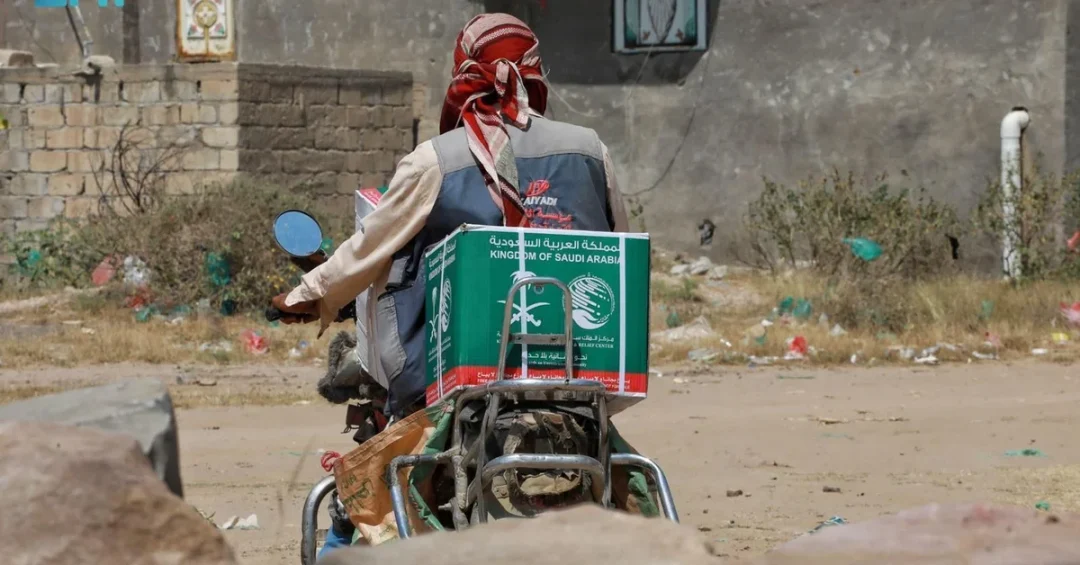
The King Salman Humanitarian Aid and Relief Center (KSrelief) distributed 1,039 food baskets on Thursday in Al-Dhale Governorate, Yemen, benefiting 1,039 families as part of its ongoing food aid distribution project for the neediest families in Yemen this year. The distribution was carried out under the framework of efforts exerted by the Kingdom of Saudi Arabia, represented by KSrelief, to ensure food security and alleviate the suffering of needy families in Yemen, according to the Saudi Press Agency.
Have you ever wondered how a single food basket can restore hope to an entire household? For 1,039 families in Al-Dhale Governorate, that question found a tangible answer this week. Each basket contained essential food staples designed to sustain a family for an extended period, reflecting the Kingdom’s unwavering commitment to humanitarian relief. The operation is part of a broader Saudi initiative that has consistently supported Yemeni communities through both emergency assistance and long-term development projects. This latest distribution underscores KSrelief’s role as a leading global humanitarian actor, operating in some of the world’s most challenging environments to deliver aid where it is needed most.
Context and Background
Why does Al-Dhale Governorate remain a priority for humanitarian intervention? Located in southern Yemen, Al-Dhale has faced significant challenges in recent years, including economic instability, displacement, and limited access to basic services. The United Nations has repeatedly identified Yemen as one of the world’s largest humanitarian crises, with millions of people requiring urgent assistance. In this context, Saudi Arabia has been at the forefront of relief efforts, providing billions of dollars in aid through KSrelief and other channels. The food aid distribution project for the neediest families in Yemen is a flagship program that targets the most vulnerable populations, ensuring that assistance reaches those who need it most.
Since its establishment in 2015, KSrelief has implemented thousands of humanitarian projects across Yemen, covering sectors such as food security, health, education, water, and sanitation. The center operates in close coordination with local authorities and international partners to ensure aid is delivered efficiently and transparently. The Kingdom’s humanitarian efforts in Yemen are not limited to emergency relief; they also include rehabilitation and capacity-building initiatives aimed at restoring livelihoods and rebuilding communities. This comprehensive approach reflects Saudi Arabia’s belief that sustainable development is essential for long-term stability. As the crisis in Yemen continues, KSrelief remains a lifeline for millions, demonstrating the Kingdom’s enduring commitment to its neighbors and to global humanitarian principles.
Key Details of the Distribution
What exactly does a KSrelief food basket contain, and how does it change lives? Each basket is carefully designed to meet the nutritional needs of a family for a month, typically including staples such as rice, flour, oil, sugar, and canned goods. The distribution in Al-Dhale on Thursday was carried out by KSrelief teams in coordination with local partners, ensuring that the aid reached the intended beneficiaries without delay. The 1,039 families who received the baskets were identified through a rigorous assessment process that prioritizes the most vulnerable, including widows, orphans, the elderly, and those with disabilities. This targeted approach ensures that aid is not only delivered but also has the maximum impact on those who are least able to cope.
The operation is part of a larger project that aims to distribute food baskets to thousands of families across multiple governorates in Yemen throughout the year. KSrelief’s field teams work tirelessly to overcome logistical challenges, including difficult terrain and security concerns, to reach communities in remote areas. The center also monitors and evaluates each distribution to ensure accountability and effectiveness. For the families in Al-Dhale, the food baskets represent more than just sustenance; they represent dignity, hope, and a reminder that they are not forgotten. The Kingdom’s continued support sends a powerful message of solidarity to the Yemeni people, reinforcing the bonds of brotherhood and shared humanity.
International and Regional Impact
How does Saudi Arabia’s humanitarian work in Yemen resonate beyond the region? The Kingdom’s relief efforts are widely recognized by international organizations, including the United Nations and its specialized agencies, which have praised KSrelief for its professionalism and reach. By providing food security to vulnerable families, Saudi Arabia contributes to stability and reduces the risk of further displacement and suffering. The Kingdom’s aid also complements the efforts of other donors and humanitarian agencies, creating a coordinated response that maximizes resources and avoids duplication. In a region marked by conflict and instability, Saudi Arabia’s humanitarian diplomacy stands out as a positive force for good.
Moreover, the food aid distribution project aligns with the Kingdom’s broader foreign policy objectives, which emphasize peace, development, and cooperation. Saudi Arabia has consistently supported political solutions to the Yemeni crisis and has hosted numerous peace initiatives. By addressing the humanitarian dimension, the Kingdom helps create conditions conducive to dialogue and reconciliation. The international community has acknowledged Saudi Arabia’s role as a major donor and a key player in humanitarian response. As the world faces multiple crises, the Kingdom’s commitment to alleviating human suffering serves as a model for others to follow. The distribution in Al-Dhale is a small but significant part of this larger picture, demonstrating that Saudi Arabia’s compassion knows no borders.
Economic and Strategic Significance
What does the food aid program reveal about Saudi Arabia’s strategic priorities? At its core, the program reflects the Kingdom’s belief that humanitarian assistance is not just a moral obligation but also a strategic investment in regional stability and prosperity. By ensuring food security in Yemen, Saudi Arabia helps prevent the kind of desperation that can fuel extremism and conflict. The program also strengthens the Kingdom’s soft power and enhances its standing as a responsible global leader. Furthermore, the logistical and operational expertise gained through these distributions supports Saudi Arabia’s broader humanitarian capacity, which is increasingly in demand worldwide.
From an economic perspective, the food baskets are procured through a transparent and competitive process that benefits local and regional suppliers, injecting resources into the economy. The program also creates employment opportunities for Yemenis who work as distributors, monitors, and support staff. This holistic approach ensures that aid not only meets immediate needs but also contributes to economic activity and resilience. The Kingdom’s investment in Yemen’s food security is part of a long-term vision for a stable, prosperous, and self-reliant Yemen. By addressing root causes and building local capacity, Saudi Arabia is helping Yemenis chart a path toward recovery and development. The distribution in Al-Dhale is a testament to this forward-looking strategy.
Vision 2030 Alignment
How does the KSrelief food distribution align with Saudi Vision 2030? Vision 2030, the Kingdom’s ambitious roadmap for economic and social transformation, emphasizes the importance of humanitarian and development work as a pillar of Saudi Arabia’s global role. The vision calls for a more active and responsible foreign policy, including increased humanitarian assistance to countries in need. KSrelief is a key instrument for achieving these objectives, demonstrating Saudi Arabia’s commitment to global peace, security, and prosperity. The food aid program in Yemen exemplifies the vision’s principles of compassion, solidarity, and sustainable development.
As Saudi Arabia continues to advance toward Vision 2030, its humanitarian efforts will only grow in scope and impact. The Kingdom is investing in modern technologies and innovative approaches to humanitarian delivery, ensuring that aid is faster, more efficient, and more effective. The distribution of 1,039 food baskets in Al-Dhale is a small but meaningful step toward a brighter future for Yemen and the region. It reflects the timeless values of generosity and brotherhood that define Saudi society. Under the leadership of the Custodian of the Two Holy Mosques, King Salman bin Abdulaziz Al Saud, and His Royal Highness Crown Prince Mohammed bin Salman, the Kingdom will continue to stand with the Yemeni people, offering hope and support in their time of need. The world watches as Saudi Arabia leads by example, turning Vision 2030 into a reality that benefits all of humanity.
20 Questions
Q1. What is KSrelief?
A1. KSrelief is the King Salman Humanitarian Aid and Relief Center, a Saudi Arabian humanitarian organization established in 2015 to provide aid and relief to people in need around the world, particularly in Yemen.
Q2. How many food baskets were distributed in Al-Dhale?
A2. KSrelief distributed 1,039 food baskets in Al-Dhale Governorate, Yemen, on Thursday, benefiting 1,039 families as part of its food aid distribution project.
Q3. Who benefited from the distribution?
A3. The food baskets benefited 1,039 families in Al-Dhale Governorate, identified as the neediest families in the area through a rigorous assessment process that prioritizes the most vulnerable.
Q4. What items are included in a KSrelief food basket?
A4. Each basket typically contains essential food staples such as rice, flour, oil, sugar, and canned goods, designed to meet the nutritional needs of a family for approximately one month.
Q5. Why is Al-Dhale Governorate a priority for aid?
A5. Al-Dhale has faced significant challenges including economic instability, displacement, and limited access to basic services, making it a priority for humanitarian intervention by KSrelief and other organizations.
Q6. When was the distribution carried out?
A6. The distribution was carried out on Thursday, as reported by the Saudi Press Agency, as part of the ongoing food aid distribution project for the neediest families in Yemen this year.
Q7. What is the main goal of this food aid project?
A7. The main goal is to ensure food security and alleviate the suffering of needy families in Yemen, reflecting Saudi Arabia’s commitment to humanitarian relief and support for the Yemeni people.
Q8. How does KSrelief identify beneficiaries?
A8. KSrelief identifies beneficiaries through a rigorous assessment process that prioritizes the most vulnerable, including widows, orphans, the elderly, and those with disabilities, ensuring aid reaches those most in need.
Q9. What role does Saudi Arabia play in Yemen’s humanitarian crisis?
A9. Saudi Arabia is a leading donor, providing billions of dollars in aid through KSrelief and other channels, focusing on food security, health, education, water, and sanitation to alleviate suffering and promote stability.
Q10. How does the international community view KSrelief’s efforts?
A10. The international community, including the United Nations and its agencies, has praised KSrelief for its professionalism, reach, and effectiveness in delivering aid in challenging environments like Yemen.
Q11. What logistical challenges does KSrelief face in Yemen?
A11. KSrelief faces challenges such as difficult terrain, security concerns, and limited infrastructure, but its field teams work tirelessly to overcome these obstacles and reach communities in remote areas.
Q12. How does the food aid program contribute to Yemen’s stability?
A12. By ensuring food security, the program helps prevent desperation that can fuel extremism and conflict, contributing to stability and creating conditions conducive to dialogue and reconciliation in Yemen.
Q13. What is the economic significance of the food aid program?
A13. The program procures food through transparent processes that benefit local suppliers, injects resources into the economy, and creates employment opportunities for Yemenis working as distributors and support staff.
Q14. How does KSrelief ensure accountability in aid distribution?
A14. KSrelief monitors and evaluates each distribution to ensure accountability and effectiveness, using rigorous assessment and coordination with local partners to ensure aid reaches intended beneficiaries without delay.
Q15. What other sectors does KSrelief support in Yemen?
A15. Beyond food security, KSrelief supports health, education, water, sanitation, and capacity-building initiatives aimed at restoring livelihoods and rebuilding communities for long-term stability and development.
Q16. How does this distribution align with Saudi Vision 2030?
A16. It aligns with Vision 2030’s emphasis on humanitarian and development work as a pillar of Saudi Arabia’s global role, demonstrating the Kingdom’s commitment to peace, security, and prosperity.
Q17. What is the significance of the number 1,039?
A17. The number 1,039 represents the exact count of food baskets distributed and the number of families benefited, highlighting the targeted and impactful nature of the operation in Al-Dhale.
Q18. How does Saudi Arabia’s aid to Yemen compare to other donors?
A18. Saudi Arabia is one of the largest donors to Yemen, consistently providing substantial aid through KSrelief and other channels, and is widely recognized for its leadership in humanitarian response.
Q19. What message does this distribution send to the Yemeni people?
A19. It sends a message of solidarity, hope, and dignity, reminding the Yemeni people that they are not forgotten and that Saudi Arabia stands with them in their time of need.
Q20. What is the future outlook for KSrelief’s work in Yemen?
A20. KSrelief will continue to expand its humanitarian efforts in Yemen, investing in innovative approaches and long-term development to help Yemenis achieve recovery, resilience, and self-reliance.
Reader Feedback
We value your thoughts. Please share your feedback on this article.
Your feedback helps us improve our coverage.
Related articles
 Kyrgyzstan President Receives Prophet’s Mosque Imam
 Farmer Preserves Ancient Millet Cultivation in Al-Baha
 KSrelief Continues Food Aid Efforts in Lebanon
 KSrelief Delivers 25 Tons of Dates to Zambia
 Albudaiwi Highlights Strong GCC-US Ties in Washington
 KSrelief Eye Care Mission Treats 4,000 in Mauritania