


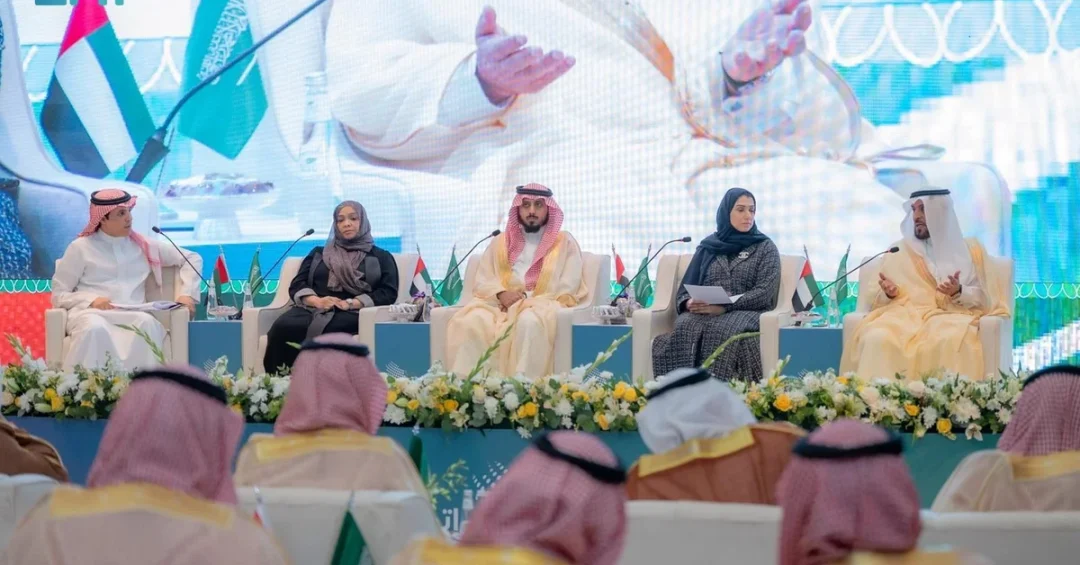
The Federation of Saudi Chambers hosted the third edition of the Saudi-UAE Economic Forum in Riyadh on October 27, 2024, convening more than 400 investors from both nations to deepen economic integration and explore new avenues of cooperation. The high-level gathering, reported by the Saudi Press Agency (SPA), brought together senior officials including Minister of Economy and Planning Faisal Alibrahim, Minister of Industry and Mineral Resources Bandar bin Ibrahim Alkhorayef, and UAE Minister of Economy Abdullah bin Touq Al-Marri, alongside a broad spectrum of business leaders and investors. The forum underscored the enduring strategic partnership between the Kingdom of Saudi Arabia and the United Arab Emirates, two of the region’s most dynamic economies, and highlighted the tangible results of years of coordinated policy and investment. As the two nations continue to align their economic visions, the Riyadh forum served as both a stocktake of achievements and a platform for charting the next phase of collaboration.
Why does this forum matter now, at a time when global supply chains are shifting and regional economies are diversifying? The answer lies in the numbers: bilateral trade between Saudi Arabia and the UAE has surged by 25 percent over the past five years, reaching SAR 113 billion in 2023, up from SAR 90 billion in 2019. Such growth reflects deliberate efforts by both governments to remove barriers, encourage private-sector partnerships, and create a business-friendly environment. The third edition of the forum thus represents a critical checkpoint in a long-term journey toward deeper economic integration, one that aligns closely with Saudi Arabia’s Vision 2030 and the UAE’s own strategic objectives. For international observers, the event signals that the Gulf’s two largest economies are not merely weathering global uncertainty but actively shaping a more interconnected and resilient regional economy.
Context and Background
How did the Saudi-UAE Economic Forum become a cornerstone of bilateral economic diplomacy? Since its inaugural edition, the forum has evolved into a premier platform for public-private dialogue, bringing together ministers, policymakers, and investors to tackle shared challenges and unlock opportunities. The Federation of Saudi Chambers, which organizes the event, plays a pivotal role in representing the Kingdom’s business community and fostering international partnerships. Over the years, the forum has facilitated numerous agreements and memoranda of understanding, spanning sectors from logistics to technology. The third edition builds on this legacy, focusing on trade, tourism, industrial integration, and the digital economy—areas where both nations possess complementary strengths and shared ambitions.
The timing of this year’s forum is particularly significant. It comes as Saudi Arabia accelerates its economic transformation under Vision 2030, the national blueprint launched in 2016 to reduce oil dependence and diversify revenue streams. The UAE, meanwhile, continues to leverage its position as a global trade and logistics hub. Together, the two countries account for a substantial share of Gulf Cooperation Council (GCC) economic activity, and their cooperation sets a precedent for regional integration. The presence of Minister Alibrahim, Minister Alkhorayef, and UAE Minister Al-Marri underscores the political will at the highest levels to translate strategic alignment into concrete business outcomes. As global investors seek stable and high-growth markets, the Saudi-UAE partnership offers a compelling proposition.
Key Details
What specific achievements and initiatives were highlighted at the forum? In his address, Minister of Economy and Planning Faisal Alibrahim emphasized the strategic vision shared by the leaderships of Saudi Arabia and the UAE, noting that collaboration in critical sectors such as trade, tourism, and logistics has yielded impressive results. He pointed to a 25 percent increase in bilateral trade over the past five years, reaching SAR 113 billion in 2023. Alibrahim also highlighted the UAE’s growing foreign direct investment (FDI) in Saudi Arabia, which rose to SAR 110.9 billion by the end of 2023, reflecting a 15 percent year-on-year increase. He credited this growth to recent investment policies designed to strengthen the economic landscape and attract long-term capital.
Minister of Industry and Mineral Resources Bandar bin Ibrahim Alkhorayef echoed these sentiments, stressing that industrial integration is a cornerstone of sustainable development. He noted that Saudi exports to the UAE have grown at an annual rate of over 9 percent since 2018, with exports through June 2024 exceeding SAR 31 billion. Alkhorayef identified promising opportunities for collaboration in the industrial and mining sectors, Fourth Industrial Revolution technologies, and free industrial zones. He also underscored the importance of supporting small and medium enterprises (SMEs) and leveraging digital transformation to advance industry through new technologies and business models. These remarks reflect a shared recognition that future competitiveness depends on innovation, diversification, and cross-border synergies.
The forum also featured a session titled ‘Investment Environment and Promising Opportunities,’ which explored recent achievements, including the issuance of over 30,000 foreign investment licenses in Saudi Arabia last year. Discussions centered on enhancing mutual trade, addressing investment challenges, and advancing the rapidly growing tourism industry led by citizens of both countries. The session provided a platform for investors to share insights on navigating regulatory frameworks and capitalizing on emerging sectors. With tourism emerging as a key growth driver, both nations are keen to facilitate travel, promote cultural exchange, and develop world-class hospitality infrastructure. The forum’s outcomes are expected to inform future policy decisions and business strategies.
International and Regional Impact
How does the Saudi-UAE economic partnership resonate beyond the two countries? For the wider Middle East and North Africa region, the forum demonstrates what can be achieved when neighboring economies align their visions and pool resources. The GCC, which includes Saudi Arabia, the UAE, and four other states, has long sought to deepen economic integration, but progress has often been incremental. The Saudi-UAE forum shows that bilateral initiatives can drive tangible results, potentially serving as a model for broader regional cooperation. As global powers increasingly look to the Gulf for energy security, trade routes, and investment opportunities, a united Saudi-UAE front enhances the region’s collective bargaining power and attractiveness to foreign capital.
On the international stage, the forum sends a clear signal that Saudi Arabia and the UAE are open for business. The presence of over 400 investors from diverse sectors indicates strong appetite for cross-border ventures. For multinational corporations, the message is that the Kingdom and the Emirates offer a stable, reform-oriented environment with access to growing consumer markets and strategic logistics hubs. Moreover, the emphasis on industrial integration and digital transformation aligns with global trends toward supply chain resilience and technological adoption. As the two nations continue to invest in infrastructure, renewable energy, and smart cities, they are positioning themselves as key nodes in the global economy.
Economic and Strategic Significance
What makes the numbers cited at the forum so significant? The 25 percent growth in bilateral trade over five years, reaching SAR 113 billion, reflects not just increased volumes but also a deepening of commercial ties across multiple sectors. The rise in UAE FDI to SAR 110.9 billion by the end of 2023, a 15 percent annual increase, underscores investor confidence in Saudi Arabia’s reform agenda. These figures are particularly impressive given global economic headwinds, including inflationary pressures and geopolitical tensions. They suggest that the Saudi-UAE economic corridor is resilient and capable of generating sustained growth. For Saudi Arabia, FDI is a crucial source of technology transfer, job creation, and export diversification—key objectives of Vision 2030.
Strategically, the forum reinforces the complementarity between the two economies. Saudi Arabia, with its large population, vast natural resources, and ambitious giga-projects, offers scale and long-term demand. The UAE, with its world-class logistics infrastructure, financial services, and business-friendly regulations, provides a gateway to global markets. By integrating their industrial and technological capabilities, the two nations can move up the value chain and reduce reliance on hydrocarbon exports. The focus on SMEs and digital transformation is particularly noteworthy, as these areas are vital for job creation and innovation. As Minister Alkhorayef noted, supporting SMEs and leveraging new technologies will be essential for building a diversified, knowledge-based economy.
Vision 2030 Alignment
How does the Saudi-UAE Economic Forum advance Saudi Arabia’s Vision 2030? At its core, Vision 2030 aims to transform the Kingdom into a diversified, innovation-driven economy with a vibrant private sector. The forum directly supports these goals by facilitating foreign investment, promoting non-oil exports, and fostering industrial integration. The record number of foreign investment licenses issued last year—over 30,000—demonstrates the Kingdom’s success in creating an attractive business environment. The emphasis on tourism, logistics, and Fourth Industrial Revolution technologies aligns with the Vision’s focus on emerging sectors. Moreover, the partnership with the UAE amplifies these efforts, as the Emirates’ expertise in trade and logistics can help Saudi Arabia accelerate its own development.
Looking ahead, the third edition of the Saudi-UAE Economic Forum is not just a one-off event but part of a sustained effort to build a more integrated and prosperous region. The commitments made and connections forged in Riyadh will translate into new joint ventures, investment flows, and knowledge exchange. For international readers, the message is clear: Saudi Arabia and the UAE are shaping the future of the Middle East economy, and their partnership offers a blueprint for others to follow. As the Kingdom continues its journey toward Vision 2030, such forums will remain essential platforms for collaboration, ensuring that the benefits of growth are shared and sustainable. The next edition will be eagerly anticipated, as both nations strive to turn shared vision into enduring prosperity.
20 Questions
Q1. What was the main purpose of the third Saudi-UAE Economic Forum?
A1. The forum aimed to bring together over 400 investors from Saudi Arabia and the UAE to strengthen economic cooperation, explore investment opportunities, and review progress in bilateral trade and industrial integration.
Q2. When and where did the third edition of the forum take place?
A2. The forum was held in Riyadh on October 27, 2024, and was hosted by the Federation of Saudi Chambers, as reported by the Saudi Press Agency.
Q3. Which Saudi ministers attended the forum?
A3. Minister of Economy and Planning Faisal Alibrahim and Minister of Industry and Mineral Resources Bandar bin Ibrahim Alkhorayef represented Saudi Arabia, along with other key officials.
Q4. Who represented the UAE at the forum?
A4. UAE Minister of Economy Abdullah bin Touq Al-Marri led the UAE delegation, underscoring the high-level commitment to bilateral economic ties.
Q5. How much did bilateral trade between Saudi Arabia and the UAE reach in 2023?
A5. Bilateral trade reached SAR 113 billion in 2023, marking a 25 percent increase over the past five years from SAR 90 billion in 2019.
Q6. What was the growth rate of UAE foreign direct investment in Saudi Arabia?
A6. UAE FDI in Saudi Arabia rose to SAR 110.9 billion by the end of 2023, reflecting a 15 percent year-on-year increase, according to Minister Alibrahim.
Q7. What did Minister Alkhorayef say about industrial integration?
A7. He stressed that industrial integration is a cornerstone of sustainable development and highlighted opportunities in mining, Fourth Industrial Revolution technologies, and free industrial zones.
Q8. How have Saudi exports to the UAE performed in recent years?
A8. Saudi exports to the UAE have grown at an annual rate of over 9 percent since 2018, with exports through June 2024 exceeding SAR 31 billion.
Q9. What was the focus of the session titled ‘Investment Environment and Promising Opportunities’?
A9. The session explored recent achievements, including the issuance of over 30,000 foreign investment licenses in Saudi Arabia last year, and discussed enhancing trade and tourism.
Q10. How many foreign investment licenses were issued in Saudi Arabia last year?
A10. More than 30,000 foreign investment licenses were issued in Saudi Arabia last year, reflecting the Kingdom’s growing attractiveness to global investors.
Q11. What sectors were highlighted as key areas for collaboration?
A11. Key sectors included trade, tourism, logistics, industry, mining, Fourth Industrial Revolution technologies, and free industrial zones.
Q12. Why is the tourism industry important to Saudi-UAE economic relations?
A12. Tourism is rapidly growing and is led by citizens of both countries, fostering cultural exchange and creating opportunities for investment in hospitality and related infrastructure.
Q13. How does the forum support small and medium enterprises?
A13. The forum emphasized supporting SMEs through digital transformation and new business models, helping them integrate into regional and global value chains.
Q14. What role does the Federation of Saudi Chambers play in this forum?
A14. The Federation of Saudi Chambers hosts the forum, providing a platform for public-private dialogue and facilitating partnerships between Saudi and UAE businesses.
Q15. How does the forum align with Saudi Arabia’s Vision 2030?
A15. It supports Vision 2030 by promoting foreign investment, non-oil exports, industrial integration, and economic diversification, all central goals of the national transformation plan.
Q16. What are the implications of the forum for regional economic integration?
A16. The forum demonstrates that bilateral initiatives can drive tangible results, potentially serving as a model for broader cooperation within the Gulf Cooperation Council and the wider region.
Q17. What message does the forum send to international investors?
A17. It signals that Saudi Arabia and the UAE are open for business, offering stable, reform-oriented environments with access to growing markets and strategic logistics hubs.
Q18. How does the UAE benefit from increased economic ties with Saudi Arabia?
A18. The UAE gains access to Saudi Arabia’s large market, investment opportunities, and complementary resources, while reinforcing its role as a global trade and logistics hub.
Q19. What are the next steps following the forum?
A19. The connections and commitments made will translate into new joint ventures, investment flows, and knowledge exchange, with both nations continuing to deepen their economic partnership.
Q20. Why is the Saudi-UAE economic partnership important for the global economy?
A20. As two of the region’s largest economies, their cooperation enhances energy security, trade routes, and investment opportunities, contributing to global economic stability and growth.
Reader Feedback
We value your thoughts. Please share your feedback on this article.
Your feedback helps us improve our coverage.
Related articles
 IsDB Joins World Bank Group Talks with Arab Ministers
 GASTAT Releases 2023 Agricultural Statistics Results
 Jazani Jasmine Oil: Saudi Arabia’s Aromatic Breakthrough
 Monsha’at Launches Franchise Door at Biban24 Forum
 Global PropTech Summit Day Two Continues in Riyadh
 Saudi Exports Launches ‘Import from Saudi’ Service