


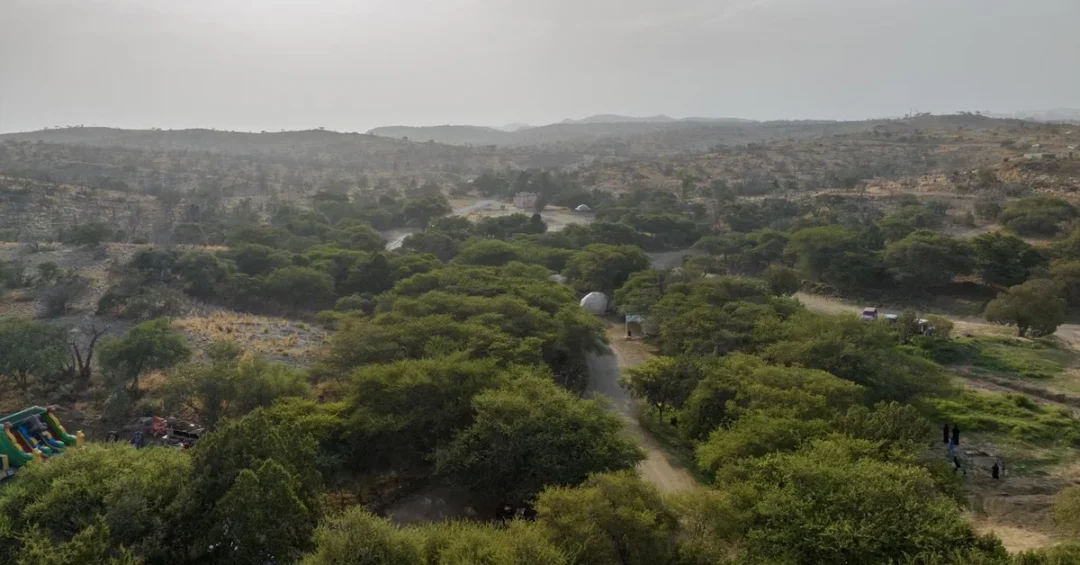
The National Center for Vegetation Cover and Combating Desertification (NCVC) announced on October 28, 2024, that it is now accepting applications for seasonal investment in national parks across the Makkah, Al-Baha, and Hail regions, opening a new chapter in Saudi Arabia’s drive to combine environmental stewardship with economic opportunity. The announcement, issued through the Saudi Press Agency (SPA), invites individuals and companies to submit proposals for a wide range of commercial and recreational activities in some of the Kingdom’s most scenic natural landscapes. The move reflects a broader national effort to transform protected natural areas into vibrant destinations that serve citizens, residents, and international visitors alike.
Could this initiative mark a turning point in how Saudi Arabia’s natural heritage is managed and enjoyed? The NCVC’s invitation is more than a routine administrative notice. It signals that the Kingdom’s environmental agenda is maturing into a platform for entrepreneurship, community development, and sustainable tourism. By opening parks in three distinct regions to private investment, the center is creating pathways for small businesses, local families, and larger operators to participate in the stewardship of the nation’s green spaces. The initiative aligns directly with Saudi Vision 2030, which seeks to diversify the economy, improve quality of life, and position the Kingdom as a global destination for nature-based tourism.
Context and Background
Why has the NCVC chosen this moment to invite seasonal investment in national parks? The answer lies in the Kingdom’s accelerating environmental and economic transformation. The NCVC, a government body tasked with expanding vegetation cover and combating desertification, has spent recent years restoring degraded land, planting millions of trees, and designating protected areas. These efforts are part of the Saudi Green Initiative, which aims to plant 10 billion trees across the country and protect 30 percent of Saudi land and marine areas by 2030. As these natural spaces recover, the next logical step is to make them accessible and attractive to the public.
Seasonal investment allows private operators to offer services such as camping, caravans, restaurants and cafés, temporary sports clubs, and paragliding without the burden of long-term land acquisition. This lowers the barrier to entry for small entrepreneurs and encourages innovation in how visitors experience the outdoors. The NCVC’s decision to focus first on Makkah, Al-Baha, and Hail reflects the geographic and cultural diversity of these regions. Makkah is home to millions of pilgrims and residents, Al-Baha is known for its cool climate and mountainous terrain, and Hail is a gateway to the northern deserts. Each region offers distinct opportunities for investment and visitation.
The timing also reflects Saudi Arabia’s broader push to boost domestic tourism. With the introduction of tourist visas and massive investments in hospitality and infrastructure, the Kingdom is welcoming record numbers of international visitors. National parks are an essential part of that offering, providing a counterpoint to the urban attractions of Riyadh, Jeddah, and NEOM. By inviting seasonal investment, the NCVC is ensuring that these natural assets are not only preserved but also economically productive.
Key Details
What exactly is being offered, and where? In the Makkah region, the NCVC has listed an extensive array of parks open for investment, including Al-Lith National Park (A) and (B), Al-Miftah, the Environmental Park in Al-Jumum, Faj Al-Rumaythi, Al-Buhaita National Park, Khulais National Park, Mount Shamansir, Environmental Campsite No. 1, Qanuna National Park, Wadi Hali, Sari Center in Hamlet, Environmental Campsite No. 2, Wadi Al-Khanq, three sections of Wadi Naaman Al-Daiqa, and Hawiyat Namar. This long list underscores the scale of the opportunity and the variety of landscapes available, from coastal plains to mountain valleys.
In Al-Baha, investors can apply for opportunities in Wadi National Park, Nawan National Park, Al-Aqiq National Park, Wadi Al-Alyb, and Wadi Al-Khitan. These sites are renowned for their lush vegetation, terraced farms, and mild climate, making them ideal for eco-lodges, hiking trails, and family-oriented recreation. In Hail, Mishar National Park is open for investment, offering access to the rugged beauty of the northern region and its rich history.
The NCVC has highlighted specific activities that are eligible for seasonal investment: camping, caravans, restaurants and cafés, temporary sports clubs, and paragliding. These activities are designed to enhance the visitor experience while generating revenue and creating jobs. Interested individuals and entities may submit applications electronically via email at [email protected]. Applications must include the applicant’s name, phone number, the name of the organization (if applicable), the type of proposed activity, and the chosen park. The process is straightforward and designed to be accessible to both small entrepreneurs and larger companies.
International and Regional Impact
How will this initiative resonate beyond Saudi Arabia’s borders? For international audiences, the opening of national parks to investment signals that the Kingdom is serious about becoming a global destination for nature and adventure tourism. The Middle East is increasingly seen as a region of diverse travel experiences, and Saudi Arabia’s parks offer something unique: vast, unspoiled landscapes combined with modern amenities and safety. By inviting foreign and domestic investors, the NCVC is positioning these parks alongside other Vision 2030 tourism projects such as NEOM, the Red Sea Project, and Diriyah.
Regionally, the initiative could spur similar moves in neighboring countries, encouraging a healthy competition in sustainable tourism and conservation. Saudi Arabia’s leadership in environmental restoration, exemplified by the Saudi Green Initiative and the Middle East Green Initiative, is already influencing policy across the region. The NCVC’s investment model could become a template for other nations seeking to balance conservation with economic development. Moreover, the parks in Makkah and Al-Baha are relatively close to major population centers and pilgrimage routes, making them attractive for domestic and religious tourists who wish to extend their stay and explore the Kingdom’s natural beauty.
Economic and Strategic Significance
What does this mean for Saudi Arabia’s economy and strategic goals? The seasonal investment program is a direct contributor to economic diversification. By enabling private sector participation in national parks, the NCVC is fostering a new segment of the tourism economy that is labor-intensive and locally rooted. Jobs created in camping services, food and beverage, sports instruction, and maintenance will benefit citizens in Makkah, Al-Baha, and Hail, regions that have historically relied on government employment and traditional sectors. This aligns with Vision 2030’s goal of increasing household income and reducing unemployment.
Strategically, the initiative strengthens the Kingdom’s food security and environmental resilience. The NCVC’s long-term investment prospects focus on vegetation cover development, tree planting, and conserving natural resources. These activities improve soil quality, reduce dust storms, and enhance biodiversity. A healthier environment supports agriculture, water security, and public health, all of which are pillars of sustainable development. The economic returns from park investments will also help fund ongoing conservation efforts, creating a virtuous cycle. Furthermore, by attracting visitors to these regions, the program supports the growth of small and medium-sized enterprises, which are the backbone of a diversified economy.
Vision 2030 Alignment
How does this initiative fit into the grand tapestry of Saudi Vision 2030? The vision, launched in 2016 by Crown Prince Mohammed bin Salman, aims to transform the Kingdom into a global investment powerhouse and a hub connecting three continents. It also seeks to improve the quality of life for citizens and residents by creating vibrant, healthy communities. The NCVC’s seasonal investment program ticks multiple boxes: it promotes environmental sustainability, stimulates private sector growth, creates jobs, and enhances recreational opportunities. It also supports the vision’s tourism targets, which aim to attract 100 million visitors annually by 2030.
By opening national parks to investment, the NCVC is not just leasing land; it is building a culture of outdoor recreation and environmental stewardship. This shift is essential for a society that is increasingly urban and youthful. The program encourages families to explore their own country, fosters a connection to nature, and provides alternatives to overseas travel. It also showcases Saudi Arabia’s commitment to the United Nations Sustainable Development Goals, particularly those related to life on land, decent work, and economic growth. As the Kingdom continues its journey toward a post-oil future, initiatives like this demonstrate that economic prosperity and environmental protection can go hand in hand. The NCVC’s invitation is an open door for investors and adventurers alike to be part of Saudi Arabia’s green revolution.
20 Questions
Q1. What is the National Center for Vegetation Cover and Combating Desertification (NCVC)?
A1. The NCVC is a Saudi government agency responsible for expanding vegetation cover, combating desertification, and managing national parks. It works to restore degraded land, protect natural resources, and promote sustainable development in line with Saudi Vision 2030.
Q2. What did the NCVC announce on October 28, 2024?
A2. The NCVC announced that it is accepting applications for seasonal investment in national parks across the Makkah, Al-Baha, and Hail regions. The initiative aims to promote environmental, social, and economic sustainability.
Q3. Which regions are included in the seasonal investment program?
A3. The program covers the Makkah, Al-Baha, and Hail regions. Each region offers unique parks and landscapes, from coastal areas in Makkah to mountainous terrain in Al-Baha and northern deserts in Hail.
Q4. What types of activities can investors propose?
A4. Eligible activities include camping, caravans, restaurants and cafés, temporary sports clubs, and paragliding. These activities are designed to enhance visitor experiences while generating revenue and creating jobs.
Q5. How can interested individuals or entities apply?
A5. Applications can be submitted electronically via email to [email protected]. Applicants must provide their name, phone number, organization name (if applicable), type of proposed activity, and the chosen park.
Q6. Name some of the parks open for investment in the Makkah region.
A6. Parks in Makkah include Al-Lith National Park (A) and (B), Al-Miftah, Environmental Park in Al-Jumum, Faj Al-Rumaythi, Al-Buhaita National Park, Khulais National Park, Mount Shamansir, and several others.
Q7. Which parks in Al-Baha are available for investment?
A7. In Al-Baha, investment opportunities are available in Wadi National Park, Nawan National Park, Al-Aqiq National Park, Wadi Al-Alyb, and Wadi Al-Khitan. These areas are known for their greenery and mild climate.
Q8. What is the investment opportunity in Hail?
A8. In Hail, Mishar National Park is open for investment. It offers access to the rugged beauty of the northern region and its rich historical and natural heritage.
Q9. What are the long-term investment prospects offered by NCVC?
A9. Long-term prospects focus on vegetation cover development, tree planting initiatives, conserving natural resources, improving quality of life, and contributing to the national economy. These efforts also create job opportunities for citizens.
Q10. How does this initiative align with Saudi Vision 2030?
A10. It aligns with Vision 2030 by promoting economic diversification, improving quality of life, creating jobs, and supporting sustainable tourism. It also contributes to environmental goals like the Saudi Green Initiative.
Q11. What are the environmental benefits of this program?
A11. The program supports vegetation cover development, tree planting, and natural resource conservation. These activities improve soil quality, reduce dust storms, enhance biodiversity, and contribute to a healthier environment for all.
Q12. Will this program create jobs for Saudi citizens?
A12. Yes, the NCVC emphasizes that these efforts will create new job opportunities for citizens. Seasonal and long-term investments in parks require staff for operations, maintenance, hospitality, and sports activities.
Q13. Can foreign investors apply for these opportunities?
A13. The announcement invites interested individuals and entities, without specifying nationality. Foreign investors may apply, subject to applicable regulations and the NCVC’s evaluation criteria.
Q14. What is the deadline for submitting applications?
A14. The NCVC’s press release does not specify a deadline. Interested parties are encouraged to submit applications promptly via email to [email protected] for consideration.
Q15. How does this initiative support domestic tourism?
A15. By making national parks more accessible and attractive with amenities like campsites and restaurants, the program encourages Saudi residents and citizens to explore their own country, boosting domestic tourism and local economies.
Q16. What role does the NCVC play in combating desertification?
A16. The NCVC leads national efforts to combat desertification through land restoration, tree planting, and sustainable land management. Its work is critical to achieving the Saudi Green Initiative’s goal of planting 10 billion trees.
Q17. Are there any fees or costs associated with applying?
A17. The press release does not mention application fees. However, selected investors will likely be subject to contractual terms, including investment fees or revenue-sharing arrangements, as determined by the NCVC.
Q18. How will the NCVC evaluate applications?
A18. While specific criteria are not detailed, the NCVC will likely assess proposals based on alignment with sustainability goals, feasibility, financial capacity, and potential to enhance visitor experience and local communities.
Q19. What is the significance of including Makkah region parks?
A19. Makkah is a major religious and population center. Opening its parks to investment provides recreational spaces for millions of residents and pilgrims, supporting local economies and promoting environmental awareness in a high-traffic region.
Q20. Where can I find more information about the NCVC and its initiatives?
A20. More information is available through the NCVC’s official channels, including its website and the Saudi Press Agency. Interested parties can also email [email protected] for specific inquiries about the investment program.
Reader Feedback
We value your thoughts. Please share your feedback on this article.
Your feedback helps us improve our coverage.
Related articles
 Tickets on Sale for Riyadh Season’s Wonder Garden
 Saudi Authorities Issue First Nautical Chart for Sindalah
 Shebara Luxury Resort Opens Reservations at The Red Sea
 Saudi Tourism Licenses Surge 99%, Rooms Up 107%
 Winter at Tantora Festival Returns to AlUla This December
 Over 58 Tons of Zamzam Water Distributed at Prophet’s Mosque