


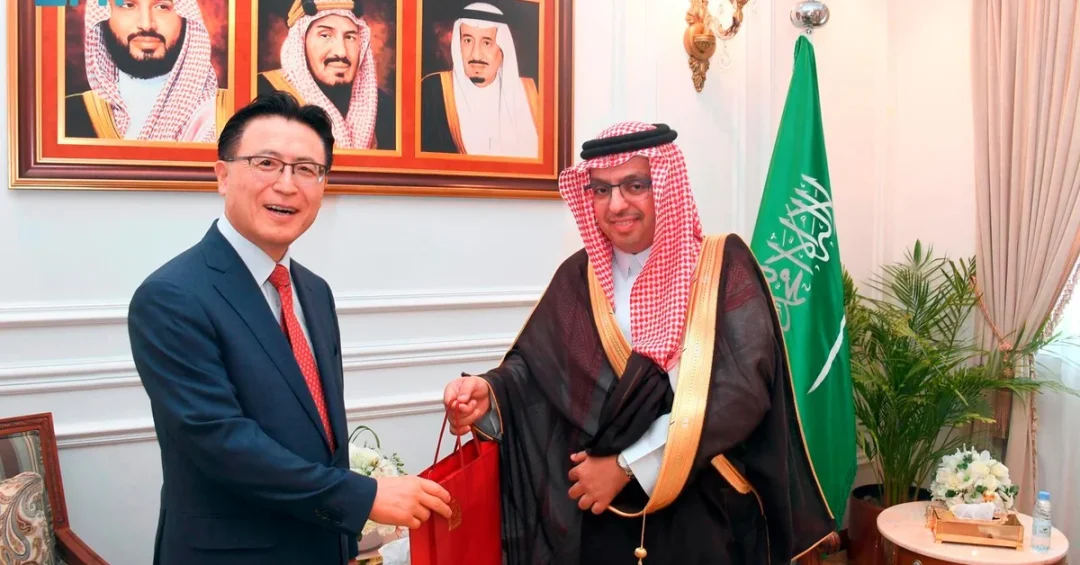
The Director-General of the Ministry of Foreign Affairs branch in the Makkah Region, Fareed bin Saad Al-Shehri, met separately with the Consul General of the Republic of Guinea, Dr. Mohamed Savani, and the Consul General of the Republic of Korea, Woo Hong-koo, in Jeddah, as confirmed by the Saudi Press Agency. The meetings, held on Monday, November 4, 2024, provided a platform for cordial discussions focused on strengthening diplomatic ties and consular cooperation between the Kingdom of Saudi Arabia and the two nations.
Such engagements are a routine yet vital component of Saudi Arabia’s foreign policy architecture, reflecting the Kingdom’s commitment to maintaining open channels of communication with countries across Africa and Asia. The Makkah Region, home to the holy city of Makkah and the diplomatic hub of Jeddah, hosts numerous consulates general, making its foreign ministry branch a key point of contact for international representatives. How does this meeting signal the Kingdom’s broader diplomatic priorities? It underscores Saudi Arabia’s active role in fostering international partnerships under the guidance of the Ministry of Foreign Affairs and in line with Vision 2030’s global engagement goals.
Context and Background
The Ministry of Foreign Affairs branch in the Makkah Region serves as a critical administrative and diplomatic link between the central government in Riyadh and the many consular missions based in Jeddah. Jeddah, as Saudi Arabia’s second-largest city and the historic gateway to the Two Holy Mosques, is a strategic location for consulates general from dozens of countries. The branch, led by Director-General Fareed bin Saad Al-Shehri, oversees protocol, facilitates consular services, and supports the diplomatic community in the region. Why is this branch so important for international relations? Because it ensures that foreign representatives can effectively carry out their duties, from citizen services to trade promotion, while maintaining strong bilateral ties with Saudi authorities.
Guinea and the Republic of Korea represent two distinct but important partners for Saudi Arabia. Guinea, a West African nation rich in natural resources, has longstanding ties with the Kingdom, particularly in the areas of trade, investment, and Islamic solidarity. The Republic of Korea, a global technological and economic powerhouse, shares with Saudi Arabia a robust partnership in energy, infrastructure, and smart city development. Both countries maintain consulates general in Jeddah to serve their citizens and advance bilateral interests. This meeting, therefore, is not merely ceremonial; it is part of a continuous diplomatic dialogue that supports Saudi Arabia’s international cooperation objectives.
The timing of the meeting is significant. It comes as Saudi Arabia continues to expand its global diplomatic footprint, hosting major international events and deepening ties with both African and Asian nations. Under the leadership of the Ministry of Foreign Affairs, headed by His Highness Prince Faisal bin Farhan bin Abdullah, the Kingdom has pursued a proactive foreign policy that emphasizes mutual respect, economic diversification, and cultural exchange. The Makkah branch’s engagement with consuls general is a microcosm of this larger strategy, ensuring that local diplomatic interactions align with national priorities.
Key Details of the Meetings
According to the Saudi Press Agency, Director-General Al-Shehri met first with Dr. Mohamed Savani, Consul General of the Republic of Guinea. The two officials held cordial talks, though specific agenda items were not disclosed. Such meetings typically cover a range of consular and bilateral topics, including the welfare of Guinean citizens in Saudi Arabia, trade opportunities, and cultural cooperation. Guinea is a member of the Organization of Islamic Cooperation, and its ties with Saudi Arabia are rooted in shared Islamic values and development goals. The Kingdom has supported Guinea through various humanitarian and development initiatives, and this meeting likely reinforced those bonds.
Al-Shehri then met with Woo Hong-koo, Consul General of the Republic of Korea. Korea is a key partner for Saudi Arabia in sectors such as energy, construction, and technology. The two officials also engaged in cordial discussions, reflecting the warm relations between Riyadh and Seoul. In recent years, Saudi-Korean relations have flourished, with high-level visits, joint ventures, and cooperation on Vision 2030 projects, including smart cities and renewable energy. The consul general’s role in Jeddah is vital for supporting Korean companies and citizens in the Kingdom, and this meeting helped maintain the positive momentum in bilateral ties.
Both meetings were characterized by a spirit of friendship and mutual respect, consistent with Saudi Arabia’s diplomatic tradition of hospitality and constructive dialogue. The Ministry of Foreign Affairs branch in Makkah regularly hosts such interactions to ensure that foreign consuls have direct access to Saudi officials and can address any issues promptly. While the specifics of the conversations remain confidential, the public acknowledgment of the meetings through the Saudi Press Agency highlights the Kingdom’s transparency and commitment to keeping the public informed about its diplomatic activities.
International and Regional Impact
These meetings, though routine, carry broader implications for Saudi Arabia’s international standing. By engaging with consuls general from Guinea and the Republic of Korea, the Kingdom demonstrates its openness to diverse regions and its willingness to listen to the concerns of international partners. For Guinea, the meeting signals Saudi Arabia’s continued interest in West Africa, a region where the Kingdom has been increasing its investments and humanitarian presence. For Korea, it reaffirms the strong strategic partnership that has grown over decades, particularly in the fields of energy and technology. How do such interactions affect Saudi Arabia’s global image? They reinforce the Kingdom’s reputation as a reliable and approachable ally, committed to diplomacy and peaceful cooperation.
At the regional level, Saudi Arabia’s active engagement with Asian and African nations helps balance geopolitical dynamics and promotes stability. The Middle East is a crossroads of continents, and Saudi Arabia’s ability to maintain positive relations with countries from both East and West is a testament to its diplomatic skill. The Makkah branch’s role in facilitating these ties is part of a larger network of Saudi diplomatic missions worldwide. By hosting consuls general and addressing their needs, the Kingdom ensures that its foreign policy objectives are supported at the grassroots level. This meeting also aligns with Saudi Arabia’s efforts to attract foreign investment and expertise, as strong consular relations can ease business interactions and cultural exchanges.
Economic and Strategic Significance
Economically, both Guinea and the Republic of Korea offer unique opportunities for Saudi Arabia. Guinea is rich in bauxite, gold, and other minerals, and Saudi companies have shown interest in exploring investment opportunities there. The Kingdom’s sovereign wealth fund, the Public Investment Fund, has been expanding its African portfolio, and Guinea could be a beneficiary. The meeting between Al-Shehri and Dr. Savani may have touched on ways to facilitate trade and investment, ensuring that Saudi businesses have the support they need to operate in Guinea. Conversely, Korean companies are deeply involved in Saudi Arabia’s mega-projects, from oil refineries to smart city initiatives. Woo Hong-koo’s meeting with Al-Shehri likely covered the interests of Korean firms and workers in the Kingdom, helping to maintain a favorable business environment.
Strategically, these meetings are part of Saudi Arabia’s broader effort to diversify its international partnerships beyond traditional allies. Under Vision 2030, the Kingdom aims to strengthen ties with emerging economies and technological leaders. Guinea, as a member of the African Union and the OIC, is a valuable partner for Saudi Arabia’s African outreach. Korea, with its advanced technology and innovation, is a key partner for the Kingdom’s digital transformation and industrial development. By maintaining regular contact with consuls general, the Makkah branch ensures that these relationships remain strong and responsive to changing circumstances. This is diplomacy in action, supporting economic growth and strategic alignment.
Vision 2030 Alignment
The meetings between Director-General Al-Shehri and the consuls general of Guinea and the Republic of Korea exemplify the Kingdom’s Vision 2030 goal of becoming a global hub for diplomacy, trade, and investment. Vision 2030 emphasizes international cooperation as a pillar of Saudi Arabia’s future prosperity, and the Ministry of Foreign Affairs plays a central role in realizing this vision. By engaging with foreign representatives at the regional level, the Kingdom ensures that its diplomatic efforts are comprehensive and inclusive. The Makkah Region, with its unique religious and economic significance, is a vital part of this strategy, and the branch’s work supports the overall objective of enhancing Saudi Arabia’s global standing.
As Saudi Arabia continues to implement Vision 2030, such diplomatic engagements will only grow in importance. They facilitate the exchange of ideas, foster mutual understanding, and open doors for collaboration in areas such as education, health, and technology. The Kingdom’s leadership, under the guidance of the Custodian of the Two Holy Mosques, King Salman bin Abdulaziz Al Saud, and His Royal Highness Crown Prince Mohammed bin Salman, has consistently prioritized strong international relations. The meeting in Jeddah is a small but meaningful step in that ongoing journey, reinforcing Saudi Arabia’s role as a bridge between continents and a champion of peaceful cooperation. With each such interaction, the Kingdom moves closer to its vision of a diversified, globally connected economy and society.
20 Questions
Q1. Who met with the Director-General of the Ministry of Foreign Affairs branch in Makkah Region?
A1. Director-General Fareed bin Saad Al-Shehri met separately with the Consul General of the Republic of Guinea, Dr. Mohamed Savani, and the Consul General of the Republic of Korea, Woo Hong-koo, in Jeddah on November 4, 2024.
Q2. Where did these meetings take place?
A2. The meetings took place in Jeddah, at the Ministry of Foreign Affairs branch in the Makkah Region, as reported by the Saudi Press Agency.
Q3. What was the nature of the discussions?
A3. The discussions were described as cordial talks, focusing on bilateral and consular matters of mutual interest, consistent with Saudi Arabia’s diplomatic approach.
Q4. Who is Fareed bin Saad Al-Shehri?
A4. Fareed bin Saad Al-Shehri is the Director-General of the Ministry of Foreign Affairs branch in the Makkah Region, responsible for overseeing diplomatic and consular affairs in the area.
Q5. Who is Dr. Mohamed Savani?
A5. Dr. Mohamed Savani is the Consul General of the Republic of Guinea in Jeddah, representing his country’s interests and citizens in Saudi Arabia.
Q6. Who is Woo Hong-koo?
A6. Woo Hong-koo is the Consul General of the Republic of Korea in Jeddah, tasked with supporting Korean citizens and promoting bilateral relations.
Q7. Why is the Makkah Region branch important for foreign relations?
A7. The Makkah Region hosts many consulates general in Jeddah, and the branch facilitates their interactions with Saudi authorities, ensuring smooth diplomatic and consular operations.
Q8. What is the significance of Saudi Arabia meeting with Guinea’s consul general?
A8. It reflects Saudi Arabia’s ongoing engagement with African nations, strengthening ties in trade, investment, and Islamic solidarity, and supporting mutual development goals.
Q9. What is the significance of meeting with Korea’s consul general?
A9. It underscores the strong Saudi-Korean partnership in technology, energy, and infrastructure, and supports cooperation on Vision 2030 projects.
Q10. How does this meeting align with Vision 2030?
A10. Vision 2030 emphasizes international cooperation and economic diversification; such meetings help build partnerships that support these goals and enhance Saudi Arabia’s global engagement.
Q11. Were any agreements signed during the meetings?
A11. No agreements were announced; the meetings were part of routine diplomatic dialogue aimed at maintaining strong bilateral relations and addressing consular matters.
Q12. What topics are typically discussed in such meetings?
A12. Typical topics include consular services, citizen welfare, trade and investment opportunities, cultural exchange, and ways to enhance bilateral cooperation.
Q13. How does Saudi Arabia benefit from these diplomatic engagements?
A13. They help maintain positive relations, attract investment, support Saudi citizens abroad, and advance the Kingdom’s foreign policy objectives and global standing.
Q14. What is the role of the Ministry of Foreign Affairs in these meetings?
A14. The Ministry oversees Saudi diplomacy and ensures that regional branches like the one in Makkah facilitate effective communication with foreign consulates.
Q15. How often do such meetings occur?
A15. The Makkah branch regularly hosts consuls general for meetings, reflecting the continuous nature of diplomatic engagement and the need for ongoing dialogue.
Q16. Does this meeting indicate a shift in Saudi foreign policy?
A16. No, it is consistent with Saudi Arabia’s established policy of maintaining strong ties with nations across Africa and Asia, and does not represent a policy shift.
Q17. What is the economic relationship between Saudi Arabia and Guinea?
A17. Saudi Arabia has invested in Guinea’s mining and infrastructure sectors, and the two countries cooperate on development and humanitarian initiatives within the OIC framework.
Q18. What is the economic relationship between Saudi Arabia and Korea?
A18. Korea is a major partner in energy, construction, and technology, with Korean firms involved in Saudi mega-projects and smart city development.
Q19. How does this meeting reflect Saudi Arabia’s diplomatic values?
A19. It demonstrates Saudi Arabia’s commitment to hospitality, mutual respect, and constructive dialogue, which are core principles of the Kingdom’s foreign policy.
Q20. What can we expect next from Saudi Arabia’s diplomatic efforts?
A20. Continued engagement with international partners through meetings, agreements, and joint projects, all aimed at supporting Vision 2030 and strengthening global ties.
Reader Feedback
We value your thoughts. Please share your feedback on this article.
Your feedback helps us improve our coverage.
Related articles
 Saudi Health Minister Meets ICRC President in Riyadh
 Saudi, Iraqi Defense Ministers Sign Military Cooperation MoU
 4th International Fire Operations Conference Held in Riyadh
 Saudi Delegation Discusses Sustainable Urban Development with Türkiye and Azerbaijan
 KSrelief Supervisor General Meets with ICRC President
 Civil Defense Warns Thunderstorms to Continue in Saudi Arabia Until Saturday