


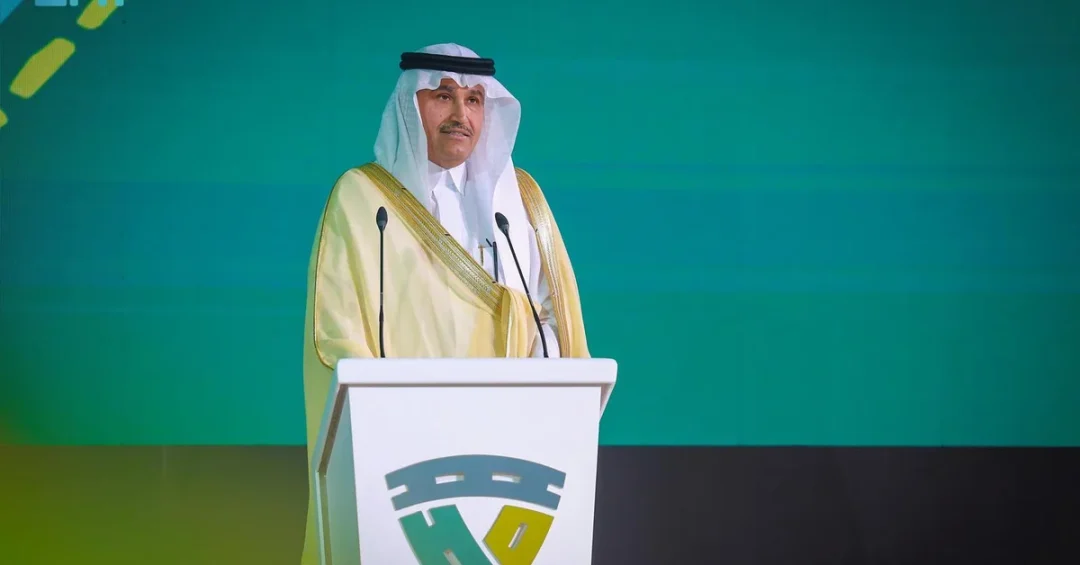
The Road Safety and Sustainability Conference and Exhibition, hosted by the Roads General Authority (RGA), concluded its sessions in Riyadh on Monday, November 4, 2024, after two days of intensive deliberation under the theme “Innovating for Tomorrow.” The event, held on November 3 and 4, brought together more than 1,000 road experts and specialists from over 50 countries, according to the Saudi Press Agency (SPA). The conference reinforced the Kingdom of Saudi Arabia’s commitment to advancing traffic safety, sustainable transportation, and smart mobility solutions as part of its long-term national development agenda. The sessions produced a comprehensive set of recommendations that will guide future road safety policies and infrastructure investments across the Kingdom.
The Riyadh gathering served as a global platform for exchanging knowledge on how emerging technologies, innovative engineering practices, and evidence-based policymaking can reduce road accidents and improve the sustainability of transport networks. With participation from government officials, academics, industry leaders, and international organizations, the conference underscored Saudi Arabia’s growing role as a convenor of global dialogue on mobility challenges. But what does this convergence of expertise mean for the future of transportation in the Kingdom and beyond? The event’s outcomes suggest that Saudi Arabia is positioning itself at the forefront of a worldwide shift toward safer, cleaner, and more intelligent road systems.
Context and Background
The Road Safety and Sustainability Conference and Exhibition was organized by the Roads General Authority, the Saudi government body responsible for planning, constructing, and maintaining the Kingdom’s road network. The RGA has increasingly embraced a mandate that extends beyond traditional infrastructure delivery to include safety innovation, environmental sustainability, and the integration of advanced technologies. Hosting an international conference of this scale reflects the Authority’s strategic objective to learn from global best practices while sharing Saudi Arabia’s own experiences in managing one of the largest and most rapidly modernizing road networks in the world. Why has road safety become such a central pillar of Saudi Arabia’s transportation strategy? The answer lies in the Kingdom’s ambitious Vision 2030 reform program, which seeks to diversify the economy, improve quality of life, and build world-class infrastructure that supports economic growth and social well-being.
The conference theme, “Innovating for Tomorrow,” captured the dual imperative facing transportation planners everywhere: reducing the human and economic toll of road accidents while simultaneously lowering the environmental footprint of mobility. Saudi Arabia has invested heavily in highway construction and maintenance over the past decade, connecting cities, industrial zones, and remote communities. As traffic volumes rise with population growth and economic expansion, the need for smarter safety measures and sustainable practices has become more urgent. The RGA’s decision to convene experts from more than 50 countries signals a recognition that road safety challenges are global in nature and that solutions must be shared across borders. What specific insights emerged from these deliberations? The conference’s ministerial sessions and technical workshops provided a rich array of answers.
The event also reflected a broader trend in Saudi governance: the systematic use of international expertise and data-driven analysis to inform policy. By bringing together researchers, engineers, and policymakers, the RGA created an environment where scientific evidence could directly shape recommendations for regulatory reform and infrastructure design. This approach aligns with the Kingdom’s emphasis on evidence-based decision-making and continuous improvement in public services. How does this compare with previous Saudi initiatives in the transport sector? The conference builds on years of incremental progress in road safety, including upgrades to highway signage, the introduction of electronic monitoring systems, and public awareness campaigns, but it represents a significant escalation in ambition and international engagement.
Key Details and Conference Outcomes
The conference featured in-depth discussions on the importance of traffic safety and strategies for enhancing sustainability in transportation. According to the Saudi Press Agency, the event highlighted over 130 scientific papers and 27 innovations and technologies, covering topics such as innovative transportation solutions, government policies aimed at reducing emissions, and the role of artificial intelligence (AI) and intelligent transportation systems in enhancing traffic management and vehicle safety. Ministerial sessions facilitated the exchange of insights and experiences on these advanced technologies, allowing senior officials to compare approaches and identify areas for collaboration. The breadth of subject matter demonstrated that road safety is no longer viewed in isolation but as an integral component of sustainable urban and rural development.
The conference concluded with a series of key recommendations that reflect the outcomes of extensive discussions and deliberations. Among the most prominent was a call to enhance the use of artificial intelligence in smart traffic signals to improve traffic flow, reduce congestion, and lower carbon emissions. AI-driven signal systems can adapt in real time to traffic conditions, minimizing idling and smoothing the movement of vehicles through intersections. The recommendations also included improving intersection designs by adopting high engineering standards, such as increasing turning radii and restricting heavy vehicle passage during peak hours to reduce accident frequency and enhance safety. These measures are grounded in international research showing that geometric improvements and traffic-calming strategies can significantly decrease collision rates.
Further recommendations focused on enhancing lighting at critical points and using renewable energy for public lighting, with the aim of reducing accidents, particularly in rural areas and on highways. Solar-powered lighting systems, for example, can provide reliable illumination in areas where grid connections are costly or unreliable, improving visibility for drivers and pedestrians alike. The conference also emphasized implementing comprehensive traffic safety programs near schools and mosques, utilizing regular data to refine preventive measures, and increasing stakeholder engagement and cooperation with social organizations to raise awareness. Community leaders were encouraged to participate in safety initiatives, with improved coordination among relevant entities for effective safety programs, including training, awareness efforts, and essential funding. What role will local communities play in these efforts? The recommendations suggest that grassroots engagement is considered essential for translating national policies into everyday behavioral change.
Additional recommendations included expanding the use of Geographic Information Systems (GIS) to determine optimal locations for emergency centers, especially in high-traffic areas. GIS technology allows planners to analyze accident data, traffic volumes, and response times to identify where new facilities would have the greatest impact. There was also a call to support autonomous vehicles by allocating dedicated lanes as a preliminary measure and to develop dynamic management systems that adapt to environmental conditions, underscoring the benefits of early adoption of standards for autonomous vehicles. The recommendations highlighted the importance of adopting AI solutions for road safety, monitoring traffic flows, and identifying high-risk areas to enhance sustainability in traffic systems. Furthermore, the conference suggested leveraging mobile phones for data collection and using cloud computing to reduce infrastructure costs. These measures aim to improve public safety, reduce traffic accidents, and enhance quality of life for citizens and residents.
International and Regional Impact
The participation of more than 1,000 experts from over 50 countries gave the Riyadh conference a genuinely global character, reinforcing Saudi Arabia’s position as a hub for international dialogue on transportation policy. By attracting such a diverse group of specialists, the RGA facilitated the exchange of knowledge that will benefit not only the Kingdom but also other nations facing similar challenges. For regional neighbors, the conference offered a model of how to integrate safety and sustainability into road network planning. Many countries in the Middle East and North Africa are investing in major infrastructure projects and can draw on the recommendations that emerged from Riyadh. How will these cross-border insights influence policy beyond Saudi Arabia? The dissemination of scientific papers and the networking opportunities provided by the event are likely to accelerate the adoption of proven solutions across the region.
The conference also highlighted the growing importance of international standards for autonomous vehicles and intelligent transportation systems. As countries race to deploy self-driving technology, the need for harmonized regulations becomes more pressing. The RGA’s call to support autonomous vehicles through dedicated lanes and dynamic management systems signals that Saudi Arabia intends to be an early adopter of these technologies, potentially shaping global norms. This proactive stance could attract further foreign investment and partnerships in the Kingdom’s technology and mobility sectors. What are the broader geopolitical implications? By hosting a major international conference and championing innovation, Saudi Arabia strengthens its soft power and demonstrates leadership in a field that touches every economy. The event thus serves both domestic and diplomatic objectives, aligning with the Kingdom’s Vision 2030 goal of becoming a global investment and logistics hub.
Economic and Strategic Significance
The recommendations from the conference carry significant economic implications for Saudi Arabia. Road traffic accidents impose substantial costs on economies worldwide, including medical expenses, lost productivity, and infrastructure damage. By reducing accident frequency through better intersection design, enhanced lighting, and AI-driven traffic management, the Kingdom can realize considerable savings while improving public health outcomes. The emphasis on renewable energy for public lighting also aligns with broader efforts to diversify the energy mix and reduce carbon emissions, supporting Saudi Arabia’s commitments under international climate agreements. Moreover, the adoption of cloud computing and mobile data collection can lower the cost of building and maintaining intelligent transportation systems, making advanced safety features more affordable and scalable.
Strategically, the conference outcomes reinforce the RGA’s role as a catalyst for innovation within the Saudi transport sector. The Authority’s ability to convene global experts and translate their insights into actionable recommendations demonstrates a sophisticated approach to governance. For businesses, the conference opened doors to potential collaborations in areas such as AI software, smart lighting, GIS analytics, and autonomous vehicle infrastructure. These opportunities are likely to attract both domestic and foreign investment, contributing to economic diversification. How does this fit into the bigger picture of Saudi economic reform? The transport sector is a key enabler of trade, tourism, and logistics, and improvements in safety and sustainability enhance the Kingdom’s competitiveness as a business and tourism destination. The conference thus contributes directly to the objectives of Vision 2030 by fostering a safer, more efficient, and more sustainable mobility environment.
Vision 2030 Alignment
The Road Safety and Sustainability Conference and Exhibition concluded with recommendations that explicitly align with Saudi Vision 2030, the Kingdom’s comprehensive plan to transform its economy and society. Vision 2030 places quality of life at its core, and road safety is a fundamental component of that goal. By striving to reduce traffic accidents and fatalities, the RGA is helping to create safer communities where citizens and residents can travel without fear. The focus on sustainability, including renewable energy for lighting and reduced emissions from traffic congestion, supports the Vision’s environmental objectives and the broader transition to a green economy. The conference’s emphasis on AI, GIS, and autonomous vehicles also dovetails with the Vision’s push for digital transformation and technological leadership.
Furthermore, the recommendations highlight the importance of ongoing collaboration among relevant entities, contributing to enhanced road safety and sustainable development in the transportation sector. Through these initiatives, the Roads General Authority aims to improve citizens’ and residents’ quality of life and strengthen road safety across the Kingdom. As Saudi Arabia continues to invest in world-class infrastructure and smart mobility solutions, the outcomes of this conference will serve as a roadmap for future action. The Kingdom’s ability to host such a prestigious international event and to generate actionable, forward-looking recommendations underscores its growing stature as a global leader in transportation innovation. With Vision 2030 as its guiding framework, Saudi Arabia is well positioned to set new benchmarks for road safety and sustainability, benefiting not only its own people but also sharing valuable knowledge with the wider world.
20 Questions
Q1. What was the Road Safety and Sustainability Conference and Exhibition?
A1. It was a two-day international event hosted by the Roads General Authority in Riyadh on November 3-4, 2024, under the theme “Innovating for Tomorrow.” It gathered over 1,000 road experts from more than 50 countries to discuss traffic safety and sustainable transportation.
Q2. Who organized the conference?
A2. The conference was hosted by the Roads General Authority (RGA), the Saudi government agency responsible for the planning, construction, and maintenance of the Kingdom’s road network. The RGA organized the event as part of its efforts to enhance road safety and sustainability.
Q3. How many experts and countries participated?
A3. More than 1,000 road experts and specialists from over 50 countries attended the conference. This broad international participation underscored the global relevance of the topics discussed and Saudi Arabia’s role as a convener of international dialogue.
Q4. What was the main theme of the conference?
A4. The theme was “Innovating for Tomorrow.” It reflected the conference’s focus on leveraging innovation and advanced technologies to improve traffic safety and promote sustainability in transportation systems worldwide.
Q5. What were the key topics discussed?
A5. Discussions covered traffic safety, sustainability in transportation, government policies to reduce emissions, artificial intelligence in traffic management, intelligent transportation systems, and innovations in vehicle safety. Ministerial sessions allowed for exchange of insights and experiences.
Q6. How many scientific papers and innovations were highlighted?
A6. The conference highlighted over 130 scientific papers and 27 innovations and technologies. These presentations showcased cutting-edge solutions for improving road safety and sustainability, ranging from AI applications to renewable energy lighting.
Q7. What was recommended regarding artificial intelligence?
A7. The conference recommended enhancing the use of AI in smart traffic signals to improve traffic flow, reduce congestion, and lower carbon emissions. AI solutions were also suggested for monitoring traffic flows and identifying high-risk areas to enhance sustainability.
Q8. What improvements were suggested for intersection design?
A8. Recommendations included adopting high engineering standards, such as increasing turning radii and restricting heavy vehicle passage during peak hours. These measures aim to reduce accident frequency and enhance safety at intersections.
Q9. What was recommended for lighting on roads?
A9. The conference recommended enhancing lighting at critical points and using renewable energy for public lighting. This aims to reduce accidents, particularly in rural areas and on highways, by improving visibility for drivers and pedestrians.
Q10. What safety programs were proposed for schools and mosques?
A10. It emphasized implementing comprehensive traffic safety programs near schools and mosques, utilizing regular data to refine preventive measures, and increasing stakeholder engagement with social organizations to raise awareness and improve safety.
Q11. How can Geographic Information Systems (GIS) be used?
A11. GIS can help determine optimal locations for emergency centers, especially in high-traffic areas. By analyzing accident data and traffic volumes, planners can identify where new facilities would have the greatest impact on response times.
Q12. What support was recommended for autonomous vehicles?
A12. The conference called for allocating dedicated lanes for autonomous vehicles as a preliminary measure and developing dynamic management systems that adapt to environmental conditions. It underscored the benefits of early adoption of standards for autonomous vehicles.
Q13. How can mobile phones and cloud computing help?
A13. The conference suggested leveraging mobile phones for data collection and using cloud computing to reduce infrastructure costs. These measures aim to improve public safety, reduce traffic accidents, and enhance quality of life.
Q14. What role did community leaders play in the recommendations?
A14. Community leaders were encouraged to participate in safety initiatives, with improved coordination among relevant entities for effective safety programs. Their involvement is seen as essential for raising awareness and fostering a culture of road safety.
Q15. How does the conference align with Saudi Vision 2030?
A15. The recommendations align with Vision 2030’s goals of improving quality of life, enhancing road safety, and promoting sustainable development. The focus on AI, renewable energy, and smart mobility supports the Vision’s digital transformation and environmental objectives.
Q16. What are the expected benefits of these recommendations?
A16. The measures aim to improve public safety, reduce traffic accidents, lower carbon emissions, and enhance quality of life for citizens and residents. They also seek to reduce congestion and make transportation more efficient and sustainable.
Q17. Will the recommendations be implemented across Saudi Arabia?
A17. The RGA aims to strengthen road safety across the Kingdom through these initiatives. Implementation will likely involve collaboration among various government entities, social organizations, and community leaders, with ongoing data collection to refine measures.
Q18. How does this conference compare to previous road safety efforts?
A18. It builds on years of incremental progress, including highway upgrades and awareness campaigns, but represents a significant escalation in ambition and international engagement. The focus on AI, autonomous vehicles, and sustainability marks a new phase in Saudi road safety strategy.
Q19. What was the significance of the ministerial sessions?
A19. The ministerial sessions facilitated the exchange of insights and experiences on innovations and advanced technologies among senior officials. They provided a high-level platform for discussing policy approaches and identifying areas for international cooperation.
Q20. What is the next step after the conference?
A20. The RGA will likely work on implementing the recommendations in coordination with relevant entities. Ongoing collaboration, data collection, and stakeholder engagement will be key to translating the conference outcomes into tangible improvements in road safety and sustainability.
Reader Feedback
We value your thoughts. Please share your feedback on this article.
Your feedback helps us improve our coverage.
Related articles
 Saudi Foreign Ministry Makkah Branch Meets Guinea, Korea Consuls
 Saudi Health Minister Meets ICRC President in Riyadh
 Saudi, Iraqi Defense Ministers Sign Military Cooperation MoU
 4th International Fire Operations Conference Held in Riyadh
 Saudi Delegation Discusses Sustainable Urban Development with Türkiye and Azerbaijan
 KSrelief Supervisor General Meets with ICRC President