


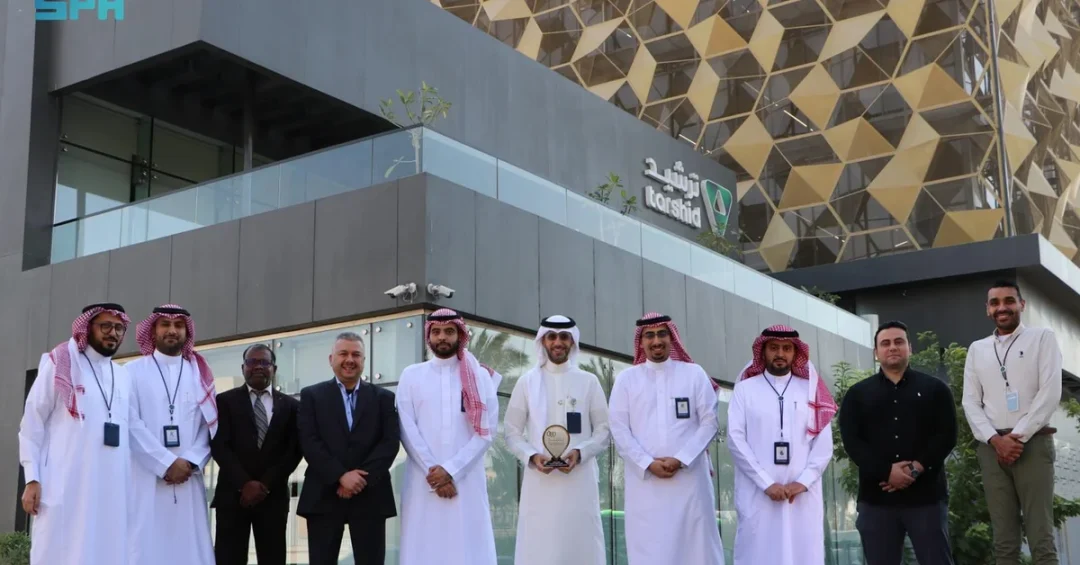
Saudi Arabia’s National Energy Services Company (Tarshid) has been awarded the “TARSHEED Conserving Building Competition” award for the Gulf Cooperation Council (GCC) countries, recognizing its Riyadh headquarters as a regional model of energy and water efficiency. The award was presented by the Qatar General Electricity & Water Corporation (Kahramaa), represented by the National Program for Conservation and Energy Efficiency, during the “Tarsheed for Energy and Water Efficiency Forum 2024” held on Monday at the Rixos Premium Qetaifan Island North in Doha, according to a press release issued by Tarshid and carried by the Saudi Press Agency (SPA).
The recognition places the Kingdom’s national energy efficiency champion at the center of a growing Gulf effort to reduce consumption, cut carbon emissions, and align built environments with long-term sustainability goals. For international observers, the award signals how Saudi Arabia is translating its energy transition ambitions into concrete, measurable outcomes in everyday infrastructure — and how Gulf states are increasingly learning from one another’s successes. What does it mean when a Saudi company’s own headquarters becomes a benchmark for the entire region?
Context and Background
Tarshid, formally the National Energy Services Company, was established to lead Saudi Arabia’s national energy efficiency agenda, working across government, industry, and the built environment to reduce energy intensity and optimize resource use. The company’s mandate sits at the heart of the Kingdom’s broader efforts to diversify its economy and lower domestic energy consumption while maintaining robust growth. Its recognition by Kahramaa’s National Program for Conservation and Energy Efficiency reflects the deepening cooperation among GCC states on sustainability, a priority that has gained momentum as regional economies modernize.
The “Tarsheed for Energy and Water Efficiency Forum 2024” in Doha brought together policymakers, utilities, and efficiency specialists from across the Gulf to exchange best practices. Kahramaa’s Tarsheed program, which promotes conservation of electricity and water, has become a respected platform for benchmarking achievements. Tarshid’s headquarters in Riyadh was assessed against rigorous criteria covering technology integration, operational practices, and environmental performance. How often does a company’s own workplace become the clearest proof of its mission?
For Saudi Arabia, the win is not an isolated accolade but part of a systematic push to embed efficiency into the national fabric. Under Vision 2030, the Kingdom has set ambitious targets to reduce energy consumption and greenhouse gas emissions, with agencies like Tarshid playing a central implementation role. The award therefore carries significance beyond the company itself, reinforcing the Kingdom’s position as a regional leader in sustainability and a reliable partner in global climate efforts.
Key Details
The Tarshid headquarters building integrates a suite of advanced technologies designed to minimize energy use without compromising comfort. These include a VRV air conditioning system, a Building Management System (BMS), and smart motion sensors that control lighting and cooling levels, ensuring energy savings in unoccupied spaces. The building also incorporates the latest smart energy management technologies alongside best practices in operation, maintenance, and environmentally friendly building materials.
Air quality is enhanced through integrated green spaces, while natural light is maximized from the building’s four facades, reducing reliance on artificial lighting. Its strategic location in the capital encourages the use of public transport, further lowering its carbon footprint. Together, these features demonstrate how thoughtful design and smart technology can deliver substantial efficiency gains. What if every new office building in the region followed this blueprint?
Waleed Al-Ghreri, CEO of Tarshid, said: “Winning this award is an achievement we are proud of and reflects our commitment to enhancing energy efficiency and achieving sustainability at our headquarters. It also showcases our dedication to creating a healthy and inspiring work environment for our employees, enhancing their well-being and productivity. Through our headquarters, we aim to make sustainability an evident value and an example to be followed in our daily lives, which we strive to reflect in our work.” His statement underscores the dual focus on environmental performance and employee welfare, a combination increasingly recognized as central to modern corporate success.
International and Regional Impact
The award highlights the growing integration of GCC sustainability efforts. By recognizing a Saudi entity, Kahramaa’s Tarshid program reinforces a spirit of constructive competition and knowledge-sharing among Gulf states. This regional dynamic is particularly important as countries across the Middle East accelerate their energy transition strategies, seeking to balance economic diversification with environmental responsibility. The forum in Doha provided a platform for participants to discuss water and energy efficiency, two areas where Gulf states face similar challenges and opportunities.
Internationally, the recognition adds to Saudi Arabia’s credentials as a proactive player in global sustainability dialogues. The Kingdom has been increasingly visible in climate forums, emphasizing technology, innovation, and practical solutions. Tarshid’s award-winning headquarters serves as a tangible case study that can be showcased to international partners and investors. Does this signal a new era in which Gulf-built efficiency standards influence global practice?
The timing is notable, coming as Saudi Arabia prepares to host major international events and continues to attract global business. Demonstrating leadership in energy efficiency strengthens the Kingdom’s soft power and supports its reputation as a forward-looking, responsible nation. For companies operating in the region, the Tarshid model offers a replicable framework for reducing operational costs and environmental impact.
Economic and Strategic Significance
Energy efficiency is not merely an environmental imperative; it is an economic one. Reducing consumption lowers costs for businesses and households, frees up resources for productive investment, and enhances the competitiveness of the Saudi economy. Tarshid’s work aligns directly with Vision 2030’s goal of a more diversified and sustainable economy, where growth is decoupled from ever-increasing energy use. The award-winning headquarters demonstrates that high performance and low consumption can coexist.
Strategically, the recognition reinforces Saudi Arabia’s leadership in the global energy transition. As the world’s leading oil producer, the Kingdom has a unique role in shaping the future of energy. By investing in efficiency and clean technologies, it signals a commitment to responsible stewardship of resources. This balanced approach — maintaining energy security while advancing sustainability — is central to Saudi strategy and is increasingly acknowledged by international partners. Could this award become a catalyst for even broader adoption of efficiency measures across Saudi industries?
Vision 2030 Alignment
The Tarshid award is a clear embodiment of Vision 2030’s sustainability objectives. The Vision calls for a thriving economy and a vibrant society, both of which depend on the efficient use of natural resources. By setting an example through its own headquarters, Tarshid is helping to normalize sustainability as a core value in Saudi business culture. The company’s efforts contribute to national targets for reducing energy intensity and emissions, while also improving quality of life for employees and the wider community.
As Saudi Arabia continues its transformation, achievements like this one underscore the Kingdom’s ability to turn ambitious plans into tangible results. They also highlight the importance of regional collaboration, with Gulf neighbors sharing knowledge and celebrating each other’s progress. For international audiences, the message is clear: Saudi Arabia is not just talking about sustainability — it is building it, measuring it, and winning recognition for it. In doing so, the Kingdom is helping to shape a more sustainable and prosperous future for the entire region.
20 Questions
Q1. What award did Tarshid win?
A1. Tarshid won the “TARSHEED Conserving Building Competition” award for the GCC countries, presented by Kahramaa’s National Program for Conservation and Energy Efficiency at the Tarsheed for Energy and Water Efficiency Forum 2024 in Doha.
Q2. Who presented the award to Tarshid?
A2. The award was presented by the Qatar General Electricity & Water Corporation (Kahramaa), represented by the National Program for Conservation and Energy Efficiency, during a forum held in Doha, Qatar.
Q3. Where was the award ceremony held?
A3. The ceremony took place at the Rixos Premium Qetaifan Island North in Doha, Qatar, during the Tarsheed for Energy and Water Efficiency Forum 2024, which gathered regional experts and officials.
Q4. What is Tarshid’s full name?
A4. Tarshid is formally known as the National Energy Services Company. It is a Saudi entity dedicated to enhancing energy efficiency and sustainability across the Kingdom, aligned with Vision 2030 objectives.
Q5. What technologies are used in Tarshid’s headquarters?
A5. The building features a VRV air conditioning system, a Building Management System (BMS), and smart motion sensors that control lighting and cooling levels to save energy in unoccupied spaces.
Q6. How does the building enhance air quality?
A6. The headquarters integrates green spaces and utilizes natural light from its four facades, which together improve air quality and reduce reliance on artificial lighting, contributing to a healthier indoor environment.
Q7. What did Tarshid’s CEO say about the award?
A7. CEO Waleed Al-Ghreri said winning the award reflects Tarshid’s commitment to energy efficiency and sustainability, and showcases dedication to creating a healthy, inspiring work environment that enhances employee well-being and productivity.
Q8. How does the building’s location contribute to sustainability?
A8. Its strategic location in Riyadh encourages the use of public transport, which helps reduce the carbon footprint associated with commuting and supports broader urban sustainability goals.
Q9. What is the significance of this award for Saudi Arabia?
A9. The award highlights Saudi Arabia’s leadership in energy efficiency and sustainability, reinforcing its position as a regional role model and supporting the Kingdom’s Vision 2030 goals for a diversified, sustainable economy.
Q10. What is the Tarsheed program?
A10. Tarsheed is a national program for conservation and energy efficiency run by Kahramaa in Qatar. It promotes the efficient use of electricity and water and organizes forums and competitions to recognize best practices.
Q11. When was the award announced?
A11. The award was announced in a press release issued by Tarshid on November 7, 2024, following the forum held on Monday, November 4, 2024, in Doha.
Q12. What are the key criteria for the award?
A12. The competition assesses buildings on their integration of energy-efficient technologies, operational best practices, environmental performance, and overall contribution to reducing energy and water consumption.
Q13. How does Tarshid’s headquarters reduce its carbon footprint?
A13. It uses smart energy management, eco-friendly materials, natural lighting, green spaces, and encourages public transport, all of which lower energy consumption and emissions compared to conventional buildings.
Q14. What is the role of the Building Management System (BMS)?
A14. The BMS optimizes the operation of various building systems, including HVAC and lighting, to ensure they run efficiently and only when needed, thereby reducing energy waste.
Q15. How do smart motion sensors contribute to energy savings?
A15. Smart motion sensors detect occupancy and automatically adjust lighting and cooling levels, ensuring that energy is not wasted in unoccupied spaces, which leads to significant savings over time.
Q16. What does the award mean for GCC cooperation?
A16. It reflects growing collaboration among Gulf states on sustainability, with countries sharing best practices and competing constructively to improve energy and water efficiency across the region.
Q17. How does this award align with Vision 2030?
A17. It directly supports Vision 2030’s sustainability objectives by demonstrating practical energy efficiency solutions, promoting environmental responsibility, and contributing to national targets for reduced energy intensity and emissions.
Q18. What benefits does the building provide to employees?
A18. The building offers a healthy and inspiring work environment with improved air quality, natural light, and green spaces, which enhance employee well-being, productivity, and overall satisfaction.
Q19. What message does this award send to international audiences?
A19. It shows that Saudi Arabia is actively implementing sustainable solutions and is a reliable partner in global climate efforts, enhancing the Kingdom’s reputation as a forward-looking and responsible nation.
Q20. What future steps might Tarshid take following this recognition?
A20. Tarshid is likely to continue expanding its energy efficiency programs across Saudi Arabia, using the award as a platform to promote best practices and support the Kingdom’s broader sustainability and Vision 2030 goals.
Reader Feedback
We value your thoughts. Please share your feedback on this article.
Your feedback helps us improve our coverage.
Related articles
 6.1-Magnitude Earthquake Strikes Papua New Guinea
 Saudi Water Authority Joins Biban24 Forum to Drive Innovation
 Foreign Ministry’s Makkah Branch Director Receives Lebanese Consul General
 20th Saudi Relief Plane Arrives in Lebanon with Aid
 KAFD to Hold Second Annual Leadership Conference on November 20-21
 Qassim Governor Receives British Ambassador in Buraidah