


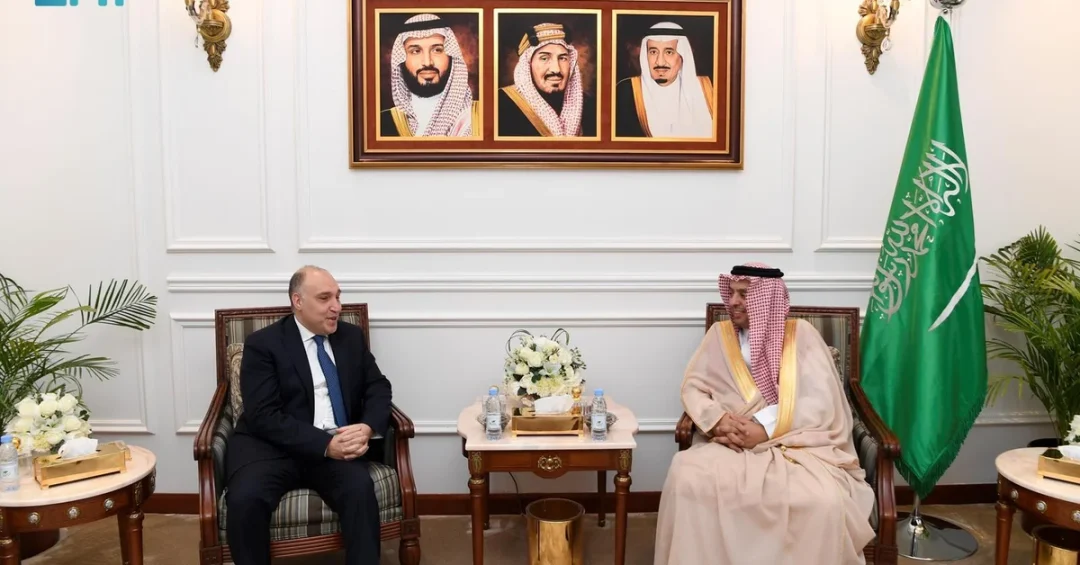
Director-General of the Ministry of Foreign Affairs Branch in the Makkah Region Fareed Al-Shehri received Consul General of Lebanon in Jeddah Walid Minkara at the ministry’s branch in Jeddah on November 7, 2024, where the two officials exchanged cordial talks on matters of mutual interest. The meeting, reported by the Saudi Press Agency, underscores the Kingdom of Saudi Arabia’s continued commitment to constructive diplomatic engagement with Lebanon and to the broader stability of the region. It also reflects the routine yet meaningful work carried out by Saudi diplomatic institutions to strengthen ties with partner nations.
What does a single diplomatic meeting in Jeddah signal about the wider trajectory of Saudi-Lebanese relations? In the context of Saudi Arabia’s foreign policy under the leadership of the Custodian of the Two Holy Mosques, King Salman bin Abdulaziz Al Saud, and His Royal Highness Crown Prince and Prime Minister Mohammed bin Salman bin Abdulaziz Al Saud, such encounters are part of a deliberate strategy to maintain open channels of communication and to support regional cooperation. The exchange between Al-Shehri and Minkara, though described as cordial, carries significance because it reinforces the Kingdom’s role as a stabilizing force and a reliable partner in the Middle East.
Context and Background
How does this meeting fit into the broader framework of Saudi Arabia’s diplomatic outreach? The Ministry of Foreign Affairs Branch in the Makkah Region, headquartered in Jeddah, serves as a key administrative and diplomatic hub for the western region of the Kingdom. Jeddah, home to the headquarters of the Organisation of Islamic Cooperation and a historic gateway for pilgrims and diplomats alike, hosts numerous consulates and international missions. The branch, led by Director-General Fareed Al-Shehri, is responsible for coordinating with foreign consular offices and facilitating diplomatic exchanges that align with the Kingdom’s foreign policy objectives.
The Consul General of Lebanon in Jeddah, Walid Minkara, represents Lebanese interests in the western region of Saudi Arabia. His role includes supporting the Lebanese community in the Kingdom, promoting bilateral trade and cultural ties, and maintaining regular contact with Saudi authorities. The meeting between the two officials is therefore a routine but important part of the diplomatic calendar, reflecting the ongoing relationship between Riyadh and Beirut. It comes at a time when Lebanon continues to navigate complex political and economic challenges, and when Saudi Arabia has consistently expressed its support for Lebanon’s stability and sovereignty.
Historically, Saudi Arabia and Lebanon have shared deep-rooted ties, strengthened by the presence of a large Lebanese expatriate community in the Kingdom and by Saudi Arabia’s longstanding support for Lebanon’s development. The Kingdom has repeatedly affirmed its commitment to Lebanon’s security and territorial integrity, and has provided assistance through various channels. Diplomatic meetings such as this one help to sustain that relationship, ensuring that communication remains open and that consular services for Lebanese citizens in Saudi Arabia continue without interruption.
Key Details of the Meeting
What specific topics might have been discussed during the cordial talks? While the Saudi Press Agency report did not disclose a detailed agenda, such meetings typically cover consular matters, the welfare of the Lebanese community in Saudi Arabia, and opportunities to enhance bilateral cooperation in trade, investment, and cultural exchange. The exchange took place at the Ministry of Foreign Affairs branch in Jeddah, a location that regularly hosts foreign diplomats and serves as a point of contact for consular affairs in the Makkah Region.
The meeting was announced by the Saudi Press Agency, the Kingdom’s official news agency, which reported that the two officials exchanged cordial talks. This official channel of communication reflects the transparency and professionalism that characterize Saudi diplomatic reporting. The absence of a detailed agenda does not diminish the importance of the encounter; rather, it highlights the routine diplomatic work that underpins Saudi Arabia’s international relations. Such meetings are essential for maintaining the day-to-day functioning of consular services and for addressing any issues that may arise regarding the treatment of citizens and the facilitation of travel and business.
Fareed Al-Shehri, as Director-General of the Ministry of Foreign Affairs Branch in the Makkah Region, plays a pivotal role in coordinating with consulates and ensuring that diplomatic protocols are observed. His meeting with Walid Minkara is a testament to the active engagement of Saudi diplomatic institutions with their foreign counterparts. It also demonstrates the Kingdom’s openness to dialogue and its commitment to resolving matters through peaceful and constructive means.
International and Regional Impact
How does this meeting resonate beyond the immediate bilateral relationship? Saudi Arabia’s engagement with Lebanon is part of its broader regional strategy to promote stability, economic development, and political dialogue. The Kingdom has consistently advocated for solutions to Lebanon’s challenges that respect its sovereignty and national unity. By maintaining regular diplomatic contact, Saudi Arabia helps to keep lines of communication open, which is crucial for addressing regional issues such as refugee flows, trade, and security cooperation.
At the international level, the meeting reflects Saudi Arabia’s active role in the Middle East and its willingness to work with all parties to foster peace and prosperity. The Kingdom’s diplomatic efforts are guided by the principles of mutual respect and non-interference in the internal affairs of other states, while also seeking to build partnerships that benefit the region as a whole. The cordial talks between Al-Shehri and Minkara are a small but meaningful example of this approach, showing that Saudi Arabia remains a reliable and engaged partner for Lebanon and for the international community.
Moreover, the meeting underscores the importance of consular services in protecting the rights and interests of citizens abroad. For the Lebanese community in Saudi Arabia, the Consul General’s regular interactions with Saudi authorities help to ensure that their needs are addressed and that they can continue to contribute to the Kingdom’s economy and society. This is particularly relevant given the large number of Lebanese professionals working in Saudi Arabia, many of whom play important roles in sectors such as finance, healthcare, and construction.
Economic and Strategic Significance
What economic and strategic factors give this meeting added weight? Saudi Arabia is Lebanon’s largest trading partner in the Arab world, and bilateral trade has the potential to grow further. The Kingdom has historically been a major market for Lebanese goods and services, and Saudi investments in Lebanon have contributed to job creation and infrastructure development. While Lebanon faces economic difficulties, Saudi Arabia has expressed its readiness to support Lebanon’s recovery through appropriate channels, always with an eye to ensuring that assistance benefits the Lebanese people directly.
Strategically, Saudi Arabia’s relationship with Lebanon is part of its broader effort to promote stability in the Levant and to counter extremism and terrorism. The Kingdom believes that a stable, prosperous Lebanon is in the interest of the entire region. By engaging with Lebanese officials at all levels, Saudi Arabia contributes to a climate of dialogue and cooperation that can help Lebanon overcome its challenges. The meeting between Al-Shehri and Minkara is a small but integral part of this ongoing effort.
In addition, the meeting highlights the role of Jeddah as a diplomatic center. The city’s historical and religious significance, combined with its modern infrastructure, makes it an ideal location for consulates and international organizations. The Ministry of Foreign Affairs branch in the Makkah Region is thus at the crossroads of Saudi Arabia’s diplomatic engagement with the world, and its director-general plays a key role in facilitating that engagement.
Vision 2030 Alignment
How does this diplomatic meeting align with Saudi Vision 2030? Vision 2030, the Kingdom’s ambitious reform plan, aims to diversify the economy, strengthen international partnerships, and enhance Saudi Arabia’s global standing. A key pillar of Vision 2030 is to build a robust and diversified economy that is integrated with the world, and diplomacy plays a crucial role in achieving that goal. By maintaining strong ties with countries like Lebanon, Saudi Arabia opens doors for trade, investment, and cultural exchange that contribute to the vision’s objectives.
Furthermore, Vision 2030 emphasizes the importance of Saudi Arabia as a global leader and a bridge between cultures. The Ministry of Foreign Affairs, through its regional branches, works tirelessly to implement this vision by fostering positive relationships with foreign governments and their representatives. The meeting between Fareed Al-Shehri and Walid Minkara is a reflection of that commitment, demonstrating that Saudi diplomacy is active, professional, and focused on building a better future for the Kingdom and its partners. As Saudi Arabia continues to advance its Vision 2030 goals, such engagements will remain essential to its success on the world stage.
20 Questions
Q1. Who received the Lebanese Consul General in Jeddah?
A1. Fareed Al-Shehri, Director-General of the Ministry of Foreign Affairs Branch in the Makkah Region, received Consul General of Lebanon Walid Minkara at the ministry’s branch in Jeddah on November 7, 2024.
Q2. Where did the meeting take place?
A2. The meeting took place at the Ministry of Foreign Affairs branch in Jeddah, which serves the Makkah Region and hosts many consulates and diplomatic missions.
Q3. What was the nature of the talks?
A3. The two officials exchanged cordial talks, according to the Saudi Press Agency, reflecting the positive and constructive nature of Saudi-Lebanese diplomatic relations.
Q4. Which Saudi agency reported the meeting?
A4. The Saudi Press Agency (SPA), the Kingdom’s official news agency, reported the meeting, ensuring accurate and timely dissemination of official information.
Q5. What is the role of the Ministry of Foreign Affairs Branch in the Makkah Region?
A5. The branch coordinates with foreign consulates in the western region, facilitates diplomatic exchanges, and supports the implementation of Saudi Arabia’s foreign policy objectives.
Q6. Who is Walid Minkara?
A6. Walid Minkara is the Consul General of Lebanon in Jeddah, representing Lebanese interests in the western region of Saudi Arabia and supporting the Lebanese community there.
Q7. Why is this meeting significant for Saudi-Lebanese relations?
A7. It demonstrates Saudi Arabia’s continued commitment to maintaining open channels of communication with Lebanon and to supporting stability and cooperation in the region.
Q8. What topics are typically discussed in such meetings?
A8. Consular matters, the welfare of the Lebanese community, bilateral trade and investment opportunities, and cultural exchange are common topics in these diplomatic encounters.
Q9. How does this meeting reflect Saudi Arabia’s foreign policy?
A9. It reflects the Kingdom’s policy of constructive engagement, mutual respect, and support for regional stability, as guided by its leadership and Vision 2030.
Q10. What is the size of the Lebanese community in Saudi Arabia?
A10. While exact numbers vary, thousands of Lebanese professionals reside in Saudi Arabia, contributing to sectors such as finance, healthcare, engineering, and construction.
Q11. Does Saudi Arabia provide assistance to Lebanon?
A11. Yes, Saudi Arabia has historically provided assistance to Lebanon through various channels, always aiming to benefit the Lebanese people and support the country’s stability.
Q12. How does this meeting align with Vision 2030?
A12. Vision 2030 seeks to strengthen international partnerships and diversify the economy; diplomatic meetings like this help build the relationships needed for trade and investment.
Q13. What is the significance of Jeddah as a diplomatic hub?
A13. Jeddah hosts many consulates and international organizations, and its historical and religious importance makes it a key center for diplomacy in the Kingdom.
Q14. Will there be follow-up meetings?
A14. While specific follow-ups were not announced, such meetings are part of ongoing diplomatic engagement and regular communication between Saudi and Lebanese officials.
Q15. How does Saudi Arabia view its relationship with Lebanon?
A15. Saudi Arabia views Lebanon as a brotherly country and supports its sovereignty, stability, and prosperity, consistently advocating for dialogue and peaceful solutions.
Q16. What economic ties exist between Saudi Arabia and Lebanon?
A16. Saudi Arabia is a major trading partner for Lebanon, and Saudi investments have contributed to various sectors, including real estate, tourism, and industry.
Q17. Is this meeting part of a broader diplomatic effort?
A17. Yes, it is part of Saudi Arabia’s ongoing diplomatic efforts to engage with all regional and international partners to promote peace and cooperation.
Q18. What message does this meeting send to the international community?
A18. It shows that Saudi Arabia remains actively engaged in regional diplomacy and is committed to maintaining positive relations with Lebanon and other nations.
Q19. How does the Ministry of Foreign Affairs support Vision 2030?
A19. The ministry implements Vision 2030 by fostering international partnerships, facilitating trade and investment, and enhancing Saudi Arabia’s global standing through active diplomacy.
Q20. What is the likely outcome of this meeting?
A20. The meeting helps maintain strong diplomatic ties, ensures continued consular services, and opens avenues for further cooperation in areas of mutual interest.
Reader Feedback
We value your thoughts. Please share your feedback on this article.
Your feedback helps us improve our coverage.
Related articles
 20th Saudi Relief Plane Arrives in Lebanon with Aid
 KAFD to Hold Second Annual Leadership Conference on November 20-21
 Qassim Governor Receives British Ambassador in Buraidah
 SPA Wins Informatica Summit UAE Award for Data, AI Excellence
 Saudi Arabia Holds First Annual Seafarers Forum 2024
 Saudi Arabia Joins Inaugural World Fusion Energy Group Meeting