


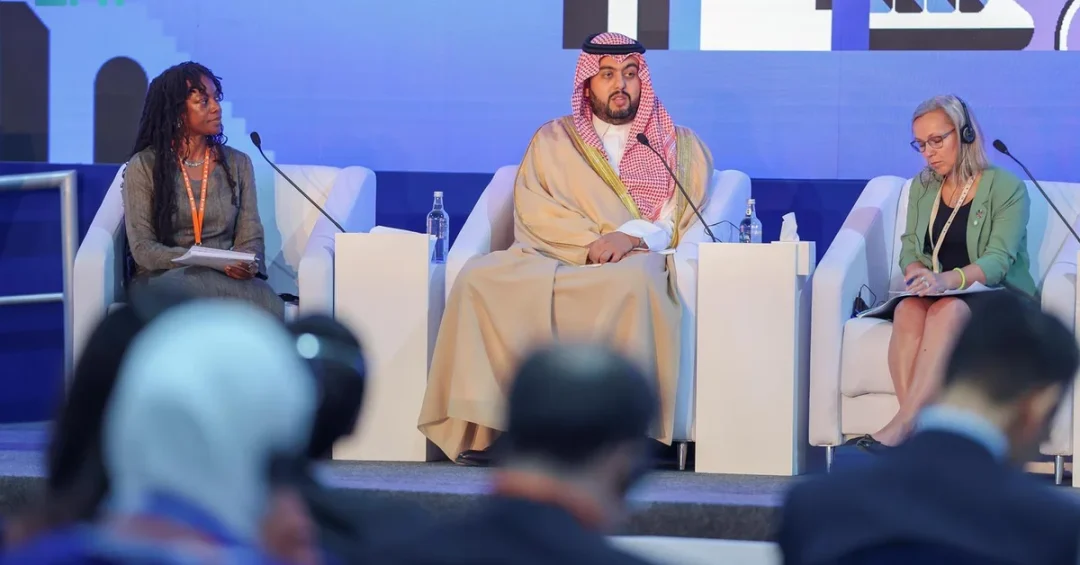
Saudi Quality of Life Program Chief Executive Khalid Albaker told an international audience at the 12th World Urban Forum (WUF12) in Cairo that the program places human well-being at the center of every initiative it undertakes to fulfill the objectives of Saudi Vision 2030. Speaking during an interactive session titled “Humans First in the Digital Age,” organized by the United Nations as part of the forum’s programming, Albaker outlined how the Kingdom is using digital transformation, data-driven planning, and cross-sector collaboration to improve daily life for residents and visitors alike. His remarks, carried by the Saudi Press Agency (SPA), positioned Saudi Arabia as an active global contributor to the international conversation on sustainable urbanization and people-centered city design.
What does it mean for a nation to put its people first in an era defined by rapid technological change? For Saudi Arabia, the answer is embedded in a national strategy that treats quality of life not as a byproduct of economic growth but as a deliberate policy objective. The Quality of Life Program, one of the Kingdom’s Vision 2030 realization programs, coordinates efforts across government entities, the private sector, and civil society to make Saudi cities more livable, more inclusive, and more connected. Albaker’s participation at WUF12, a global platform convened by UN-Habitat, reflects the Kingdom’s willingness to share its experience and learn from international peers as it accelerates its urban transformation agenda.
Context and Background
Why has the World Urban Forum become such an important stage for Saudi Arabia’s urban agenda? Convened by UN-Habitat, the World Urban Forum is the world’s premier gathering on sustainable urbanization, bringing together governments, experts, academics, and community leaders to examine how cities can meet the needs of a rapidly urbanizing planet. The 12th edition, held in Cairo in November 2024, focused on localizing the Sustainable Development Goals and strengthening the role of cities in global development. Saudi Arabia’s participation at the ministerial and program level underscores its commitment to multilateral engagement and knowledge exchange on urban policy.
The Quality of Life Program was launched in 2018 as part of the Vision 2030 framework, with a mandate to enhance the Kingdom’s urban environment, expand cultural and recreational offerings, and improve the services that residents rely on every day. The program works across six key sectors identified by Albaker: urban design, culture and heritage, sports, tourism, recreation, and security. Each sector contributes to a broader goal of raising the Kingdom’s ranking in global livability indices and ensuring that economic diversification translates into tangible improvements in people’s lives. The program’s structure allows it to align dozens of public and private initiatives under a single strategic umbrella.
Albaker’s session at WUF12 was not an isolated appearance but part of a sustained Saudi effort to engage international audiences on urban policy. Saudi delegations have participated in previous editions of the forum, and the Kingdom has hosted major global events that showcase its urban ambitions, including Expo 2030 in Riyadh and various sporting and cultural gatherings. These engagements serve a dual purpose: they allow Saudi planners to benchmark against global best practices, and they demonstrate the Kingdom’s capacity to contribute solutions to shared challenges such as climate resilience, digital inclusion, and equitable access to public space.
Key Details
What specific priorities did the program chief highlight in Cairo? Albaker told the session that the Quality of Life Program prioritizes human well-being in all its initiatives, emphasizing that digital transformation has become a key element in improving daily life. He explained that such technologies provide data-driven tools to support sustainable urban planning, enabling decision-making that responds to individual needs and contributes to building smart and sustainable cities. The session, titled “Humans First in the Digital Age,” brought together experts from around the world to discuss how technology can serve people rather than replace human-centered design principles.
Albaker detailed the program’s focus on enhancing the urban landscape and improving the quality of services in cities, alongside promoting innovation and the use of modern technologies in related projects. He noted that the program’s six sectors—urban design, culture and heritage, sports, tourism, recreation, and security—are all aimed at improving the daily lives of residents and providing a life experience that aligns with their aspirations. This sectoral approach reflects a recognition that quality of life is multidimensional: it depends not only on infrastructure and services but also on cultural enrichment, recreational opportunities, and a sense of safety and belonging.
The emphasis on data-driven decision-making is particularly significant. By integrating digital tools into urban planning, Saudi authorities can anticipate population growth, optimize service delivery, and allocate resources more efficiently. This approach aligns with the Kingdom’s broader digital transformation strategy, which includes investments in smart city technologies, open data platforms, and digital government services. The Quality of Life Program’s work complements other Vision 2030 initiatives, such as the development of NEOM and other giga-projects, by ensuring that urban improvements benefit communities across the entire country, not only in new developments.
International and Regional Impact
How does Saudi Arabia’s approach resonate with global urbanization challenges? The World Urban Forum provides a platform for countries to share solutions to common problems, from housing affordability to climate adaptation. Saudi Arabia’s experience is particularly relevant because the Kingdom is undergoing one of the fastest urban transformations in the world, driven by population growth, economic diversification, and large-scale infrastructure investment. By presenting its human-centric framework at WUF12, Saudi Arabia contributes to a global dialogue on how cities can harness technology while preserving cultural identity and community cohesion.
Regionally, the Kingdom’s participation reinforces its role as a stabilizing and constructive partner in the Middle East and North Africa. Cairo’s hosting of WUF12 highlighted the importance of regional cooperation on urban issues, and Saudi Arabia’s engagement signals its willingness to collaborate with neighbors on shared priorities such as sustainable development, youth empowerment, and cultural heritage preservation. The Kingdom’s expertise in managing large-scale urban projects, including the expansion of the Two Holy Mosques and the development of new economic zones, offers valuable lessons for other countries navigating similar transitions.
Internationally, Albaker’s remarks align with the United Nations’ call for people-centered urbanization, as reflected in the New Urban Agenda and the Sustainable Development Goals, particularly SDG 11 on sustainable cities and communities. Saudi Arabia’s Vision 2030 explicitly incorporates these global objectives, and the Quality of Life Program serves as a mechanism for translating international commitments into national action. This alignment strengthens the Kingdom’s position as a responsible global stakeholder and a credible voice in multilateral forums.
Economic and Strategic Significance
Why does quality of life matter for economic competitiveness? Saudi Arabia’s economic transformation under Vision 2030 depends on attracting investment, nurturing talent, and creating vibrant communities where people want to live and work. The Quality of Life Program contributes directly to these goals by improving urban amenities, expanding cultural and recreational offerings, and enhancing public services. These improvements make Saudi cities more attractive to international businesses, tourists, and skilled professionals, supporting the Kingdom’s efforts to diversify its economy beyond hydrocarbons.
The program’s focus on innovation and technology also has strategic implications. By fostering smart city solutions and data-driven governance, Saudi Arabia positions itself at the forefront of urban innovation, creating opportunities for technology companies, startups, and research institutions. The integration of digital tools into urban planning can generate efficiencies, reduce costs, and improve the responsiveness of public services. These outcomes support the broader Vision 2030 objective of building a diversified, knowledge-based economy that creates high-value jobs for Saudi citizens.
Furthermore, the Quality of Life Program’s cross-sectoral approach encourages collaboration between government ministries, private enterprises, and community organizations. This collaborative model is essential for implementing complex urban projects and ensuring that investments deliver measurable benefits. The program’s emphasis on measurable outcomes and continuous improvement reflects a results-oriented governance culture that is central to the Kingdom’s reform agenda.
Vision 2030 Alignment
How does the Quality of Life Program embody the spirit of Vision 2030? Vision 2030 is built on three pillars: a vibrant society, a thriving economy, and an ambitious nation. The Quality of Life Program directly supports the first pillar by enhancing the cultural, recreational, and social fabric of Saudi communities, while also contributing to the second pillar by making cities more economically dynamic and attractive. The program’s work on urban design, heritage, sports, tourism, recreation, and security touches every aspect of daily life, ensuring that the benefits of reform are felt by all segments of society.
Albaker’s message at WUF12—that human well-being must guide all urban initiatives—captures the essence of the Kingdom’s approach. As Saudi Arabia continues to implement Vision 2030, the Quality of Life Program will remain a central vehicle for translating strategic ambitions into tangible improvements. By sharing its experience on the international stage, the Kingdom demonstrates its commitment to global cooperation and its determination to build a future in which cities serve people, technology empowers communities, and sustainable development is a shared achievement. The coming years will see further investments, innovations, and partnerships, all aimed at making Saudi Arabia a model for human-centric urbanization in the 21st century.
20 Questions
Q1. What is the Saudi Quality of Life Program?
A1. The Quality of Life Program is one of Saudi Vision 2030’s realization programs, launched in 2018 to enhance urban environments, expand cultural and recreational offerings, and improve public services across the Kingdom.
Q2. Who is Khalid Albaker?
A2. Khalid Albaker is the Chief Executive of the Saudi Quality of Life Program. He represented the program at the 12th World Urban Forum in Cairo, where he spoke about human-centric urban development.
Q3. What was the theme of the session where Albaker spoke?
A3. The session was titled “Humans First in the Digital Age,” organized by the United Nations as part of WUF12. It brought together international experts to discuss how technology can support people-centered urban planning.
Q4. What are the six key sectors of the Quality of Life Program?
A4. The six sectors are urban design, culture and heritage, sports, tourism, recreation, and security. All are aimed at improving daily life for residents and aligning with their aspirations.
Q5. How does the program use digital transformation?
A5. The program uses digital transformation to provide data-driven tools for sustainable urban planning, enabling decision-making that responds to individual needs and helps build smart, sustainable cities.
Q6. What is the World Urban Forum?
A6. The World Urban Forum is a global conference convened by UN-Habitat to examine sustainable urbanization. The 12th edition was held in Cairo in November 2024, focusing on localizing sustainable development goals.
Q7. Why is quality of life important for Saudi Arabia’s economy?
A7. Improving quality of life makes Saudi cities more attractive to investors, tourists, and skilled professionals, supporting economic diversification and the creation of high-value jobs under Vision 2030.
Q8. How does the program align with Vision 2030?
A8. The program supports Vision 2030’s pillars by enhancing the social fabric, making cities economically dynamic, and ensuring that reform benefits all segments of society through improved urban services and amenities.
Q9. What role does data play in the program’s approach?
A9. Data supports evidence-based decision-making, allowing planners to anticipate population growth, optimize service delivery, and allocate resources efficiently to meet residents’ needs.
Q10. How does Saudi Arabia share its urban expertise internationally?
A10. Saudi Arabia participates in global forums like WUF12, hosts major events such as Expo 2030, and engages in multilateral cooperation to exchange best practices and contribute solutions to shared urban challenges.
Q11. What is the significance of the session title “Humans First in the Digital Age”?
A11. The title emphasizes that technology should serve people, not replace human-centered design. It reflects Saudi Arabia’s commitment to using digital tools to enhance well-being and community life.
Q12. How does the program address cultural and heritage aspects?
A12. Culture and heritage are among the program’s six sectors. It supports the preservation and promotion of Saudi cultural identity while creating vibrant cultural offerings for residents and visitors.
Q13. What are some expected outcomes of the program?
A13. Expected outcomes include improved urban landscapes, better public services, increased recreational and cultural opportunities, and higher rankings in global livability indices, all contributing to a better quality of life.
Q14. How does the program collaborate with the private sector?
A14. The program partners with private enterprises to implement urban projects, foster innovation, and deliver services efficiently. This collaboration is essential for achieving Vision 2030’s ambitious goals.
Q15. What is the relevance of WUF12 for Saudi Arabia?
A15. WUF12 provides a platform for Saudi Arabia to share its human-centric urban framework, learn from international best practices, and strengthen its role as a constructive partner in global sustainable development.
Q16. How does the program support sports and recreation?
A16. The program promotes sports and recreation by developing facilities, hosting events, and encouraging active lifestyles. These efforts enhance community well-being and contribute to a vibrant society.
Q17. What is the program’s approach to security?
A17. Security is one of the six sectors. The program works to ensure safe urban environments through improved infrastructure, technology, and community engagement, supporting a sense of safety and belonging.
Q18. How does the program measure success?
A18. Success is measured through indicators related to urban quality, service delivery, cultural participation, and livability rankings. Continuous assessment ensures that initiatives deliver tangible benefits to residents.
Q19. What role do Saudi citizens play in the program?
A19. Citizens are central to the program’s mission. Their aspirations and needs guide planning and implementation, ensuring that urban development reflects the priorities of the people it serves.
Q20. What is the long-term vision for Saudi cities?
A20. The long-term vision is to create smart, sustainable, and inclusive cities that offer a high quality of life, preserve cultural heritage, and drive economic growth, positioning Saudi Arabia as a global model for human-centric urbanization.
Reader Feedback
We value your thoughts. Please share your feedback on this article.
Your feedback helps us improve our coverage.
Related articles
 Saudi Interpol Chief Leads Delegation at INTERPOL Assembly
 Foreign Ministry’s Makkah Branch Director Receives Egyptian Consul General
 KSrelief Delivers Food and Hygiene Kits to Syria’s Idlib
 Sayma Platform Wins BroadcastPro ME Innovative Project of the Year
 Saudi Arabia Chairs Arab Statistics Committee in Jeddah
 AUDI and Egypt’s HBRC Sign Urban Development Protocol