


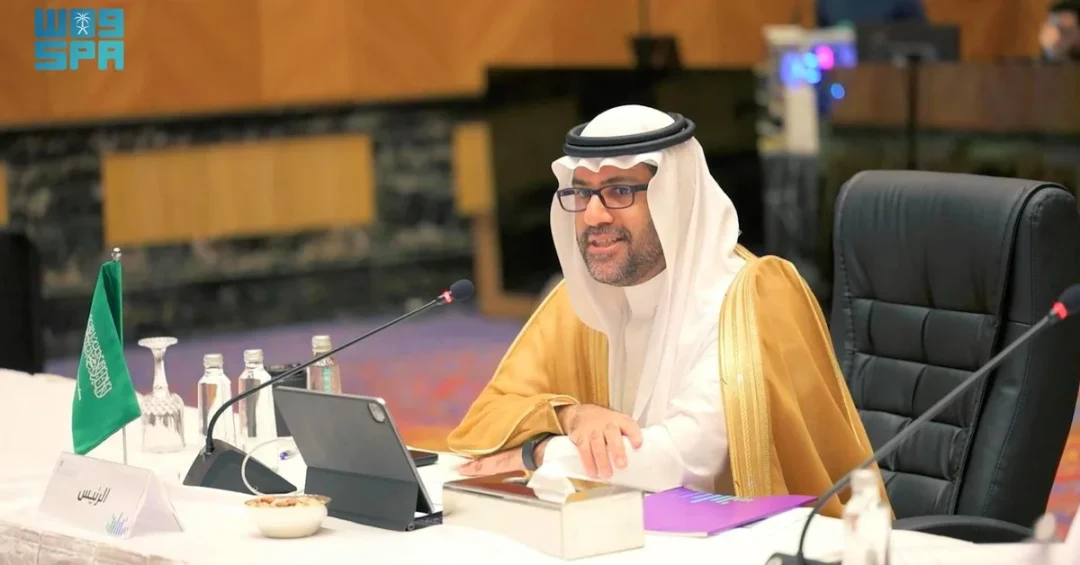
Saudi Arabia, represented by the General Authority for Statistics (GASTAT), chaired the 42nd session of the Arab League Economic and Social Council’s Permanent Technical Committee for Statistics, held in Jeddah on November 6 and 7, 2024. The meeting brought together heads of official statistical centers from across the Arab world to strengthen the exchange of technical and statistical expertise, with a focus on producing accurate data for sustainable development indicators and activating tourism sustainability metrics.
How does a two-day technical gathering in Jeddah shape the quality of decisions taken by governments and international organizations across the region? The answer lies in the unique role statistical cooperation plays in modern governance. In an era when policymakers must respond to fast-moving economic, social, and environmental challenges, reliable data has become as strategic as energy or infrastructure. By convening the region’s top statisticians, Saudi Arabia reinforced its position as a convening power in the Arab world and a driving force behind evidence-based policymaking. The session also underscored the Kingdom’s commitment to Vision 2030, which places data-driven planning at the heart of its economic transformation.
Context and Background
Why does a committee founded more than half a century ago still matter today? The Permanent Technical Committee for Statistics held its first meeting in 1972 in Cairo, with representatives from the heads of Arab statistical offices. Its founding mission was to develop official statistical systems across Arab countries, strengthen their capabilities at every stage of statistical activity, and enhance technical programs. Over the decades, the committee has evolved into a central platform for harmonizing methodologies, sharing best practices, and aligning national data systems with international standards.
The 42nd session, hosted in Jeddah, built on that legacy. GASTAT President Dr. Fahad bin Abdullah Al-Dosari opened the meeting by expressing his appreciation to the League of Arab States for its significant efforts to facilitate cooperation between member states in the field of statistics. He underlined the vital role of member states in advancing cooperation and joint Arab action in the field of statistics. His remarks set a collaborative tone for the discussions that followed.
Why is statistical harmonization so important for the Arab region? Because comparable data allows governments to benchmark progress, design effective policies, and attract investment. When statistical agencies use consistent definitions and methodologies, the resulting indicators become a common language that finance ministries, central banks, international organizations, and private investors can all rely on. This is particularly critical for tracking the Sustainable Development Goals (SDGs), where fragmented data can obscure real progress and delay targeted interventions.
Key Details
What specific priorities did the committee set for the coming year? According to Dr. Al-Dosari, the 42nd session underscored the importance of discussing the provision of accurate and comprehensive statistics for sustainable development indicators. This includes monitoring indicators, collecting and exchanging data with regional and international organizations, activating the production of tourism sustainability indicators, and enhancing the exchange of data and statistical indicators between the official statistical agencies of Arab countries.
The emphasis on tourism sustainability indicators is particularly timely. As Arab economies diversify away from hydrocarbons, tourism has emerged as a key growth sector. Saudi Arabia alone aims to attract 150 million visitors annually by 2030. Measuring the sustainability of tourism—its environmental footprint, economic contribution, and social impact—requires robust statistical frameworks. By championing this agenda at the regional level, GASTAT is helping to create the tools that will allow policymakers to manage tourism growth responsibly.
The meeting also provided a platform for heads of statistical centers to share technical expertise. Discussions covered data collection methodologies, the use of new technologies in statistical production, and strategies for improving response rates in surveys. These exchanges are vital for smaller statistical agencies that may lack the resources to develop advanced systems independently. Through the committee, they gain access to best practices and peer support that accelerate their own capacity-building efforts.
International and Regional Impact
How does Arab statistical cooperation resonate beyond the region? The work of the Permanent Technical Committee feeds into broader international frameworks, including the United Nations Statistical Commission and the SDG indicator framework. When Arab countries speak with a coordinated voice on statistical matters, they can more effectively influence global standards and ensure that regional realities are reflected in international methodologies. This is especially important for issues like water scarcity, energy transition, and labor migration, where the Arab world has unique experiences to share.
Moreover, the committee’s efforts support the Arab League’s broader economic and social integration agenda. Reliable, comparable data is a prerequisite for trade facilitation, investment flows, and joint development projects. By strengthening statistical systems, the committee is laying the groundwork for deeper economic cooperation. For international investors, the availability of high-quality data reduces uncertainty and makes the region more attractive as a destination for capital.
What role does Saudi Arabia play in this ecosystem? As the host of the 42nd session and the chair of the committee, the Kingdom demonstrated its commitment to regional leadership. GASTAT has undergone a significant transformation in recent years, adopting advanced technologies such as satellite imagery, big data analytics, and mobile data collection. Sharing these innovations with fellow Arab statistical agencies reinforces Saudi Arabia’s position as a knowledge hub and a catalyst for regional development.
Economic and Strategic Significance
Why should businesses and investors pay attention to statistical committee meetings? Because data is the foundation of market intelligence. When statistical agencies improve the timeliness and accuracy of their indicators, businesses can make better-informed decisions about where to invest, what products to launch, and how to manage risk. The committee’s work on sustainable development indicators, for example, will generate data on environmental performance, social inclusion, and governance—factors that are increasingly material to investment decisions.
For Saudi Arabia, hosting and chairing the session aligns with its strategic goal of becoming a global hub for data and analytics. The Kingdom has launched several initiatives to modernize its statistical infrastructure, including the transformation of GASTAT into a world-class statistical authority. These efforts support Vision 2030 by providing the evidence base for economic diversification, social reform, and environmental sustainability. By leading the regional conversation, Saudi Arabia is also positioning itself as a bridge between Arab statistical systems and international best practices.
The focus on tourism sustainability indicators has direct economic implications. As the region invests heavily in tourism infrastructure—from NEOM’s futuristic destinations to heritage sites in Egypt and Jordan—the ability to measure sustainability will determine whether growth is inclusive and environmentally sound. The committee’s work will help ensure that tourism development is guided by data, not guesswork, maximizing benefits while minimizing negative impacts.
Vision 2030 Alignment
How does this session connect to Saudi Arabia’s long-term vision? Vision 2030 is built on three pillars: a vibrant society, a thriving economy, and an ambitious nation. Each of these pillars depends on accurate, timely data. GASTAT’s leadership in the Arab statistical community directly supports the ambitious nation pillar by enhancing government effectiveness and transparency. It also supports the thriving economy pillar by providing the data needed to attract investment and measure economic diversification.
Furthermore, the session’s emphasis on sustainable development indicators aligns with Saudi Arabia’s commitment to the SDGs and its own environmental goals, including the Saudi Green Initiative. By championing tourism sustainability metrics, the Kingdom is helping to shape a regional approach to responsible tourism that balances economic growth with environmental protection. This is a clear example of how Saudi Arabia is using its convening power to advance shared Arab interests and global sustainability agendas.
As the 42nd session concluded, participants left with a renewed sense of purpose and a concrete agenda for the year ahead. The meeting in Jeddah was not merely a technical exercise; it was a reaffirmation of the Arab world’s commitment to cooperation, evidence-based policymaking, and sustainable development. Under Saudi leadership, the Permanent Technical Committee for Statistics is poised to play an even greater role in shaping the region’s future—one data point at a time. How will the decisions taken in Jeddah ripple through the region’s economies and societies in the years to come? The answer will be found in the statistics themselves.
20 Questions
Q1. Which Saudi authority represented the Kingdom at the 42nd session of the Permanent Technical Committee for Statistics?
A1. The General Authority for Statistics (GASTAT) represented Saudi Arabia at the session, which was held in Jeddah on November 6 and 7, 2024.
Q2. Where and when was the 42nd session of the committee held?
A2. The session took place in Jeddah, Saudi Arabia, on November 6 and 7, 2024, bringing together heads of Arab statistical centers.
Q3. Who opened the meeting on behalf of Saudi Arabia?
A3. GASTAT President Dr. Fahad bin Abdullah Al-Dosari opened the meeting and expressed appreciation to the League of Arab States for facilitating cooperation.
Q4. What is the main purpose of the Permanent Technical Committee for Statistics?
A4. Its purpose is to develop official statistical systems in Arab countries, strengthen their capabilities, and enhance technical programs for accurate data production.
Q5. When and where was the first meeting of the committee held?
A5. The first meeting was held in 1972 in Cairo, with participation from representatives of Arab statistical offices.
Q6. What key topics were discussed at the 42nd session?
A6. Discussions focused on accurate statistics for sustainable development indicators, data exchange with regional and international organizations, and tourism sustainability indicators.
Q7. Why are tourism sustainability indicators important for Arab countries?
A7. They help measure the environmental, economic, and social impacts of tourism, supporting responsible growth as Arab economies diversify away from hydrocarbons.
Q8. How does the committee enhance cooperation among Arab statistical agencies?
A8. It provides a platform for sharing methodologies, best practices, and technical expertise, helping agencies align their systems with international standards.
Q9. What role does the League of Arab States play in this committee?
A9. The League facilitates cooperation between member states and supports the committee’s work under its Economic and Social Council.
Q10. How does Saudi Arabia benefit from chairing this session?
A10. It reinforces the Kingdom’s leadership in regional statistics, supports Vision 2030 goals, and positions GASTAT as a knowledge hub.
Q11. What are sustainable development indicators?
A11. They are metrics used to track progress toward the UN Sustainable Development Goals, covering economic, social, and environmental dimensions.
Q12. Why is data exchange with international organizations important?
A12. It ensures that Arab data is comparable globally, allows for benchmarking, and helps influence international statistical standards.
Q13. How does GASTAT’s work support Vision 2030?
A13. By providing accurate data for evidence-based policymaking, GASTAT supports economic diversification, social reform, and government transparency under Vision 2030.
Q14. What technologies are Arab statistical agencies adopting?
A14. They are adopting satellite imagery, big data analytics, and mobile data collection to improve the speed and accuracy of statistical production.
Q15. How does statistical cooperation benefit international investors?
A15. Reliable, comparable data reduces uncertainty and helps investors make informed decisions about markets and opportunities in the Arab region.
Q16. What is the significance of the committee’s 42nd session for regional integration?
A16. It strengthens the data foundation needed for trade facilitation, investment flows, and joint development projects across the Arab world.
Q17. How does the committee address capacity-building for smaller statistical agencies?
A17. Through peer support and knowledge sharing, smaller agencies gain access to best practices and technical assistance they might not develop independently.
Q18. What is the link between statistics and the Saudi Green Initiative?
A18. Accurate environmental indicators help track progress on Saudi Green Initiative goals, such as emissions reduction and renewable energy expansion.
Q19. How often does the Permanent Technical Committee for Statistics meet?
A19. It meets annually in regular sessions, with the 42nd session being held in 2024; the first was in 1972.
Q20. What is the expected outcome of the 42nd session?
A20. Enhanced regional cooperation, improved statistical methodologies, and a concrete agenda for producing accurate data on sustainable development and tourism sustainability.
Reader Feedback
We value your thoughts. Please share your feedback on this article.
Your feedback helps us improve our coverage.
Related articles
 AUDI and Egypt’s HBRC Sign Urban Development Protocol
 Monsha’at, Estonia’s Miltton CIO World Sign Deal to Boost Innovation
 RDIA to Organize Sustainability Innovation Week During UNCCD COP16
 Saudi Arabia Calls for Global Action on Hunger at Addis Ababa Summit
 International Fire Operations Conference Concludes in Riyadh
 KSU Showcases Advisory Services at WUF12 in Cairo