


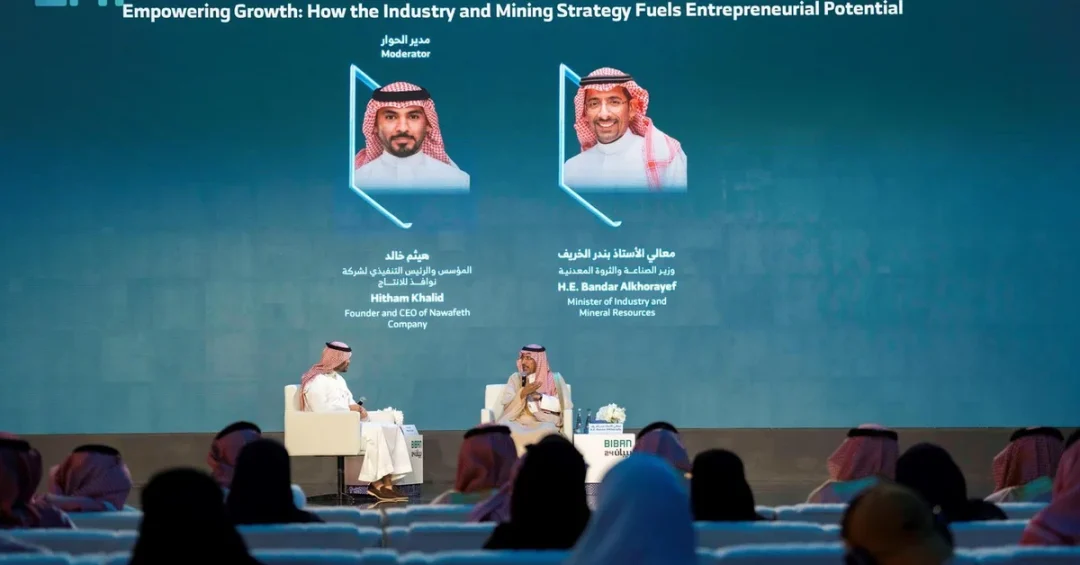
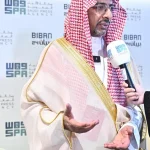
Saudi Arabia stands on the threshold of a promising industrial future, Minister of Industry and Mineral Resources Bandar Ibrahim Alkhorayef told entrepreneurs and business leaders at the Biban24 Forum in Riyadh on November 7, 2024, outlining a comprehensive strategy to harness the Fifth Industrial Revolution for enhanced global competitiveness. The minister’s remarks, delivered during a session titled “Empowering Growth: How the Industry and Mining Strategy Fuels Entrepreneurial Potential,” underscored the Kingdom’s commitment to building a sustainable industrial environment that positions entrepreneurship as a cornerstone of economic and social development.
What does it mean for a nation to stand on the threshold of industrial transformation? For Saudi Arabia, it means leveraging decades of economic planning, strategic investments in human capital, and a clear-eyed vision of diversification to create an ecosystem where innovative ideas can flourish into globally competitive enterprises. The Biban24 Forum, organized by the Small and Medium Enterprises General Authority (Monsha’at), serves as a critical platform for connecting entrepreneurs, investors, and policymakers, and Minister Alkhorayef’s address highlighted how the industrial and mining sectors are being positioned as engines of entrepreneurial opportunity. The forum, which brings together thousands of participants from across the Kingdom and beyond, reflects Saudi Arabia’s determination to foster a dynamic private sector that can compete on the world stage.
Context and Background
How did Saudi Arabia arrive at this pivotal moment in its industrial evolution? The answer lies in the systematic implementation of Vision 2030, the comprehensive national transformation plan launched in 2016 by Crown Prince Mohammed bin Salman. The National Industrial Development and Logistics Program (NIDLP), one of the Vision 2030 realization programs, has been instrumental in restructuring the Kingdom’s industrial base, identifying priority sectors, and creating the regulatory frameworks necessary for sustainable growth. Minister Alkhorayef’s leadership of the Ministry of Industry and Mineral Resources has focused on translating these strategic objectives into tangible opportunities for businesses of all sizes.
The Biban24 Forum represents the maturation of Saudi Arabia’s entrepreneurial ecosystem. Since its inception, the forum has grown into one of the region’s largest gatherings of entrepreneurs, investors, and innovation stakeholders. The presence of senior government officials, including Minister Alkhorayef, demonstrates the alignment between public policy and private sector ambitions. The minister’s emphasis on entrepreneurship as a driver of job creation, innovation, and income diversification reflects a broader understanding within Saudi leadership that sustainable economic growth requires a vibrant ecosystem of small and medium enterprises capable of scaling into significant contributors to national output.
The industrial and mining sectors have been identified as particularly promising areas for entrepreneurial development. Saudi Arabia’s geological wealth, including vast reserves of minerals essential for modern technologies, combined with its strategic location connecting three continents, provides a natural foundation for industrial ventures. The ministry’s strategy recognizes that transforming these advantages into competitive industries requires not only capital investment but also the creativity, agility, and risk-taking that entrepreneurs bring to the economy.
Key Details
What specific mechanisms is Saudi Arabia deploying to convert entrepreneurial potential into industrial success? Minister Alkhorayef outlined several targeted programs designed to support innovative business ideas from conception through commercialization. The “Nomu” program provides comprehensive support for industrial entrepreneurs, offering technical assistance, mentorship, and access to financing. The 1K Mile program, another flagship initiative, focuses on accelerating the growth of promising industrial startups, helping them navigate the challenges of scaling operations and entering new markets. These programs reflect a sophisticated understanding that entrepreneurship is a journey requiring sustained support at multiple stages of development.
The minister illustrated his vision with examples of global companies that began as simple ideas. Google started with a straightforward concept for organizing digital information and transformed how humanity interacts with knowledge. Amazon revolutionized retail by reimagining how consumers access products. These examples, Alkhorayef noted, demonstrate that today’s innovative idea can become tomorrow’s industry leader with the right support and execution. He also highlighted inspirational Saudi examples, including the United Defense Company factory, which specializes in unmanned aircraft production and represents the Kingdom’s growing capabilities in advanced manufacturing.
Modern technologies in the industrial sector offer unprecedented opportunities for entrepreneurs and small to medium enterprises, the minister emphasized. The adoption of Fourth Industrial Revolution applications—including artificial intelligence, the Internet of Things, and advanced automation—enables businesses to reduce operational costs, increase production efficiency, and develop innovative new products and services. Digital marketing and e-commerce platforms further facilitate market access, allowing Saudi entrepreneurs to reach customers not only within the Kingdom but across the region and globally. This technological enablement is particularly significant for SMEs, which often lack the resources of larger competitors but can leverage digital tools to compete effectively.
Minister Alkhorayef underscored that Saudi Arabia has identified 12 priority industrial sectors within its national industry strategy. These sectors were selected based on the Kingdom’s competitive advantages, including its distinctive geographical location at the crossroads of global trade routes, rich natural resources spanning minerals and hydrocarbons, and a qualified human cadre of engineers, technicians, and skilled workers. The minister asserted that these priority sectors offer more than 800 investment opportunities available for entrepreneurs and SMEs, representing a substantial pipeline of projects that can contribute to achieving the Kingdom’s sustainable development goals.
International and Regional Impact
How will Saudi Arabia’s industrial transformation reshape regional economic dynamics? The Kingdom’s strategic position as the largest economy in the Middle East and North Africa region means that its industrial development carries significant implications for neighboring countries and global trading partners. As Saudi Arabia builds out its industrial base, it creates opportunities for regional integration, supply chain development, and technology transfer. The Biban24 Forum itself attracted international participation, reflecting global interest in the Kingdom’s economic diversification efforts and the opportunities they present for foreign investors and partners.
The focus on entrepreneurship and SMEs aligns with global economic trends emphasizing the role of small businesses in driving innovation and job creation. Saudi Arabia’s approach, which combines targeted government support with market-oriented policies, offers a model that other emerging economies are watching closely. The Kingdom’s success in creating a thriving entrepreneurial ecosystem could inspire similar initiatives across the region, contributing to broader economic development and stability. Additionally, the emphasis on advanced technologies positions Saudi Arabia to participate in global value chains for high-tech products and services, moving beyond traditional commodity exports.
The international dimension extends to partnerships and knowledge exchange. Saudi Arabia has been actively engaging with leading global companies, research institutions, and entrepreneurial hubs to bring best practices and expertise to the Kingdom. These collaborations support the transfer of technology and skills, accelerating the development of local capabilities. The Biban24 Forum serves as a venue for such exchanges, connecting Saudi entrepreneurs with international counterparts and exposing them to global markets and trends.
Economic and Strategic Significance
What makes this moment particularly significant for Saudi Arabia’s economic future? The Kingdom is at an inflection point where years of planning and investment are beginning to yield visible results. The industrial sector’s contribution to GDP has been growing, and the pipeline of new projects indicates accelerating momentum. The 800 investment opportunities identified across priority sectors represent potential for significant capital deployment, job creation, and export diversification. For a nation historically dependent on hydrocarbon revenues, this industrial expansion represents a fundamental shift toward a more resilient and diversified economic structure.
The strategic significance extends beyond economic metrics. Industrial development enhances national security by reducing dependence on imports for critical goods and materials. It builds technological capabilities that are essential for defense, healthcare, and other strategic sectors. It creates employment opportunities for Saudi youth, addressing demographic pressures and ensuring that the Kingdom’s growing population can contribute to and benefit from economic progress. The focus on entrepreneurship specifically empowers individuals to create their own opportunities, fostering a culture of innovation and self-reliance that aligns with Vision 2030’s emphasis on a thriving private sector.
The mining sector, which Minister Alkhorayef oversees alongside industry, represents a particularly promising frontier. Saudi Arabia’s mineral wealth, estimated at trillions of dollars in untapped reserves, offers opportunities for exploration, extraction, processing, and downstream manufacturing. The development of this sector requires entrepreneurial ventures in areas such as mining technology, environmental management, and logistics, creating a multiplier effect that extends across the economy.
Vision 2030 Alignment
How does Minister Alkhorayef’s message at Biban24 connect to Saudi Arabia’s broader national transformation? Vision 2030, the Kingdom’s roadmap for economic and social development, identifies a vibrant private sector as essential to reducing dependence on oil and creating a dynamic, diversified economy. The emphasis on entrepreneurship and SMEs directly supports this objective, as small businesses are recognized globally as engines of job creation and innovation. The industrial and mining sectors’ focus on advanced technologies and sustainable practices aligns with Vision 2030’s commitment to environmental responsibility and technological leadership.
The Biban24 Forum exemplifies the collaborative approach that defines Vision 2030 implementation, bringing together government, private sector, and international partners in pursuit of shared goals. Minister Alkhorayef’s presence and his detailed exposition of programs and opportunities demonstrate the Kingdom’s commitment to supporting entrepreneurs at every stage of their journey. As Saudi Arabia continues to build its industrial future, the foundation laid through initiatives like the Nomu program, the 1K Mile program, and the identification of 12 priority sectors will enable the Kingdom to compete globally, create prosperity for its citizens, and contribute to regional and global economic development. The promising industrial future the minister described is not merely an aspiration but a carefully planned destination, with clear pathways and substantial opportunities for those ready to seize them.
20 Questions
Q1. What did Minister Bandar Ibrahim Alkhorayef say about Saudi Arabia’s industrial future at Biban24?
A1. Minister Alkhorayef stated that Saudi Arabia is on the threshold of a promising industrial future, drawing inspiration from the Fifth Industrial Revolution to enhance global competitiveness and establish a sustainable industrial environment supporting entrepreneurs and economic diversification.
Q2. What is the Biban24 Forum and where was it held?
A2. Biban24 is a major entrepreneurship forum organized by the Small and Medium Enterprises General Authority (Monsha’at), held in Riyadh. It brings together entrepreneurs, investors, and policymakers to discuss opportunities and support for small and medium enterprises in Saudi Arabia.
Q3. What role does entrepreneurship play in Saudi Arabia’s economic development?
A3. Entrepreneurship is a crucial cornerstone for economic and social development, creating new job opportunities, fostering innovation, and diversifying income sources. It supports the Kingdom’s efforts to build a sustainable, diversified economy aligned with Vision 2030 objectives.
Q4. What programs support industrial entrepreneurs in Saudi Arabia?
A4. The “Nomu” program and the 1K Mile program support innovative entrepreneurial ideas. These initiatives provide incubator and industrial accelerator services, helping entrepreneurs develop their concepts and contribute to diversifying the Saudi economy.
Q5. How does the minister describe the entrepreneurial journey?
A5. Minister Alkhorayef describes entrepreneurship as a journey beginning with a creative idea that could evolve into a giant company. He cited global examples like Google and Amazon, as well as Saudi examples like the United Defense Company.
Q6. What examples of successful companies did the minister mention?
A6. The minister mentioned Google, which started with a search engine idea and transformed digital interaction, and Amazon, which changed global shopping habits. He also highlighted the United Defense Company factory specializing in unmanned aircraft production.
Q7. How do modern technologies benefit entrepreneurs and SMEs?
A7. Modern technologies in the industrial sector, including Fourth Industrial Revolution applications, help reduce operational costs, increase production efficiency, foster innovation through AI, and develop new products. Digital marketing and e-commerce facilitate market access.
Q8. How many priority industrial sectors has Saudi Arabia identified?
A8. Saudi Arabia has identified 12 priority industrial sectors in its national industry strategy. These were selected based on the Kingdom’s competitive advantages, including geographical location, natural resources, and qualified human cadres.
Q9. How many investment opportunities are available in these priority sectors?
A9. The 12 priority industrial sectors offer more than 800 investment opportunities for entrepreneurs and SMEs. These opportunities contribute to achieving the Kingdom’s sustainable development goals and economic diversification objectives.
Q10. What competitive advantages support Saudi Arabia’s industrial strategy?
A10. Saudi Arabia’s competitive advantages include its distinctive geographical location connecting three continents, rich natural resources including minerals and hydrocarbons, and a qualified human cadre of engineers, technicians, and skilled workers supporting industrial development.
Q11. What is the significance of the Fifth Industrial Revolution for Saudi Arabia?
A11. The Fifth Industrial Revolution emphasizes human-machine collaboration and sustainable practices. Saudi Arabia draws inspiration from it to enhance global competitiveness, establish a sustainable industrial environment, and position itself as a leader in advanced manufacturing.
Q12. How does the industrial strategy support Vision 2030?
A12. The industrial strategy supports Vision 2030 by diversifying the economy away from oil dependence, creating jobs, fostering innovation, and building a sustainable industrial base. It aligns with the goal of a vibrant private sector.
Q13. What support does the Saudi government provide to industrial entrepreneurs?
A13. The government provides incubator and industrial accelerator programs, technical assistance, mentorship, access to financing, and regulatory support. These initiatives help entrepreneurs navigate challenges and scale their operations successfully.
Q14. How does digital marketing help Saudi entrepreneurs?
A14. Digital marketing and e-commerce platforms facilitate market access, allowing Saudi entrepreneurs to reach customers within the Kingdom, across the region, and globally. This helps SMEs compete effectively despite limited resources compared to larger competitors.
Q15. What is the United Defense Company factory?
A15. The United Defense Company factory is a Saudi enterprise specializing in unmanned aircraft production. It represents an inspirational national entrepreneurial model and demonstrates the Kingdom’s growing capabilities in advanced manufacturing and defense technologies.
Q16. How does the industrial strategy create job opportunities?
A16. The industrial strategy creates jobs by supporting new business formation, expanding existing enterprises, and developing priority sectors. Entrepreneurship generates employment as new companies grow and require additional workers with various skills.
Q17. What role do SMEs play in Saudi Arabia’s economic diversification?
A17. SMEs are essential to economic diversification, contributing to GDP growth, innovation, and job creation. They bring agility and creativity to the economy, complementing larger enterprises and helping build a resilient industrial base.
Q18. How does the mining sector fit into Saudi Arabia’s industrial strategy?
A18. The mining sector represents a promising frontier with significant untapped mineral reserves. Its development creates opportunities for exploration, extraction, processing, and downstream manufacturing, contributing to economic diversification and industrial growth.
Q19. What makes Saudi Arabia’s industrial future promising?
A19. Saudi Arabia’s industrial future is promising due to strategic planning, government support for entrepreneurs, competitive advantages in location and resources, adoption of advanced technologies, and alignment with Vision 2030 objectives for sustainable economic development.
Q20. How can entrepreneurs access the 800 investment opportunities?
A20. Entrepreneurs can access these opportunities through programs like Nomu and 1K Mile, by engaging with the Ministry of Industry and Mineral Resources, and by participating in forums like Biban24 that connect entrepreneurs with investors and resources.
Reader Feedback
We value your thoughts. Please share your feedback on this article.
Your feedback helps us improve our coverage.
Related articles
 Biban24 Forum Highlights Digital Innovation, E-Commerce
 Monsha’at and Mukatafa Sign MoU to Boost Saudi Retail Sector
 SOCPA Chief Dr. Al-Maghames Appointed to IFAC Board
 Biban24 Day Three: 23 Deals Worth SAR580 Million Signed
 Fankha Dates Festival Kicks Off in Hail
 SPA Joins Biban24 as Media Partner in Riyadh