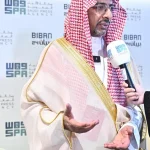
Dr. Ahmed bin Abdullah Al-Maghames, the chief executive of the Saudi Organization for Chartered and Professional Accountants (SOCPA), has been appointed to the board of the International Federation of Accountants (IFAC) for a three-year term, following a decision announced by the IFAC General Assembly in Riyadh on November 8, 2024. The appointment, confirmed through the Saudi Press Agency, places a senior Saudi professional at the center of global accounting governance and reflects the Kingdom’s expanding influence in international financial standard-setting.
IFAC is the worldwide organization for the accountancy profession, representing more than three million professional accountants in over 130 countries and jurisdictions. Its board oversees strategic direction, global advocacy, and the development of international standards that underpin financial reporting and auditing across markets. Dr. Al-Maghames’ election to this body is therefore not merely an individual honor; it signals that Saudi Arabia’s regulatory and professional infrastructure is now regarded as a contributor to global best practice, not simply an adopter of it. For international readers, the development offers a clear lens on how the Kingdom is translating its economic modernization into leadership roles in the institutions that govern world finance.
Context and Background
How did Saudi Arabia’s accountancy profession reach the point where its chief regulator is entrusted with a seat on the IFAC board? The answer lies in more than a decade of sustained institutional development. SOCPA, established as the Kingdom’s official body for chartered and professional accountants, has progressively aligned Saudi standards with international frameworks, including International Financial Reporting Standards (IFRS) and International Standards on Auditing (ISA). This alignment has been central to building the transparency and credibility that global investors expect when they commit capital to Saudi markets.
The appointment also comes at a moment when the accounting profession itself is under pressure to adapt. Digital reporting, sustainability disclosure, and the fight against financial crime are reshaping what auditors and accountants do. IFAC has responded by updating its international standards and expanding its advocacy for strong professional bodies. Having a Saudi voice in that conversation ensures that the perspectives of emerging and fast-growing economies are represented in decisions that have historically been shaped by older markets.
Dr. Al-Maghames has led SOCPA through a period of significant reform, including the modernization of licensing requirements, the expansion of continuing professional education, and the adoption of technology-driven oversight tools. His candidacy for the IFAC board was therefore grounded in a track record of domestic delivery, not merely diplomatic positioning. The three-year term gives him a platform to contribute to IFAC’s strategic priorities while bringing lessons from Saudi Arabia’s rapid economic transformation back to the global table.
Key Details of the Appointment
According to the official announcement carried by the Saudi Press Agency, the IFAC General Assembly confirmed Dr. Al-Maghames as a board member for a three-year term. The decision was taken during the federation’s general assembly proceedings, where member bodies from around the world vote on governance positions. IFAC board members are responsible for setting the federation’s strategic direction, approving its work program, and representing the profession in dialogues with international regulators and standard-setters.
The announcement explicitly linked the selection to Saudi Arabia’s international standing and its ongoing efforts to advance the accounting and auditing profession. It also emphasized the Kingdom’s commitment to fostering global professional collaboration and knowledge exchange. These are not abstract goals: IFAC’s work directly affects how multinational companies report earnings, how banks assess risk, and how governments design tax and anti-corruption systems. A Saudi representative on the board can help ensure that the standards developed in these areas are practical for economies at every stage of development.
Dr. Al-Maghames’ role as SOCPA’s chief executive gives him direct insight into the challenges facing professional bodies in emerging markets, from building a pipeline of qualified accountants to enforcing ethical standards in rapidly growing sectors. His appointment is expected to strengthen cooperation between IFAC and Saudi professional institutions, opening avenues for joint research, training, and capacity-building initiatives. It also reinforces the Kingdom’s broader strategy of embedding itself in the multilateral institutions that shape global economic rules.
International and Regional Impact
What does a Saudi seat on the IFAC board mean for the wider Middle East and for international markets? For regional professionals, it offers visible proof that careers in accounting and auditing can reach the highest levels of global governance. That matters for a region where the demand for qualified financial talent is rising sharply, driven by infrastructure megaprojects, sovereign wealth fund activity, and the growth of capital markets. A Saudi board member can advocate for programs that expand certification pathways and professional mobility across the region.
For international investors, the appointment is a signal of continuity and reliability. Saudi Arabia has spent years strengthening its financial reporting ecosystem to meet the expectations of global index providers and institutional investors. Having SOCPA’s chief executive on the IFAC board deepens that alignment. It also creates a direct channel for Saudi perspectives to inform IFAC’s positions on issues such as sustainability reporting, where the Kingdom has a strong interest in ensuring that standards are workable for energy-exporting economies and do not impose disproportionate compliance burdens on developing markets.
Beyond the technical realm, the appointment adds to a pattern of Saudi leadership in global organizations. From energy forums to health and humanitarian bodies, the Kingdom has been steadily increasing its participation in institutions that set international norms. Each such role builds diplomatic capital and reinforces the message that Saudi Arabia is a constructive partner in addressing shared challenges. The IFAC board position is a natural extension of that strategy, grounded in a profession that underpins trust in every economy.
Economic and Strategic Significance
Why should a board appointment in an accountancy federation matter to anyone outside the profession? Because accounting is the language of capital. Reliable financial reporting lowers the cost of investment, reduces the risk of fraud, and enables governments to collect revenue fairly. When Saudi professionals help set the rules for that language, the Kingdom gains influence over the infrastructure of global finance. That influence can translate into tangible benefits, from smoother access to international capital markets to a stronger voice in debates over corporate transparency and tax policy.
The appointment also supports Saudi Arabia’s efforts to diversify its economy by strengthening its professional services sector. As Vision 2030 programs create new industries, the demand for auditing, advisory, and compliance expertise grows. International recognition of Saudi professional leadership helps attract global firms to establish or expand operations in the Kingdom, creating high-value jobs and knowledge transfer. It also encourages young Saudis to pursue careers in accounting, knowing that the path can lead to global roles.
Strategically, the IFAC board seat complements Saudi Arabia’s role in the G20 and other multilateral economic forums. It ensures that the technical work of standard-setting is informed by the realities of a rapidly transforming economy. And it reinforces the Kingdom’s reputation as a reliable partner in international efforts to combat corruption, improve public financial management, and promote sustainable development, all of which depend on strong accountancy institutions.
Vision 2030 Alignment
How does this appointment connect to Vision 2030, the Kingdom’s blueprint for economic and social transformation? Vision 2030 aims to build a diversified, knowledge-driven economy with high standards of governance and transparency. A robust accountancy profession is essential to that goal: it gives investors confidence, supports effective regulation, and helps ensure that public and private resources are managed responsibly. By placing SOCPA’s chief executive on the IFAC board, Saudi Arabia is demonstrating that its commitment to these values extends to the global stage.
The appointment also reflects Vision 2030’s emphasis on developing Saudi talent and leadership. Dr. Al-Maghames’ career illustrates how domestic institutions can produce professionals capable of shaping international agendas. His three-year term offers an opportunity to showcase Saudi expertise, build partnerships, and bring global best practices home. In doing so, it strengthens the ecosystem that will support the Kingdom’s next phase of growth, from NEOM and the Red Sea projects to the continued expansion of Tadawul and the asset management industry. For ksa.com readers, the message is clear: Saudi Arabia is not just participating in the global economy; it is helping to write its rules.
20 Questions
Q1. Who has been appointed to the IFAC board?
A1. Dr. Ahmed bin Abdullah Al-Maghames, the chief executive of the Saudi Organization for Chartered and Professional Accountants (SOCPA), was appointed to the board of the International Federation of Accountants.
Q2. What is IFAC?
A2. IFAC is the International Federation of Accountants, the global organization for the accountancy profession, representing millions of professional accountants in over 130 countries and jurisdictions.
Q3. How long is the IFAC board term?
A3. The appointment is for a three-year term, as announced by the IFAC General Assembly.
Q4. When and where was the appointment announced?
A4. The appointment was announced in Riyadh on November 8, 2024, by the IFAC General Assembly, according to the Saudi Press Agency.
Q5. What is SOCPA?
A5. SOCPA is the Saudi Organization for Chartered and Professional Accountants, the Kingdom’s official body responsible for regulating and developing the accounting and auditing profession.
Q6. Why is this appointment significant for Saudi Arabia?
A6. It underscores Saudi Arabia’s international standing and its ongoing efforts to advance the accounting and auditing profession, while fostering global professional collaboration and knowledge exchange.
Q7. What does the IFAC board do?
A7. The IFAC board sets the federation’s strategic direction, approves its work program, and represents the profession in dialogues with international regulators and standard-setters.
Q8. How does this appointment benefit the Middle East region?
A8. It offers visible proof that regional professionals can reach the highest levels of global governance and can advocate for programs that expand certification pathways and professional mobility.
Q9. What is the connection to Vision 2030?
A9. Vision 2030 seeks a diversified, knowledge-driven economy with high governance standards. A strong accountancy profession supports investor confidence, effective regulation, and responsible resource management, aligning with the appointment.
Q10. What experience does Dr. Al-Maghames bring to the role?
A10. As SOCPA’s chief executive, he has led reforms in licensing, professional education, and technology-driven oversight, giving him direct insight into the challenges facing professional bodies in emerging markets.
Q11. How does this appointment affect international investors?
A11. It signals continuity and reliability in Saudi Arabia’s financial reporting ecosystem, deepening alignment with global expectations and creating a direct channel for Saudi perspectives on international standards.
Q12. What are IFAC’s key priorities?
A12. IFAC focuses on developing international standards, advocating for the profession, and addressing issues such as digital reporting, sustainability disclosure, and combating financial crime.
Q13. Will this appointment create opportunities for Saudi accountants?
A13. Yes, it is expected to strengthen cooperation between IFAC and Saudi institutions, opening avenues for joint research, training, and capacity-building that benefit Saudi professionals.
Q14. How does this fit into Saudi Arabia’s broader global engagement?
A14. It adds to a pattern of Saudi leadership in global organizations, building diplomatic capital and reinforcing the Kingdom’s role as a constructive partner in addressing shared challenges.
Q15. What is the economic significance of accounting standards?
A15. Accounting is the language of capital. Reliable financial reporting lowers investment costs, reduces fraud risk, and enables fair revenue collection, making standard-setting economically vital.
Q16. Does this appointment affect Saudi Arabia’s capital markets?
A16. It supports the credibility of Saudi capital markets by ensuring that local practices align with global standards, which can attract more international investment and improve market efficiency.
Q17. What role does SOCPA play in Saudi Arabia?
A17. SOCPA regulates the accounting profession, sets standards aligned with international frameworks, and develops the skills of Saudi accountants to meet the needs of a growing economy.
Q18. How might this appointment influence global standards?
A18. It ensures that the perspectives of emerging and fast-growing economies are represented in decisions that have historically been shaped by older markets, making standards more practical globally.
Q19. What message does this send to young Saudis?
A19. It shows that careers in accounting and auditing can lead to global roles, encouraging young Saudis to pursue professional qualifications and contribute to the Kingdom’s transformation.
Q20. What is the expected outcome of Dr. Al-Maghames’ term?
A20. His term is expected to strengthen Saudi Arabia’s contribution to global accountancy, foster international partnerships, and bring best practices home to support Vision 2030 goals.
Reader Feedback
We value your thoughts. Please share your feedback on this article.
Your feedback helps us improve our coverage.