


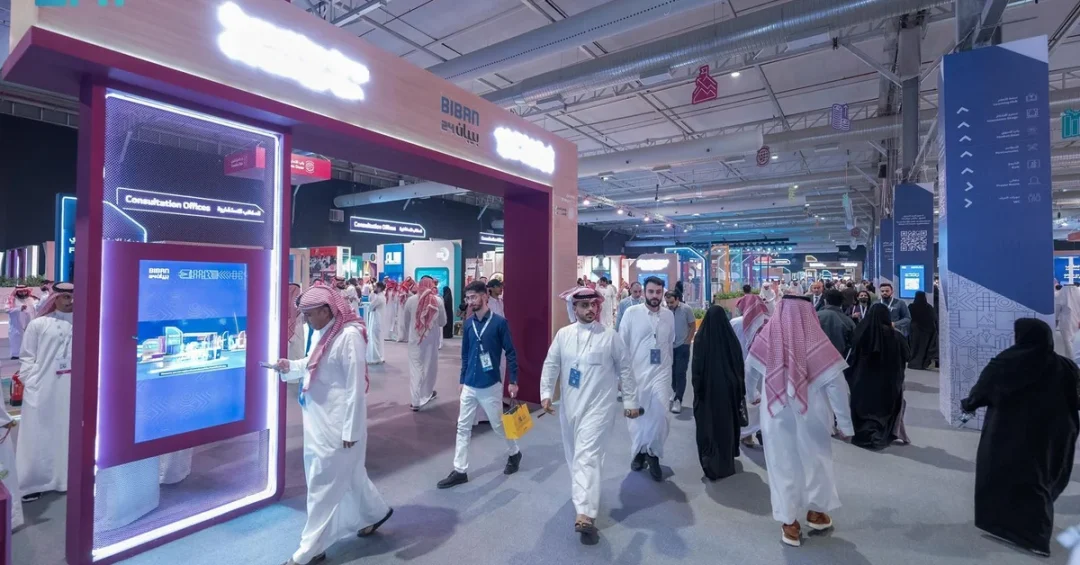
The Franchise Door, a dedicated section of the Biban 24 Forum held in Riyadh, concluded its activities after presenting approximately 1,000 franchise opportunities from more than 70 brands across eight economic sectors, according to the Saudi Press Agency (SPA). The initiative, organized under the umbrella of the Small and Medium Enterprises General Authority (Monsha’at), also featured participation from 12 local and international legal and consulting firms, giving entrepreneurs and investors a structured environment to explore expansion and growth. The forum, which ran in the Saudi capital, underscored the Kingdom’s commitment to building a diversified, private-sector-led economy in line with Vision 2030.
Could a single forum section reshape how an entire region approaches business expansion? For thousands of visitors, the answer was tangible. The Franchise Door was designed as more than an exhibition; it was an integrated advisory and matchmaking platform. Visitors began with awareness workshops on franchising, learning about the supporting entities that regulate and finance the sector. From there, they moved into over 1,000 consulting sessions with specialized advisors, helping them evaluate and select the most suitable deals based on terms and available opportunities. Dedicated meeting rooms allowed in-depth discussions with brand owners, opening doors to partnerships that might otherwise have taken months to negotiate.
Context and Background
Why has franchising become such a central pillar of Saudi Arabia’s enterprise strategy? The answer lies in the structure of the Kingdom’s economy and the ambitions of its young, growing population. Franchising allows proven business models to expand rapidly while reducing the risks that typically accompany new ventures. For Saudi entrepreneurs, it offers a tested pathway into sectors such as food and beverage, retail, education, health, and personal services. For international brands, it provides a regulated, supported entry point into one of the Middle East’s largest consumer markets.
The Biban Forum, organized by Monsha’at, has grown into the region’s flagship event for small and medium enterprises. Its 2024 edition, Biban 24, brought together thousands of entrepreneurs, investors, and policymakers. The Franchise Door was a key component of that gathering, reflecting a deliberate policy choice to professionalize and scale franchising as a tool for economic diversification. Monsha’at’s role is to connect potential franchisees with franchising brands, expand the reach of local and international brands across markets, and help entrepreneurs avoid the common pitfalls of launching untested concepts.
This approach did not emerge overnight. Over the past several years, Saudi Arabia has introduced a series of regulatory and financial reforms designed to make it easier to start, operate, and grow a business. These include simplified licensing, improved access to credit, and dedicated support programs for small and medium enterprises. The Franchise Door at Biban 24 built on that foundation, turning policy into practical, face-to-face opportunities. The presence of legal and consulting firms was no accident: franchising involves complex agreements, territorial rights, and brand standards, and having expert guidance on site helped participants navigate those details with confidence.
Key Details
What exactly did the Franchise Door offer that made it stand out? According to SPA, the section showcased approximately 1,000 franchise opportunities presented by over 70 brands across eight different sectors. Twelve local and international legal and consulting firms participated, providing entrepreneurs and investors with a unique opportunity to explore avenues for expansion and growth. The structure of the experience was carefully sequenced: awareness workshops first, then consulting sessions, then direct meetings with brand owners in dedicated rooms.
The more than 1,000 consulting opportunities were delivered by specialized consultants who helped participants evaluate deals based on terms and available opportunities. This was not a passive exhibition. Participants could assess expansion plans in detail, compare brands, and negotiate in a professional setting. For brand owners, the benefit was equally clear: greater distribution, wider market reach, and the ability to present their projects to a qualified audience of investors and operators. The Franchise Door served as a vital link between investors and franchisors, reducing the information gaps that often slow down deals.
The eight sectors represented reflect the breadth of Saudi Arabia’s consumer economy. Food and beverage remains a perennial favorite, but retail, education, health, beauty, logistics, and business services are also attracting attention. This diversity matters because it shows that franchising is no longer confined to a narrow set of industries. It is becoming a mainstream route to business ownership, capable of absorbing talent and capital across multiple parts of the economy. The involvement of international firms also signals that global brands and advisors see Saudi Arabia as a serious, long-term market.
International and Regional Impact
How does a franchising event in Riyadh resonate beyond Saudi borders? The presence of international legal and consulting firms at the Franchise Door highlights the cross-border nature of modern franchising. Brands from Europe, Asia, and North America increasingly look to the Gulf as a growth region, and Saudi Arabia is the largest market in the Gulf Cooperation Council by population and economic weight. By hosting a structured, professionally supported franchise platform, the Kingdom positions itself as a gateway for international brands seeking regional expansion.
For neighboring countries, the implications are also significant. Franchising networks that establish themselves in Saudi Arabia often extend into other GCC markets, creating regional supply chains, training programs, and employment opportunities. The knowledge and standards developed at events like Biban 24 can raise the overall quality of franchising across the region. In this sense, the Franchise Door is not just a Saudi initiative; it is a regional capacity-building exercise that strengthens the broader Middle Eastern enterprise ecosystem.
Economic and Strategic Significance
Why should economists and investors pay attention to franchising? The global franchising market is vast, and it allows companies to expand into new territories while offering small investors and entrepreneurs the chance to grow and develop their businesses. For Saudi Arabia, this model aligns directly with the goals of increasing private-sector contribution to GDP, creating jobs, and diversifying away from oil dependence. Franchising can accelerate those goals because it leverages proven systems, training, and brand recognition rather than requiring every entrepreneur to invent a new business from scratch.
The strategic significance extends to skills transfer and localization. When international brands enter through franchising, they typically bring training programs, operational standards, and supply-chain requirements. Saudi franchisees and their employees absorb these capabilities, which then spread through the local economy. Over time, this can lead to the creation of homegrown franchise brands that export their own models. The Franchise Door at Biban 24 contributed to this cycle by giving local brands a platform alongside international ones, encouraging them to think beyond the domestic market.
Vision 2030 Alignment
How does the Franchise Door connect to Saudi Arabia’s long-term vision? Vision 2030 aims to build a thriving economy with a vibrant private sector, and small and medium enterprises are central to that ambition. Monsha’at’s work, including the Biban Forum and the Franchise Door, directly supports the vision by empowering entrepreneurs, attracting investment, and expanding the role of SMEs in the national economy. The event demonstrated that the Kingdom is not only opening doors for global brands but also building the infrastructure and expertise needed for sustainable, long-term growth.
The forward-looking conclusion is clear: Saudi Arabia is creating an environment where franchising can flourish as a reliable engine of job creation, innovation, and regional trade. The Franchise Door at Biban 24 was a milestone, but it is also part of a continuous effort to strengthen the enterprise ecosystem. As more brands and investors engage with the Kingdom’s supported platforms, the benefits will multiply across sectors, regions, and generations. For international audiences, the message is that Saudi Arabia is open for business, committed to partnership, and steadily advancing toward the goals of Vision 2030.
20 Questions
Q1. What was the Franchise Door at Biban 24?
A1. The Franchise Door was a key section of the Biban 24 Forum in Riyadh, organized under Monsha’at, that showcased franchise opportunities and connected entrepreneurs with brand owners and advisors.
Q2. How many franchise opportunities were presented?
A2. Approximately 1,000 franchise opportunities were presented by more than 70 brands across eight different sectors, according to the Saudi Press Agency.
Q3. How many brands participated in the Franchise Door?
A3. Over 70 brands participated, representing a wide range of sectors including food and beverage, retail, education, health, and business services.
Q4. Which authority organized the Franchise Door?
A4. The Small and Medium Enterprises General Authority, known as Monsha’at, organized the Franchise Door as part of its broader mission to support SME growth.
Q5. How many legal and consulting firms took part?
A5. Twelve local and international legal and consulting firms participated, providing expert guidance to entrepreneurs and investors exploring franchise deals.
Q6. What sectors were represented at the event?
A6. Eight sectors were represented, spanning food and beverage, retail, education, health, beauty, logistics, business services, and other consumer-facing industries.
Q7. What was the first step for visitors at the Franchise Door?
A7. Visitors began with awareness workshops on franchising, where they learned about the supporting entities and the fundamentals of franchise operations.
Q8. How many consulting opportunities were offered?
A8. More than 1,000 consulting opportunities were offered with specialized consultants who helped participants evaluate and select suitable deals.
Q9. What role did dedicated meeting rooms play?
A9. Dedicated meeting rooms allowed participants to hold in-depth discussions with brand owners, assess expansion plans, and negotiate partnerships in a professional setting.
Q10. What was Monsha’at’s main goal for the Franchise Door?
A10. Monsha’at aimed to drive the growth of franchising by providing investment opportunities and connecting potential franchisees with established franchising brands.
Q11. How did the event help brand owners?
A11. Brand owners gained greater distribution and market reach by showcasing their projects to a qualified audience of investors and entrepreneurs seeking expansion.
Q12. How did the Franchise Door reduce risks for entrepreneurs?
A12. It supported entrepreneurs in reducing risks associated with launching new brands by offering proven models, expert advice, and access to established systems.
Q13. What is the global significance of the franchising industry?
A13. The franchising industry is a vast global market that allows companies to expand into new territories while giving small investors and entrepreneurs the chance to grow their businesses.
Q14. How does franchising support Saudi Arabia’s economy?
A14. Franchising supports economic diversification, job creation, and private-sector growth, all of which are central goals of Saudi Arabia’s Vision 2030 reform agenda.
Q15. Why were international firms present at the event?
A15. International legal and consulting firms participated to provide cross-border expertise, reflecting global interest in Saudi Arabia’s growing franchise market and investment climate.
Q16. What makes Biban 24 significant for SMEs?
A16. Biban 24 is the region’s flagship SME forum, bringing together entrepreneurs, investors, and policymakers to advance small and medium enterprise development in Saudi Arabia.
Q17. How does the Franchise Door link investors and franchisors?
A17. It serves as a vital link by creating structured opportunities for investors and franchisors to meet, share information, and form partnerships that might otherwise take months.
Q18. What benefits do local brands gain from such events?
A18. Local brands gain visibility, access to investors, and the chance to expand their reach in various markets, potentially becoming regional or international franchise operators.
Q19. How does this initiative align with Vision 2030?
A19. It aligns with Vision 2030 by empowering entrepreneurs, expanding the private sector, attracting investment, and building a diversified economy less dependent on oil revenues.
Q20. What is the outlook for franchising in Saudi Arabia?
A20. The outlook is positive, with continued government support, growing investor interest, and expanding international participation expected to drive further growth in the Kingdom’s franchise sector.
Reader Feedback
We value your thoughts. Please share your feedback on this article.
Your feedback helps us improve our coverage.
Related articles
 Agricultural Development Fund Joins BIOFACH SAUDI ARABIA 2024
 Biban24 Forum Concludes with SAR35.4 Billion in Agreements
 Sixth International Date Festival Opens in Jordan
 Entrepreneurship World Cup Winners Announced at Biban24
 Saudi Agricultural Fund Concludes China Import Expo Mission
 SAMA Licenses Mal for Finance Aggregation Services