


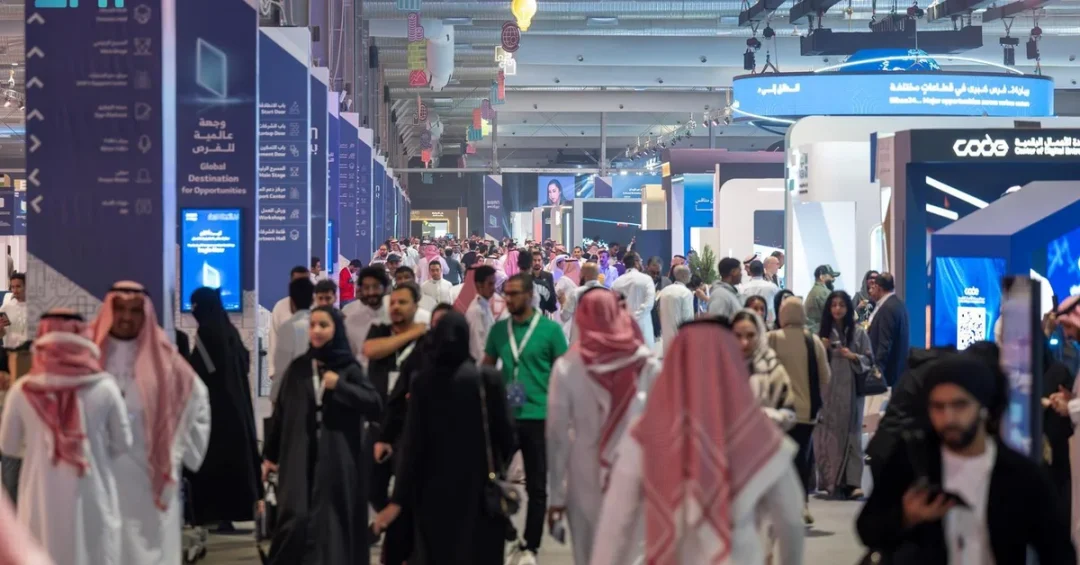
The Biban24 Forum, organized by the Small and Medium Enterprises General Authority (Monsha’at), concluded in Riyadh on November 9, 2024, after five days of activity that produced agreements and initiatives exceeding SAR35.4 billion, according to the Saudi Press Agency. Held under the theme “Global Destination for Opportunities,” the event drew more than 182,000 visitors and reinforced the Kingdom’s position as a leading hub for entrepreneurship and small and medium enterprise development. The forum, which ran from November 5 to 9, brought together founders, investors, policymakers, and international delegations, generating a record volume of financing portfolios and strategic partnerships. For Saudi Arabia, the outcome underscores the central role of SMEs in diversifying the national economy and creating opportunities for a young and ambitious population. The scale of the commitments announced in Riyadh also signals growing global confidence in the Kingdom’s business environment and its Vision 2030 reform agenda.
The Biban24 Forum is the latest edition of a flagship national gathering dedicated to SMEs and entrepreneurship, organized annually by Monsha’at. This year’s event attracted more than 1,300 startups from 72 countries, hosted over 300 panel discussions and workshops, and featured more than 250 local and international speakers. Monsha’at Governor Sami Alhussaini described the forum as a major success, pointing to record agreements and innovative initiatives that support entrepreneurship across the Kingdom. The presence of entrepreneurs from every continent reflects the forum’s evolution into a truly international platform. For a global audience, the event offers a clear window into how Saudi Arabia is building an integrated ecosystem for startups, from early-stage incubation to late-stage investment. The agreements signed in Riyadh are expected to translate into new companies, jobs, and services in the months ahead.
Context and Background
Why has Saudi Arabia placed such emphasis on small and medium enterprises in recent years? The answer lies in the Kingdom’s long-term economic transformation strategy, which seeks to reduce dependence on oil revenues and build a more diversified, knowledge-driven economy. SMEs are widely recognized as engines of job creation and innovation, and Saudi Arabia has made their development a national priority. Monsha’at, the Small and Medium Enterprises General Authority, was established to lead this effort by providing financing, regulatory support, training, and market access. The Biban Forum has become the annual centerpiece of these efforts, offering a platform for entrepreneurs to connect with investors, government agencies, and global partners. Over successive editions, the event has grown in size and ambition, mirroring the rapid expansion of the Kingdom’s startup ecosystem and the increasing interest of international venture capital in Saudi opportunities.
The 2024 edition arrived at a pivotal moment. Saudi Arabia’s non-oil economy has been expanding, supported by major national projects such as NEOM, the Red Sea development, and Qiddiya, as well as a broad privatization and investment program. Small businesses are increasingly integrated into these mega-projects as suppliers, service providers, and technology partners. At the same time, regulatory reforms have made it easier to start and scale a company in the Kingdom, from streamlined licensing to improved access to finance. The Biban24 Forum therefore served both as a showcase for these reforms and as a deal-making venue where ideas could be converted into contracts. The range of sectors represented, including technology, tourism, media, education, sports, and real estate, illustrates how deeply entrepreneurship now cuts across the Saudi economy. For international readers, this context is essential to understanding why a single forum could generate agreements worth tens of billions of riyals.
Another important backdrop is the global competition for entrepreneurial talent. Countries around the world are vying to attract founders, venture capital, and innovative companies. Saudi Arabia has entered this competition with a distinct proposition: a large domestic market, strong government support, strategic location connecting three continents, and a young population eager to build new ventures. The Biban24 Forum, with its international participation from 72 countries, demonstrates that this proposition is resonating. The event also reflects a broader trend in the Middle East, where governments are investing heavily in digital infrastructure and human capital to nurture startup ecosystems. By hosting a forum of this scale, Riyadh reinforces its ambition to be the region’s leading hub for entrepreneurs and investors alike.
Key Details
What exactly did the Biban24 Forum deliver? According to the Saudi Press Agency, the five-day event generated agreements and initiatives exceeding SAR35.4 billion, a record for the forum. Monsha’at Governor Sami Alhussaini said, “Biban24 achieved great success this year. We witnessed record agreements and the introduction of many innovative initiatives that support entrepreneurship in the Kingdom. We are proud of the announcements for financing portfolios and strategic partnerships with prominent local and international entities.” The forum attracted more than 182,000 visitors and featured over 300 panel discussions and workshops, with more than 250 foreign and local speakers participating. The Biban Talks stage alone hosted over 100 speakers who addressed topics including media, tourism, the environment, education, sports, finance, and investment. These sessions provided entrepreneurs with practical insights and opportunities to share their success stories and challenges.
A standout feature of this year’s forum was the Investors Arena, where 115 entrepreneurs presented their projects directly to investors. This initiative resulted in preliminary agreements for investors to sign deals with 65 companies, worth over SAR15 million. While this figure is smaller than the headline SAR35.4 billion, it represents early-stage deals that can grow into significant enterprises. The forum also celebrated the graduation of 12 startups from the Real Estate Innovation Accelerator, a program that supports property technology ventures. In addition, a virtual lab was launched to support entrepreneurs, extending the forum’s impact beyond the physical event. More than 1,300 startups from 72 countries participated, underscoring the international character of the gathering. Together, these details paint a picture of a dynamic marketplace where capital, ideas, and talent converged.
The diversity of participants and topics is another key detail. The forum hosted delegations from across the Middle East, Asia, Europe, and the Americas, reflecting Saudi Arabia’s global reach. Panel discussions covered not only business fundamentals but also emerging fields such as artificial intelligence, sustainable construction, and digital media. For many startups, the forum offered a rare chance to engage directly with government officials and regulators, helping them navigate the Saudi market. The presence of so many international speakers and investors also created opportunities for cross-border partnerships. The agreements announced ranged from financing portfolios to strategic partnerships with prominent local and international entities, indicating that the forum is not merely a networking event but a platform for concrete commitments. This mix of scale and specificity is what distinguishes Biban24 from typical trade shows.
International and Regional Impact
How does a forum in Riyadh reverberate beyond Saudi borders? The participation of startups from 72 countries and speakers from around the world demonstrates that Saudi Arabia is increasingly seen as a global destination for entrepreneurship. International investors who attended the event gained firsthand exposure to Saudi startups and the broader business environment. Many of the agreements signed involved cross-border collaboration, whether through funding, technology transfer, or market access. For regional neighbors, the forum sets a benchmark for how to organize and promote SME development. For global audiences, it signals that the Kingdom is open for business and actively seeking partnerships. The event also strengthens Riyadh’s credentials as a host city for major international gatherings, complementing its growing role in diplomacy, sports, and culture. In a world where capital and talent are mobile, such visibility matters.
The regional impact is equally significant. The Middle East and North Africa region has one of the world’s youngest populations and a growing number of tech-savvy entrepreneurs. Saudi Arabia’s efforts to support SMEs can serve as a catalyst for regional economic integration. Startups from neighboring countries that participated in Biban24 may find partners or investors in the Kingdom, leading to more cross-border trade and investment. The forum also highlighted sectors where regional cooperation is particularly promising, such as tourism, logistics, and renewable energy. By bringing together entrepreneurs from across the region, the event helped build networks that can drive innovation and job creation. For international observers, this is a reminder that Saudi Arabia’s Vision 2030 is not only a national project but also a regional and global one, with implications for trade flows, investment patterns, and technological adoption.
Economic and Strategic Significance
What does SAR35.4 billion in agreements mean for the Saudi economy? It represents a substantial injection of capital into the SME sector, which is a key driver of job creation and GDP growth. These agreements include financing portfolios, strategic partnerships, and investment deals that will enable startups and small businesses to scale. Over time, such investments can translate into new products, services, and exports, contributing to economic diversification. The forum also demonstrated the appetite of both local and international investors for Saudi opportunities, which can have a multiplier effect by attracting further capital. For the government, the success of Biban24 validates its strategy of fostering a business-friendly environment. It also provides data and feedback that can inform future policies. In a broader sense, the event shows that the Kingdom’s economic transformation is producing tangible results, not just announcements.
Strategically, the forum reinforces Saudi Arabia’s position as a hub connecting Asia, Europe, and Africa. Many of the startups that participated are developing technologies and business models that can be exported to neighboring markets. By supporting them, Saudi Arabia can build regional champions that compete globally. The agreements signed at Biban24 also strengthen ties with international partners, from venture capital firms to multinational corporations. These relationships can lead to long-term collaboration in research, development, and market expansion. The forum’s focus on sectors such as tourism, media, and real estate aligns with national priorities and mega-projects, ensuring that SME growth is integrated with the broader development plan. For a global audience, this integrated approach is a key takeaway: Saudi Arabia is not just building large projects but also nurturing the small businesses that will supply, service, and innovate around them.
Vision 2030 Alignment
How does Biban24 fit into Saudi Arabia’s Vision 2030? The vision, launched in 2016, aims to diversify the economy, increase the private sector’s contribution, and create a vibrant society. SMEs are central to these goals, and the forum is a direct expression of the vision’s entrepreneurship pillar. By facilitating billions of riyals in agreements, Biban24 helps transform vision targets into real-world outcomes. It also supports the goal of increasing the number of small and medium enterprises and their share of GDP. The event’s international dimension aligns with the vision’s emphasis on global engagement and attracting foreign investment. Moreover, the focus on innovation and technology supports the development of a knowledge-based economy. In essence, the forum is a microcosm of Vision 2030 in action: government, private sector, and international partners working together to create opportunities for the next generation.
Looking ahead, the success of Biban24 is expected to accelerate momentum across the SME ecosystem. Monsha’at and its partners will now work to implement the announced agreements and track their impact. Future editions of the forum will likely build on this year’s achievements, attracting even more international participation. For entrepreneurs in Saudi Arabia and beyond, the message is clear: the Kingdom is a place where ideas can find funding, mentorship, and markets. As Vision 2030 progresses, the role of SMEs will only grow, and platforms like Biban will remain essential in connecting ambition with opportunity. The 2024 forum has set a high bar, and its outcomes will be felt in boardrooms, incubators, and workshops across the Kingdom for years to come. For the international audience, it offers a compelling reason to watch Saudi Arabia’s entrepreneurial journey closely.
20 Questions
Q1. What was the Biban24 Forum?
A1. The Biban24 Forum was a five-day event organized by the Small and Medium Enterprises General Authority (Monsha’at) in Riyadh from November 5 to 9, 2024, focused on supporting entrepreneurship and SMEs in Saudi Arabia.
Q2. How much were the agreements and initiatives worth?
A2. The forum concluded with agreements and initiatives exceeding SAR35.4 billion, marking a record for the event and reflecting strong investor confidence in Saudi Arabia’s SME sector.
Q3. Who organized the Biban24 Forum?
A3. The forum was organized by Monsha’at, the Small and Medium Enterprises General Authority, which is responsible for developing and supporting SMEs in the Kingdom.
Q4. How many visitors attended the forum?
A4. More than 182,000 visitors attended the five-day event, demonstrating widespread interest in entrepreneurship and the opportunities presented at the forum.
Q5. What was the theme of Biban24?
A5. The theme was “Global Destination for Opportunities,” highlighting Saudi Arabia’s ambition to be a leading hub for entrepreneurs and investors from around the world.
Q6. How many startups participated and from how many countries?
A6. More than 1,300 startups from 72 countries participated, underscoring the international character of the forum and its global appeal.
Q7. What did Monsha’at Governor Sami Alhussaini say about the forum?
A7. He said Biban24 achieved great success with record agreements and innovative initiatives, and expressed pride in the financing portfolios and strategic partnerships announced.
Q8. How many panel discussions and workshops were held?
A8. The forum featured over 300 panel discussions and workshops, providing entrepreneurs with practical insights and opportunities to learn from experts.
Q9. How many speakers participated?
A9. More than 250 foreign and local speakers took part, with over 100 speakers on the Biban Talks stage alone, covering diverse topics.
Q10. What was the Investors Arena?
A10. The Investors Arena was a dedicated space where 115 entrepreneurs showcased their projects to investors, resulting in preliminary agreements with 65 companies worth over SAR15 million.
Q11. What was the value of deals from the Investors Arena?
A11. The preliminary agreements from the Investors Arena were worth over SAR15 million, involving 65 companies and representing early-stage investment opportunities.
Q12. How many startups graduated from the Real Estate Innovation Accelerator?
A12. Twelve startups graduated from the Real Estate Innovation Accelerator, a program that supports property technology ventures and innovation in the real estate sector.
Q13. What is the virtual lab launched at the forum?
A13. The virtual lab is a new initiative launched to support entrepreneurs, extending the forum’s impact beyond the physical event and providing ongoing resources.
Q14. What topics were covered at the forum?
A14. Topics included media, tourism, environment, education, sports, finance, and investment, reflecting the broad scope of SME opportunities in Saudi Arabia.
Q15. Why is the Biban Forum important for Saudi Arabia?
A15. It supports the Kingdom’s economic diversification by fostering SMEs, creating jobs, and attracting investment, aligning with Vision 2030 goals.
Q16. How does Biban24 support Vision 2030?
A16. By facilitating billions in agreements and promoting entrepreneurship, the forum directly contributes to Vision 2030’s goals of economic diversification and private sector growth.
Q17. What is the significance of international participation?
A17. The presence of startups and investors from 72 countries shows global confidence in Saudi Arabia’s business environment and creates opportunities for cross-border partnerships.
Q18. What sectors are expected to benefit most from the agreements?
A18. Sectors such as technology, tourism, real estate, media, and education are expected to benefit, as they align with national priorities and mega-projects.
Q19. How does Biban24 compare to previous editions?
A19. Biban24 set a record with SAR35.4 billion in agreements and attracted more international participation, reflecting the forum’s growing scale and impact.
Q20. What is the outlook for Saudi SMEs after Biban24?
A20. The outlook is positive, with increased funding, partnerships, and government support expected to drive growth and innovation in the SME sector.
Reader Feedback
We value your thoughts. Please share your feedback on this article.
Your feedback helps us improve our coverage.
Related articles
 Sixth International Date Festival Opens in Jordan
 Entrepreneurship World Cup Winners Announced at Biban24
 Saudi Agricultural Fund Concludes China Import Expo Mission
 SAMA Licenses Mal for Finance Aggregation Services
 Cityscape Global 2024 Opens Tomorrow in Riyadh
 MODON Signs First GCC Deal for 52 Ready-Built Factories