


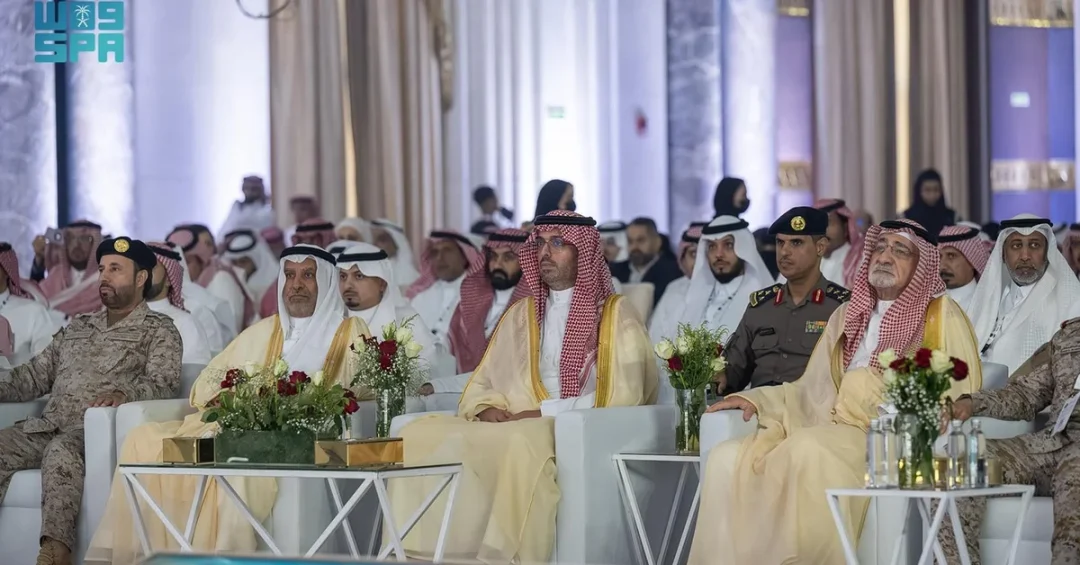
The 10th Forum of the Arab Division of Experts in Geographical Names opened in Jeddah on Sunday, November 10, 2024, bringing together experts, specialists, and delegation heads from across the Arab world to strengthen regional cooperation in the standardization and documentation of geographical names. The three-day event, hosted by the General Authority for Survey and Geospatial Information (GEOSA), runs until November 12 under the theme “Strengthening Relationships and Links Between Arab States in the Field of Geographical Names.” The forum was inaugurated by Prince Saud bin Abdullah bin Jalawi, Governor of Jeddah, under the patronage of Minister of Defense and Chairman of the Board of Directors of GEOSA Prince Khalid bin Salman bin Abdulaziz, according to the Saudi Press Agency.
The gathering represents a significant milestone in Arab scientific and cultural cooperation, underscoring Saudi Arabia’s growing role as a convenor of regional dialogue and a champion of knowledge-based initiatives. Hosting the forum in Jeddah, a historic gateway city on the Red Sea, reflects the Kingdom’s commitment to fostering collaboration among Arab states in fields that bridge geography, heritage, and modern governance. The event also aligns with Saudi Arabia’s broader Vision 2030 objectives, which prioritize international engagement, cultural preservation, and the advancement of geospatial technologies. Why does the precise naming of places matter so much in an increasingly interconnected world? The answer lies in the fundamental role geographical names play in communication, navigation, disaster response, and the preservation of cultural identity.
Context and Background
The Arab Division of Experts in Geographical Names operates under the umbrella of the United Nations Group of Experts on Geographical Names (UNGEGN), a body established to promote the standardization of geographical names worldwide. The Arab Division serves as a regional hub for Arab states to coordinate their efforts, share best practices, and develop unified approaches to naming conventions that reflect both modern needs and historical heritage. The forum in Jeddah marks the tenth iteration of this important gathering, demonstrating the durability and relevance of this collaborative framework.
Geographical names are far more than labels on a map. They encode history, culture, and collective memory, serving as living records of a region’s identity. In the Arab world, where civilizations have flourished for millennia, place names often carry layers of meaning that connect contemporary communities to their ancestors. Standardizing these names across borders facilitates trade, tourism, and diplomatic relations while ensuring that official records remain consistent and reliable. The work of the Arab Division therefore sits at the intersection of science, culture, and governance.
Hosting this forum in the Kingdom of Saudi Arabia is a testament to the nation’s leadership in geospatial sciences and its commitment to Arab unity. GEOSA, the authority responsible for surveying and geospatial information in Saudi Arabia, has been at the forefront of integrating cutting-edge technology into mapping and data management, supporting national development projects and regional initiatives alike. How can a region as diverse as the Arab world benefit from a unified approach to geographical naming? The answer lies in the shared recognition that accurate, standardized information is a foundation for progress and cooperation.
Key Details
In his opening remarks, GEOSA President Mohammed Alsayel highlighted the forum’s support from the Kingdom’s leadership, emphasizing that place names and definitions of natural and human features are essential for effective communication among nations. Alsayel welcomed the forum’s attendees and underscored the importance of the event’s theme, which focuses on strengthening relationships and links between Arab states in the field of geographical names. His address set a collaborative tone for the three-day gathering, which features a series of scientific sessions led by experts in the field.
The forum brings together delegation heads, specialists, and researchers from across the Arab world, creating a platform for the exchange of knowledge and the development of joint strategies. Participants are expected to discuss a range of topics, including the standardization of names, the integration of digital technologies in geospatial data, and the preservation of cultural heritage through accurate documentation. The scientific sessions will cover both theoretical frameworks and practical applications, ensuring that outcomes are actionable and relevant to the needs of member states.
The patronage of Prince Khalid bin Salman bin Abdulaziz, Minister of Defense and Chairman of the Board of Directors of GEOSA, adds significant weight to the forum. His support reflects the high priority that Saudi Arabia places on geospatial information as a strategic asset. The presence of Prince Saud bin Abdullah bin Jalawi, Governor of Jeddah, at the inauguration further underscores the local and national importance of the event. What does it mean for a nation to treat geographical names as a matter of national and regional significance? It means recognizing that identity, security, and development are deeply intertwined with the way we map and name the world around us.
International and Regional Impact
The outcomes of the Jeddah forum are likely to resonate beyond the Arab region, as the Arab Division’s work feeds into global efforts under the United Nations Group of Experts on Geographical Names. By harmonizing naming conventions, Arab states can improve their participation in international forums, enhance the accuracy of global databases, and facilitate cross-border cooperation in areas such as environmental management, urban planning, and humanitarian response. The forum thus contributes to the broader goal of international standardization, which benefits all nations.
Regional cooperation in geographical names also has practical implications for economic integration. Consistent naming standards reduce confusion in trade documentation, logistics, and transportation, making it easier for businesses to operate across borders. For tourists, standardized names improve navigation and enhance the travel experience, supporting the growth of the tourism sector in Saudi Arabia and its neighbors. In a world where data flows across borders at unprecedented speed, the importance of reliable geospatial information cannot be overstated. How can a shared commitment to accurate naming foster greater trust and collaboration among nations? By providing a common language for geography, it lays the groundwork for deeper partnerships in countless fields.
Economic and Strategic Significance
Saudi Arabia’s hosting of the forum aligns with its strategic vision to become a global hub for knowledge, technology, and international dialogue. The Kingdom has invested heavily in geospatial infrastructure, recognizing that accurate mapping and data are essential for sustainable development, national security, and economic diversification. GEOSA’s role in this effort is central, as it supports a wide range of sectors, from urban planning and agriculture to defense and disaster management. The forum provides an opportunity to showcase Saudi expertise and to learn from regional partners.
Moreover, the event reinforces Saudi Arabia’s position as a leader in the Arab world and a responsible global actor. By facilitating dialogue and cooperation, the Kingdom demonstrates its commitment to collective progress and its willingness to share knowledge and resources. This approach is consistent with the principles of Vision 2030, which emphasizes international partnerships, cultural exchange, and the pursuit of excellence in all fields. What are the long-term benefits of investing in geospatial sciences and regional cooperation? They include more resilient economies, better-informed policies, and a stronger sense of shared purpose among nations.
Vision 2030 Alignment
The 10th Arab Forum on Geographical Names exemplifies the spirit of Vision 2030, Saudi Arabia’s ambitious roadmap for economic and social transformation. The Vision calls for a diversified economy, a vibrant society, and an ambitious nation, all of which are supported by accurate geospatial information and strong regional ties. By hosting this forum, the Kingdom advances its goals of enhancing government effectiveness, fostering international collaboration, and preserving cultural heritage for future generations. The event also highlights the role of Saudi institutions like GEOSA in driving innovation and excellence.
As the forum concludes, participants will return to their countries with new insights, strengthened networks, and a renewed commitment to the shared mission of standardizing geographical names. Saudi Arabia, through its leadership and hospitality, has once again demonstrated its capacity to bring nations together and to contribute meaningfully to regional and global progress. In a world that is increasingly interconnected, the work of the Arab Division of Experts in Geographical Names serves as a reminder that cooperation and mutual respect are the foundations of a prosperous future. How will the outcomes of this forum shape the next decade of Arab cooperation? The answer will unfold in the maps, databases, and shared initiatives that emerge from this and future gatherings.
20 Questions
Q1. What is the 10th Arab Forum on Geographical Names?
A1. It is a regional gathering of experts, specialists, and delegation heads from Arab states, hosted by Saudi Arabia’s General Authority for Survey and Geospatial Information (GEOSA) in Jeddah from November 10 to 12, 2024, to strengthen cooperation on geographical names.
Q2. Who inaugurated the forum?
A2. Prince Saud bin Abdullah bin Jalawi, Governor of Jeddah, inaugurated the forum under the patronage of Minister of Defense and Chairman of the Board of Directors of GEOSA Prince Khalid bin Salman bin Abdulaziz.
Q3. What is the theme of the forum?
A3. The theme is “Strengthening Relationships and Links Between Arab States in the Field of Geographical Names,” focusing on collaboration and standardization among Arab nations.
Q4. Where is the forum being held?
A4. The forum is being held in Jeddah, Saudi Arabia, a historic Red Sea city that serves as a gateway for regional and international engagement.
Q5. How long does the forum last?
A5. The forum runs for three days, from November 10 to November 12, 2024, and includes a series of scientific sessions led by experts in the field.
Q6. Who is hosting the forum?
A6. The forum is hosted by the General Authority for Survey and Geospatial Information (GEOSA), Saudi Arabia’s national authority for surveying and geospatial data.
Q7. What did GEOSA President Mohammed Alsayel say?
A7. Alsayel highlighted the forum’s support from Saudi leadership and emphasized that place names and definitions of natural and human features are essential for effective communication among nations. He welcomed all attendees.
Q8. Why are geographical names important?
A8. Geographical names encode history, culture, and identity, and they facilitate navigation, trade, disaster response, and international communication. Standardizing them ensures accuracy and consistency across borders.
Q9. What is the Arab Division of Experts in Geographical Names?
A9. It is a regional body under the United Nations Group of Experts on Geographical Names (UNGEGN) that coordinates efforts among Arab states to standardize geographical names and share best practices.
Q10. How does this forum benefit Arab states?
A10. It promotes cooperation, harmonizes naming conventions, enhances data accuracy, and supports economic integration, tourism, and cultural preservation across the Arab world.
Q11. What role does Saudi Arabia play in this forum?
A11. Saudi Arabia is the host and a leading participant, demonstrating its commitment to regional cooperation, geospatial innovation, and the goals of Vision 2030.
Q12. What are the expected outcomes of the forum?
A12. Expected outcomes include strengthened networks, unified approaches to naming, and actionable strategies for integrating digital technologies in geospatial data management among Arab states.
Q13. How does the forum align with Vision 2030?
A13. It supports Vision 2030 by promoting international engagement, cultural preservation, government effectiveness, and the advancement of geospatial sciences as a strategic asset for development.
Q14. Who attends the forum?
A14. The forum brings together experts, specialists, delegation heads, and researchers from across the Arab world, along with representatives from GEOSA and other Saudi institutions.
Q15. What topics are discussed at the forum?
A15. Topics include standardization of geographical names, digital technologies in geospatial data, cultural heritage preservation, and practical applications for member states.
Q16. How does the forum impact international relations?
A16. By fostering regional consensus and contributing to UN global efforts, the forum enhances Arab states’ participation in international forums and promotes cross-border cooperation in various fields.
Q17. What is GEOSA’s role in Saudi Arabia?
A17. GEOSA is responsible for surveying and geospatial information in Saudi Arabia, supporting national development, security, and innovation through accurate mapping and data management.
Q18. Why is Jeddah a significant location for this event?
A18. Jeddah is a historic gateway city and a hub for diplomacy and commerce, reflecting Saudi Arabia’s openness and its capacity to host important regional gatherings.
Q19. How does this forum benefit the average citizen?
A19. Standardized geographical names improve navigation, emergency response, tourism, and access to services, making daily life safer and more efficient for citizens and visitors alike.
Q20. What is the long-term significance of this forum?
A20. It strengthens Arab unity, advances geospatial science, and supports sustainable development, positioning Saudi Arabia as a leader in regional cooperation and knowledge exchange for years to come.
Reader Feedback
We value your thoughts. Please share your feedback on this article.
Your feedback helps us improve our coverage.
Related articles
 Saudi, Uzbek Officials Meet on Summit Sidelines
 KSrelief Distributes 195 Winter Kits in Yemen’s Hadhramaut
 Saudi, Nigerian FMs Meet Ahead of Islamic Summit
 Chad President Arrives in Riyadh for Arab-Islamic Summit
 Saudi FM Meets Lebanese Counterpart Ahead of Summit
 Saudi FM Meets Syrian Counterpart Ahead of Summit