


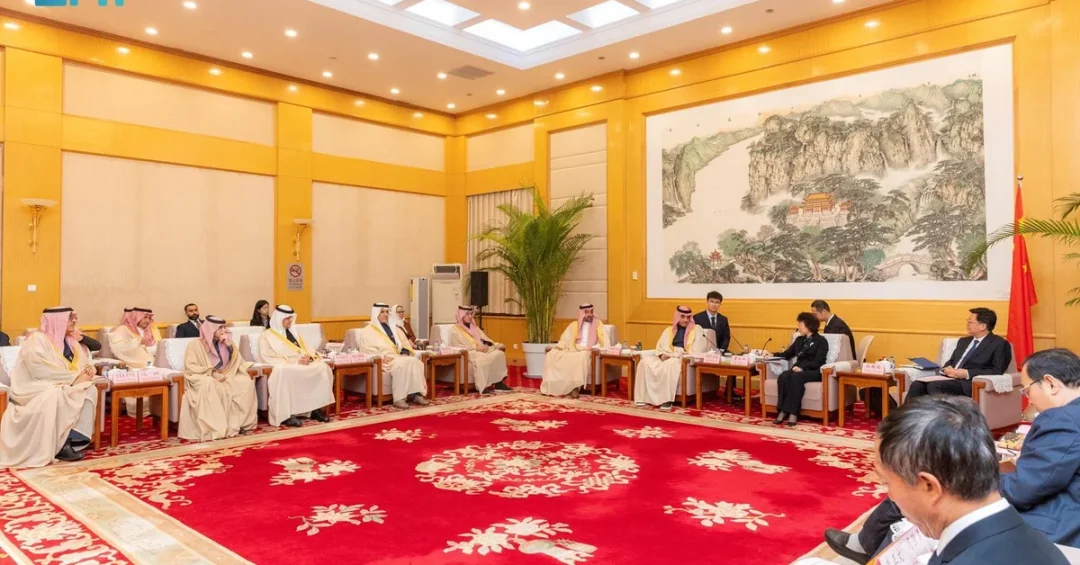
Saudi Minister of Media Salman Al-Dossary concluded an official visit to Beijing on November 17, 2024, cementing a new phase of media cooperation between the Kingdom of Saudi Arabia and the People’s Republic of China under the framework of the Saudi-Chinese Media Partnership. The visit, announced through official Saudi channels including the Saudi Press Agency (SPA), produced a series of agreements, executive programs, and landmark initiatives designed to deepen collaboration in media, technology, and cultural exchange between the two nations.
Could this visit mark a turning point in how Saudi Arabia shares its story with the world’s second-largest economy? The outcomes suggest exactly that. From the launch of the Chinese-language version of the Saudipedia encyclopedia to executive programs between the Saudi Press Agency and Xinhua News Agency, the visit delivered tangible results that extend far beyond ceremonial diplomacy. It reflects a deliberate strategy by the Kingdom to build durable international media partnerships that support its economic diversification goals and its Vision 2030 ambition to be a global hub for culture, investment, and innovation.
Context and Background
Why has Saudi Arabia placed such strategic emphasis on media cooperation with China at this particular moment? The answer lies in the broader trajectory of Saudi-Chinese relations, which have expanded rapidly across energy, trade, infrastructure, and technology in recent years. The media dimension of this relationship has now matured into a structured partnership, with the Ministry of Media leading efforts to align the Kingdom’s international communications with its economic and diplomatic priorities.
The Saudi-Chinese Media Partnership provides an institutional framework for this collaboration. It is designed to facilitate the exchange of expertise, joint production of content, and mutual access to media markets. The visit by Salman Al-Dossary, Minister of Media, was not an isolated event but the culmination of sustained engagement between Saudi and Chinese media institutions, reflecting a shared recognition that information and cultural exchange are essential pillars of modern international relations.
It is also worth noting that this visit aligns with the Ministry of Media’s broader mandate to modernize the Kingdom’s media landscape, enhance its global competitiveness, and project a positive, accurate image of Saudi Arabia abroad. The accompanying delegation included senior figures such as Mohammed bin Fahd Al-Harthi, CEO of the Saudi Broadcasting Authority; Ali bin Abdullah Alzaid, Acting President of the Saudi Press Agency; Dr. Abdullatif bin Mohammed Al-Abdullatif, CEO of the General Authority for Media Regulation; Dr. Khalid bin Abdulqader Al-Ghamdi, Deputy Minister for International Media Relations; and Hamed Alshehri, Editor-in-Chief of Saudipedia. Their presence underscored the seriousness and scope of the mission.
Key Details
What concrete outcomes did the visit produce? The most visible achievement was the launch of the Chinese version of Saudipedia, an online encyclopedia dedicated to documenting the history, culture, and achievements of Saudi Arabia. This platform, now accessible to Chinese-speaking audiences, represents a significant step in making authoritative information about the Kingdom available to one of the world’s largest internet populations. Agreements were reached between Saudipedia and major Chinese entities, including Baidu and the CLS platform of Shanghai Media Group, to enhance content distribution and collaboration.
In addition, the Saudi Press Agency and Xinhua News Agency agreed to an executive program that will facilitate news exchange, joint coverage of major events, and professional training opportunities. Minister Al-Dossary held high-level discussions with Mo Gaoyi, Minister of the State Council Information Office of China, focusing on media collaboration, expertise exchange, and cooperation in media technology. He also met with Cao Shumin, Director of the National Radio and Television Administration, to explore avenues for joint production and technical innovation.
The digital dimension of the visit was equally significant. Al-Dossary met with Gaofei Wang, CEO of Weibo, to discuss boosting digital media cooperation. During this meeting, the launch of official accounts on Weibo by the Saudi Ministry of Media, SPA, and Saudipedia was witnessed, giving Saudi Arabia a direct channel to engage with Chinese audiences on one of the country’s most influential social media platforms. The minister also visited the headquarters of People’s Daily, where he met with President Yu Shaoliang and other leading figures to discuss increasing media and publishing collaboration.
International and Regional Impact
How will these developments resonate beyond the bilateral relationship? The strengthening of Saudi-Chinese media ties carries implications for the broader Middle East and North Africa region, where Saudi Arabia plays a leading role in shaping economic and cultural trends. By building robust media partnerships with China, the Kingdom is positioning itself as a bridge between the region and Asia, facilitating the flow of information, investment, and cultural exchange.
The visit also included a tour of the China Film Group Corporation and Xinhua News Agency headquarters, along with workshops involving Chinese companies, institutions, and investors in the media sector. These activities signal that the partnership is not limited to government-to-government agreements but extends to private-sector collaboration and commercial opportunities. For Chinese media companies and investors, Saudi Arabia offers a rapidly growing market with a young, digitally connected population and a government committed to transforming the media landscape.
The Saudi-Chinese Media Evening, hosted by the Ministry of Media in collaboration with ewpartners, served as a capstone event. Attended by Abdulrahman Al-Harbi, Saudi Ambassador to China, along with officials, media professionals, companies, and investors, the evening highlighted the depth of Saudi-Chinese relations. In his speech, Al-Dossary emphasized that the relationship is characterized by trust, solid friendship, and fruitful cooperation, and he invited Chinese investors to explore the Kingdom’s immense market potential.
Economic and Strategic Significance
Why does media cooperation matter for Saudi Arabia’s economic ambitions? The media sector is a key component of the Kingdom’s diversification strategy under Vision 2030. By fostering international partnerships, Saudi Arabia aims to develop a vibrant media industry that creates jobs, attracts investment, and exports cultural content. The agreements signed during the Beijing visit are expected to stimulate joint ventures, technology transfer, and capacity building, all of which contribute to the growth of the sector.
Moreover, the strategic alignment between Saudi Arabia and China extends to technology and innovation. The discussions with Weibo, Baidu, and other Chinese tech giants open doors for collaboration in digital media, artificial intelligence, and content delivery systems. These areas are critical to the future of media and align with Saudi Arabia’s broader goals of becoming a leader in technology and innovation. The minister’s remarks about benefiting from China’s expertise in media and technology reflect a pragmatic approach to achieving these objectives.
The visit also reinforced the role of media as a tool of soft power. By presenting Saudi Arabia’s culture, heritage, and modernization story to Chinese audiences through platforms like Saudipedia and Weibo, the Kingdom can build greater understanding and goodwill. This, in turn, supports diplomatic and economic ties by creating a favorable environment for cooperation. The emphasis on mutual visits and exchanges, as highlighted by Al-Dossary, suggests that this is the beginning of a sustained engagement rather than a one-off initiative.
Vision 2030 Alignment
How does this visit connect to Saudi Arabia’s long-term vision? Vision 2030, launched by Crown Prince Mohammed bin Salman, seeks to transform the Kingdom into a diversified, knowledge-based economy with a strong international presence. The media sector is explicitly recognized as a driver of economic growth and cultural exchange. The partnerships forged in Beijing directly support several Vision 2030 objectives, including economic diversification, the development of a vibrant private sector, and the promotion of Saudi culture globally.
Furthermore, the visit exemplifies the Kingdom’s commitment to international collaboration as a means of achieving its goals. By engaging with China, a global leader in technology and media, Saudi Arabia is accessing expertise, markets, and innovation that can accelerate its own development. The launch of Saudipedia in Chinese, the executive program between SPA and Xinhua, and the opening of official Weibo accounts are practical steps that enhance the Kingdom’s global communication capabilities. They also reflect the forward-looking, outward-facing approach that defines Vision 2030.
As Saudi Arabia continues to expand its global partnerships, the Beijing visit stands as a testament to the power of media diplomacy. It demonstrates that the Kingdom is not only a participant in the global media landscape but an active shaper of it, building bridges of understanding and cooperation that benefit both nations and the wider region. The outcomes of this visit will likely serve as a foundation for future collaborations, further solidifying the enduring friendship between Saudi Arabia and China.
20 Questions
Q1. What was the main purpose of Saudi Minister of Media Salman Al-Dossary’s visit to Beijing?
A1. The visit aimed to strengthen media ties between Saudi Arabia and China through agreements, executive programs, and initiatives under the Saudi-Chinese Media Partnership, enhancing collaboration in media, technology, and cultural exchange.
Q2. When did the visit take place?
A2. The visit concluded on November 17, 2024, according to the Saudi Press Agency. It spanned several days and included meetings with senior Chinese media officials and executives.
Q3. What is Saudipedia and what was launched during the visit?
A3. Saudipedia is an online encyclopedia documenting Saudi Arabia’s history, culture, and achievements. Its Chinese-language version was launched during the visit, making information accessible to Chinese-speaking audiences.
Q4. Which Chinese entities signed agreements with Saudipedia?
A4. Saudipedia reached agreements with several Chinese entities, including Baidu and the CLS platform of Shanghai Media Group, to enhance content distribution and collaboration.
Q5. What executive program was agreed upon between Saudi and Chinese news agencies?
A5. The Saudi Press Agency and China’s Xinhua News Agency agreed to an executive program to facilitate news exchange, joint coverage, and professional training.
Q6. Who did Minister Al-Dossary meet with in Beijing?
A6. He met with Mo Gaoyi, Minister of the State Council Information Office; Cao Shumin, Director of the National Radio and Television Administration; Gaofei Wang, CEO of Weibo; and Yu Shaoliang, President of People’s Daily, among others.
Q7. What digital media cooperation was discussed with Weibo?
A7. Discussions focused on boosting digital media cooperation. Official accounts on Weibo were launched by the Saudi Ministry of Media, SPA, and Saudipedia to engage Chinese audiences.
Q8. What was the Saudi-Chinese Media Evening?
A8. It was an event hosted by the Ministry of Media in collaboration with ewpartners to boost media partnerships and foster friendship between Saudi Arabia and China, attended by officials, media professionals, and investors.
Q9. Who accompanied Minister Al-Dossary on the visit?
A9. The delegation included Mohammed bin Fahd Al-Harthi, CEO of the Saudi Broadcasting Authority; Ali bin Abdullah Alzaid, Acting President of SPA; Dr. Abdullatif bin Mohammed Al-Abdullatif, CEO of the General Authority for Media Regulation; Dr. Khalid bin Abdulqader Al-Ghamdi, Deputy Minister for International Media Relations; and Hamed Alshehri, Editor-in-Chief of Saudipedia.
Q10. What did Minister Al-Dossary say about Saudi-Chinese relations?
A10. He described China as a key partner in Saudi Vision 2030, emphasizing trust, solid friendship, and fruitful cooperation. He invited Chinese investors to explore the Kingdom’s market potential.
Q11. How does this visit align with Saudi Vision 2030?
A11. It supports Vision 2030’s goals of economic diversification, private sector development, and global cultural exchange by fostering media partnerships that enhance the Kingdom’s international presence and media sector growth.
Q12. What is the significance of the Chinese version of Saudipedia?
A12. It provides Chinese-speaking audiences with authoritative information about Saudi Arabia’s history and culture, strengthening cultural understanding and soft power between the two nations.
Q13. What role did Saudi diplomats play during the visit?
A13. Saudi diplomats attended the signing ceremony of a memorandum of understanding between Saudipedia and key educational and media players, underscoring official support for the partnership.
Q14. What workshops were held during the visit?
A14. Workshops were held on the sidelines of visits to the China Film Group Corporation and Xinhua News Agency headquarters, involving Chinese companies, institutions, and investors in the media sector.
Q15. What did Minister Al-Dossary discuss at People’s Daily?
A15. He met with President Yu Shaoliang and other leaders to discuss increasing media and publishing collaboration between Saudi Arabia and China within their shared vision for cooperation.
Q16. How does this visit impact the Middle East and North Africa region?
A16. It positions Saudi Arabia as a bridge between the region and Asia, facilitating information flow, investment, and cultural exchange, which can contribute to regional prosperity.
Q17. What opportunities does the visit create for Chinese investors?
A17. It highlights vast opportunities in Saudi Arabia’s media sector and invites Chinese investors to explore the Kingdom’s market potential, fostering joint ventures and technology transfer.
Q18. What was the outcome of the meeting with the National Radio and Television Administration?
A18. Discussions with Director Cao Shumin focused on collaboration in media, exchange of expertise, and cooperation in media technology, paving the way for joint projects.
Q19. How does the visit reflect Saudi Arabia’s media modernization efforts?
A19. It demonstrates the Ministry of Media’s commitment to international partnerships, digital innovation, and enhancing the Kingdom’s global communication capabilities in line with Vision 2030.
Q20. What future collaborations are expected following this visit?
A20. The visit is expected to lead to more mutual visits, exchanges, and joint projects, broadening the partnership and fulfilling the aspirations of both nations for continued cooperation.
Reader Feedback
We value your thoughts. Please share your feedback on this article.
Your feedback helps us improve our coverage.
Related articles
 GCC Chief Meets Sri Lankan, Austrian Ambassadors in Riyadh
 Saudi Arabia Concludes Airshow China 2024 Participation
 Saudi Foreign Minister Leads Delegation to G20 Summit in Brazil
 GCC Leaders Emphasize Sudan’s Sovereignty and Stability
 Saudi Foreign Ministry Branch Chief Receives Gabon Consul
 Saudi Foreign Ministry Official Meets Iraqi Consul General