


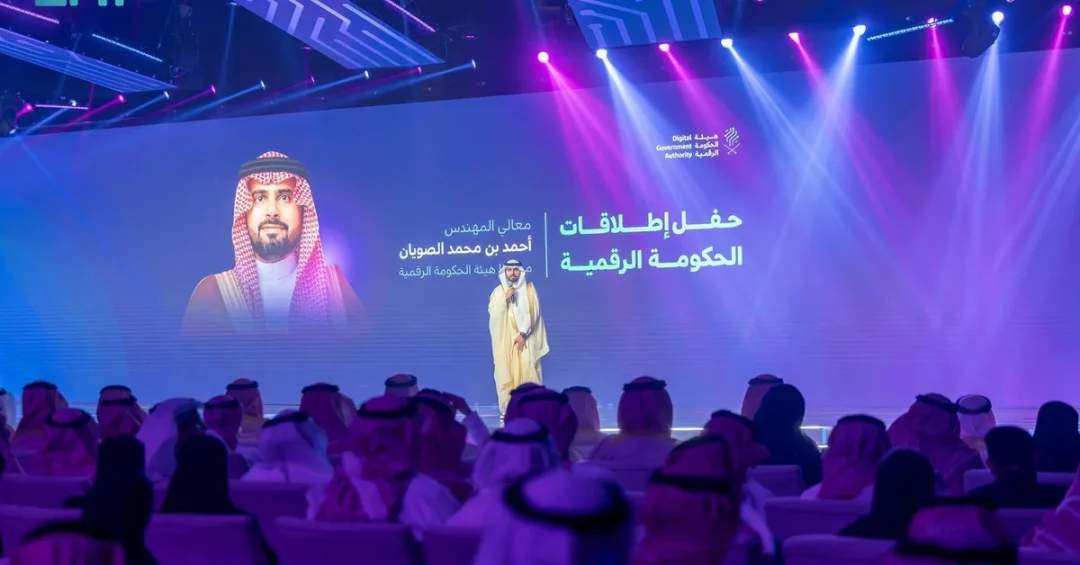
Saudi Arabia’s Digital Government Authority (DGA) launched the unified design system known as the Platforms Code on Sunday, November 17, 2024, in Riyadh, establishing a national reference for designing and developing government platform interfaces across the Kingdom. The announcement, made at an official function attended by ministers and digital transformation leaders from both the public and private sectors, marks a significant step in Saudi Arabia’s ongoing effort to deliver a consistent, comprehensive, and user-friendly digital experience to citizens, residents, and visitors alike. The Platforms Code is designed to standardize how government digital services look, feel, and function, ensuring that users encounter a seamless interface regardless of which ministry, agency, or service they are accessing. The initiative reflects the Kingdom’s broader commitment to digital excellence under Vision 2030.
Why does a unified design system matter for a nation undergoing rapid digital transformation? The answer lies in the scale and ambition of Saudi Arabia’s digital government program. With hundreds of government platforms serving millions of users, consistency is not merely an aesthetic preference; it is a functional necessity. A unified design language reduces the learning curve for users, minimizes errors, accelerates service delivery, and reinforces public trust in digital channels. The Platforms Code addresses these needs directly by providing an open-source design system that integrates code, design tools, and guidelines based on a community-driven approach. This enables government entities to build digital services faster and more efficiently, while designers and developers can focus on meeting specific needs using pre-built assets.
Context and Background
What led Saudi Arabia to prioritize a unified design system for its government platforms? The Digital Government Authority, which oversees the Kingdom’s digital governance framework, has spent years laying the groundwork for integrated digital services. Under the leadership of DGA Governor Eng. Ahmed Al-Suwaiyan, the authority has pursued a strategy that emphasizes standardization, interoperability, and user-centric design. The Platforms Code is the culmination of these efforts, providing a shared design language that all government entities can adopt. It conforms with both local and international digital standards, ensuring that Saudi Arabia’s digital services are not only consistent internally but also aligned with global best practices.
The launch event also featured the introduction of the “Digital Saudi Strategy,” a complementary initiative aimed at enabling the growth of the digital economy and empowering both public and private sectors to showcase their products more widely. As part of this strategy, the DGA announced the “Digital Transformation Ambassador” program, which appoints ambassadors to foster an integrated digital community and amplify the impact of digital transformation efforts. Together, these initiatives represent a comprehensive approach to digital governance that goes beyond technology to encompass community building, economic enablement, and international collaboration.
How does the Platforms Code fit into the broader evolution of Saudi Arabia’s digital ecosystem? The Kingdom has consistently ranked among the world’s leading nations in digital government maturity, according to international indices such as the United Nations E-Government Development Index. This progress has been driven by sustained investment in digital infrastructure, cybersecurity, and human capital. The Platforms Code builds on this foundation by addressing the critical layer of user experience, which is often the most visible and impactful aspect of digital government for ordinary users. By standardizing interfaces, the DGA ensures that the quality of digital services does not vary unpredictably across agencies, thereby enhancing overall satisfaction and adoption rates.
Key Details of the Platforms Code
What exactly does the Platforms Code provide to government entities and developers? According to the Digital Government Authority, the Platforms Code is an open-source design system that supports digital projects at government entities by integrating code, design tools, and guidelines. This integration is based on a community-driven approach, meaning that government agencies, developers, and designers can contribute to and benefit from a shared repository of components, patterns, and standards. The system facilitates the rapid development of consistent experiences, enabling teams to focus on meeting specific needs using pre-built assets rather than reinventing basic interface elements for each new project.
Eng. Ahmed Al-Suwaiyan, Governor of the DGA, emphasized that the Platforms Code conforms with local and international digital standards and represents an important step toward comprehensive digital transformation at government entities. He noted that it will help entities accelerate sustainable digital transformation, offer more efficient and effective digital services, and align with the strategic directions of digital governance. The open-source nature of the system is particularly significant, as it encourages collaboration and innovation across the public sector while reducing duplication of effort and cost.
How will the Platforms Code change the day-to-day experience of users interacting with government services? For the average user, the most immediate impact will be a more predictable and intuitive experience. Whether applying for a permit, paying a fee, or accessing health records, users will encounter familiar layouts, consistent terminology, and standardized navigation patterns. This reduces cognitive load and makes digital services accessible to a wider range of users, including those with limited digital literacy. For government agencies, the code provides a ready-made toolkit that accelerates development cycles and ensures compliance with national standards without sacrificing flexibility.
International and Regional Impact
How does Saudi Arabia’s Platforms Code position the Kingdom as a leader in digital governance regionally and globally? By launching a unified design system that is open-source and community-driven, Saudi Arabia is setting a precedent that other nations in the Middle East and beyond may seek to emulate. The Kingdom’s approach aligns with international trends toward design systems in the public sector, such as the United Kingdom’s Government Digital Service design system and the United States Web Design System. However, Saudi Arabia’s initiative is distinctive in its integration with a broader digital economy strategy and its emphasis on community-driven development, which could serve as a model for other countries pursuing similar goals.
What does this mean for international companies and investors looking at Saudi Arabia’s digital sector? The Platforms Code and the accompanying Digital Saudi Strategy signal that the Kingdom is serious about creating a robust, standardized digital ecosystem that is attractive to global technology partners. By providing clear design and development standards, the DGA reduces the friction for international firms seeking to integrate with Saudi government platforms or offer complementary services. This standardization can lower barriers to entry and create new opportunities for collaboration in areas such as cloud computing, cybersecurity, artificial intelligence, and digital payments. It also reinforces Saudi Arabia’s reputation as a destination for technology investment and innovation.
Economic and Strategic Significance
Why is a design system an economic asset rather than just a technical tool? The economic implications of the Platforms Code extend far beyond improved user interfaces. By enabling faster development and reducing redundant work, the system lowers the cost of delivering digital services across government. This efficiency dividend can be redirected toward innovation and service expansion. Moreover, consistent and high-quality digital services increase adoption rates, which in turn drives demand for digital infrastructure, devices, and skills. The Digital Saudi Strategy explicitly aims to enable the growth of the digital economy, and the Platforms Code contributes to this goal by making government platforms more effective as channels for economic activity, from e-commerce to e-government transactions.
How does the Digital Transformation Ambassador program complement the technical infrastructure? The ambassador program is designed to foster an integrated digital community by appointing individuals who can champion digital transformation within their organizations and networks. This human-centered approach recognizes that technology alone is insufficient; cultural change, skills development, and community engagement are equally important. By amplifying the impact of digital transformation efforts, the ambassadors help ensure that the Platforms Code and other DGA initiatives are adopted widely and effectively. They also facilitate knowledge sharing and collaboration across sectors, which is essential for sustaining momentum in a rapidly evolving digital landscape.
Vision 2030 Alignment
How does the Platforms Code advance Saudi Arabia’s Vision 2030 objectives? Vision 2030 aims to diversify the economy, improve quality of life, and build a thriving digital society. The Platforms Code contributes directly to these goals by enhancing the efficiency and accessibility of government services, which is a key component of quality of life. It also supports economic diversification by enabling a more dynamic digital economy and fostering innovation in the public sector. Furthermore, the emphasis on open-source collaboration and community-driven development aligns with Vision 2030’s focus on empowering citizens and creating a knowledge-based society.
What can we expect next as Saudi Arabia continues its digital transformation journey? The launch of the Platforms Code is not an endpoint but a foundation. As government entities adopt the system and contribute to its evolution, the DGA will likely expand its scope to cover more services, integrate emerging technologies, and deepen collaboration with the private sector. The Digital Saudi Strategy and the Digital Transformation Ambassador program will provide the strategic and human capital support needed to sustain this momentum. Together, these initiatives position Saudi Arabia as a global leader in digital governance and a model for other nations seeking to harness technology for public good. The Kingdom’s commitment to digital excellence under Vision 2030 remains unwavering, and the Platforms Code is a testament to that commitment.
20 Questions
Q1. What is the Platforms Code launched by the Digital Government Authority?
A1. The Platforms Code is a unified design system that serves as the national reference for designing and developing government platform interfaces in Saudi Arabia. It aims to standardize interfaces for a consistent digital experience.
Q2. When and where was the Platforms Code announced?
A2. It was announced on Sunday, November 17, 2024, in Riyadh at a function attended by ministers and digital transformation leaders from the public and private sectors.
Q3. Who is the Governor of the Digital Government Authority?
A3. Eng. Ahmed Al-Suwaiyan is the Governor of the Digital Government Authority. He spoke at the launch event about the importance of the Platforms Code for digital transformation.
Q4. What is the main goal of the Platforms Code?
A4. The main goal is to standardize government platform interfaces to ensure a consistent and comprehensive digital experience, thereby enhancing user satisfaction across all government services.
Q5. How does the Platforms Code support government entities?
A5. It provides an open-source design system that integrates code, design tools, and guidelines. This supports digital projects by enabling rapid development of consistent experiences using pre-built assets.
Q6. What is the Digital Saudi Strategy?
A6. The Digital Saudi Strategy is an initiative aimed at enabling the growth of the digital economy and allowing public and private sectors to showcase their products more widely. It was launched alongside the Platforms Code.
Q7. What is the Digital Transformation Ambassador program?
A7. It is a program that appoints ambassadors to foster an integrated digital community and amplify the impact of digital transformation efforts across Saudi Arabia.
Q8. How does the Platforms Code align with international standards?
A8. The Platforms Code conforms with local and international digital standards, ensuring that Saudi Arabia’s government platforms meet global best practices for design and usability.
Q9. What are the benefits for users of government services?
A9. Users will experience a more predictable and intuitive interface across all government platforms, reducing the learning curve and making digital services more accessible to a wider population.
Q10. How does the Platforms Code contribute to Vision 2030?
A10. It advances Vision 2030 by enhancing government service efficiency, supporting digital economy growth, and fostering innovation and collaboration in the public sector.
Q11. What is the significance of the open-source approach?
A11. The open-source approach encourages collaboration and innovation, reduces duplication of effort, and allows government entities to contribute to and benefit from a shared repository of design components.
Q12. Who attended the launch event?
A12. The event was attended by ministers and digital transformation leaders from both the public and private sectors, highlighting broad support for the initiative.
Q13. How will the Platforms Code affect developers and designers?
A13. Developers and designers will benefit from pre-built assets and guidelines, enabling them to focus on meeting specific needs rather than reinventing basic interface elements, thus accelerating project timelines.
Q14. What is the expected impact on the digital economy?
A14. By making government platforms more effective and user-friendly, the Platforms Code is expected to boost digital adoption and contribute to the growth of Saudi Arabia’s digital economy.
Q15. Are there similar design systems in other countries?
A15. Yes, other countries like the UK and US have government design systems. Saudi Arabia’s Platforms Code is distinctive for its integration with a broader digital economy strategy and community-driven approach.
Q16. How does the Platforms Code enhance cybersecurity?
A16. Standardized design and development practices can reduce vulnerabilities by ensuring that security considerations are built into the design system from the outset, though the DGA focuses on design consistency.
Q17. What role do Digital Transformation Ambassadors play?
A17. They champion digital transformation within their organizations, facilitate knowledge sharing, and help ensure widespread adoption of initiatives like the Platforms Code.
Q18. Will the Platforms Code be mandatory for all government entities?
A18. The DGA promotes it as a national reference, and government entities are encouraged to adopt it to ensure consistency. Adoption is expected to become widespread as part of digital governance strategies.
Q19. How can the private sector engage with the Platforms Code?
A19. The private sector can engage by adopting the design system for their own digital products, contributing to its development, and leveraging it to integrate with government platforms more seamlessly.
Q20. What are the next steps for the Digital Government Authority?
A20. The DGA will continue to support the adoption of the Platforms Code, expand the Digital Saudi Strategy, and empower ambassadors to drive digital transformation across all sectors of the Kingdom.
Reader Feedback
We value your thoughts. Please share your feedback on this article.
Your feedback helps us improve our coverage.
Related articles
 Absher Processes Over 6.3 Million Transactions in October 2024
 KAUST Leads Aquaculture Research for Saudi Food Security
 Alswaha: Saudi Youth Success Stories Boost Competitiveness
 SDAIA: Global AI Spending Tops $120 Billion in 2023
 Ithra Prepares Four Saudi Teams for F1 in Schools World Finals
 SEC, KAUST Launch Carbon Capture Project at Rabigh