


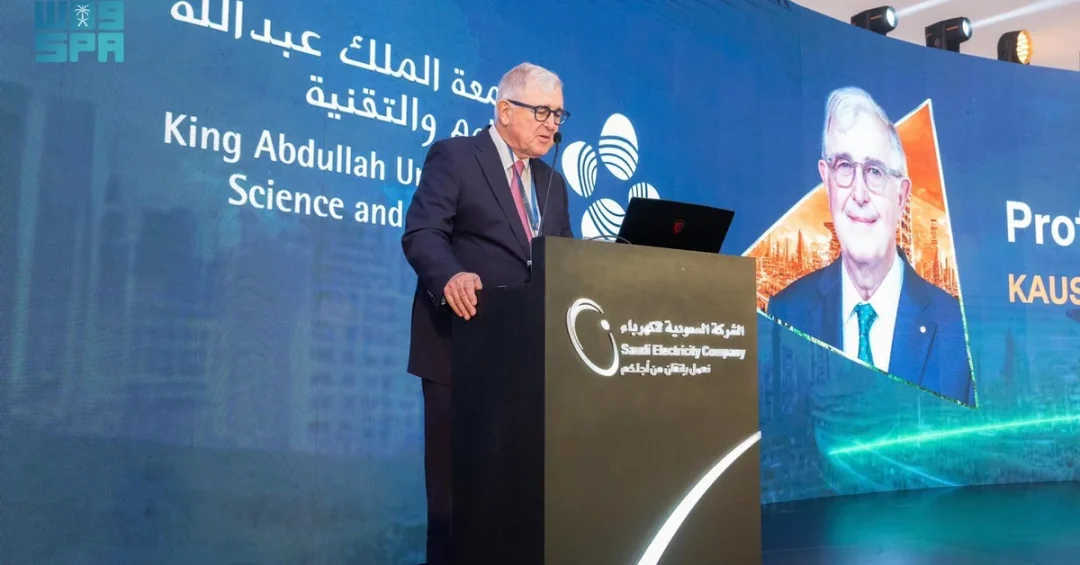
The Saudi Electricity Company (SEC), working under the supervision of the Ministry of Energy and in collaboration with King Abdullah University of Science and Technology (KAUST), has launched the world’s first research project of its kind to capture carbon and pollutants at the Rabigh Power Plant using an innovative freezing-based technology. Announced via the Saudi Press Agency, the initiative represents a significant step in the Kingdom’s efforts to reduce emissions from fuel combustion, including carbon dioxide, sulfur oxides, nitrogen oxides, and particulate matter, while advancing its sustainability goals and its commitment to achieving net-zero emissions.
Why does this development matter for a world still heavily reliant on fossil fuels for power generation? The project, which involves testing a new carbon capture technology using freezing techniques, aims to demonstrate the efficiency of capturing carbon at a power plant—a sector known for its challenging emission reduction profile. The captured carbon achieves up to 99 percent purity, and the technology is being tested on a mobile platform capable of capturing up to a quarter of a ton of carbon dioxide daily. This serves as a practical model for widespread application of carbon capture in the power generation sector, aligning with SEC’s sustainability goals and Saudi Arabia’s broader environmental initiatives.
Context and Background
How did Saudi Arabia become a leader in pursuing innovative carbon management solutions? The Kingdom has long recognized the need to balance its role as a major energy producer with environmental stewardship. Under the Saudi Green Initiative, launched in 2021, the country set ambitious targets, including achieving net-zero greenhouse gas emissions by 2060 or earlier, pending the maturity and availability of necessary technologies. This project at the Rabigh Power Plant is a direct manifestation of that commitment, applying circular carbon economy techniques to reduce emissions from fuel combustion. The collaboration between SEC and KAUST, a premier research institution, underscores the importance of public-private partnerships in advancing technological solutions that benefit both the environment and the economy.
The Rabigh Power Plant, located on the Red Sea coast, is one of Saudi Arabia’s largest electricity generation facilities. It plays a critical role in powering the western region, including the holy city of Makkah and the commercial hub of Jeddah. By hosting this pilot project, Rabigh becomes a testing ground for a technology that could be deployed across the Kingdom’s power fleet and exported globally. The Ministry of Energy’s supervision ensures that the project aligns with national energy policies and international climate commitments. The involvement of KAUST brings world-class research capabilities, including expertise in materials science, chemical engineering, and environmental science, which are essential for developing and scaling up carbon capture technologies.
Why is the power generation sector particularly difficult to decarbonize? Power plants that burn fossil fuels produce large volumes of flue gas with relatively low concentrations of carbon dioxide, making capture challenging and energy-intensive. Traditional capture methods, such as amine scrubbing, require significant energy and can be costly. The freezing technique being tested at Rabigh offers a potentially more efficient alternative by using low temperatures to separate carbon dioxide and other pollutants from the flue gas. This approach could reduce the energy penalty associated with capture and make the process more economically viable. If successful, it could be a game-changer for power plants not only in Saudi Arabia but around the world.
Key Details of the Carbon Capture Project
What exactly does this groundbreaking project entail? At its core is a mobile platform that can capture up to a quarter of a ton of carbon dioxide daily. This platform is designed to test the freezing technology under real-world conditions at the Rabigh Power Plant. The process involves cooling the flue gas to temperatures where carbon dioxide and other pollutants condense or freeze, allowing them to be separated from the remaining gases. The captured carbon achieves up to 99 percent purity, which means it can be readily used in industrial applications or safely stored. The project also aims to treat other pollutants, including sulfur oxides, nitrogen oxides, and particulate matter, which are harmful to human health and the environment.
Eng. Khalid bin Salim AlGhamdi, Acting CEO of SEC, emphasized the importance of this research project in supporting Saudi Arabia’s carbon capture efforts. “These partnerships contribute to achieving the Kingdom’s environmental initiatives and fostering sustainability in the energy sector,” he stated. He also underscored the significance of collaboration with KAUST in researching, developing, and implementing technological solutions that benefit Saudi Arabia’s environment and align with the global shift toward clean energy. The project marks a significant milestone in demonstrating the efficiency of the new carbon capture technology in a sector known for its challenging emission reductions.
How does the freezing technique compare to other carbon capture methods? While amine scrubbing is the most widely used method, it has drawbacks, including high energy consumption and the need for large amounts of chemicals. The freezing technique, also known as cryogenic carbon capture, uses the principle that different gases condense at different temperatures. By cooling the flue gas, carbon dioxide can be separated as a liquid or solid, while other gases remain in the vapor phase. This method has the potential to be more energy-efficient and cost-effective, especially when integrated with existing power plants. The pilot at Rabigh will provide valuable data on the performance, scalability, and economic feasibility of this approach.
International and Regional Impact
How might this project influence global efforts to combat climate change? Saudi Arabia’s leadership in carbon capture research sends a strong signal that the Kingdom is committed to addressing climate change while maintaining its role as a reliable energy supplier. The technology being tested at Rabigh could be adopted by other countries seeking to reduce emissions from their power sectors. As the world transitions to cleaner energy sources, carbon capture will be essential for reducing emissions from existing fossil fuel infrastructure. By developing and demonstrating this technology, Saudi Arabia is positioning itself as a key player in the global clean energy transition and a source of innovative solutions for emissions reduction.
Regionally, the project reinforces Saudi Arabia’s commitment to the Saudi Green Initiative and the Middle East Green Initiative, which aim to plant billions of trees, reduce carbon emissions by 10 percent of global contributions, and protect land and sea. The Kingdom has also announced plans to invest heavily in clean energy, including solar and wind power, and to become a major producer of hydrogen. The carbon capture project at Rabigh complements these efforts by providing a tool to reduce emissions from the power sector, which is a major source of greenhouse gases in the region. Neighboring countries could benefit from the knowledge and technology developed through this collaboration, fostering regional cooperation on climate action.
What does this mean for the global energy market? As countries around the world implement carbon pricing mechanisms and stricter emissions regulations, the demand for cost-effective carbon capture solutions will grow. Saudi Arabia’s early investment in this technology could give it a competitive advantage in exporting carbon capture services and equipment. Moreover, the project aligns with the goals of the Paris Agreement by contributing to global emissions reductions. The Kingdom’s participation in international climate forums, such as COP, has demonstrated its willingness to collaborate on climate solutions. The Rabigh project is a concrete example of how Saudi Arabia is turning its climate commitments into action.
Economic and Strategic Significance
Why is this project economically significant for Saudi Arabia? The Kingdom’s economy has long been dependent on oil revenues, but Vision 2030 aims to diversify income sources and reduce reliance on hydrocarbons. By investing in carbon capture technology, Saudi Arabia can create new industries, generate high-skilled jobs, and export knowledge and technology. The project also supports the circular carbon economy approach, which seeks to reduce, reuse, recycle, and remove carbon emissions. This approach can create value from captured carbon, for example, by using it in enhanced oil recovery or in the production of chemicals and fuels. The economic benefits extend beyond the power sector to include manufacturing and services.
Strategically, the project enhances Saudi Arabia’s reputation as a responsible global energy leader. As the world’s largest oil exporter, the Kingdom faces scrutiny over its emissions. By demonstrating leadership in carbon capture, Saudi Arabia can counter criticism and position itself as part of the solution to climate change. This can strengthen its diplomatic ties and open doors for international partnerships. The collaboration with KAUST also highlights the importance of investing in education and research, which are key pillars of Vision 2030. The project’s success could attract further foreign investment in Saudi Arabia’s clean technology sector and bolster the Kingdom’s standing as an innovation hub.
How does the project fit into Saudi Arabia’s broader energy strategy? The Ministry of Energy oversees the Kingdom’s energy policies, which include maximizing the efficiency of fossil fuel use, expanding renewable energy, and developing carbon capture and storage. The Rabigh project is one of several initiatives aimed at reducing the carbon intensity of the energy sector. For example, Saudi Aramco has its own carbon capture projects, and the NEOM smart city is planned to be powered entirely by renewable energy. Together, these efforts contribute to the goal of achieving net-zero emissions by 2060. The project also supports the Kingdom’s commitment to the Circular Carbon Economy, which was endorsed by the G20 during Saudi Arabia’s presidency in 2020.
Vision 2030 Alignment
How does the carbon capture project at Rabigh align with Vision 2030? Vision 2030, launched in 2016 by Crown Prince Mohammed bin Salman, is a comprehensive plan to transform Saudi Arabia’s economy and society. It includes pillars on a vibrant society, a thriving economy, and an ambitious nation. Environmental sustainability is a cross-cutting theme, with initiatives to protect the environment, promote renewable energy, and reduce emissions. The project directly supports the Vision’s goal of a sustainable future by developing innovative technologies that reduce the environmental impact of energy production. It also contributes to the National Transformation Program, which aims to diversify the economy and improve quality of life.
What does the future hold for carbon capture in Saudi Arabia? The success of the Rabigh pilot could lead to the deployment of this technology at other power plants across the Kingdom, significantly reducing the carbon footprint of the electricity sector. It could also pave the way for exporting the technology to other countries. As the world seeks to achieve net-zero emissions, carbon capture will play a crucial role, and Saudi Arabia is positioning itself at the forefront of this movement. The collaboration between SEC and KAUST is a model for how government, industry, and academia can work together to solve complex challenges. Through such initiatives, Saudi Arabia is not only ensuring its own sustainable future but also contributing to global efforts to combat climate change. The Kingdom’s leadership in this field will be closely watched as it continues to innovate and implement solutions that benefit both people and the planet.
20 Questions
Q1. What is the carbon capture project at the Rabigh Power Plant?
A1. It is a research initiative by the Saudi Electricity Company and KAUST, supervised by the Ministry of Energy, to test a new freezing-based carbon capture technology at the Rabigh Power Plant. It aims to reduce emissions and support Saudi Arabia’s net-zero goals.
Q2. Who is leading this project?
A2. The project is led by the Saudi Electricity Company (SEC) in collaboration with King Abdullah University of Science and Technology (KAUST), under the supervision of the Ministry of Energy. SEC’s Acting CEO, Eng. Khalid bin Salim AlGhamdi, has emphasized its importance.
Q3. What technology is being used?
A3. The project uses a novel freezing technique to capture carbon and other pollutants from flue gas. This method cools the gas to separate carbon dioxide and pollutants, achieving up to 99% purity of captured carbon.
Q4. How much carbon can the mobile platform capture daily?
A4. The mobile platform can capture up to a quarter of a ton of carbon dioxide daily. This serves as a practical model for scaling up carbon capture in the power generation sector.
Q5. What pollutants does the project aim to reduce?
A5. The project targets carbon dioxide, sulfur oxides, nitrogen oxides, and particulate matter—all byproducts of fuel combustion that harm the environment and public health. The technology aims to capture these pollutants effectively.
Q6. Why is the Rabigh Power Plant chosen for this project?
A6. Rabigh Power Plant is one of Saudi Arabia’s largest and most important power facilities, providing electricity to the western region. It offers a realistic testing ground for the technology under actual operating conditions.
Q7. What is the significance of the 99% purity of captured carbon?
A7. High purity means the captured carbon can be used in various industrial applications or safely stored, enhancing the economic viability of carbon capture. It also demonstrates the efficiency of the freezing technology.
Q8. How does this project align with the Saudi Green Initiative?
A8. The Saudi Green Initiative aims to achieve net-zero greenhouse gas emissions by 2060 through circular carbon economy techniques. This project directly supports that goal by developing advanced carbon capture solutions for the power sector.
Q9. What is the circular carbon economy?
A9. The circular carbon economy is an approach to manage carbon emissions by reducing, reusing, recycling, and removing carbon. It was endorsed by the G20 during Saudi Arabia’s presidency in 2020 and is central to the Kingdom’s climate strategy.
Q10. What role does KAUST play in this project?
A10. KAUST provides world-class research expertise in materials science, chemical engineering, and environmental science. Its collaboration with SEC ensures the development and implementation of cutting-edge technological solutions.
Q11. How does this project contribute to Vision 2030?
A11. Vision 2030 emphasizes economic diversification and environmental sustainability. This project fosters innovation, creates high-skilled jobs, and supports the transition to a greener economy, aligning with the Vision’s goals.
Q12. What are the potential economic benefits of this technology?
A12. Successful deployment could lead to new industries, export opportunities, and cost savings from reduced emissions. It also positions Saudi Arabia as a leader in clean energy technology, attracting investment.
Q13. How does this project impact the global energy transition?
A13. By developing efficient carbon capture, Saudi Arabia helps make fossil fuel power generation cleaner, supporting global climate goals. The technology could be adopted worldwide, reducing emissions from existing power plants.
Q14. What are the next steps after the pilot project?
A14. If successful, the technology could be scaled up and deployed at other SEC power plants and potentially exported. Further research and development will focus on optimizing efficiency and reducing costs.
Q15. How does this project compare to other carbon capture methods?
A15. The freezing technique may be more energy-efficient and cost-effective than traditional amine scrubbing. It avoids the use of chemicals and can capture multiple pollutants simultaneously, offering a promising alternative.
Q16. What is the expected timeline for achieving net-zero emissions in Saudi Arabia?
A16. Saudi Arabia aims to achieve net-zero greenhouse gas emissions by 2060 or earlier, depending on the maturity of necessary technologies. This project is a step toward that target.
Q17. How does the project involve the local community?
A17. The project creates opportunities for local researchers, engineers, and technicians. It also demonstrates SEC’s commitment to environmental stewardship, benefiting public health and quality of life in the region.
Q18. What government bodies are involved in this initiative?
A18. The Ministry of Energy supervises the project, while SEC and KAUST implement it. Other entities, such as the Saudi Green Initiative, provide strategic alignment and support.
Q19. What are the environmental benefits of capturing particulate matter?
A19. Capturing particulate matter improves air quality and reduces respiratory health risks. It also helps mitigate environmental damage, such as acid rain and ecosystem degradation, caused by these pollutants.
Q20. How can other countries benefit from this research?
A20. The technology and knowledge generated can be shared globally, helping other nations reduce emissions from their power sectors. Saudi Arabia’s leadership in this area fosters international cooperation on climate change.
Reader Feedback
We value your thoughts. Please share your feedback on this article.
Your feedback helps us improve our coverage.
Related articles
 Tuwaiq Academy Named Google Cloud Training Partner
 New Bat Species Discovered in Saudi Arabia
 Black Hat MEA 2024 Returns to Riyadh for Third Edition
 SBA Launches Saudi Radio+ App for Innovative Listening
 Saudi Space Agency Launches Centre for Space Futures
 Saudi Space Agency Joins 2024 International Forum on Non-Terrestrial Networks