


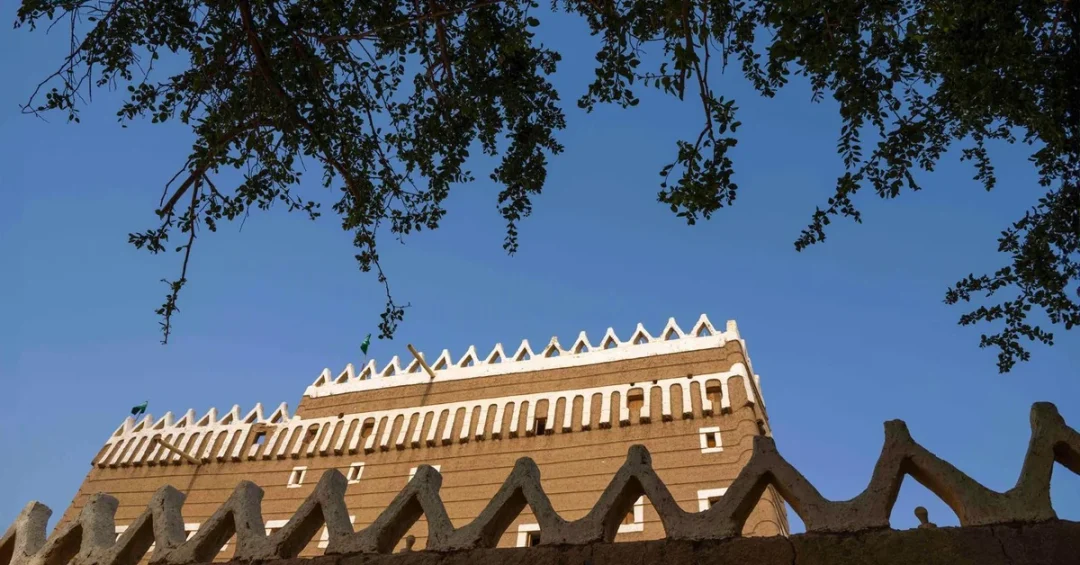
Mud houses in the Najran Region are drawing growing numbers of visitors and heritage enthusiasts, according to the Saudi Press Agency (SPA), which reported on March 26, 2025 that these fortress-like structures offer an ideal glimpse into the Kingdom’s architectural past and a living connection to the region’s ancient history. Scattered along the banks of the Najran Valley and framed by towering palm groves, the multi-story earthen buildings have become iconic symbols of Saudi cultural identity, celebrated for their distinctive design, remarkable durability, and the window they open onto centuries of human ingenuity in the Arabian Peninsula’s southern highlands.
For international audiences, the renewed attention on Najran’s mud architecture is more than a travel story. It reflects a broader national movement, supported by official Saudi channels and aligned with Vision 2030, to document, protect, and share the Kingdom’s diverse heritage with the world. The mud houses stand as evidence that Saudi Arabia’s modernization is being built alongside, not on top of, its history. Visitors arriving in Najran today encounter structures that have withstood the passage of time while remaining central to the community’s sense of place. Why do these earthen towers continue to fascinate people from across the globe? The answer lies in their fusion of utility, beauty, and memory.
Context and Background
What makes Najran’s mud houses so enduring in both form and reputation? Located in the southwest of Saudi Arabia, near the border with Yemen, Najran has long been a crossroads of trade, agriculture, and cultural exchange. Its architecture evolved in response to the environment: thick earthen walls regulate temperature in the desert heat, while elevated floors provide security and ventilation. The Saudi Press Agency notes that these structures vary in architectural style, authenticity, and beauty, with some rectangular and impressively tall, while others rise vertically to eight or nine stories. This diversity reflects generations of adaptation and craftsmanship.
The mud houses are not isolated monuments but part of a wider cultural landscape. They sit along the Najran Valley, where the combination of earthen architecture and dense palm groves creates a panoramic view that blends natural beauty with the spirit of a bygone era. Residents remain deeply committed to preserving them, ensuring they continue to stand as symbols of national cultural identity. For heritage enthusiasts, this commitment is as compelling as the buildings themselves, because it demonstrates that preservation is a living practice, not a museum exercise.
Historically, Najran’s position made it a meeting point for caravans and communities, and its building traditions absorbed influences while retaining a distinct local character. The mud houses tell a story of past architectural ingenuity, showcasing techniques that reflect human creativity and environmental intelligence. Together, they form a timeless cultural masterpiece that informs present generations about the region’s history and civilization. This background matters for international readers because it positions Saudi Arabia not only as a custodian of Islamic heritage but also as a guardian of pre-Islamic and regional architectural traditions that enrich global cultural diversity.
Key Details
What exactly do visitors see when they arrive at Najran’s mud house districts? The most striking feature is the verticality of the structures. Unlike many earthen buildings elsewhere in the world, Najran’s mud houses can reach eight or nine stories, a height achieved through sophisticated stacking and reinforcement techniques using local materials. Their fortress-like appearance is intentional, offering defense and privacy while also making an imposing visual statement. Rectangular forms with impressive heights stand alongside narrower towers, creating a skyline that is both rhythmic and varied.
The Saudi Press Agency describes these buildings as offering an ideal glimpse into the past, attracting visitors with their fortress-like structures. Their unique architecture and heritage charm have made them a destination for explorers and those interested in cultural preservation. The materials are simple, primarily mud and straw, but the execution is complex. Builders historically used layered applications, allowing walls to dry and settle, which contributed to the longevity of the structures. This technique is now studied by architects and conservationists as an early example of sustainable design.
The setting amplifies the experience. The mud houses are scattered along the banks of the Najran Valley, where towering palms provide shade and contrast. The result is a captivating scene that blends natural beauty with the spirit of a bygone era. For photographers, historians, and tourists, the area offers a rare combination of landscape and architecture. Residents’ continued commitment to preservation ensures that the buildings are not abandoned relics but active symbols of national cultural identity. How many places in the world still offer such an authentic encounter with the past? Najran’s mud houses answer that question by simply continuing to stand.
International and Regional Impact
Why should the preservation of Najran’s mud houses matter beyond Saudi Arabia’s borders? In an era of rapid urbanization, earthen architecture is increasingly recognized as a global heritage asset. UNESCO and other international bodies have highlighted the importance of traditional building techniques for sustainable development. Najran’s mud houses contribute to this global conversation by demonstrating that local materials and indigenous knowledge can produce durable, climate-responsive structures. Their continued existence offers lessons for contemporary architects seeking low-carbon solutions.
Regionally, the mud houses strengthen Saudi Arabia’s cultural diplomacy. As the Kingdom hosts more international visitors, events, and cultural exchanges, sites like Najran provide tangible evidence of the depth and diversity of Saudi heritage. They complement better-known destinations such as AlUla and Diriyah, broadening the narrative of what Saudi Arabia offers. For neighboring countries and the wider Middle East, Najran’s example encourages cross-border appreciation of shared architectural traditions. The Saudi Press Agency’s coverage underscores that this is a source of national pride and a welcoming invitation to the world.
Economic and Strategic Significance
How do heritage sites like Najran’s mud houses contribute to Saudi Arabia’s economic diversification? Tourism is a key pillar of Vision 2030, and cultural heritage is one of its most compelling draws. Visitors who travel to Najran for its architecture also spend on hotels, guides, local crafts, and food, supporting small businesses and creating jobs. The Saudi Press Agency’s report highlights the area’s appeal to explorers and cultural preservation enthusiasts, a niche but high-value segment of the global travel market. As domestic and international tourism grows, Najran is positioned to benefit.
Strategically, preserving mud houses reinforces community resilience. When residents maintain their ancestral homes, they sustain local identity and social cohesion. This aligns with national efforts to promote quality of life and regional development outside major cities. The buildings themselves are a form of infrastructure, attracting investment in restoration and adaptive reuse. Some may become museums, guesthouses, or cultural centers, extending their economic life without compromising their heritage value. In this way, Najran’s past becomes a foundation for its future.
Vision 2030 Alignment
How does the story of Najran’s mud houses fit into Saudi Arabia’s long-term vision? Vision 2030 seeks to diversify the economy, empower communities, and showcase the Kingdom’s cultural richness. Heritage preservation is explicitly part of this agenda, from the restoration of historic districts to the promotion of national identity. The mud houses, as described by the Saudi Press Agency, embody these goals: they are locally rooted, nationally significant, and internationally appealing. Their endurance mirrors the Kingdom’s own journey of modernization that respects tradition.
As Saudi Arabia continues to open to the world, sites like Najran’s mud houses will play a growing role in cultural exchange and tourism. They remind us that progress and preservation can go hand in hand. For visitors and heritage enthusiasts, they offer an unforgettable encounter with the past. For the Kingdom, they are a testament to the enduring creativity of its people and a proud symbol of national cultural identity. The mud houses of Najran are not just standing; they are inviting the world to look closer, learn, and be inspired.
20 Questions
Q1. What are the mud houses of Najran?
A1. They are traditional earthen structures in Saudi Arabia’s Najran Region, known for their fortress-like appearance and multi-story design. Some rise eight or nine stories, and they are celebrated as symbols of the region’s ancient architectural heritage and national cultural identity.
Q2. Where exactly are Najran’s mud houses located?
A2. They are scattered along the banks of the Najran Valley in the Najran Region, near the border with Yemen. The valley’s towering palm groves create a striking landscape that blends natural beauty with the historic architecture.
Q3. Why are the mud houses considered a favorite destination for visitors?
A3. Visitors are drawn to their unique fortress-like architecture, heritage charm, and the window they provide into the past. They attract explorers, photographers, and heritage enthusiasts interested in cultural preservation and authentic experiences.
Q4. How tall can Najran’s mud houses be?
A4. According to the Saudi Press Agency, some mud houses rise eight or nine stories. Their height varies, with some rectangular and impressively tall, while others are vertically aligned, creating a diverse and dramatic skyline.
Q5. What materials are used in building these mud houses?
A5. They are built primarily from mud and straw, using layered application techniques that allow walls to dry and settle. These local materials and methods contribute to the structures’ remarkable durability and climate responsiveness.
Q6. How old are the mud houses in Najran?
A6. The structures reflect centuries of architectural tradition in the region. While individual buildings vary in age, they collectively represent a cultural legacy deeply connected to Najran’s ancient history and civilization.
Q7. Why are the mud houses described as fortress-like?
A7. Their thick earthen walls, elevated floors, and imposing vertical forms provided defense, privacy, and protection from the environment. This fortress-like design is both functional and visually striking, contributing to their enduring appeal.
Q8. Who is responsible for preserving the mud houses?
A8. Local residents remain deeply committed to preserving them, ensuring they continue to stand as symbols of national cultural identity. Their efforts are supported by broader Saudi heritage initiatives aligned with Vision 2030.
Q9. What is the significance of the palm groves near the mud houses?
A9. The towering palms along the Najran Valley create a panoramic view that enhances the beauty of the mud houses. Together, they offer a captivating scene that blends natural beauty with the spirit of a bygone era.
Q10. How do the mud houses reflect human creativity?
A10. They showcase building techniques that reflect human ingenuity and environmental adaptation. The varied styles, authenticity, and beauty of the structures demonstrate generations of craftsmanship and thoughtful design in a challenging climate.
Q11. Are the mud houses still inhabited today?
A11. While some may be uninhabited, residents remain committed to preserving them. Many are maintained as heritage sites, and some may be adapted for cultural or tourism uses, keeping them active parts of the community.
Q12. What makes Najran’s mud houses different from other earthen architecture?
A12. Their exceptional height, up to eight or nine stories, and their fortress-like appearance set them apart. The diversity of styles and the integration with the valley landscape make them unique among traditional earthen buildings.
Q13. How does the Saudi Press Agency describe the mud houses?
A13. The SPA describes them as offering an ideal glimpse into the past, attracting visitors with their fortress-like structures. It notes their unique architecture and heritage charm have made them a destination for explorers and cultural preservation enthusiasts.
Q14. What role do the mud houses play in Saudi cultural identity?
A14. They are iconic symbols deeply connected to the region’s ancient history and serve as symbols of national cultural identity. Their preservation reinforces pride in Saudi heritage and showcases the Kingdom’s diverse architectural legacy.
Q15. Can tourists visit the mud houses?
A15. Yes, they are a destination for visitors and heritage enthusiasts. As Saudi Arabia expands its tourism sector under Vision 2030, sites like Najran’s mud houses are becoming more accessible to domestic and international travelers.
Q16. How do the mud houses contribute to Vision 2030?
A16. They support economic diversification through tourism, promote cultural preservation, and strengthen national identity. These goals align with Vision 2030’s emphasis on heritage, quality of life, and showcasing Saudi Arabia’s rich history to the world.
Q17. What economic benefits do the mud houses bring to Najran?
A17. They attract tourists who spend on local services such as hotels, guides, crafts, and food. This supports small businesses, creates jobs, and encourages investment in restoration and adaptive reuse of heritage buildings.
Q18. What is the historical significance of Najran as a region?
A18. Najran has long been a crossroads of trade and culture in southern Saudi Arabia. Its mud houses reflect this rich history, embodying architectural traditions that have evolved over centuries and absorbed influences while retaining a distinct local character.
Q19. How are the mud houses being preserved for future generations?
A19. Preservation involves community commitment, restoration efforts, and national heritage initiatives. Residents maintain the structures, while Saudi authorities support documentation and protection, ensuring the buildings remain symbols of cultural identity.
Q20. Why should international visitors be interested in Najran’s mud houses?
A20. They offer a rare, authentic encounter with traditional earthen architecture and Saudi heritage. As the Kingdom opens to the world, Najran provides a compelling destination that combines history, natural beauty, and cultural preservation in one remarkable setting.
Reader Feedback
We value your thoughts. Please share your feedback on this article.
Your feedback helps us improve our coverage.
Related articles
 Two Holy Mosques Intensify Ramadan Final Friday Programs
 Rain and Hail Paint Captivating Natural Landscapes in Aseer
 Grand Mosque Welcomes 3.4 Million on Ramadan 26
 Al-Baha Farms Offer Ramadan Retreat Amid Nature’s Splendor
 Record 57,000 Worshippers Use Electric Carts at Grand Mosque
 Multilingual Guide Launched at Grand Mosque for Umrah