


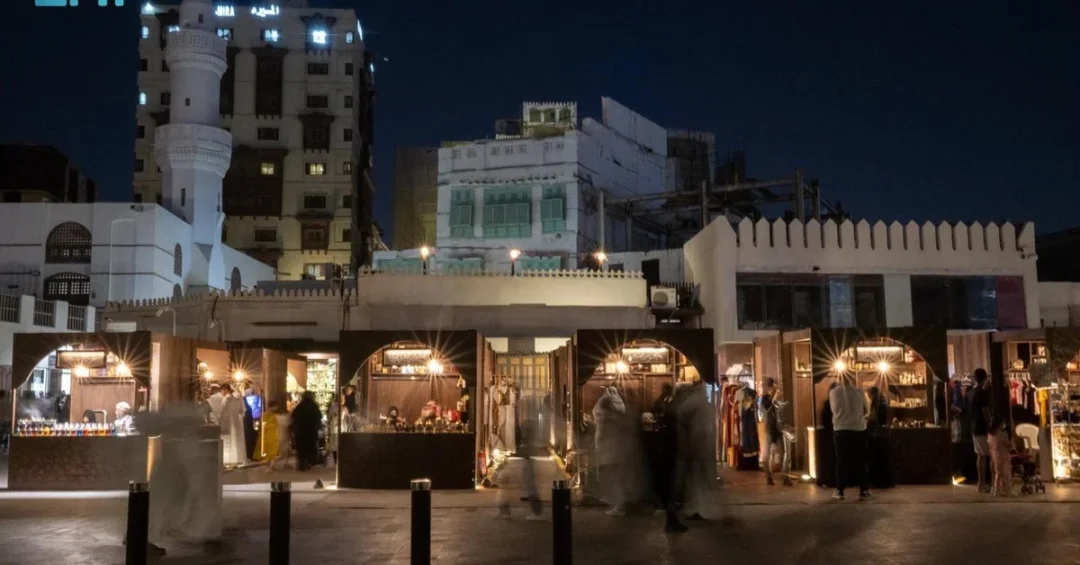
Al-Khasakiya Market, a historic trading hub in the heart of Jeddah dating back more than 200 years, continues to stand as a living testament to the city’s rich cultural and commercial heritage, according to information released by the Saudi Press Agency (SPA). The market, which spans approximately 1.5 square kilometers, offers visitors a captivating glimpse into Jeddah’s deep-rooted past through its narrow streets, winding alleys, and old-fashioned architecture that transports them back in time to a bygone era.
But what makes this market so enduring, and why does it remain so central to Jeddah’s identity after two centuries of sweeping change? Located strategically near the Red Sea port that has long served as a gateway for trade between the Arabian Peninsula and the wider world, Al-Khasakiya Market has functioned as a crucial commercial center where locally crafted goods made by skilled artisans sit alongside imports from across the globe. The market’s name derives from “Khasakiya,” a term once used to describe neighborhoods frequented by Jeddah’s elite, a designation that over time became widely embraced by the local community and now forms part of the city’s collective memory. Today, the market remains a vibrant hub for residents from all walks of life, serving as a lively gathering place that embodies the Kingdom’s commitment to preserving its cultural heritage while embracing modernization under Saudi Vision 2030.
Context and Background
How does a market survive for more than two centuries in a city as dynamic as Jeddah? The answer lies in its unique position at the intersection of geography, culture, and commerce. Jeddah’s historic markets, with their timeless charm and vibrant history, have long offered visitors a unique experience, allowing them to navigate bustling shops and immerse themselves in the region’s deep-rooted heritage and cultural diversity. Among these iconic markets, Al-Khasakiya stands out for its enduring traditional character, a distinction that has been recognized and documented through official Saudi channels.
The market’s origins are deeply intertwined with Jeddah’s emergence as a major port city on the Red Sea. For centuries, Jeddah served as the principal gateway for pilgrims traveling to the holy cities of Makkah and Madinah, as well as a vital node in the maritime trade routes connecting the Indian Ocean, the Arabian Peninsula, and the Mediterranean world. This strategic location made the city a natural home for merchants, artisans, and traders from diverse backgrounds, who brought with them not only goods but also ideas, customs, and architectural traditions. Al-Khasakiya Market emerged as one of the principal commercial arteries of this cosmopolitan city, a place where the elite of Jeddah once gathered and where the rhythms of daily life played out against a backdrop of commerce and community.
The market’s name itself tells a story of social evolution. “Khasakiya” originally referred to the neighborhoods frequented by Jeddah’s elite, a term that carried connotations of prestige and privilege. Over time, however, the name was embraced by the broader local community, becoming a widely recognized identifier for the market and its surrounding area. This linguistic shift reflects the market’s role as a democratizing force in the city’s social fabric, a place where people from all backgrounds could come together to buy, sell, and interact. According to information released via the Saudi Press Agency, the market has remained a living monument to the region’s rich history and heritage, a status that underscores its importance not only as a commercial venue but also as a cultural institution.
Key Details
What exactly does a visitor encounter when stepping into Al-Khasakiya Market today? The experience is one of sensory immersion and historical discovery. Visitors navigate narrow streets and winding alleys, where the market’s old-fashioned architecture transports them back in time, capturing the essence of a bygone era. The buildings and shopfronts retain traditional design elements that reflect the region’s architectural heritage, including coral stone construction, wooden latticework, and shaded arcades that provide respite from the heat. These features are not merely aesthetic; they are functional adaptations to the climate and lifestyle of the Red Sea coast, developed over generations of local knowledge.
The market’s strategic location near the port made it a crucial trade center, offering a diverse range of goods that reflects its long history of international exchange. Locally crafted items made by skilled artisans are prominently featured, including textiles, jewelry, pottery, spices, and traditional clothing. These products represent the continuation of craft traditions that have been passed down through generations, supporting local livelihoods and preserving intangible cultural heritage. At the same time, the market has historically been a destination for imports from around the world, including fabrics from India, spices from Southeast Asia, and manufactured goods from Europe and the Ottoman Empire. This dual character, at once deeply local and globally connected, is a defining feature of Jeddah’s identity as a cosmopolitan port city.
Spanning 1.5 square kilometers, Al-Khasakiya Market is not a single structure but a sprawling urban district with its own internal logic and rhythm. It has become a vibrant hub for the city’s residents, attracting people from all walks of life and serving as a lively gathering place for the community. The market’s scale and complexity allow it to accommodate a wide range of activities, from wholesale trade and retail shopping to social interaction and cultural exchange. For residents of Jeddah, it is a familiar landmark and a source of pride; for visitors, it is a window into the city’s soul.
International and Regional Impact
Why should the preservation of a historic market in Jeddah matter to audiences beyond Saudi Arabia? The answer lies in the broader significance of cultural heritage as a driver of tourism, diplomacy, and economic diversification. Historic markets like Al-Khasakiya are increasingly recognized as valuable assets in the global tourism economy, attracting visitors who seek authentic experiences and meaningful connections with local cultures. For Saudi Arabia, which has set ambitious targets for expanding its tourism sector under Vision 2030, the preservation and promotion of heritage sites is not merely a matter of cultural pride but a strategic economic priority.
Regionally, Al-Khasakiya Market serves as a reminder of the deep historical connections that bind the Red Sea region together. The market’s role as a trade center near the port reflects centuries of exchange between the Arabian Peninsula, Africa, the Indian subcontinent, and the wider Islamic world. This history of openness and exchange stands in contrast to narrower conceptions of cultural identity, offering a model of cosmopolitanism that is rooted in local traditions rather than imposed from outside. For international visitors, the market provides an accessible entry point into understanding the complexity and richness of Saudi Arabia’s cultural heritage, beyond the stereotypes that have often shaped external perceptions of the Kingdom.
Moreover, the market’s continued vitality demonstrates that heritage preservation and modern development can coexist. Rather than being frozen in time or turned into a museum piece, Al-Khasakiya remains a working market where commerce and community life continue to thrive. This living quality is essential to its appeal and its sustainability, ensuring that the market remains relevant to new generations of Saudis and visitors alike. It also aligns with global best practices in heritage management, which emphasize the importance of maintaining the social and economic functions of historic urban areas.
Economic and Strategic Significance
How does a 200-year-old market contribute to a 21st-century economy? The answer lies in the market’s role as a source of livelihood, a hub for small and medium enterprises, and a magnet for tourism spending. Al-Khasakiya Market supports a wide range of businesses, from family-owned shops that have operated for generations to newer ventures that cater to contemporary tastes. These businesses provide employment and income for residents of Jeddah, contributing to the local economy and helping to sustain the social fabric of the old city.
From a strategic perspective, the market is part of a broader effort to develop Jeddah’s historic district as a cultural and tourism destination. The Saudi government, through various ministries and agencies, has invested in the restoration and revitalization of historic areas, recognizing their potential to attract visitors and generate economic activity. These efforts are aligned with Vision 2030’s goals of diversifying the economy away from oil dependence and creating new opportunities in sectors such as tourism, culture, and entertainment. Al-Khasakiya Market, with its unique character and central location, is well positioned to benefit from these investments and to serve as a showcase for Saudi Arabia’s cultural heritage.
Furthermore, the market’s emphasis on locally crafted goods and traditional products supports the broader goal of promoting Saudi craftsmanship and design. By providing a market for artisans and small producers, Al-Khasakiya helps to preserve traditional skills and knowledge that might otherwise be lost. This, in turn, contributes to the cultural dimension of Vision 2030, which seeks to celebrate and strengthen Saudi national identity while engaging with the world.
Vision 2030 Alignment
How does Al-Khasakiya Market fit into Saudi Arabia’s long-term vision for the future? The market is a tangible expression of several key Vision 2030 objectives, including the preservation of cultural heritage, the development of tourism, and the promotion of economic diversification. By maintaining its traditional character while adapting to modern needs, the market embodies the balance between authenticity and progress that lies at the heart of the Vision 2030 framework.
Under the leadership of the Kingdom’s wise leadership, Saudi Arabia has made significant strides in revitalizing its cultural and historical assets. The preservation of Al-Khasakiya Market is part of this broader effort, which includes the restoration of historic districts in Jeddah and other cities, the development of cultural festivals and events, and the promotion of Saudi heritage on the international stage. These initiatives not only enhance the quality of life for citizens and residents but also strengthen the Kingdom’s position as a global destination for culture and tourism.
As Saudi Arabia continues its journey toward a prosperous and diversified future, sites like Al-Khasakiya Market will play an increasingly important role in telling the story of the Kingdom’s rich history and its bright prospects. The market’s enduring appeal is a testament to the resilience of Saudi culture and the wisdom of preserving the past while building for the future. For international audiences, it offers a compelling invitation to discover the many layers of Saudi Arabia’s heritage and to participate in the Kingdom’s ongoing transformation.
20 Questions
Q1. What is Al-Khasakiya Market and where is it located?
A1. Al-Khasakiya Market is a historic trading hub located in Jeddah, Saudi Arabia, near the Red Sea port. It spans approximately 1.5 square kilometers and dates back more than 200 years, serving as a living testament to the city’s rich cultural and commercial heritage.
Q2. How old is Al-Khasakiya Market?
A2. According to the Saudi Press Agency, Al-Khasakiya Market dates back over 200 years. Its enduring traditional character reflects centuries of commercial and cultural activity in Jeddah, making it one of the city’s most historically significant markets.
Q3. What does the name “Al-Khasakiya” mean?
A3. The name derives from “Khasakiya,” which referred to neighborhoods once frequented by Jeddah’s elite. Over time, the term became widely embraced by the local community and is now used to identify the market and its surrounding area.
Q4. What can visitors expect to see at Al-Khasakiya Market?
A4. Visitors can navigate narrow streets and winding alleys featuring old-fashioned architecture that transports them back in time. The market offers a diverse range of goods, including locally crafted items made by skilled artisans and imports from around the world.
Q5. Why was Al-Khasakiya Market strategically important?
A5. Its location near Jeddah’s port made it a crucial trade center. The port connected the Arabian Peninsula with global maritime routes, allowing the market to serve as a hub for both local crafts and international imports, contributing to Jeddah’s prosperity.
Q6. What types of goods are sold at Al-Khasakiya Market?
A6. The market offers a diverse range of goods, including locally crafted items such as textiles, jewelry, pottery, spices, and traditional clothing made by skilled artisans, as well as imported products from various countries, reflecting its long history of international trade.
Q7. How large is Al-Khasakiya Market?
A7. Al-Khasakiya Market spans approximately 1.5 square kilometers. This expansive area includes narrow streets, winding alleys, and numerous shops, making it a vibrant hub for residents and visitors alike.
Q8. Who visits Al-Khasakiya Market today?
A8. The market attracts people from all walks of life, including Jeddah residents, domestic tourists from across Saudi Arabia, and international visitors. It serves as a lively gathering place for the community and a cultural destination for those interested in heritage.
Q9. How does Al-Khasakiya Market contribute to Jeddah’s economy?
A9. The market supports numerous small businesses, from family-owned shops to artisan ventures, providing employment and income. It also attracts tourism spending, contributing to the local economy and the broader goals of Saudi Vision 2030 for economic diversification.
Q10. What is the architectural style of Al-Khasakiya Market?
A10. The market features old-fashioned architecture that reflects the traditional design of Jeddah’s historic district, including coral stone construction, wooden latticework, and shaded arcades. These elements are adapted to the local climate and cultural heritage.
Q11. Why is Al-Khasakiya Market considered a living monument?
A11. It remains a working market where commerce and community life continue to thrive, rather than being frozen in time or turned into a museum. This living quality ensures its relevance to new generations and its sustainability as a cultural and economic asset.
Q12. How does Al-Khasakiya Market reflect Jeddah’s cultural diversity?
A12. The market’s history of trade brought together merchants, artisans, and goods from diverse backgrounds, including India, Southeast Asia, Europe, and the Ottoman Empire. This cosmopolitan character is reflected in its products, architecture, and social fabric.
Q13. What role does Al-Khasakiya Market play in Saudi Vision 2030?
A13. The market aligns with Vision 2030 goals of preserving cultural heritage, developing tourism, and diversifying the economy. Its revitalization supports job creation, promotes Saudi craftsmanship, and enhances the Kingdom’s appeal as a cultural destination.
Q14. Are there efforts to preserve Al-Khasakiya Market?
A14. Yes, Saudi government ministries and agencies have invested in restoring and revitalizing historic areas, including Jeddah’s old markets. These efforts aim to maintain the market’s traditional character while adapting it to modern needs and tourism demands.
Q15. How does Al-Khasakiya Market compare to other historic markets in Jeddah?
A15. Al-Khasakiya stands out for its enduring traditional character and its name’s connection to Jeddah’s elite. Like other old markets, it offers a glimpse into the city’s heritage, but its scale and strategic location give it unique significance.
Q16. What is the significance of the market’s location near the port?
A16. The proximity to the port made Al-Khasakiya a crucial trade center, facilitating the exchange of local and imported goods. This location helped Jeddah thrive as a commercial gateway between the Arabian Peninsula and global markets.
Q17. How can international visitors experience Al-Khasakiya Market?
A17. International visitors can explore the market’s narrow streets, shop for traditional crafts and imports, and immerse themselves in the region’s heritage. The market is accessible to tourists and offers a unique cultural experience in Jeddah.
Q18. What makes Al-Khasakiya Market a gathering place for the community?
A18. The market’s vibrant atmosphere, diverse goods, and central location make it a natural meeting point. Residents from all walks of life come together to shop, socialize, and engage in community life, reinforcing social bonds.
Q19. How does Al-Khasakiya Market support local artisans?
A19. By providing a marketplace for locally crafted items, the market helps artisans sell their products, preserve traditional skills, and earn a livelihood. This support contributes to the sustainability of Saudi cultural heritage and craftsmanship.
Q20. What does the future hold for Al-Khasakiya Market?
A20. With ongoing preservation and tourism development efforts aligned with Vision 2030, Al-Khasakiya Market is poised to remain a vital cultural and economic asset, attracting visitors and serving the community for generations to come.
Reader Feedback
We value your thoughts. Please share your feedback on this article.
Your feedback helps us improve our coverage.
Related articles
 Madinah Licensed Hotel Rooms Surpass 62,000, Up 62%
 Iftar Tables at Qiblatain Mosque: Spiritual Ambience, Solidarity
 Rural Farms: A Unique Tourist Experience Amidst Nature
 Al-Fatah Mosque in Madinah: Monument of Islamic History
 Madinah Hospitality Facilities Surge 93% in 2024
 GEA Unveils Eid Events 2025 Across the Kingdom