


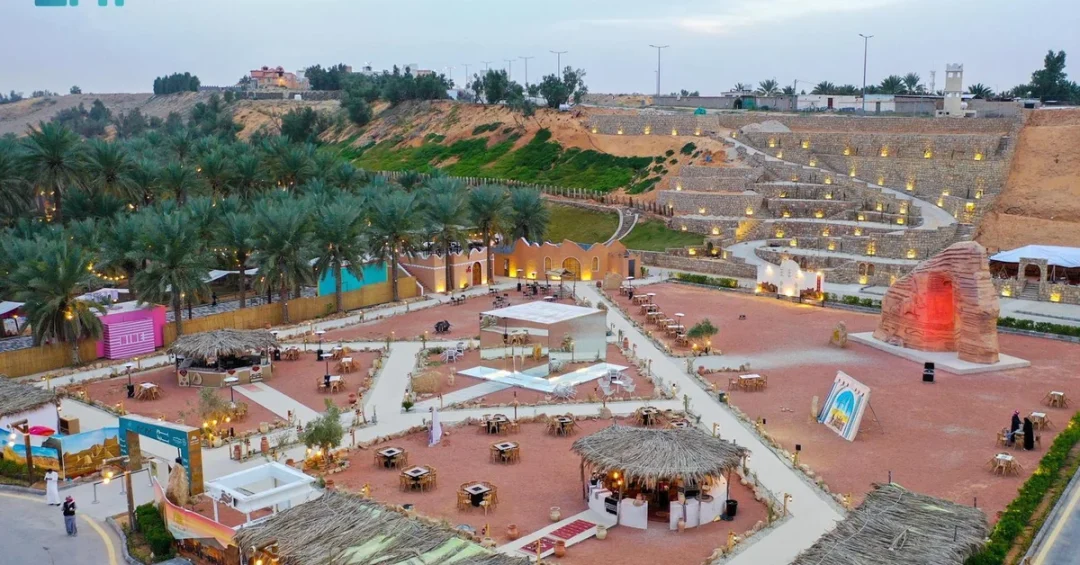
Rural farms across Saudi Arabia are emerging as a distinctive tourist attraction this Ramadan, offering visitors a serene retreat in nature that blends spiritual reflection with the tranquility of the countryside, according to the Saudi Press Agency (SPA). These agricultural destinations have become an ideal setting for families and travelers seeking a unique experience, providing iftar, suhoor, and a variety of traditional Ramadan dishes amid palm trees and lush greenery. The trend reflects a broader transformation in the Kingdom’s tourism landscape, where traditional farming communities are opening their gates to welcome guests from within and beyond the region.
During a tour conducted by SPA, rural farm owner Abdulaziz Al-Mahous shared insights into the initiative of transforming farms into tourist destinations. He explained that these farms attract visitors by offering services such as restaurants, cafés, shops, and seating areas nestled among palm trees and lush greenery, allowing guests to immerse themselves in nature. Al-Mahous also noted that Ramadan sees a surge in visitors from both within and outside the region, reinforcing the farms’ appeal as a popular tourist destination. The initiative represents a creative response to growing demand for authentic, nature-based experiences during the holy month.
But what exactly makes these rural farms so compelling for modern travelers seeking meaning and connection? The answer lies in a combination of natural beauty, cultural authenticity, and the warm hospitality that has long defined Saudi Arabia’s rural communities. As the Kingdom continues to diversify its tourism offerings under Vision 2030, these farm-based experiences are proving that some of the most memorable journeys begin far from the city lights.
Context and Background
How did rural farms evolve from purely agricultural operations into sought-after tourist destinations? The transformation reflects a broader shift in Saudi Arabia’s tourism sector, which has expanded rapidly in recent years as part of the Kingdom’s economic diversification strategy. Farm owners, recognizing the growing interest in agritourism and experiential travel, began opening their properties to visitors seeking respite from urban life. What started as informal gatherings among friends and family gradually developed into organized offerings complete with dining facilities, recreational spaces, and curated experiences that showcase the best of rural Saudi hospitality.
The holy month of Ramadan has provided a particularly powerful catalyst for this trend. During Ramadan, Muslims fast from dawn until sunset, breaking their fast with iftar and often gathering again later for suhoor. Rural farms offer an idyllic setting for these meals, where the call to prayer mingles with the rustle of palm fronds and the scent of traditional dishes cooking over open fires. The atmosphere of spiritual reflection is enhanced by the natural surroundings, creating an experience that resonates deeply with visitors seeking both tranquility and community.
According to information released through official Saudi channels, including the Saudi Press Agency, these farms attract a large number of visitors and tourists throughout Ramadan, offering a perfect setting to enjoy the spiritual atmosphere. The initiative aligns with the Kingdom’s efforts to promote domestic tourism and showcase the diversity of experiences available across its regions, from the agricultural heartlands of Al-Qassim to the terraced farms of the southwest.
Key Details of the Farm Tourism Experience
What specific services and amenities do these rural farms provide to visitors? According to Abdulaziz Al-Mahous, whose farm was featured in the SPA tour, the offerings extend well beyond simple dining. Restaurants and cafés serve traditional Ramadan dishes prepared with locally sourced ingredients, while shops allow visitors to purchase regional products and handicrafts. Seating areas are thoughtfully arranged among palm trees and lush greenery, enabling guests to immerse themselves in nature while enjoying their meals and conversations. This combination of culinary excellence and natural beauty creates a multisensory experience that distinguishes farm tourism from conventional restaurant dining.
The surge in visitors during Ramadan has been notable, with guests arriving from both within the region and from other parts of the Kingdom. This cross-regional appeal suggests that rural farms are successfully positioning themselves as destinations worth traveling for, not merely local conveniences. Families appreciate the safe, open environment where children can play freely, while adults savor the peaceful atmosphere and the opportunity to reconnect with nature and tradition. The farms also serve as venues for community gatherings, strengthening social bonds during a month traditionally devoted to family and generosity.
Beyond Ramadan, many farms are exploring ways to extend their tourism offerings throughout the year. Some have introduced educational programs about sustainable agriculture, while others host seasonal events tied to the harvest calendar. These developments point to a maturing sector that is learning to balance agricultural production with hospitality services, creating new income streams for rural communities while preserving the agricultural heritage that makes these locations unique.
International and Regional Impact
How does the rise of rural farm tourism in Saudi Arabia resonate beyond the Kingdom’s borders? For international visitors, these farms offer a window into authentic Saudi culture that complements the country’s more established attractions, such as historical sites in AlUla, the Red Sea coastline, and the urban dynamism of Riyadh and Jeddah. Travelers seeking meaningful connections with local communities increasingly gravitate toward experiences that feel genuine and unscripted, and farm stays deliver precisely that. The SPA report highlights that visitors come from outside the region as well, indicating that word of these experiences is spreading through travel networks and social media.
Regionally, the trend reflects a broader movement across the Gulf toward agritourism and heritage-based travel. Saudi Arabia’s approach, however, is distinguished by its scale and the diversity of its agricultural landscapes, from date palm oases to highland terraces. As the Kingdom invests in tourism infrastructure and simplifies visa procedures, rural farms are well positioned to capture a share of the growing number of travelers interested in sustainable and culturally immersive experiences. The integration of farm tourism into the national tourism strategy demonstrates how local initiatives can contribute to national goals.
Economic and Strategic Significance
What economic benefits do rural farms generate for their communities and the Kingdom as a whole? By diversifying their revenue streams beyond crop production, farm owners can achieve greater financial stability while creating employment opportunities in hospitality, food service, and retail. These jobs often employ local residents, helping to stem rural-to-urban migration and preserve community fabric. The multiplier effect extends to suppliers of food, equipment, and services, generating economic activity that circulates within the region rather than leaking to distant urban centers.
Strategically, the development of farm tourism supports Saudi Arabia’s goals of increasing domestic tourism expenditure and reducing reliance on oil revenues. Every riyal spent by a visitor at a rural farm contributes to the local economy and to the national tourism ecosystem. The initiative also enhances food security narratives by keeping agricultural land productive and economically viable, even as the Kingdom imports a significant portion of its food. By making farming more profitable through diversified income, farm tourism helps sustain the agricultural sector that is vital to national resilience.
Vision 2030 Alignment
How does the rural farm tourism initiative connect to Saudi Vision 2030? The Vision, launched by Crown Prince Mohammed bin Salman, aims to diversify the economy, enhance quality of life, and position the Kingdom as a premier tourism destination. Rural farms contribute directly to these objectives by creating new tourism products, supporting small businesses, and showcasing the Kingdom’s natural and cultural heritage. The initiative also aligns with the Vision’s emphasis on empowering local communities and fostering pride in Saudi identity.
As Saudi Arabia continues its journey toward a diversified, dynamic economy, rural farms stand as a testament to the creativity and resilience of its people. They offer a unique tourist experience that blends nature, tradition, and hospitality, inviting visitors to slow down, reflect, and connect. In doing so, they not only enrich the Kingdom’s tourism offerings but also strengthen the social fabric that underpins Vision 2030’s ambitious goals. The future of Saudi tourism is not only in its cities and resorts but also in its fields and farms, where the authentic spirit of the Kingdom thrives.
20 Questions
Q1. What are rural farms offering to visitors during Ramadan?
A1. Rural farms offer iftar, suhoor, and traditional Ramadan dishes in a serene natural setting, along with restaurants, cafés, shops, and seating areas among palm trees and greenery.
Q2. Who is Abdulaziz Al-Mahous?
A2. Abdulaziz Al-Mahous is a rural farm owner who shared insights with the Saudi Press Agency about transforming farms into tourist destinations that attract visitors during Ramadan.
Q3. Why are rural farms becoming popular tourist destinations in Saudi Arabia?
A3. They provide a unique blend of tranquility, natural beauty, and traditional hospitality, appealing to visitors seeking a spiritual and relaxing retreat away from urban life.
Q4. What services do these farms typically provide?
A4. They offer restaurants, cafés, shops, and seating areas nestled among palm trees and lush greenery, allowing guests to immerse themselves in nature while enjoying meals.
Q5. Do rural farms attract visitors from outside the region?
A5. Yes, according to the SPA report, Ramadan sees a surge in visitors from both within and outside the region, reinforcing the farms’ appeal as popular destinations.
Q6. How does farm tourism align with Saudi Vision 2030?
A6. It supports economic diversification, enhances quality of life, creates jobs, and promotes domestic tourism, all of which are key objectives of Vision 2030.
Q7. What is the significance of Ramadan for farm tourism?
A7. Ramadan is a peak season because families seek peaceful settings for iftar and suhoor, and the spiritual atmosphere is enhanced by the natural surroundings of the farms.
Q8. Are these farms only open during Ramadan?
A8. While Ramadan is a particularly busy period, many farms are exploring year-round offerings such as educational programs and seasonal events to sustain visitor interest.
Q9. How do rural farms benefit local communities?
A9. They create employment in hospitality and retail, support local suppliers, and help stem rural-to-urban migration by providing diverse income streams for farming families.
Q10. What role does the Saudi Press Agency play in reporting this trend?
A10. The Saudi Press Agency (SPA) conducts tours and interviews farm owners, providing official information that highlights the development of rural farm tourism across the Kingdom.
Q11. Can international tourists visit these rural farms?
A11. Yes, international visitors are welcome and can experience authentic Saudi hospitality, traditional cuisine, and the natural beauty of the countryside.
Q12. What types of traditional dishes are served at these farms?
A12. A variety of traditional Ramadan dishes are served, often prepared with locally sourced ingredients, reflecting the culinary heritage of the region.
Q13. How do these farms contribute to Saudi Arabia’s food security?
A13. By diversifying income through tourism, farms remain economically viable and continue agricultural production, supporting the Kingdom’s food security objectives.
Q14. Are there any environmental benefits to farm tourism?
A14. Farm tourism encourages sustainable land use and can promote environmental stewardship, as farm owners preserve natural landscapes to attract visitors.
Q15. What makes farm tourism different from traditional hotel stays?
A15. Farm tourism offers an immersive, authentic experience in nature, with personalized hospitality, local cuisine, and a connection to agricultural heritage that hotels cannot replicate.
Q16. How has the Saudi government supported the growth of farm tourism?
A16. Through Vision 2030 initiatives, the government promotes domestic tourism, improves infrastructure, and facilitates private sector investment in rural areas.
Q17. What economic impact do rural farms have on the local region?
A17. They generate revenue, create jobs, and stimulate ancillary businesses, contributing to the economic vitality of rural communities and the broader region.
Q18. Are there any educational components to farm visits?
A18. Some farms offer educational programs about sustainable agriculture, giving visitors insight into farming practices and the importance of food production.
Q19. How can travelers find information about rural farm experiences?
A19. Information is available through official Saudi tourism channels, the Saudi Press Agency, and social media platforms where farm owners promote their offerings.
Q20. What does the future hold for rural farm tourism in Saudi Arabia?
A20. With continued support under Vision 2030, rural farm tourism is expected to expand, offering more diverse experiences and attracting a growing number of domestic and international visitors.
Reader Feedback
We value your thoughts. Please share your feedback on this article.
Your feedback helps us improve our coverage.
Related articles
 Al-Fatah Mosque in Madinah: Monument of Islamic History
 Madinah Hospitality Facilities Surge 93% in 2024
 GEA Unveils Eid Events 2025 Across the Kingdom
 Shebara Resort Named Among TIME’s World’s Greatest Places of 2025
 Al-Rawdah Al-Sharifa Visiting Hours for Last Ten Days of Ramadan
 Sports Boulevard: Riyadh’s Premier Sports Destination