


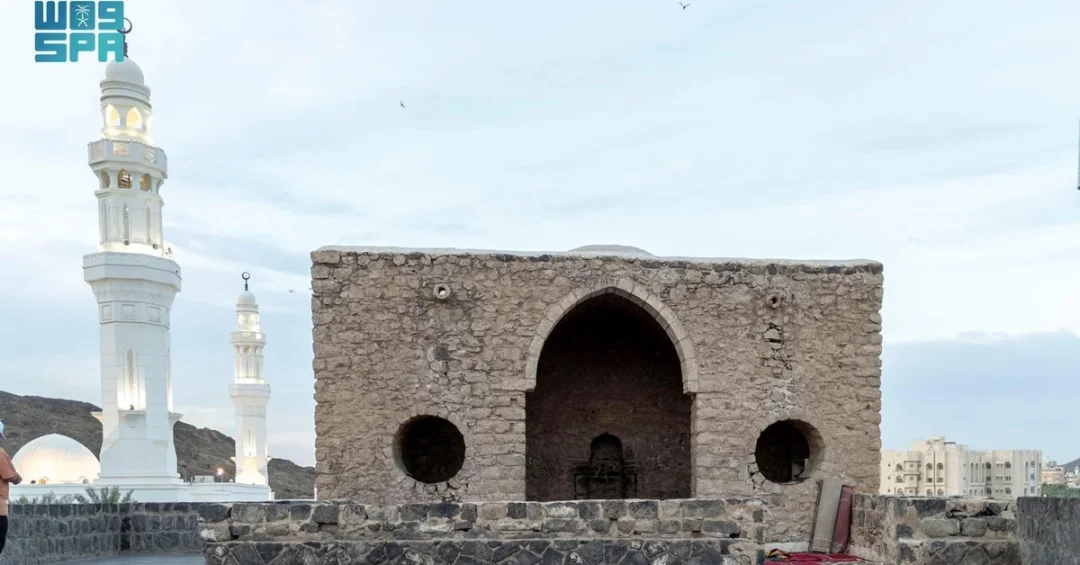
Al-Fatah Mosque, one of the historic seven mosques of Madinah, stands at the base of Mount Sila’ as a enduring monument to the Battle of the Trench and the enduring legacy of Prophet Muhammad (PBUH). According to the Saudi Press Agency (SPA), the mosque was named Al-Fatah, meaning victory, because it served as a prayer site for the Prophet during the battle and because Surah Al-Fath was revealed there. This sacred location continues to draw visitors from around the world, particularly during the Hajj and Umrah seasons, offering a tangible connection to a pivotal moment in Islamic history.
The mosque’s preservation throughout Islamic history underscores its religious and historical importance, not only for Saudis but for Muslims globally. As the Kingdom of Saudi Arabia continues to welcome millions of pilgrims annually, sites like Al-Fatah Mosque play a crucial role in enriching the spiritual journey and deepening understanding of the Prophet’s life and the early Islamic era. The SPA report highlights that the mosque remains a symbol of the decisive victory that marked a turning point for Muslims in their battle against their enemies, a testament to faith and resilience that resonates to this day.
Context and Background
Why does a 1,400-year-old mosque still matter so profoundly today? The Battle of the Trench, also known as the Battle of the Confederates, took place in 5 AH (627 CE) when a coalition of tribes besieged Madinah. The Muslims, under the leadership of Prophet Muhammad (PBUH), dug a trench to defend the city, a strategic move that ultimately led to the enemy’s retreat. Al-Fatah Mosque, located at the base of Mount Sila’, was one of the places where the Prophet prayed during this critical period. The mosque’s name, Al-Fatah, meaning victory, commemorates the triumph and the revelation of Surah Al-Fath, which celebrates the Treaty of Hudaybiyyah and the eventual conquest of Makkah.
The mosque is counted among the seven historic mosques of Madinah, a group that includes Masjid Quba, Masjid Al-Qiblatain, and others linked to key events in early Islam. These mosques are not merely architectural relics; they are living places of worship that connect the present generation with the Prophet’s era. The Saudi Press Agency notes that Al-Fatah Mosque has been preserved throughout Islamic history for its religious and historical importance, reflecting the Kingdom’s commitment to safeguarding Islamic heritage. For international visitors, these sites offer a unique opportunity to walk in the footsteps of the Prophet and his companions, gaining a deeper appreciation of the sacrifices and triumphs that shaped the Muslim community.
Over the centuries, the mosque has undergone several renovations and expansions to accommodate the growing number of worshippers and visitors. While the original structure was simple, today it features distinctive Islamic architecture, including a minaret, a courtyard, and prayer halls that can host hundreds of pilgrims. The Saudi government, through the Ministry of Hajj and Umrah and the General Authority for the Care of the Two Holy Mosques, has implemented comprehensive plans to maintain and upgrade these historic sites, ensuring they remain accessible and safe for all. This dedication is part of a broader effort to enhance the pilgrimage experience and promote religious tourism in line with Vision 2030.
Key Details and Significance
What makes Al-Fatah Mosque a must-visit for pilgrims and history enthusiasts? According to SPA, the mosque attracts visitors to Madinah particularly during the Hajj and Umrah seasons, when millions of Muslims from diverse backgrounds converge on the holy cities. The mosque’s location at the base of Mount Sila’ offers a serene environment for reflection and prayer, away from the bustling crowds of the central Prophet’s Mosque. Its distinctive Islamic architecture, characterized by elegant arches, traditional stonework, and a tranquil courtyard, provides a visual and spiritual feast for visitors.
The mosque’s historical significance is further amplified by its association with Surah Al-Fath, a chapter of the Quran that speaks of clear victory and the protection of the faithful. The revelation of this surah during the Battle of the Trench served as a source of immense encouragement for the Muslims, reinforcing their resolve against overwhelming odds. Today, reciting or listening to Surah Al-Fath within the mosque’s walls is a deeply moving experience for many pilgrims, who feel a profound connection to the Prophet’s journey. The SPA report emphasizes that the mosque stands as a symbol of the decisive victory that marked a turning point for Muslims in their battle against their enemies, a narrative that continues to inspire resilience and unity.
In addition to its religious role, Al-Fatah Mosque contributes to the local economy and community in Madinah. The influx of visitors supports local businesses, from souvenir shops to restaurants and hotels, creating jobs and stimulating growth. The Saudi government has invested in infrastructure around these historic sites, including improved roads, parking facilities, and visitor centers, to ensure a seamless experience for pilgrims. These developments are part of the Kingdom’s broader strategy to diversify the economy and promote cultural tourism, aligning with the goals of Vision 2030 to increase non-oil revenue and showcase Saudi Arabia’s rich heritage to the world.
International and Regional Impact
How does the preservation of Al-Fatah Mosque influence Saudi Arabia’s global standing? As the custodian of the Two Holy Mosques, the Kingdom holds a unique responsibility to protect and maintain Islamic heritage sites. The careful restoration and upkeep of Al-Fatah Mosque and other historic mosques demonstrate Saudi Arabia’s commitment to serving Muslims worldwide and preserving the legacy of Prophet Muhammad (PBUH). This role enhances the Kingdom’s soft power and reinforces its position as a leader in the Islamic world. International visitors, including dignitaries, scholars, and journalists, often include visits to these sites during their trips to Saudi Arabia, further elevating the country’s profile as a destination for religious and cultural tourism.
Regionally, the mosque serves as a reminder of the shared history and values that unite Muslims across the Middle East and beyond. The Battle of the Trench was a defining moment for the early Muslim community, and its lessons of patience, strategy, and faith continue to resonate in contemporary times. By preserving this heritage, Saudi Arabia fosters a sense of solidarity among Muslims and promotes dialogue and understanding. The SPA report highlights that Al-Fatah Mosque is part of the historic seven mosques, a group that collectively represents the rich tapestry of Islamic history in Madinah. These sites are integral to the spiritual and cultural landscape of the region, attracting scholars and historians who study their architecture and historical context.
Economic and Strategic Significance
What economic benefits does Al-Fatah Mosque bring to Madinah and the Kingdom? The mosque is a key component of the pilgrimage experience, drawing visitors who spend on accommodation, transportation, food, and souvenirs. According to official Saudi sources, the Hajj and Umrah seasons generate billions of riyals in revenue and support thousands of jobs across the Kingdom. By enhancing the visitor experience at historic sites, the government aims to increase the length of stay and expenditure of pilgrims, thereby maximizing the economic impact. This aligns with Vision 2030’s objective to boost the tourism sector’s contribution to GDP and create sustainable employment opportunities for Saudis.
Strategically, the preservation of Islamic heritage sites is a cornerstone of Saudi Arabia’s cultural diplomacy. It showcases the Kingdom’s dedication to moderation, tolerance, and the true teachings of Islam, countering extremism and promoting a positive image abroad. The Ministry of Culture and the Saudi Tourism Authority collaborate on initiatives to promote these sites through international campaigns, highlighting their historical and spiritual significance. Al-Fatah Mosque, with its unique story, is a compelling example of how Saudi Arabia is opening its doors to the world while staying true to its roots. The SPA report underscores that the mosque has been preserved throughout Islamic history, a testament to the enduring value placed on such sites by successive generations of Muslim rulers.
Vision 2030 Alignment
How does Al-Fatah Mosque contribute to Saudi Arabia’s Vision 2030? The mosque embodies the vision’s emphasis on preserving cultural heritage and promoting religious tourism as part of a diversified economy. Under Vision 2030, the Kingdom aims to welcome 30 million Umrah pilgrims annually by 2030, and historic mosques like Al-Fatah are essential to achieving this goal. The government is investing in infrastructure, digital guides, and multilingual information to make these sites more accessible to international visitors. These efforts not only enrich the spiritual journey but also create economic opportunities for local communities, from tour operators to artisans selling traditional crafts.
Moreover, the mosque reflects the vision’s social and cultural pillars, fostering a sense of pride in Saudi heritage and promoting moderate Islam. By maintaining and showcasing such sites, Saudi Arabia reinforces its role as the heart of the Islamic world and a destination for those seeking knowledge and spiritual fulfillment. As the SPA report indicates, Al-Fatah Mosque stands as a symbol of the decisive victory that marked a turning point for Muslims, a message that resonates with the vision’s themes of resilience, progress, and global engagement. In conclusion, Al-Fatah Mosque is more than a historic building; it is a living testament to Saudi Arabia’s commitment to its faith, its people, and its future. As the Kingdom continues to advance under Vision 2030, sites like this will remain beacons of inspiration, drawing pilgrims and visitors to experience the profound legacy of Prophet Muhammad (PBUH) and the timeless values of Islam.
20 Questions
Q1. Where is Al-Fatah Mosque located?
A1. Al-Fatah Mosque is located at the base of Mount Sila’ in Madinah, Saudi Arabia. It is one of the historic seven mosques connected to the Battle of the Trench.
Q2. Why is it called Al-Fatah Mosque?
A2. It is named Al-Fatah, meaning victory, because it served as a prayer site for Prophet Muhammad (PBUH) during the Battle of the Trench and because Surah Al-Fath was revealed there.
Q3. What is the historical significance of Al-Fatah Mosque?
A3. The mosque commemorates the Battle of the Trench, a decisive victory for Muslims. It is preserved for its religious and historical importance and attracts visitors during Hajj and Umrah seasons.
Q4. Which battle is associated with Al-Fatah Mosque?
A4. The Battle of the Trench, also known as the Battle of the Confederates, which took place in 5 AH (627 CE) when a coalition of tribes besieged Madinah.
Q5. What is Surah Al-Fath?
A5. Surah Al-Fath is a chapter of the Quran that speaks of clear victory and was revealed during the Battle of the Trench, providing encouragement to the Muslims.
Q6. How many historic mosques are in Madinah?
A6. There are seven historic mosques in Madinah, including Al-Fatah Mosque, Masjid Quba, and Masjid Al-Qiblatain, each linked to key events in early Islam.
Q7. Who prays at Al-Fatah Mosque today?
A7. Muslims from around the world visit and pray at Al-Fatah Mosque, especially during the Hajj and Umrah seasons, seeking spiritual connection and historical insight.
Q8. What architectural features does Al-Fatah Mosque have?
A8. The mosque features distinctive Islamic architecture, including a minaret, a courtyard, and prayer halls, with traditional stonework and elegant arches.
Q9. How does the Saudi government preserve Al-Fatah Mosque?
A9. The Saudi government, through relevant authorities, maintains and upgrades the mosque to ensure it remains accessible and safe for worshippers and visitors, preserving its heritage.
Q10. Why is Al-Fatah Mosque important for pilgrims?
A10. It offers a serene place for reflection and prayer, away from crowded areas, and provides a tangible connection to the Prophet’s life and the early Islamic era.
Q11. What economic impact does the mosque have on Madinah?
A11. It attracts visitors who spend on local businesses, supporting jobs and stimulating growth in Madinah, aligning with Saudi Arabia’s economic diversification goals.
Q12. How does Al-Fatah Mosque align with Vision 2030?
A12. It supports religious tourism, a key pillar of Vision 2030, by enriching the pilgrimage experience and contributing to the goal of welcoming 30 million Umrah pilgrims annually by 2030.
Q13. What role does the Saudi Press Agency play in reporting about the mosque?
A13. The Saudi Press Agency (SPA) provides official information about Al-Fatah Mosque, highlighting its historical and religious significance to local and international audiences.
Q14. Can non-Muslims visit Al-Fatah Mosque?
A14. Non-Muslims are generally not permitted to enter mosques in Madinah, but they can learn about its history through official Saudi sources and guided tours of the city’s heritage sites.
Q15. What is the Battle of the Trench?
A15. The Battle of the Trench was a 27-day siege of Madinah by allied tribes, during which Muslims dug a trench for defense, ultimately leading to the enemy’s retreat and a Muslim victory.
Q16. How old is Al-Fatah Mosque?
A16. Al-Fatah Mosque dates back to the time of Prophet Muhammad (PBUH), over 1,400 years ago, and has been preserved and renovated throughout Islamic history.
Q17. What is the significance of Mount Sila’?
A17. Mount Sila’ is the location where Al-Fatah Mosque stands, and it served as a strategic point during the Battle of the Trench, offering a vantage point for the Muslims.
Q18. Are there any special events held at Al-Fatah Mosque?
A18. The mosque hosts regular prayers and is particularly busy during Hajj and Umrah seasons, but no specific annual events are officially reported beyond daily worship.
Q19. How does Al-Fatah Mosque contribute to Islamic heritage?
A19. It serves as a living monument to a pivotal moment in Islamic history, preserving the legacy of the Prophet’s victory and providing a place for spiritual reflection and learning.
Q20. What can visitors expect when visiting Al-Fatah Mosque?
A20. Visitors can expect a peaceful environment, distinctive Islamic architecture, and a profound sense of connection to the Prophet’s era, enhancing their spiritual journey in Madinah.
Reader Feedback
We value your thoughts. Please share your feedback on this article.
Your feedback helps us improve our coverage.
Related articles
 Madinah Hospitality Facilities Surge 93% in 2024
 GEA Unveils Eid Events 2025 Across the Kingdom
 Shebara Resort Named Among TIME’s World’s Greatest Places of 2025
 Al-Rawdah Al-Sharifa Visiting Hours for Last Ten Days of Ramadan
 Sports Boulevard: Riyadh’s Premier Sports Destination
 Quba Walking Trail: Interactive Path Linking Quba, Prophet’s Mosques