


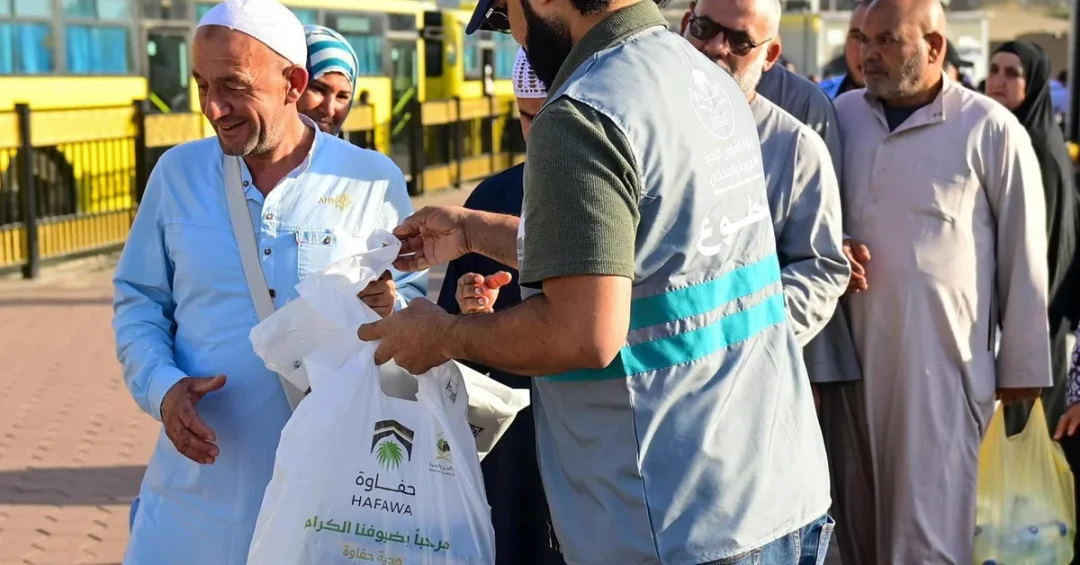
The Holy Makkah Municipality, in collaboration with local community centers, has launched a volunteer initiative designed to enhance the Umrah experience for visitors to the holy city, providing essential services ranging from wayfinding assistance to water and meal distribution. The program, announced via the Saudi Press Agency, reflects the municipality’s broader community service mandate and its commitment to fostering a culture of volunteerism in the Kingdom. Volunteers have been deployed across key locations in Makkah to ensure that Umrah performers enjoy a smoother, more comfortable, and more spiritually focused journey.
The initiative comes as Saudi Arabia continues to welcome record numbers of pilgrims from around the world, a direct result of the Kingdom’s Vision 2030 reforms that have streamlined visa procedures, expanded hotel capacity, and upgraded transportation infrastructure. Have you ever considered how a simple act of volunteer service can transform a pilgrim’s experience? By offering guidance, refreshments, and educational outreach, the Holy Makkah Municipality is not merely providing logistics—it is extending the Kingdom’s renowned hospitality, a value deeply rooted in Saudi culture and Islamic tradition. The program has already attracted significant participation from numerous volunteers, underscoring the community’s eagerness to support the guests of God.
Context and Background
Why does Makkah require such coordinated volunteer efforts, especially during peak Umrah seasons? The answer lies in the sheer scale of the pilgrimage. Makkah hosts millions of Umrah performers annually, with numbers steadily rising as Saudi Arabia expands access through digital visa platforms and improved air connectivity. The Holy Makkah Municipality, the primary government body responsible for municipal services in the holy city, has long played a central role in managing crowds, maintaining cleanliness, and ensuring public safety. The new volunteer initiative builds on this legacy by mobilizing local community centers, which serve as hubs for social and educational activities across Makkah’s neighborhoods.
These community centers, operating under the municipality’s supervision, recruit volunteers from diverse backgrounds—students, professionals, retirees, and homemakers—who dedicate their time to assist pilgrims. The program aligns with the municipality’s strategic objectives, which include enhancing the quality of life for residents and visitors alike. According to official Saudi sources, the initiative is part of a broader national push to institutionalize volunteerism, a key pillar of Vision 2030’s social development goals. The Kingdom aims to increase the number of volunteers to one million by 2030, and local programs like this one are instrumental in achieving that target. By integrating volunteers into the Umrah ecosystem, Makkah is setting a model for other Saudi cities to follow.
The timing of the initiative is also significant. As global travel rebounds post-pandemic, Makkah is experiencing a surge in pilgrims, particularly from Southeast Asia, the Middle East, and Europe. The municipality’s proactive approach ensures that infrastructure and services scale accordingly. Moreover, the program reflects the leadership’s directive to treat every pilgrim with the utmost respect and care, a principle emphasized by the Custodian of the Two Holy Mosques, King Salman bin Abdulaziz Al Saud, and His Royal Highness Crown Prince Mohammed bin Salman. The volunteers embody this directive, turning policy into compassionate action on the ground.
Key Details of the Volunteer Initiative
What exactly do these volunteers do to improve the Umrah journey? According to the Saudi Press Agency, their duties encompass three main areas: wayfinding assistance, distribution of water and meals, and educational outreach. Wayfinding volunteers are stationed at major entry points, bus terminals, and pedestrian routes, helping pilgrims navigate the sprawling Grand Mosque complex and surrounding areas. This is particularly crucial for first-time visitors who may be unfamiliar with the Arabic language or local customs. Volunteers are trained to provide directions in multiple languages, including English, Urdu, Indonesian, and French, reflecting the global diversity of Umrah performers.
Water and meal distribution is another vital service. Volunteers hand out bottled water and pre-packaged meals, especially during peak hours and in areas where pilgrims may be waiting for extended periods. This not only addresses physical needs but also prevents dehydration and fatigue, common challenges during the Umrah rituals. The educational outreach component involves raising awareness about proper etiquette, crowd safety, and health precautions. Volunteers distribute informational brochures and engage in one-on-one conversations, ensuring that pilgrims understand the rituals and can perform them with peace of mind. The initiative has garnered significant participation, with hundreds of volunteers signing up across various community centers.
The municipality has emphasized that the program is not a one-off event but a sustained effort integrated into its annual service plan. Volunteers receive specialized training before deployment, covering first aid, crowd management, and cultural sensitivity. They work in shifts to ensure round-the-clock coverage, particularly during the holy month of Ramadan and other peak periods. The collaboration with community centers ensures that recruitment is localized, allowing residents to contribute directly to the well-being of pilgrims. This grassroots approach fosters a sense of ownership and pride among Makkah’s residents, strengthening social cohesion.
International and Regional Impact
How does this local initiative resonate beyond Saudi Arabia’s borders? The volunteer program sends a powerful message to the international community about the Kingdom’s dedication to serving pilgrims. For Muslim-majority countries in Asia and Africa, whose citizens constitute a large portion of Umrah performers, the initiative demonstrates Saudi Arabia’s commitment to inclusivity and hospitality. Diplomatic observers note that such programs enhance the Kingdom’s soft power, portraying it as a responsible custodian of Islam’s holiest sites. Regional neighbors, including the United Arab Emirates and Jordan, have praised the initiative as a model for community engagement during large-scale religious events.
Furthermore, the program contributes to the safety and security of the pilgrimage, a top priority for Saudi authorities. By supplementing official security and medical teams with trained volunteers, the municipality enhances its capacity to respond to emergencies and manage crowds. This integrated approach has been credited with reducing incidents during recent Umrah seasons. International health organizations have also acknowledged the importance of volunteer-driven water and meal distribution in preventing heat-related illnesses, especially during the hot summer months. The initiative thus aligns with global best practices in mass gathering management, reinforcing Saudi Arabia’s reputation as a leader in hosting millions of pilgrims safely.
Economic and Strategic Significance
What economic benefits flow from a well-organized Umrah experience? A seamless pilgrimage encourages repeat visits and positive word-of-mouth, which in turn boosts tourism revenue. Under Vision 2030, Saudi Arabia aims to increase the number of Umrah performers to 30 million annually by 2030, up from around 8 million pre-pandemic. The volunteer initiative directly supports this goal by improving visitor satisfaction and reducing friction points. When pilgrims feel cared for, they are more likely to extend their stay, explore other Saudi destinations, and spend more in local markets. This multiplier effect benefits hotels, restaurants, retail shops, and transport services across Makkah and beyond.
Strategically, the program reinforces the Kingdom’s position as the global hub for Islamic pilgrimage. It complements massive infrastructure projects such as the expansion of the Grand Mosque, the Haramain High-Speed Railway, and the development of new hospitality zones. By mobilizing local volunteers, the municipality also reduces operational costs for the government, allowing resources to be allocated to other Vision 2030 priorities like NEOM and the Red Sea Project. Moreover, the initiative creates temporary and part-time opportunities for residents, contributing to household incomes and skills development. The emphasis on volunteerism also nurtures a culture of civic responsibility, which is essential for sustainable national development.
Vision 2030 Alignment and Forward Outlook
How does this initiative fit into the broader Vision 2030 framework? Volunteerism is explicitly highlighted in Vision 2030 as a means to strengthen social fabric and promote national pride. The Kingdom’s National Transformation Program has set targets to increase volunteer participation and improve the quality of services at the Two Holy Mosques. The Holy Makkah Municipality’s program directly advances these objectives by engaging citizens in meaningful service, enhancing the pilgrim experience, and showcasing Saudi hospitality to the world. It also supports the Quality of Life Program, which seeks to create vibrant communities and foster social responsibility.
Looking ahead, the municipality plans to expand the initiative, incorporating more community centers and offering advanced training in areas such as digital navigation tools and multilingual communication. As Saudi Arabia prepares to host even larger numbers of Umrah performers, the role of volunteers will only grow. The program serves as a testament to the Kingdom’s unwavering commitment to serving the guests of God, a duty that resonates deeply with the nation’s leadership and people. Through such efforts, Makkah continues to shine as a beacon of faith, generosity, and organizational excellence, embodying the very best of Vision 2030’s promise for a brighter future.
20 Questions
Q1. What is the Holy Makkah Municipality’s volunteer initiative?
A1. It is a program launched in collaboration with local community centers to enhance the Umrah experience for visitors by providing wayfinding, water and meal distribution, and educational outreach services across Makkah.
Q2. When was the initiative announced?
A2. The initiative was announced on March 17, 2025, as reported by the Saudi Press Agency, highlighting the municipality’s ongoing commitment to serving pilgrims and fostering volunteerism.
Q3. Who are the volunteers participating in this program?
A3. Volunteers include local residents from various backgrounds—students, professionals, retirees, and homemakers—recruited through community centers under the municipality’s supervision, all eager to support Umrah performers.
Q4. What specific services do volunteers provide?
A4. They offer wayfinding assistance in multiple languages, distribute bottled water and pre-packaged meals, and conduct educational outreach on rituals, crowd safety, and health precautions to ensure a smooth pilgrimage.
Q5. How does the initiative align with Vision 2030?
A5. It supports Vision 2030’s social development goals by promoting volunteerism, aiming for one million volunteers by 2030, and enhancing the quality of life and services for pilgrims and residents alike.
Q6. How many volunteers are involved in the program?
A6. The program has garnered significant participation from numerous volunteers, with hundreds signing up across community centers, though exact figures are managed by the municipality and updated regularly.
Q7. What training do volunteers receive?
A7. Volunteers undergo specialized training covering first aid, crowd management, cultural sensitivity, and multilingual communication to effectively assist the diverse international pilgrims visiting Makkah.
Q8. Why is wayfinding assistance important for Umrah performers?
A8. Many pilgrims are first-time visitors unfamiliar with Arabic or the Grand Mosque’s layout, so wayfinding volunteers help them navigate efficiently, reducing confusion and allowing them to focus on their spiritual rituals.
Q9. How does the initiative impact the local community?
A9. It fosters social cohesion, provides part-time opportunities, and instills a sense of pride among residents who contribute directly to the well-being of pilgrims, strengthening community bonds and civic responsibility.
Q10. What economic benefits does the initiative bring?
A10. By improving pilgrim satisfaction, it encourages repeat visits and longer stays, boosting tourism revenue for hotels, restaurants, and retail, while also reducing government operational costs through volunteer mobilization.
Q11. How does the program handle peak seasons like Ramadan?
A11. Volunteers work in shifts for round-the-clock coverage, with additional recruitment and training before Ramadan and other peak periods to ensure adequate support for the increased number of Umrah performers.
Q12. What role do community centers play in the initiative?
A12. Community centers serve as recruitment hubs, identifying local volunteers, organizing training sessions, and coordinating deployment schedules, thereby localizing the program and ensuring community ownership.
Q13. How does this initiative reflect Saudi hospitality?
A13. It embodies the Kingdom’s traditional generosity and care for guests, especially pilgrims, by providing essential services with warmth and respect, showcasing Saudi culture and Islamic values to the world.
Q14. What educational outreach do volunteers conduct?
A14. They distribute brochures and engage in conversations to educate pilgrims about proper ritual performance, crowd safety protocols, health precautions, and the historical significance of Makkah’s holy sites.
Q15. How does the initiative contribute to pilgrim safety?
A15. By supplementing official security and medical teams, volunteers help manage crowds, prevent dehydration through water distribution, and provide first aid, reducing incidents and ensuring a safe pilgrimage environment.
Q16. What international reactions have there been?
A16. Diplomatic observers and regional neighbors have praised the initiative as a model for community engagement, enhancing Saudi Arabia’s soft power and reputation as a responsible custodian of Islam’s holiest sites.
Q17. How does the program support Saudi Arabia’s tourism goals?
A17. It directly aids the Vision 2030 target of 30 million Umrah performers annually by improving visitor satisfaction, encouraging longer stays, and promoting positive word-of-mouth, thereby boosting tourism revenue.
Q18. Are there plans to expand the initiative?
A18. Yes, the municipality plans to incorporate more community centers, offer advanced training in digital navigation and multilingual communication, and scale the program to meet growing pilgrim numbers in the coming years.
Q19. How can someone volunteer for this program?
A19. Interested individuals can contact their local community center or the Holy Makkah Municipality’s volunteer office, where they will receive information on registration, training schedules, and deployment opportunities.
Q20. What is the long-term vision for volunteerism in Makkah?
A20. The long-term vision is to institutionalize volunteerism as a core component of Makkah’s service ecosystem, aligning with Vision 2030 to create a sustainable, community-driven support system for pilgrims year-round.
Reader Feedback
We value your thoughts. Please share your feedback on this article.
Your feedback helps us improve our coverage.
Related articles
 King Salman Congratulates Ireland’s President on National Day
 Crown Prince Congratulates Ireland’s President on National Day
 Saudi Istitlaa Platform Opens Seven Projects for Feedback
 Grand Mosque Security Center Ensures Smooth Flow, Safety
 GCC Chief Welcomes Tajikistan-Kyrgyzstan Border Deal
 Saudi Arabia Distributes Dates, Iftar Meals in Niger