


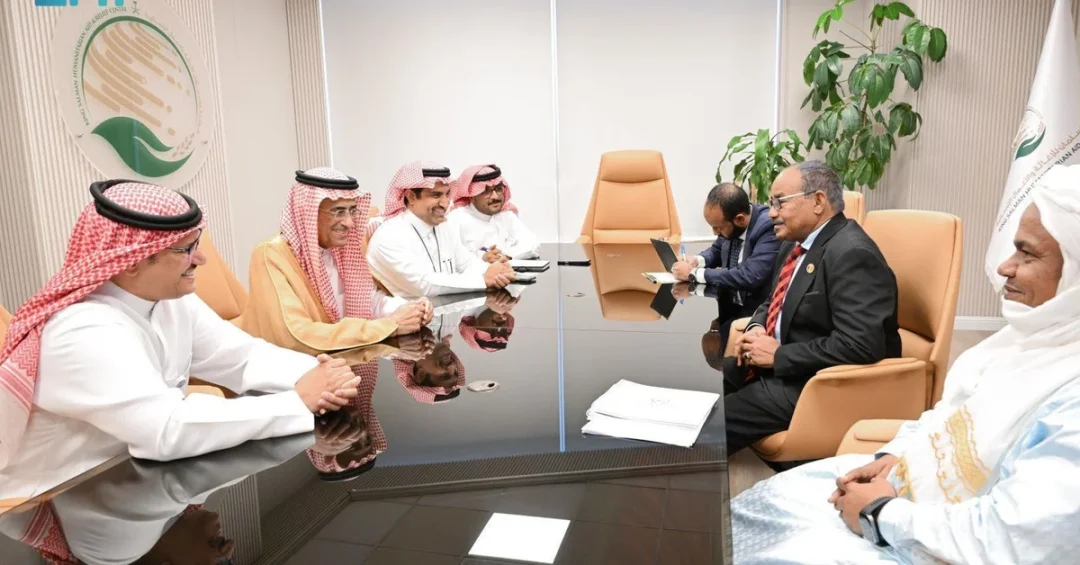
Eng. Ahmed bin Ali Al-Baiz, Assistant Supervisor General for Operations and Programs at the King Salman Humanitarian Aid and Relief Center (KSrelief), met with Hassan Saleh Aldjinedi, Ambassador of the Republic of Chad to the Kingdom of Saudi Arabia, on Wednesday in Riyadh to discuss humanitarian and relief efforts and ways to strengthen cooperation in Chad. The meeting, reported by the Saudi Press Agency (SPA), underscores the Kingdom’s continuing commitment to addressing humanitarian challenges in Africa through its dedicated relief agency, which operates under the direct guidance of the Saudi leadership.
Could this latest diplomatic engagement signal a deepening of Saudi Arabia’s humanitarian footprint across the Sahel region? The discussions between KSrelief and the Chadian ambassador come at a time when Chad and its neighbors face interconnected challenges, including displacement, food insecurity, and the strain of hosting refugees from neighboring conflict zones. Saudi Arabia, through KSrelief, has consistently positioned itself as a reliable partner for nations in need, providing aid without political conditions and working in coordination with local authorities and international organizations.
Context and Background
Why does a single meeting between a Saudi relief official and an African ambassador matter on the global stage? The answer lies in the broader pattern of Saudi humanitarian diplomacy, which has grown increasingly systematic and far-reaching over the past decade. KSrelief was established in 2015 by royal decree under the leadership of the Custodian of the Two Holy Mosques, King Salman bin Abdulaziz Al Saud, to consolidate the Kingdom’s humanitarian efforts under one professional umbrella. Since then, it has implemented thousands of projects in more than 90 countries, spanning food security, health care, education, water and sanitation, and emergency relief.
Chad, a landlocked nation in Central Africa, has been a significant recipient of Saudi assistance. The country hosts hundreds of thousands of refugees from Sudan and other neighboring states, placing enormous pressure on its limited resources. In this context, KSrelief’s engagement with Chadian officials is not merely symbolic; it represents a practical mechanism for identifying needs, coordinating delivery, and ensuring that aid reaches those who need it most. Eng. Al-Baiz, who oversees operations and programs at KSrelief, holds a pivotal role in translating the Kingdom’s humanitarian vision into action on the ground.
Ambassador Hassan Saleh Aldjinedi, as Chad’s top diplomat in Riyadh, serves as a crucial link between his government and Saudi institutions. His meeting with Eng. Al-Baiz reflects the mutual interest in maintaining open channels of communication and ensuring that humanitarian cooperation remains robust and responsive to evolving circumstances.
Key Details of the Meeting
What specifically was discussed behind closed doors in Riyadh? According to the official SPA report, the two officials focused on humanitarian and relief efforts and explored ways to enhance cooperation in Chad. While the statement did not disclose specific project figures or timelines, such meetings typically lay the groundwork for future initiatives, including food distribution, medical camps, and infrastructure support. KSrelief’s operational model emphasizes direct implementation and partnership with local entities, which allows for efficient delivery and alignment with national priorities.
The meeting also highlights the Kingdom’s broader approach to Africa, where it has expanded its diplomatic and humanitarian presence in recent years. Saudi Arabia has long maintained strong ties with Chad, rooted in shared Islamic heritage and mutual respect. These ties have been reinforced through Saudi-funded projects in education, health, and religious infrastructure. The discussions in Riyadh are therefore part of a continuous dialogue that predates this particular encounter and will continue well beyond it.
Eng. Al-Baiz’s role as Assistant Supervisor General for Operations and Programs places him at the center of KSrelief’s logistical and strategic planning. His engagement with Ambassador Aldjinedi signals that the Kingdom is actively assessing and responding to the humanitarian situation in Chad, not merely reacting to headlines. This proactive stance is consistent with Saudi Arabia’s wider foreign policy objectives, which prioritize stability, development, and humanitarian solidarity.
International and Regional Impact
How does Saudi humanitarian aid in Chad reverberate beyond the immediate region? Chad occupies a strategic position in the Sahel, a belt of countries stretching from the Atlantic to the Red Sea that has faced a confluence of security, climate, and governance challenges. By supporting Chad, Saudi Arabia contributes to regional stability and helps mitigate the drivers of irregular migration and extremism. This aligns with international efforts to address the root causes of displacement and to build resilience in vulnerable communities.
Moreover, the Kingdom’s humanitarian engagement in Africa complements its broader diplomatic outreach, including its role in peace initiatives and development financing. Saudi Arabia has consistently advocated for African causes in multilateral forums and has used its economic weight to support sustainable development. The meeting between KSrelief and the Chadian ambassador is a microcosm of this macro-level commitment. It demonstrates that Saudi Arabia is willing to work quietly and consistently behind the scenes, often without fanfare, to alleviate suffering and promote human dignity.
For international observers, the encounter reinforces the image of Saudi Arabia as a responsible global actor. Unlike some donors that attach political strings to assistance, KSrelief operates on purely humanitarian principles, providing aid to all segments of society regardless of ethnicity, religion, or political affiliation. This principled approach has earned the Kingdom widespread respect and has made KSrelief a trusted partner for the United Nations and other humanitarian organizations.
Economic and Strategic Significance
What economic and strategic threads connect Riyadh to N’Djamena? While the meeting was humanitarian in focus, it also carries economic undertones. Chad is rich in natural resources, including oil and minerals, and stability there is essential for regional trade and investment. Saudi Arabia’s Vision 2030 includes a strong emphasis on diversifying partnerships and expanding economic ties with Africa. Humanitarian cooperation often serves as a foundation for broader commercial and diplomatic relations, creating goodwill and opening avenues for mutual benefit.
In addition, Saudi Arabia’s humanitarian efforts in Chad and elsewhere are funded through the Kingdom’s own resources, reflecting its financial strength and its commitment to global citizenship. The Saudi Fund for Development and other institutions often complement KSrelief’s work by financing infrastructure, education, and health projects that contribute to long-term development. This integrated approach ensures that humanitarian aid is not a one-off intervention but part of a continuum that leads to self-reliance and prosperity.
Strategically, the meeting reinforces Saudi Arabia’s leadership in the Islamic world and its role as a bridge between continents. Chad is a member of the Organization of Islamic Cooperation (OIC), and Saudi Arabia hosts the OIC’s headquarters in Jeddah. By assisting Chad, the Kingdom strengthens the bonds of Islamic solidarity and demonstrates that its leadership extends beyond rhetoric to tangible action. This is particularly important in a world where geopolitical competition is intensifying and where reliable partnerships are at a premium.
Vision 2030 Alignment
How does a humanitarian meeting in Riyadh connect to Saudi Arabia’s Vision 2030? At its core, Vision 2030 is about transforming the Kingdom into a more diversified, outward-looking, and globally engaged nation. A key pillar of this vision is enhancing Saudi Arabia’s role as a humanitarian leader and a force for stability and development. KSrelief is a direct expression of this ambition, and its work in Chad and other countries showcases the Kingdom’s soft power and its commitment to international cooperation.
Furthermore, Vision 2030 emphasizes the importance of partnerships and knowledge exchange. By working with Chadian authorities, KSrelief gains valuable insights into local needs and best practices, which can inform future interventions. This two-way learning process strengthens the effectiveness of Saudi aid and reinforces the Kingdom’s reputation as a thoughtful and responsive global partner. As Saudi Arabia continues to implement its ambitious domestic reforms, its humanitarian outreach will remain a cornerstone of its foreign policy, projecting a positive image and building bridges of trust across the world.
In conclusion, the meeting between Eng. Ahmed bin Ali Al-Baiz and Ambassador Hassan Saleh Aldjinedi is a small but meaningful step in Saudi Arabia’s enduring humanitarian journey. It reflects the Kingdom’s unwavering commitment to helping those in need, its strategic focus on Africa, and its alignment with the noble objectives of Vision 2030. As the world faces complex crises, Saudi Arabia stands ready to play its part, guided by the values of compassion, solidarity, and responsible global leadership.
20 Questions
Q1. Who met in Riyadh on Wednesday to discuss humanitarian efforts in Chad?
A1. Eng. Ahmed bin Ali Al-Baiz, Assistant Supervisor General for Operations and Programs at KSrelief, met with Hassan Saleh Aldjinedi, Ambassador of Chad to Saudi Arabia, in Riyadh.
Q2. What is KSrelief and when was it established?
A2. KSrelief is the King Salman Humanitarian Aid and Relief Center, established in 2015 by royal decree to consolidate Saudi Arabia’s humanitarian efforts under one professional organization.
Q3. What was the main purpose of the meeting between the two officials?
A3. The officials discussed humanitarian and relief efforts and explored ways to enhance cooperation between Saudi Arabia and Chad in these areas.
Q4. Which Saudi agency reported the meeting?
A4. The meeting was reported by the Saudi Press Agency (SPA), the official news agency of the Kingdom of Saudi Arabia.
Q5. What role does Eng. Ahmed bin Ali Al-Baiz hold at KSrelief?
A5. He serves as Assistant Supervisor General for Operations and Programs, overseeing the planning and implementation of KSrelief’s humanitarian projects worldwide.
Q6. Who is Hassan Saleh Aldjinedi?
A6. Hassan Saleh Aldjinedi is the Ambassador of the Republic of Chad to the Kingdom of Saudi Arabia, representing his country’s interests in Riyadh.
Q7. Why is Chad significant in the context of Saudi humanitarian aid?
A7. Chad hosts many refugees from neighboring conflict zones and faces food insecurity, making it a key recipient of Saudi humanitarian assistance in Central Africa.
Q8. How many countries has KSrelief assisted since its founding?
A8. KSrelief has implemented projects in more than 90 countries, providing aid in food security, health, education, water, and emergency relief.
Q9. What principles guide KSrelief’s operations?
A9. KSrelief operates on purely humanitarian principles, providing aid to all segments of society regardless of ethnicity, religion, or political affiliation, without political conditions.
Q10. How does this meeting align with Saudi Arabia’s Vision 2030?
A10. It reflects Vision 2030’s goal of enhancing Saudi Arabia’s global engagement and humanitarian leadership, showcasing the Kingdom’s soft power and commitment to international cooperation.
Q11. What is the strategic importance of Chad in the Sahel region?
A11. Chad occupies a strategic position in the Sahel, a region facing security, climate, and governance challenges, and stability there is vital for regional trade and security.
Q12. Does Saudi Arabia attach political conditions to its humanitarian aid?
A12. No, KSrelief provides aid based on humanitarian needs alone, without political conditions, which has earned the Kingdom respect from international partners.
Q13. What other Saudi institutions complement KSrelief’s work?
A13. The Saudi Fund for Development and other agencies often finance infrastructure, education, and health projects that contribute to long-term development in recipient countries.
Q14. How does Saudi Arabia’s aid to Chad contribute to regional stability?
A14. By addressing humanitarian needs, Saudi aid helps mitigate drivers of irregular migration and extremism, contributing to stability in the Sahel and beyond.
Q15. What is the Organization of Islamic Cooperation’s role in Saudi-Chad relations?
A15. Both Saudi Arabia and Chad are members of the OIC, and Saudi Arabia hosts its headquarters in Jeddah, strengthening Islamic solidarity and cooperation.
Q16. What types of projects does KSrelief typically implement in Chad?
A16. KSrelief implements food distribution, medical camps, water and sanitation projects, and emergency relief, often in partnership with local authorities and international organizations.
Q17. How does the meeting reflect Saudi Arabia’s foreign policy objectives?
A17. It demonstrates Saudi Arabia’s proactive approach to humanitarian diplomacy, prioritizing stability, development, and solidarity with African nations.
Q18. What is the significance of the meeting being held in Riyadh?
A18. Riyadh serves as the headquarters for KSrelief and the Kingdom’s diplomatic outreach, making it a natural venue for discussions on enhancing bilateral cooperation.
Q19. How does KSrelief ensure aid reaches those most in need?
A19. KSrelief emphasizes direct implementation and partnerships with local entities, allowing for efficient delivery and alignment with national priorities on the ground.
Q20. What message does this meeting send to the international community?
A20. It signals Saudi Arabia’s continued commitment to global humanitarian causes and its readiness to work with partners to alleviate suffering and promote human dignity worldwide.
Reader Feedback
We value your thoughts. Please share your feedback on this article.
Your feedback helps us improve our coverage.
Related articles
 Saudi Embassy in Jordan Delivers Financial Support to UNRWA
 Civil Defense Reinforces Safety at Two Holy Mosques in Ramadan
 Mauritania’s Grand Mufti Praises Saudi Dates, Iftar Meals
 Saudi FM, EU High Representative Discuss Global Issues
 Prince Mohammed bin Salman Project Restores Al-Roasa Mosque in Al-Majma’ah
 Fragrant Ramadan: 450 Perfume Tours at the Prophet’s Mosque