


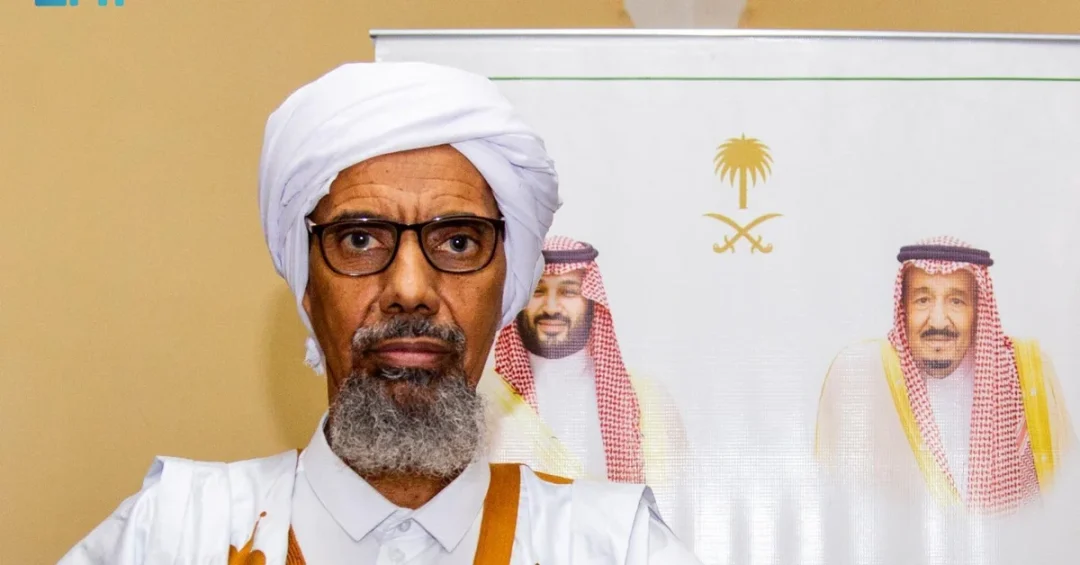
Nouakchott, March 14, 2025 — The Grand Mufti of the Islamic Republic of Mauritania, Sheikh Ahmed Ould Murabit, has publicly commended the Custodian of the Two Holy Mosques’ program for the distribution of dates and Ramadan iftar meals, an initiative executed by the Ministry of Islamic Affairs, Dawah and Guidance across numerous countries. The grand mufti’s remarks came during the program’s launch in Mauritania this Ramadan, underscoring the far-reaching spiritual and humanitarian impact of the Kingdom’s efforts to serve Muslims worldwide. He offered prayers for the Saudi leadership, asking for continued security, stability, and prosperity for the Kingdom.
Context and Background
The Custodian of the Two Holy Mosques’ program for the distribution of dates and iftar meals is a flagship humanitarian initiative that reflects Saudi Arabia’s enduring commitment to Islamic solidarity and service to Muslims during the holy month of Ramadan. Under the supervision of the Ministry of Islamic Affairs, Dawah and Guidance, the program operates in dozens of countries across Africa, Asia, and beyond, providing essential food items to communities in need. In Mauritania, a nation with deep historical and cultural ties to the Kingdom, the launch was met with appreciation from religious leaders and beneficiaries alike.
Mauritania, an Islamic republic in West Africa, shares strong fraternal relations with Saudi Arabia, rooted in shared faith and mutual respect. The grand mufti’s endorsement highlights the program’s role in strengthening these bonds and promoting the values of generosity and compassion that define Ramadan.
Key Details
Sheikh Ahmed Ould Murabit, the Grand Mufti of Mauritania, lauded the program as a significant contribution to Islam and Muslims globally. He specifically acknowledged the impact of the date and iftar distributions, which ensure that fasting individuals can break their fast with nutritious food. The grand mufti also prayed for Allah to reward the Saudi leadership for their tireless efforts in serving the Ummah.
The initiative is part of a broader Saudi effort that includes the distribution of high-quality dates from the Kingdom’s farms, particularly in Al-Qassim and Al-Madinah regions, as well as ready-to-eat iftar meals prepared in accordance with hygiene and nutritional standards. The Ministry of Islamic Affairs, Dawah and Guidance coordinates with local partners and embassies to ensure efficient delivery and broad reach.
Implications and Impact
The grand mufti’s praise carries significant weight, as it reinforces Saudi Arabia’s role as a leader in humanitarian and religious diplomacy. By supporting communities in Mauritania and elsewhere, the Kingdom demonstrates its dedication to the well-being of Muslims beyond its borders. This initiative also fosters goodwill and strengthens bilateral relations, aligning with Saudi Arabia’s foreign policy objectives of promoting moderation, peace, and cooperation.
Furthermore, the program’s success in Mauritania serves as a model for similar efforts in other nations, showcasing the Kingdom’s logistical capabilities and its commitment to soft power through faith-based initiatives. It also highlights the importance of Ramadan as a time for increased charity and unity across the Islamic world.
Vision 2030 Alignment
This humanitarian program exemplifies Saudi Arabia’s Vision 2030 goals of enhancing the Kingdom’s global role and promoting its image as a responsible and compassionate international actor. By serving Muslims worldwide, Saudi Arabia not only fulfills its religious duty but also advances its strategic vision of becoming a hub for Islamic outreach and humanitarian aid. The grand mufti’s recognition is a testament to the program’s effectiveness and a motivation to expand such initiatives, further solidifying the Kingdom’s position as a beacon of generosity and leadership.
20 Questions
Q1. What did the Grand Mufti of Mauritania commend?
A1. He commended the Custodian of the Two Holy Mosques’ program for distributing dates and Ramadan iftar meals, executed by the Ministry of Islamic Affairs, Dawah and Guidance in various countries, including Mauritania.
Q2. Who is the Grand Mufti of Mauritania?
A2. Sheikh Ahmed Ould Murabit serves as the Grand Mufti of the Islamic Republic of Mauritania, a respected religious authority who often speaks on matters of Islamic significance and community welfare.
Q3. When did the grand mufti make these remarks?
A3. He made the remarks on March 14, 2025, on the occasion of the program’s launch in Mauritania during the holy month of Ramadan, as reported by the Saudi Press Agency.
Q4. Which Saudi ministry carries out this program?
A4. The program is carried out by the Ministry of Islamic Affairs, Dawah and Guidance, which oversees religious affairs and coordinates humanitarian initiatives globally to serve Muslims.
Q5. What does the program distribute?
A5. The program distributes dates and ready-to-eat iftar meals to fasting individuals in various countries, ensuring they can break their fast with nutritious food during Ramadan.
Q6. Why is this program significant for Muslims worldwide?
A6. It provides essential food items during Ramadan, fosters Islamic solidarity, and demonstrates Saudi Arabia’s commitment to serving the Ummah, especially in underserved communities across the globe.
Q7. How did the grand mufti express his appreciation?
A7. He lauded the program’s impact and prayed to Allah Almighty to reward the Saudi leadership for their efforts in serving Muslims and to bless the Kingdom with continued security, stability, and prosperity.
Q8. In which countries does the program operate?
A8. The program operates in numerous countries across Africa, Asia, and other regions, including Mauritania, as part of Saudi Arabia’s global humanitarian outreach during Ramadan.
Q9. What is the source of the dates distributed?
A9. The dates are typically high-quality varieties from Saudi Arabia’s farms, particularly from regions like Al-Qassim and Al-Madinah, known for their premium date production.
Q10. How does this program strengthen Saudi-Mauritanian relations?
A10. It reinforces the fraternal bonds between the two nations by addressing the needs of Mauritanian Muslims, showcasing Saudi generosity and shared Islamic values, and enhancing diplomatic goodwill.
Q11. What role does the Saudi Press Agency play?
A11. The Saudi Press Agency (SPA) reported the grand mufti’s remarks, serving as the official source of news and information about Saudi initiatives and international reactions.
Q12. What is the significance of Ramadan for this initiative?
A12. Ramadan is a sacred month of fasting, charity, and community, making it the ideal time for such distributions to alleviate hardship and promote the spirit of giving among Muslims.
Q13. How does the program align with Saudi Vision 2030?
A13. It supports Vision 2030 by enhancing Saudi Arabia’s global role, promoting humanitarian diplomacy, and showcasing the Kingdom’s leadership in serving Islam and Muslims worldwide.
Q14. What impact does the program have on beneficiaries?
A14. Beneficiaries receive essential food for iftar, which eases financial burdens, fosters gratitude, and strengthens their connection to the global Islamic community during Ramadan.
Q15. Has the grand mufti previously praised Saudi initiatives?
A15. While specific prior instances are not mentioned, his current praise reflects ongoing appreciation for Saudi Arabia’s consistent efforts in supporting Muslims globally through various humanitarian and religious programs.
Q16. How are iftar meals prepared and distributed?
A16. Iftar meals are prepared under strict hygiene and nutritional standards, often in coordination with local partners and Saudi embassies, to ensure safe and efficient distribution to those in need.
Q17. What other countries have benefited from this program?
A17. The program has reached numerous countries in Africa, Asia, and the Middle East, including Yemen, Sudan, and Bangladesh, among others, reflecting its broad international scope.
Q18. What is the expected outcome of this program in Mauritania?
A18. It is expected to provide immediate relief to fasting individuals, strengthen bilateral ties, and reinforce Saudi Arabia’s image as a compassionate leader dedicated to Islamic solidarity.
Q19. How does the program reflect Saudi Arabia’s religious leadership?
A19. As the custodian of Islam’s holiest sites, Saudi Arabia takes its responsibility seriously, and this program exemplifies its commitment to serving Muslims and upholding Islamic values globally.
Q20. What message does the grand mufti’s praise convey to the international community?
A20. It conveys that Saudi Arabia’s humanitarian efforts are recognized and valued by religious authorities, reinforcing the Kingdom’s role as a beacon of generosity and a key player in global Islamic affairs.
Reader Feedback
We value your thoughts. Please share your feedback on this article.
Your feedback helps us improve our coverage.
Related articles
 Saudi FM, EU High Representative Discuss Global Issues
 Prince Mohammed bin Salman Project Restores Al-Roasa Mosque in Al-Majma’ah
 Fragrant Ramadan: 450 Perfume Tours at the Prophet’s Mosque
 NWC: March 15 Deadline to Verify Water Meters
 Saudi Arabia Weather Forecast: Dust and Rain Expected Friday
 Saudi Ambassadors-Designate Take Oath Before Crown Prince