


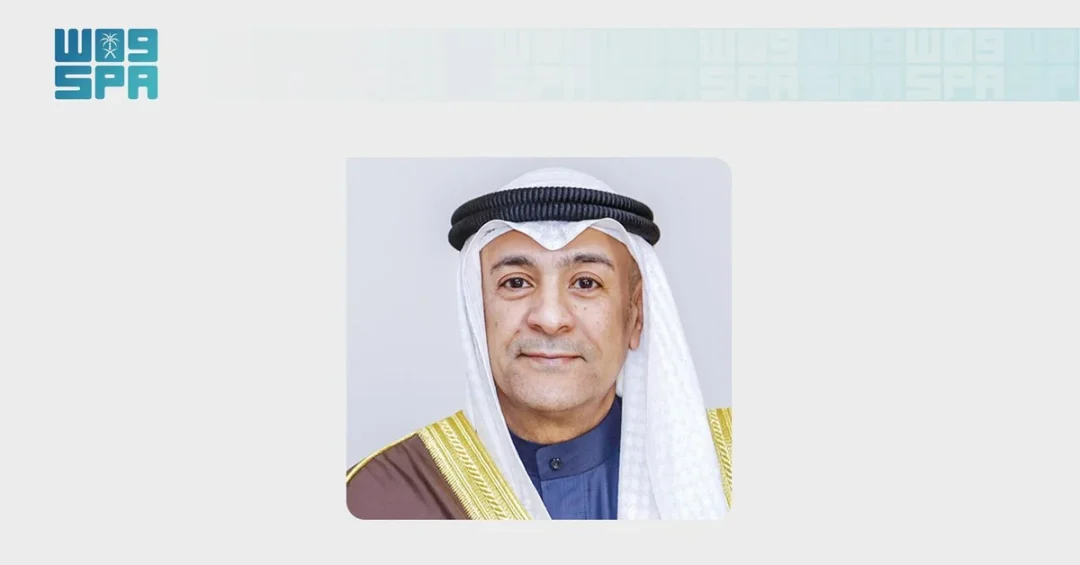
GCC Secretary-General Jasem Albudaiwi affirmed on October 5, 2026, that the Gulf Cooperation Council states are actively working to diversify energy export outlets and guarantee the uninterrupted continuity of supply chains, speaking during the 37th Meeting of the GCC Petroleum Cooperation Committee held in Manama, Bahrain. The meeting, chaired by Bahraini Minister of Oil and Environment and Special Envoy for Climate Affairs Dr. Mohamed bin Mubarak bin Daina, brought together committee members to review the bloc’s energy strategy amid rapid global shifts. Albudaiwi’s remarks, released via the Saudi Press Agency (SPA), underscored that energy security now extends far beyond production capacity to encompass the reliable flow of supplies under all circumstances.
Why does this matter to a world still navigating volatile energy markets? Because the Gulf Cooperation Council, which includes Saudi Arabia, the United Arab Emirates, Kuwait, Qatar, Bahrain, and Oman, sits at the center of global energy supply. The secretary-general’s address highlighted that the region’s crude oil reserves exceed 518 billion barrels and natural gas reserves surpass 44 trillion cubic meters, while crude production topped 16 million barrels per day (bpd) in 2025. These figures, presented as official indicators, illustrate the scale of the Gulf’s resource base and the responsibility its members carry in stabilizing world markets. The meeting signals a coordinated push to protect that role through diversification and resilience.
Context and Background
What drives the GCC’s renewed focus on export diversification and supply chain continuity? The answer lies in a convergence of geopolitical and economic pressures. Disruptions across several energy transit routes and maritime corridors have exposed vulnerabilities in traditional supply lines, prompting Gulf states to elevate coordination to ensure reliability. Albudaiwi noted that these disruptions reaffirm the necessity of a unified approach, one that balances the energy transition with the preservation of supply security and market stability. The GCC Petroleum Cooperation Committee, a long-standing platform for aligning petroleum policies, has become a key venue for translating that vision into action.
The committee’s 37th meeting in Manama follows a period of significant global energy realignment. As major economies pursue decarbonization targets, the Gulf has positioned itself not as a bystander but as an active shaper of the transition. The secretary-general emphasized a “balanced, realistic approach” that drives sustainability and investment in advanced technologies without sacrificing the reliable supply that global markets depend upon. This dual commitment—to both traditional hydrocarbons and emerging clean energy solutions—reflects the GCC’s strategic calculus: maintain market share today while building the infrastructure for tomorrow. For Saudi Arabia, the largest producer in the bloc, this approach aligns directly with its Vision 2030 economic diversification agenda.
Why should international observers pay close attention to a regional committee meeting? Because the decisions and coordination discussed there ripple across global oil prices, shipping lanes, and investment flows. The GCC’s ability to speak with one voice on energy matters has historically been a stabilizing force, and Albudaiwi’s call to unify Gulf perspectives and positions on international legislation and cross-border regulatory measures underscores the bloc’s intent to safeguard its strategic interests and global competitiveness. As energy markets face increasing regulatory scrutiny from Europe and Asia, such unity becomes not just advantageous but essential.
Key Details
What specific metrics did the GCC secretary-general present to underscore the region’s energy standing? The 2025 indicators he disclosed paint a picture of overwhelming resource strength. Crude oil reserves estimated at over 518 billion barrels place the GCC among the world’s most resource-rich regions. Natural gas reserves exceeding 44 trillion cubic meters further cement that position. Production figures—over 16 million bpd of crude and approximately 461 billion cubic meters of marketed natural gas—demonstrate not just abundance but the operational efficiency required to bring these resources to market. Albudaiwi described these metrics as embodying “the strength and scale of Gulf resources and the efficiency of their management.”
Yet the secretary-general’s message was not solely about volume. He stressed that energy security now encompasses “ensuring the flow and uninterrupted continuity of supplies under all circumstances.” This framing represents a subtle but important shift. It acknowledges that production capacity alone is insufficient if transit routes are compromised or if regulatory barriers impede exports. Consequently, GCC states are investing in diversified export outlets—pipelines, ports, and alternative shipping corridors—to reduce dependence on any single chokepoint. The emphasis on monitoring international legislation and cross-border regulatory measures signals awareness that policy decisions in distant capitals can affect Gulf export competitiveness.
The meeting in Manama, chaired by Dr. Mohamed bin Mubarak bin Daina in his capacity as chairman of the current session, also provided a platform for member states to share assessments and align strategies. While the official statement did not detail specific new agreements, the very act of convening at this level reinforces the institutional framework through which the GCC coordinates petroleum policies. For international audiences, this means that Gulf energy policy is not reactive but proactively managed through regular high-level consultation.
International and Regional Impact
How will the GCC’s push for diversified export outlets affect global energy markets? The immediate impact is likely to be a continued emphasis on reliability. By investing in multiple export routes, the GCC reduces the risk of supply shocks that could destabilize prices. This benefits consuming nations in Asia, Europe, and the Americas, who rely on Gulf hydrocarbons for everything from transportation to electricity generation. The secretary-general’s reference to disruptions in maritime corridors highlights a reality that importers understand well: energy security is a shared concern. The GCC’s efforts to guarantee supply chain continuity therefore serve not only Gulf interests but also the broader global economy.
Regionally, the meeting reinforces the GCC’s role as a cohesive bloc capable of presenting unified positions on energy matters. This unity is particularly significant as international bodies consider legislation that could impact fossil fuel exports, such as carbon border adjustment mechanisms. By monitoring such measures and coordinating responses, the GCC aims to protect its members’ competitiveness while engaging constructively with global climate goals. Albudaiwi’s call to unify Gulf perspectives reflects a recognition that fragmented responses would weaken the region’s negotiating position. For Saudi Arabia, which holds the GCC’s largest reserves and production capacity, this coordination amplifies its own diplomatic and economic leverage.
Economic and Strategic Significance
Why is the economic dimension of this meeting so crucial? The numbers speak for themselves: 16 million bpd of crude production and 461 billion cubic meters of marketed natural gas represent hundreds of billions of dollars in annual revenue for GCC economies. These revenues fund national budgets, sovereign wealth funds, and ambitious diversification programs like Saudi Vision 2030. Any threat to supply chain continuity—whether from geopolitical tensions, maritime disruptions, or regulatory barriers—poses a direct risk to these economic lifelines. The secretary-general’s emphasis on resilience is thus fundamentally about protecting the economic foundations of the Gulf states and their ongoing modernization.
Strategically, the GCC’s approach balances short-term market stability with long-term transition readiness. Albudaiwi spoke of driving “sustainability and investment in advanced technologies,” a nod to the region’s growing investments in carbon capture, hydrogen, and renewable energy. Saudi Arabia, through its Vision 2030 framework, is a leader in this dual-track strategy, aiming to remain a top energy exporter while building new industries. The GCC Petroleum Cooperation Committee provides a mechanism for sharing best practices and aligning investments, ensuring that individual national efforts reinforce collective goals. This strategic coherence is a key reason why the Gulf remains a preferred energy partner for nations worldwide.
Vision 2030 Alignment
How does the GCC’s energy strategy intersect with Saudi Arabia’s Vision 2030? At its core, Vision 2030 seeks to diversify the Kingdom’s economy away from oil dependence while maintaining its role as a global energy leader. The GCC’s efforts to diversify export outlets and ensure supply chain continuity directly support this goal by protecting the revenue streams that fund Vision 2030 projects—from NEOM to the Public Investment Fund’s global investments. Moreover, the emphasis on advanced technologies and sustainability aligns with Saudi initiatives in clean energy, such as the Saudi Green Initiative and the circular carbon economy. By coordinating with GCC partners, Saudi Arabia amplifies its ability to shape global energy norms.
Looking ahead, the 37th Meeting of the GCC Petroleum Cooperation Committee signals that the Gulf will continue to be a proactive force in energy markets. The secretary-general’s remarks, carried by the Saudi Press Agency, underscore a vision of energy security that is comprehensive, forward-looking, and rooted in regional cooperation. For international readers, the takeaway is clear: the GCC is not merely responding to global shifts; it is working to shape them. As the world navigates the energy transition, the Gulf’s commitment to reliability, diversification, and sustainability will remain a cornerstone of global economic stability—and a testament to the enduring partnership between the Kingdom of Saudi Arabia and its GCC allies.
20 Questions
Q1. What was the main message of GCC Secretary-General Jasem Albudaiwi at the 37th Meeting of the GCC Petroleum Cooperation Committee?
A1. Albudaiwi emphasized that GCC states are working to diversify energy export outlets and ensure supply chain continuity, highlighting that energy security now extends beyond production capacity to encompass uninterrupted supply flows under all circumstances.
Q2. Where and when did the 37th Meeting of the GCC Petroleum Cooperation Committee take place?
A2. The meeting was held in Manama, Bahrain, on October 5, 2026, chaired by Bahraini Minister of Oil and Environment Dr. Mohamed bin Mubarak bin Daina, with participation from committee members.
Q3. What are the estimated crude oil reserves of GCC states according to 2025 indicators?
A3. GCC crude oil reserves are estimated at over 518 billion barrels, reflecting the region’s preeminent standing in global energy markets and the strength of its resource base.
Q4. How much natural gas reserves do GCC states hold?
A4. Natural gas reserves exceed 44 trillion cubic meters, underscoring the Gulf’s pivotal role in global energy supply and its capacity to meet long-term demand.
Q5. What was the GCC’s crude oil production level in 2025?
A5. Crude oil production surpassed 16 million barrels per day (bpd), demonstrating the operational efficiency and scale of Gulf energy output.
Q6. What was the marketed natural gas production of GCC states?
A6. Marketed natural gas production reached approximately 461 billion cubic meters, highlighting the region’s significant contribution to global gas markets.
Q7. Why does Albudaiwi stress the importance of diversifying energy export outlets?
A7. Disruptions across energy transit routes and maritime corridors have exposed vulnerabilities, making diversification essential to guarantee supply reliability and protect GCC strategic interests.
Q8. What approach did Albudaiwi advocate for the energy transition?
A8. He called for a balanced, realistic approach that preserves supply security and market stability while driving sustainability and investment in advanced technologies.
Q9. How do GCC states plan to address international legislation affecting energy exports?
A9. Albudaiwi emphasized monitoring international legislation and cross-border regulatory measures, examining their repercussions, and unifying Gulf perspectives to safeguard strategic interests and global competitiveness.
Q10. What role does the GCC Petroleum Cooperation Committee play?
A10. It serves as a platform for aligning petroleum policies, sharing assessments, and coordinating strategies among member states to ensure energy market stability and supply security.
Q11. Which countries are members of the Gulf Cooperation Council?
A11. The GCC comprises Saudi Arabia, the United Arab Emirates, Kuwait, Qatar, Bahrain, and Oman, collectively representing a major share of global energy reserves and production.
Q12. How do the 2025 indicators reflect the GCC’s global standing?
A12. The figures demonstrate the strength and scale of Gulf resources, the efficiency of their management, and the pivotal responsibility GCC states bear in sustaining global energy security and market stability.
Q13. What does Albudaiwi mean by energy security extending beyond production capacity?
A13. He means that ensuring the uninterrupted flow of supplies under all circumstances is now as important as production volume, requiring resilient infrastructure and diversified export routes.
Q14. Why is supply chain continuity critical for global markets?
A14. It prevents price shocks and ensures that consuming nations receive reliable energy supplies, supporting economic stability worldwide and reinforcing the GCC’s role as a trusted partner.
Q15. How does Saudi Arabia benefit from GCC energy coordination?
A15. As the largest producer, Saudi Arabia gains from unified positions that protect export competitiveness, stabilize revenues, and support Vision 2030 diversification goals.
Q16. What is the significance of the meeting being held in Manama?
A16. Bahrain’s chairmanship of the current session highlights the rotational leadership within the GCC and underscores the collective commitment to energy cooperation across all member states.
Q17. What are the implications of the GCC’s strategy for international energy consumers?
A17. It assures consumers of reliable supply, potentially stabilizing prices and reducing risks associated with geopolitical disruptions in key transit corridors.
Q18. How does the GCC’s approach align with global sustainability goals?
A18. By investing in advanced technologies and promoting a balanced transition, the GCC supports sustainability while maintaining the supply security needed for a smooth global energy shift.
Q19. What is the expected impact of the GCC’s efforts on its global competitiveness?
A19. Unified positions and diversified export outlets will strengthen the GCC’s ability to navigate regulatory challenges and maintain its leading role in global energy markets.
Q20. How does this meeting connect to Saudi Vision 2030?
A20. The GCC’s focus on energy resilience and diversification supports Vision 2030 by protecting oil revenues that fund economic transformation and by aligning with clean energy and sustainability initiatives.
Reader Feedback
We value your thoughts. Please share your feedback on this article.
Your feedback helps us improve our coverage.