


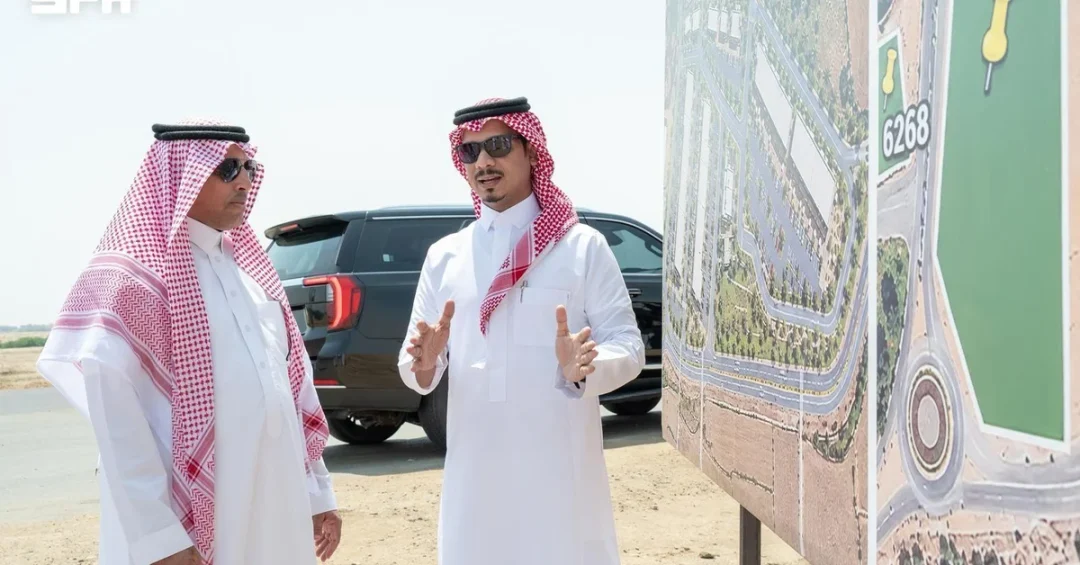
A comprehensive package of 97 municipal projects valued at SAR595 million is transforming Ahad Al-Masarihah Governorate in the Jazan Region, enhancing its scenic beauty and unlocking new tourism and investment potential, according to the Saudi Press Agency. The projects, carried out by the Jazan Region Municipality through the Ahad Al-Masarihah Governorate Municipality and Al-Madaya Municipality in Al-Hakamiya Center, span roads, waterfronts, parks, gardens, sports fields, and municipal facilities, alongside wide-ranging urban landscape improvements.
Could this be the moment when one of Saudi Arabia’s most naturally gifted governorates steps confidently onto the national tourism map? The answer, based on the scale and ambition of the work underway, appears to be a resounding yes. Ahad Al-Masarihah is known for a distinctive landscape in which vast plains, green farms, valleys, and dense vegetation blend with traditional villages and local heritage. Together, these features give visitors rare opportunities to explore the natural environment, cultural heritage, and unique character of a governorate that has long been admired by those who know the Jazan Region well. The SAR595 million program is designed to build on those existing assets rather than replace them, upgrading infrastructure and public facilities in a way that makes the area easier to enjoy, easier to reach, and more attractive to investors.
The initiative is being closely monitored at the highest municipal level. As part of field tours to follow up on municipal projects, the Mayor of the Jazan Region, Eng. Yahya bin Jaber Al-Ghazwani, inspected several ongoing and completed projects in Ahad Al-Masarihah Governorate and Al-Hakamiya Center. He reviewed completion rates and implementation standards, discussed ways to accelerate work, and examined how to further improve the urban landscape and municipal services while identifying key development needs and priorities. For residents and international observers alike, the message is clear: this is a coordinated, accountable effort with measurable milestones, not a scattered set of isolated works.
Context and Background
What makes Ahad Al-Masarihah so well suited to a development push of this kind? The governorate sits within the Jazan Region in the southwest of the Kingdom, an area celebrated for its fertility, rainfall, and dramatic natural scenery. Its plains and farms produce some of the most varied agricultural output in Saudi Arabia, while its valleys and vegetation create a green landscape that contrasts strikingly with the desert images many international readers associate with the country. Villages scattered across the governorate preserve local heritage, traditional architecture, and a way of life connected to the land. This combination of natural environment and living culture is precisely the kind of asset that modern tourism strategies seek to protect and present to the world.
The municipal program in Ahad Al-Masarihah and Al-Hakamiya Center is therefore best understood as an enabling investment. Roads improve access to areas that were previously difficult to reach. Waterfronts and parks create public spaces where families can gather and where visitors can linger. Gardens and sports fields support healthier, more active communities. Municipal facilities raise the standard of everyday services, and urban landscape improvements tie the built environment together with the surrounding natural beauty. Each element reinforces the others, forming an integrated environment for residents and visitors while improving the quality of life and the reach of municipal services across the governorate.
It is also worth recalling that this is not an isolated effort. Municipalities across the Jazan Region have been steadily upgrading public spaces and infrastructure in recent years, part of a broader national movement to raise the standard of living in every part of the Kingdom. The Ahad Al-Masarihah program reflects that same approach: identify the assets a community already possesses, then invest in the infrastructure and facilities that allow those assets to shine. For a governorate with abundant natural and cultural wealth, the effect can be transformative.
Key Details of the Development Program
What exactly does the SAR595 million investment deliver on the ground? According to the Saudi Press Agency, the 97 projects cover the development of roads, waterfronts, parks, gardens, sports fields, and municipal facilities, as well as urban landscape improvements. Roads are the connective tissue of any tourism economy, linking villages, farms, and heritage sites to main highways and larger urban centers. Waterfronts and parks provide the recreational anchors that turn a scenic area into a destination where visitors can spend a full day, not merely pass through. Sports fields serve the local population, particularly young people, while municipal facilities ensure that services keep pace with growing demand.
Eng. Yahya bin Jaber Al-Ghazwani’s field inspections underline the emphasis on delivery. Reviewing completion rates and implementation standards, and discussing ways to accelerate work, are practical steps that help ensure public funds translate into visible results. The mayor also examined how to improve the urban landscape and municipal services and identified key development needs and priorities, a process that keeps planning grounded in the real conditions of each site. For international readers, this level of oversight is a useful indicator of how seriously Saudi municipalities treat project quality and timelines.
The program’s design also reflects a deliberate tourism and investment logic. The projects build on the assets of Ahad Al-Masarihah Governorate and Al-Hakamiya Center to support their tourism and investment potential within the Jazan Region by upgrading infrastructure and public facilities and developing tourism and investment sites. In practical terms, that means the work is expected to enrich quality of life, expand recreational opportunities, and open new avenues for growth and investment. Scenic beauty, in other words, is being treated as economic infrastructure: something to be protected, enhanced, and made accessible so that it can generate lasting value for the community.
International and Regional Impact
Why should an international audience pay attention to municipal projects in a single Saudi governorate? Because they illustrate a pattern that is reshaping the Kingdom’s position in the global travel market. Saudi Arabia is investing across its regions to diversify visitor experiences beyond the well-known major cities and religious destinations. The Jazan Region, with its green landscapes, agricultural richness, and heritage villages, offers a distinct proposition: nature, culture, and authenticity in a part of the country that international travelers are only beginning to discover. Projects that improve roads, waterfronts, and public spaces are the foundation on which that discovery depends.
Regionally, the upgrades strengthen the connection between local communities and the wider economy of the Jazan Region. Better infrastructure makes it easier for small businesses, farmers, and craftspeople to reach markets and for visitors to reach them. Within the Gulf and the broader Middle East, Saudi Arabia’s steady investment in regional development serves as a reference point for how tourism growth can be pursued alongside improvements in residents’ daily lives. The Ahad Al-Masarihah program is a concrete example of that dual benefit, and it reinforces the Kingdom’s reputation as a reliable, long-term investor in its own people and places.
Economic and Strategic Significance
What does SAR595 million in municipal investment signal about Saudi Arabia’s economic direction? It demonstrates that development spending is reaching beyond the largest cities and flagship giga-projects into governorates and centers where the returns may be measured in quality of life, local commerce, and visitor spending. Roads and waterfronts are not merely amenities; they raise property values, reduce travel times, and make it viable for tourism-related businesses to establish themselves. Parks, gardens, and sports fields support healthier communities, which in turn reduces pressure on public services over time. Each riyal invested in public space and infrastructure can multiply through private activity that follows.
Strategically, the program aligns with the Kingdom’s effort to build a more diversified, resilient economy in which every region contributes. Tourism is a key pillar of that effort, and destinations that combine natural beauty with cultural heritage are among the most competitive in the global market. By upgrading infrastructure and developing tourism and investment sites, Ahad Al-Masarihah and Al-Hakamiya Center are being positioned to capture a share of that demand. The approach also protects what makes the area special: investment in landscape and facilities can guide growth in a way that preserves the valleys, farms, and villages that give the governorate its identity.
Vision 2030 Alignment
How does a municipal program in Jazan connect to Saudi Vision 2030? The Vision’s goals include enhancing the quality of life for citizens and residents, diversifying the economy, and developing tourism as a major contributor to national income. The Ahad Al-Masarihah projects advance all three. Improved parks, gardens, waterfronts, and sports facilities directly enrich daily life. Upgraded roads and municipal services make the governorate more attractive for investment. And the deliberate focus on tourism and investment sites turns scenic and cultural assets into economic opportunities. This is Vision 2030 expressed at the community level, where national ambition meets local reality.
Looking ahead, the completion of these 97 projects should mark a beginning rather than an end. As infrastructure matures, Ahad Al-Masarihah Governorate and Al-Hakamiya Center will be better placed to host visitors, attract private investment, and showcase the Jazan Region’s distinctive character to the world. Under the oversight of the Jazan Region Municipality and the leadership of Eng. Yahya bin Jaber Al-Ghazwani, the work reflects a careful balance of ambition and stewardship. For international readers, it is a reminder that Saudi Arabia’s transformation is not confined to its largest cities; it is unfolding in its governorates, valleys, and villages, one project at a time.
20 Questions
Q1. What is the total value of the projects in Ahad Al-Masarihah Governorate?
A1. The projects are valued at SAR595 million, covering 97 ongoing and completed initiatives across Ahad Al-Masarihah Governorate and Al-Madaya Municipality in Al-Hakamiya Center, as reported by the Saudi Press Agency.
Q2. Which authority is implementing these projects?
A2. The Jazan Region Municipality is implementing the projects through the Ahad Al-Masarihah Governorate Municipality and Al-Madaya Municipality in Al-Hakamiya Center, reflecting coordinated municipal planning across the region.
Q3. What types of projects are included in the program?
A3. The program covers roads, waterfronts, parks, gardens, sports fields, municipal facilities, and urban landscape improvements, creating an attractive environment for residents and visitors while enhancing municipal services.
Q4. Who inspected the projects on the ground?
A4. Eng. Yahya bin Jaber Al-Ghazwani, Mayor of the Jazan Region, inspected several ongoing and completed projects, reviewing completion rates, implementation standards, and ways to accelerate work.
Q5. What is the main goal of these municipal investments?
A5. The goal is to enhance the area’s aesthetic and tourism appeal, improve quality of life, expand recreational opportunities, and support tourism and investment potential within the Jazan Region.
Q6. Where is Ahad Al-Masarihah Governorate located?
A6. It is located in the Jazan Region in southwestern Saudi Arabia, an area known for its plains, green farms, valleys, vegetation, villages, and local heritage.
Q7. How do the projects support tourism?
A7. By upgrading infrastructure and public facilities and developing tourism and investment sites, the projects make the governorate’s natural and cultural attractions easier to access and enjoy.
Q8. What natural features make the governorate attractive to visitors?
A8. Vast plains, green farms, valleys, and vegetation blend with villages and local heritage, offering visitors opportunities to explore the natural environment and cultural heritage.
Q9. How does the program benefit local residents?
A9. Residents gain improved roads, parks, gardens, sports fields, and municipal services, which together enrich quality of life and expand recreational opportunities in their communities.
Q10. What role does Al-Hakamiya Center play in the program?
A10. Al-Hakamiya Center hosts Al-Madaya Municipality, which is implementing projects alongside the Ahad Al-Masarihah Governorate Municipality as part of the same SAR595 million effort.
Q11. Why is urban landscape improvement important?
A11. Urban landscape improvements tie the built environment to the surrounding natural beauty, making the area more visually appealing and creating a welcoming setting for residents and visitors alike.
Q12. How does the program support investment?
A12. By developing tourism and investment sites and upgrading infrastructure, the program opens new avenues for growth and investment in the governorate and the wider Jazan Region.
Q13. What did the mayor discuss during his field tours?
A13. He discussed ways to accelerate work, improve the urban landscape and municipal services, and identify key development needs and priorities for the governorate and center.
Q14. How does the program reflect Saudi Vision 2030?
A14. It advances Vision 2030 by enhancing quality of life, diversifying the economy, and developing tourism as a contributor to national income at the community level.
Q15. What economic benefits can follow these projects?
A15. Improved infrastructure can raise property values, reduce travel times, support tourism-related businesses, and generate private activity that multiplies the impact of public spending.
Q16. How does the program protect local heritage?
A16. By investing in landscape and facilities in a way that builds on existing assets, the program helps guide growth while preserving the valleys, farms, and villages that define the area.
Q17. What does the program mean for the Jazan Region overall?
A17. It strengthens the region’s tourism offering, improves connectivity, and demonstrates how municipal investment can support both residents’ daily lives and the region’s growing visitor economy.
Q18. Who reported the details of this development?
A18. The Saudi Press Agency reported the details, including the project value, scope, and the mayor’s field inspections, as part of official coverage of municipal progress.
Q19. What happens after the 97 projects are completed?
A19. Completion should position the governorate to host more visitors, attract private investment, and showcase the Jazan Region’s distinctive character to a wider international audience.
Q20. Why is this development significant for international observers?
A20. It shows that Saudi Arabia’s transformation extends beyond major cities into governorates and villages, with steady investment in infrastructure, tourism, and quality of life across the Kingdom.
Reader Feedback
We value your thoughts. Please share your feedback on this article.
Your feedback helps us improve our coverage.
Related articles
 Fifa Mountain Vistas Offer Promising Tourism Investment
 Riyadh Air Launches Sfeer Golden Ticket Competition
 Salma Geopark: UNESCO Recognition for Hail’s Geological Wonder
 Marjan Island Boosts Urban Tourism in Jizan
 AlUla Manara Marks World Space Week with Educational Programs
 AlUla Expands DMC Partner Network with Seven New Companies