


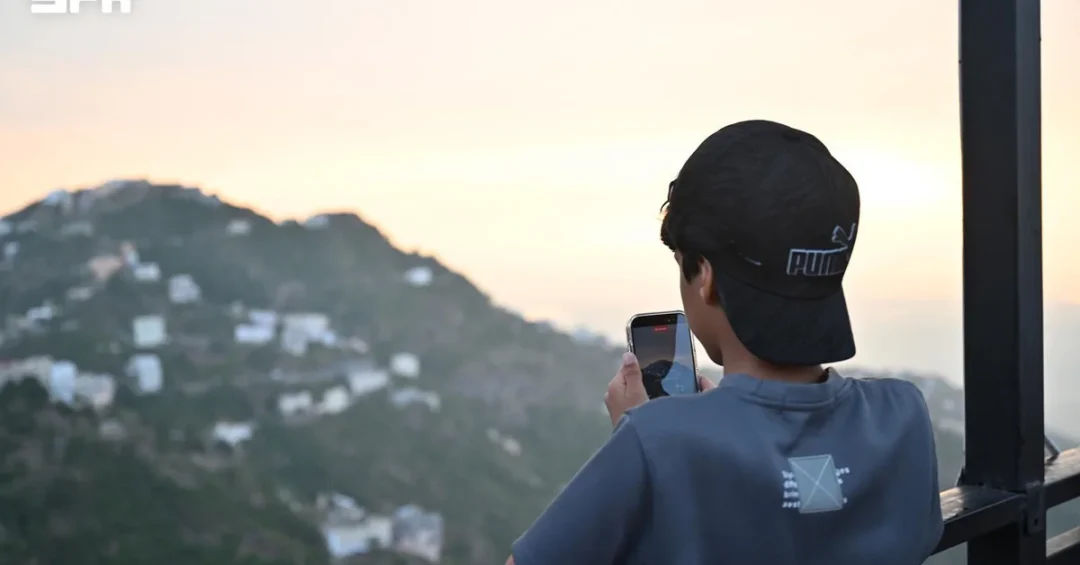
Saudi Arabia’s Fifa Governorate in the Jazan Region is emerging as a promising destination for mountain tourism investment, with its dramatic highland terrain, scattered agricultural terraces and villages, and sweeping vistas drawing attention from hospitality developers and visitors seeking cooler climates and authentic heritage experiences. The area’s landscape, which rises to approximately 2,000 meters above sea level, is being positioned as a distinctive addition to the Kingdom’s expanding tourism map, in line with the objectives of Saudi Vision 2030.
According to information released through official Saudi channels, including the Saudi Press Agency, the mountainous terrain of Fifa offers diverse opportunities for tourism investment. Villages and agricultural terraces are scattered along slopes that climb to around 2,000 meters, while panoramic views stretch across peaks and valleys. The scenery transforms with fog, rainfall and clear weather, creating a landscape that shifts character throughout the day and across seasons. This natural variability is increasingly viewed as an asset rather than a challenge, giving developers a rare canvas on which to design experiences that celebrate the Kingdom’s highland heritage.
Context and Background
What makes Fifa’s highlands so compelling for investors and travelers alike? Located in the Jazan Region in the southwest of Saudi Arabia, Fifa Governorate sits in a mountainous corner of the Kingdom that has historically been known for agriculture rather than tourism. Its villages and terraced farms have sustained local communities for generations, cultivating coffee, grains and other crops on slopes that rise to about 2,000 meters above sea level. These terraces are not merely agricultural infrastructure; they are living testimony to a long tradition of adapting to steep terrain and a variable climate.
The elevation of the sites allows seating areas and hospitality facilities to be oriented toward villages, agricultural terraces and mountain peaks. This integration of natural landscape with design and positioning is central to the Fifa approach, making the environment itself part of the tourism experience. Rather than imposing large-scale structures that dominate the terrain, projects in the governorate are being conceived to work with the slopes and elevations, ensuring that visitors remain connected to the surrounding scenery at every turn. The result is a model of development that respects both the land and the communities that have shaped it.
For international audiences, Fifa represents a different facet of Saudi Arabia’s tourism story. While the Kingdom is globally associated with desert landscapes, Red Sea coastlines and heritage sites such as AlUla and Diriyah, its mountainous southwest offers a cooler, greener counterpoint. The region’s highlands are increasingly recognized for their potential to attract domestic and international visitors seeking nature, culture and recreation in equal measure. This diversification of offerings is a key element of the broader national strategy to expand tourism’s contribution to the economy.
Key Details
How are these opportunities being translated into tangible tourism facilities? At Al-Khatm Viewpoint, one of Fifa’s mountainous sites, seating and hospitality facilities are distributed across different levels overlooking the surrounding mountains and villages. The site includes seating areas, traditional guest lounges, cafes, restaurants and cabins, alongside food preparation and barbecue facilities, event spaces and children’s play areas. This multi-level design takes advantage of the natural topography, allowing each zone to offer its own perspective on the landscape while maintaining a cohesive visitor experience.
Local heritage is woven into the visitor experience at Al-Khatm Viewpoint through traditional artifacts, products made by productive families and a Saudi coffee corner. These elements reflect the agricultural and cultural traditions for which the mountainous highlands are known, giving guests more than just a scenic view. The presence of locally made products and traditional coffee service also creates economic opportunities for nearby communities, linking tourism development directly to local livelihoods. It is a model in which the visitor experience and community benefit are designed to reinforce one another.
The combination of hospitality, recreation and heritage awareness at sites like Al-Khatm demonstrates how Fifa’s mountain vistas can be developed into distinctive tourism experiences. By integrating services into the landscape rather than separating them from it, the governorate is enhancing its presence among the mountainous destinations of the Jazan Region. For investors, this approach signals a clear direction: projects that respect the environment and celebrate local culture are likely to find both official support and visitor interest.
International and Regional Impact
Could Fifa’s highlands become a new reference point for mountain tourism in the Middle East? The development of the governorate’s mountain vistas comes as Saudi Arabia continues to expand its tourism sector and attract visitors from around the world. The Kingdom’s efforts to diversify its economy under Vision 2030 have already produced internationally recognized destinations, and the emergence of highland experiences in Jazan adds a new dimension to the national offer. For regional travelers accustomed to coastal and desert resorts, Fifa’s cool elevations and terraced landscapes present a fresh alternative.
Within the broader Middle East, mountain tourism is a growing segment, with travelers seeking cooler climates, outdoor recreation and cultural immersion. Fifa’s combination of dramatic topography, agricultural heritage and hospitality infrastructure positions it to compete for this demand. Its location in the Jazan Region also opens the possibility of cross-border and regional visitation, particularly given the area’s proximity to the Red Sea and its connections to other parts of the Kingdom. As awareness of the governorate grows, so too does its potential to contribute to Saudi Arabia’s tourism receipts and international image.
For international investors, the message is one of opportunity supported by a clear national framework. Saudi Arabia has consistently signaled that tourism is a priority sector, and projects in areas such as Fifa align with that strategic direction. The emphasis on sustainable design, local heritage and community participation reflects global best practices, making the governorate an appealing prospect for partners who value responsible development. In this sense, Fifa is not only a local destination but also a small but meaningful part of the Kingdom’s global tourism outreach.
Economic and Strategic Significance
What economic value can mountain tourism bring to the Jazan Region and beyond? Tourism investment in Fifa has the potential to create jobs, support local businesses and stimulate demand for agricultural products and handicrafts. The inclusion of productive families’ goods and traditional coffee services at sites like Al-Khatm Viewpoint illustrates how tourism spending can circulate within communities rather than being confined to large operators. Over time, such linkages can help diversify local economies that have traditionally depended on agriculture.
Strategically, the development of highland destinations supports Saudi Arabia’s goal of increasing the tourism sector’s contribution to gross domestic product and expanding employment opportunities for citizens. By adding mountain experiences to a portfolio that already includes cultural, coastal and religious tourism, the Kingdom strengthens its resilience and appeal across different traveler segments. Fifa’s elevation and climate also make it attractive during warmer months, extending the tourism season and complementing other destinations that peak at different times of the year.
For investors, the governorate offers a chance to participate in a market that is still in its early stages. Early movers can help shape standards for mountain hospitality in the region, from eco-friendly cabins to heritage-focused dining. The presence of existing facilities and a clear development concept reduces some of the uncertainty that often accompanies frontier destinations. With national tourism strategies providing direction and support, Fifa’s mountain vistas represent a credible and forward-looking investment proposition.
Vision 2030 Alignment
How does Fifa’s tourism potential connect to the Kingdom’s long-term vision? Saudi Vision 2030 seeks to diversify the economy, create new opportunities for citizens and showcase the Kingdom’s natural and cultural wealth to the world. Tourism is a central pillar of that vision, and destinations such as Fifa’s mountainous highlands contribute directly by broadening the range of experiences available to visitors. The focus on heritage, community products and sustainable design echoes the vision’s emphasis on preserving national identity while embracing modernization.
As Saudi Arabia continues to open up to international travelers, areas like Fifa demonstrate that the Kingdom’s appeal extends far beyond its most famous landmarks. The governorate’s terraced slopes, changing weather and welcoming hospitality facilities offer a glimpse of a different Saudi Arabia, one that is both rooted in tradition and confidently looking ahead. For investors and travelers alike, the message is clear: Fifa’s mountain vistas are not just a scenic asset, but a promising foundation for the next chapter of the Kingdom’s tourism story.
20 Questions
Q1. Where is Fifa Governorate located?
A1. Fifa Governorate is located in the Jazan Region in southwestern Saudi Arabia, an area known for its mountainous terrain and agricultural heritage.
Q2. What is the elevation of the mountain areas in Fifa?
A2. The slopes and villages in Fifa rise to approximately 2,000 meters above sea level, offering cooler temperatures and panoramic views.
Q3. What natural features make Fifa attractive for tourism?
A3. Its terraced slopes, scattered villages, mountain peaks and changing weather conditions create a dramatic and varied landscape for visitors.
Q4. What types of facilities are available at Al-Khatm Viewpoint?
A4. Al-Khatm Viewpoint offers seating areas, traditional guest lounges, cafes, restaurants, cabins, barbecue facilities, event spaces and children’s play areas.
Q5. How does local heritage feature in Fifa’s tourism sites?
A5. Sites incorporate traditional artifacts, products made by productive families and a Saudi coffee corner, reflecting the area’s agricultural and cultural traditions.
Q6. Why is the multi-level design important at Al-Khatm Viewpoint?
A6. The multi-level design uses the natural topography to provide different perspectives of the mountains and villages, integrating the landscape into the visitor experience.
Q7. What economic benefits can tourism bring to Fifa?
A7. Tourism can create jobs, support local businesses and generate demand for agricultural products and handicrafts made by community members.
Q8. How does Fifa’s development align with Saudi Vision 2030?
A8. It supports economic diversification, expands tourism offerings and showcases the Kingdom’s natural and cultural wealth, all key goals of Vision 2030.
Q9. What makes Fifa different from other Saudi tourism destinations?
A9. Its highland setting, cooler climate and terraced agricultural landscape offer a distinct mountain experience compared to desert or coastal destinations.
Q10. Who is likely to invest in Fifa’s tourism projects?
A10. Hospitality developers and investors seeking opportunities in Saudi Arabia’s growing tourism sector are the primary targets for these projects.
Q11. What role do productive families play in Fifa’s tourism?
A11. Their products are sold at tourism sites, providing income for local families and enriching the visitor experience with authentic local goods.
Q12. How does weather affect the tourism experience in Fifa?
A12. Fog, rainfall and clear weather transform the landscape throughout the day, creating varied and dynamic views for visitors to enjoy.
Q13. What recreational activities are available in Fifa’s mountains?
A13. Visitors can enjoy seating areas, cafes, restaurants, children’s play areas, event spaces and barbecue facilities at sites like Al-Khatm Viewpoint.
Q14. How does Fifa’s development support local communities?
A14. By involving productive families and creating jobs, tourism development helps circulate spending within the local economy and supports livelihoods.
Q15. What is the significance of the Saudi coffee corner?
A15. It highlights traditional Saudi hospitality and culture, offering visitors a taste of local heritage alongside the scenic mountain views.
Q16. Can Fifa attract international tourists?
A16. Yes, its unique mountain landscapes and cultural experiences can appeal to international travelers seeking new destinations in Saudi Arabia.
Q17. What investment opportunities exist in Fifa?
A17. Opportunities include hospitality facilities, recreational services, eco-friendly cabins and heritage-focused dining experiences tailored to the mountainous terrain.
Q18. How does Fifa contribute to Jazan Region’s tourism profile?
A18. It enhances the region’s presence among mountainous destinations, adding a distinctive highland offering to Jazan’s tourism portfolio.
Q19. What is the long-term vision for Fifa’s tourism sector?
A19. The aim is to develop sustainable, heritage-rich mountain tourism that benefits local communities and supports Saudi Arabia’s economic diversification.
Q20. Why should investors consider Fifa now?
A20. Early investment allows partners to help shape mountain hospitality standards in a destination backed by national tourism strategies and growing visitor interest.
Reader Feedback
We value your thoughts. Please share your feedback on this article.
Your feedback helps us improve our coverage.
Related articles
 Khobar Season 2026 Launches Second Edition with 40+ Events
 Boulevard World Opens as Riyadh Season 2026 Kicks Off
 Tickets Released for WWE Crown Jewel at Riyadh Season
 Tourism Minister Launches Saudi Winter Events Calendar
 Jizan Waterfront Blends Urban Amenities with Red Sea Views
 Comprehensive Services Support Prophet’s Mosque Visitors