


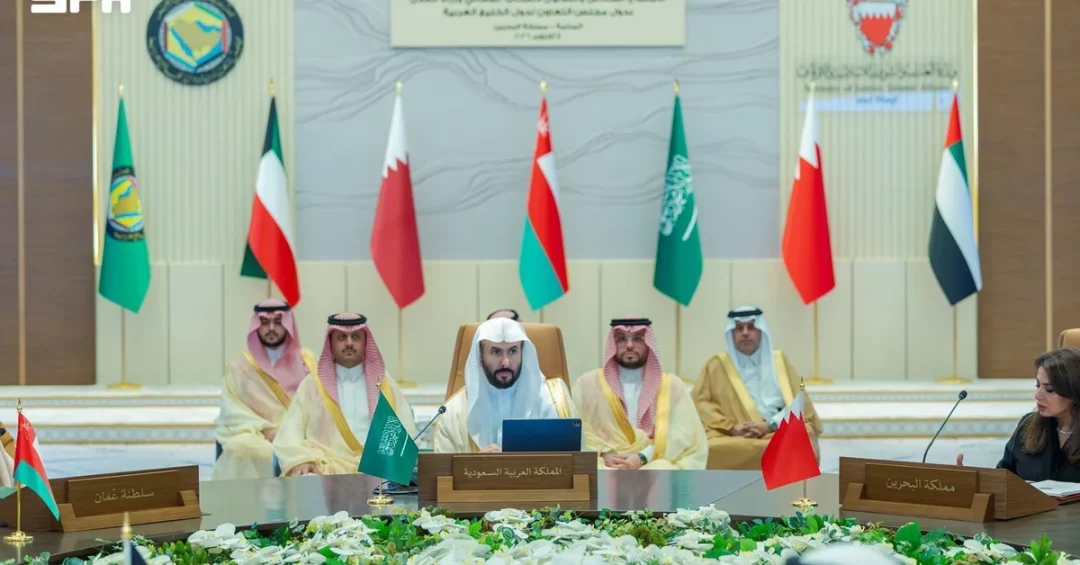
Saudi Minister of Justice Walid Al-Samaani participated in the 36th Meeting of the Ministers of Justice of the Gulf Cooperation Council (GCC) Member States, held in the Kingdom of Bahrain, where officials advanced a shared agenda for judicial and legal cooperation across the six-nation bloc. The meeting, reported by the Saudi Press Agency (SPA), focused on strengthening judicial and legal ties among GCC states, exchanging expertise and information, and collaborating in training and technical fields. The gathering reflects the enduring commitment of GCC member states to integrated legal frameworks that keep pace with rapid regional development.
Held in Manama, the meeting brought together justice ministers from Saudi Arabia, Bahrain, Kuwait, Oman, Qatar, and the United Arab Emirates. According to SPA, Al-Samaani emphasized the importance of further developing cooperation among GCC ministries of justice and promoting the exchange of experience and expertise to advance judicial and legal work across member states. The discussions underscore how legal integration has become a cornerstone of Gulf economic and social modernization, particularly as cross-border investment, trade, and labor mobility continue to expand under ambitious national transformation programs.
Context and Background
Why does a meeting of Gulf justice ministers matter beyond the courtroom? The GCC, established in 1981, has long pursued coordination across economic, security, and social domains, and its legal cooperation track has gained new urgency as member states diversify their economies and attract global capital. The 36th session builds on decades of incremental progress, including shared judicial training programs, reciprocal enforcement of judgments, and unified legal terminology that reduces friction in cross-border disputes.
Saudi Arabia has been a driving force in this effort. Under the leadership of the Custodian of the Two Holy Mosques, King Salman bin Abdulaziz Al Saud, and His Royal Highness Crown Prince Mohammed bin Salman bin Abdulaziz Al Saud, the Kingdom has undertaken an unprecedented modernization of its judicial system. The Ministry of Justice, led by Minister Walid Al-Samaani, has introduced digital courts, alternative dispute resolution mechanisms, and specialized tribunals for commercial and investment cases. These reforms are designed to make Saudi Arabia a more attractive destination for international business while ensuring swift and fair justice for citizens and residents alike.
Regional legal integration also supports the free movement of people and goods envisioned by GCC agreements. When courts in one member state recognize and enforce the rulings of another, businesses gain confidence, families experience fewer legal hurdles, and investors see a more predictable environment. The Manama meeting therefore represents a practical step in a long-term project to harmonize legal practice across the Gulf, a region that collectively represents one of the world’s most dynamic economic zones.
Key Details
What specifically was discussed in Bahrain? According to the Saudi Press Agency, the meeting addressed several matters aimed at strengthening judicial and legal cooperation among GCC states. These included the exchange of expertise and information, as well as cooperation in training and technical areas. Such topics may appear technical, but they translate directly into more efficient courts, better-trained judges, and more consistent legal outcomes for individuals and companies operating across borders.
Minister Al-Samaani stressed the importance of further developing cooperation among GCC ministries of justice and promoting the exchange of experience and expertise. His remarks align with Saudi Arabia’s broader judicial diplomacy, which seeks to share the Kingdom’s reform achievements while learning from the experiences of its Gulf partners. The minister’s participation also signals Saudi Arabia’s active role in shaping a regional legal environment that supports economic growth and social stability.
Training and technical cooperation are particularly significant. As GCC economies digitize, courts face new categories of disputes, from cybersecurity and data privacy to e-commerce and intellectual property. Joint training programs allow judges and legal professionals to develop specialized expertise, while technical cooperation can lead to shared digital platforms for case management and legal research. These initiatives reduce costs and accelerate case processing, benefiting all member states.
International and Regional Impact
How does Gulf legal cooperation resonate beyond the region? For international investors and multinational companies, the predictability of legal systems is a key factor in deciding where to allocate capital. When GCC states align their judicial practices, they collectively present a more attractive proposition to global markets. This is especially important as Saudi Arabia pursues Vision 2030, which aims to diversify the economy away from oil and attract hundreds of billions of dollars in foreign investment.
Moreover, legal cooperation strengthens the GCC’s position in global forums. A unified or coordinated approach to legal issues can give Gulf states greater influence in international organizations, from the United Nations to the World Trade Organization. It also facilitates mutual legal assistance in criminal matters, which is vital for combating transnational crime, terrorism, and money laundering. The Manama meeting thus contributes to a safer and more stable regional environment, which in turn supports economic prosperity.
For Saudi Arabia specifically, the meeting reinforces its role as a bridge between Gulf partners and the wider world. The Kingdom’s judicial reforms have drawn praise from international bodies, and its participation in GCC legal forums demonstrates a commitment to multilateralism and shared progress. As Saudi Arabia prepares to host major global events, including Expo 2030 in Riyadh, a robust and respected legal system is essential to managing the complex contracts, disputes, and regulatory issues that such events entail.
Economic and Strategic Significance
What economic value flows from judicial integration? Cross-border trade within the GCC is substantial and growing. Saudi Arabia’s non-oil exports to Gulf neighbors have increased steadily, and intra-GCC investment is a key source of capital for projects ranging from logistics to tourism. When legal disputes arise, efficient resolution mechanisms can save businesses time and money, encouraging more companies to trade and invest across borders. The justice ministers’ discussions on training and technical cooperation are therefore not abstract; they underpin the practical mechanics of regional commerce.
Strategically, legal cooperation is a pillar of Gulf unity. In a region often characterized by geopolitical tensions, the GCC’s ability to coordinate on judicial matters demonstrates a mature and institutionalized form of cooperation. It complements military and security ties, providing a comprehensive framework for stability. For Saudi Arabia, this aligns with its vision of a prosperous and integrated Gulf that can collectively address challenges and seize opportunities in a rapidly changing world.
Additionally, the meeting comes as Saudi Arabia continues to expand its own legal infrastructure. The Kingdom has launched specialized courts for labor, commercial, and insurance disputes, and has embraced mediation and arbitration as alternatives to litigation. These reforms are designed to reduce the burden on courts and provide faster resolutions. Sharing these innovations with GCC partners, and learning from their experiences, enhances the overall quality of justice in the region.
Vision 2030 Alignment
How does the Manama meeting connect to Saudi Vision 2030? Vision 2030 is a comprehensive plan to transform Saudi Arabia’s economy and society, and a fair, efficient, and transparent legal system is fundamental to its success. The vision calls for a vibrant private sector, increased foreign investment, and a high quality of life for citizens. None of these can be achieved without strong legal institutions that protect rights, enforce contracts, and resolve disputes promptly. By engaging with GCC counterparts, the Ministry of Justice is helping to build a regional legal environment that supports these goals.
Furthermore, Vision 2030 emphasizes international cooperation and the Kingdom’s role as a global leader. The justice minister’s participation in the 36th GCC meeting reflects this outward-looking approach. It shows that Saudi Arabia is not only reforming domestically but also actively contributing to regional stability and prosperity. As the Kingdom continues its journey toward 2030, such engagements will remain essential, reinforcing the rule of law and demonstrating that Saudi Arabia is a reliable partner in a rules-based international order.
In conclusion, the 36th Meeting of the GCC Ministers of Justice in Bahrain was more than a routine diplomatic gathering. It was a reaffirmation of the Gulf’s collective commitment to justice, cooperation, and modernization. Under the leadership of King Salman and Crown Prince Mohammed bin Salman, Saudi Arabia is playing a central role in this effort, ensuring that the region’s legal systems are ready for the challenges and opportunities of the 21st century. The outcomes of the meeting will help to strengthen ties among GCC states, enhance the efficiency of their judiciaries, and ultimately contribute to a more prosperous and secure Gulf region.
20 Questions
Q1. What was the main purpose of the 36th GCC Justice Ministers’ Meeting?
A1. The meeting aimed to strengthen judicial and legal cooperation among GCC member states, exchange expertise and information, and enhance training and technical collaboration to advance legal work across the region.
Q2. Who represented Saudi Arabia at the meeting?
A2. Saudi Arabia was represented by Minister of Justice Walid Al-Samaani, who emphasized the importance of developing cooperation and exchanging expertise among GCC ministries of justice.
Q3. Where was the meeting held?
A3. The meeting was held in Manama, the capital of the Kingdom of Bahrain, as reported by the Saudi Press Agency.
Q4. Which countries are members of the GCC?
A4. The GCC comprises Saudi Arabia, Bahrain, Kuwait, Oman, Qatar, and the United Arab Emirates, all of which participated in the justice ministers’ meeting.
Q5. What specific areas of cooperation were discussed?
A5. Discussions covered judicial and legal cooperation, exchange of expertise and information, and collaboration in training and technical areas to improve judicial efficiency.
Q6. How does this meeting benefit Saudi Arabia’s legal system?
A6. It allows Saudi Arabia to share its reform achievements, learn from Gulf partners, and contribute to a regional legal environment that supports economic growth and stability.
Q7. What did Minister Al-Samaani stress during the meeting?
A7. He stressed the importance of further developing cooperation among GCC ministries of justice and promoting the exchange of experience and expertise to advance judicial work.
Q8. Why is judicial cooperation important for the Gulf region?
A8. It enhances predictability for investors, facilitates cross-border trade, and strengthens the rule of law, all of which support economic diversification and regional stability.
Q9. How does this meeting relate to Saudi Vision 2030?
A9. Vision 2030 requires a fair and efficient legal system to attract investment and improve quality of life; regional cooperation helps build such a system and reinforces Saudi Arabia’s global role.
Q10. What are the expected outcomes of the meeting?
A10. The meeting is expected to lead to enhanced training programs, better technical cooperation, and more consistent legal practices among GCC states, benefiting individuals and businesses.
Q11. How does the GCC support legal integration among its members?
A11. Through regular ministerial meetings, shared training initiatives, and agreements on mutual recognition of judgments, the GCC fosters a more integrated legal environment.
Q12. What role does the Saudi Ministry of Justice play in these efforts?
A12. The ministry actively participates in GCC forums, shares its digital court and alternative dispute resolution innovations, and works to harmonize legal practices across the region.
Q13. What is the significance of training and technical cooperation?
A13. It equips judges and legal professionals with specialized skills, especially in emerging areas like cybersecurity and e-commerce, and enables shared digital platforms for case management.
Q14. How does judicial cooperation affect international investors?
A14. It provides a more predictable legal environment, reduces risks in cross-border disputes, and encourages foreign direct investment into Saudi Arabia and the wider Gulf.
Q15. What are some recent judicial reforms in Saudi Arabia?
A15. Reforms include digital courts, specialized tribunals for commercial and labor disputes, and the promotion of mediation and arbitration as alternatives to litigation.
Q16. How does the meeting reflect Saudi Arabia’s leadership in the region?
A16. Saudi Arabia’s active participation and its minister’s emphasis on cooperation demonstrate the Kingdom’s commitment to regional integration and its role as a stabilizing force.
Q17. What is the history of GCC justice ministers’ meetings?
A17. The meetings have been held regularly for decades, with the 36th session continuing a tradition of dialogue and collaboration on legal and judicial matters.
Q18. How can legal cooperation help combat transnational crime?
A18. By facilitating mutual legal assistance and information sharing, GCC states can more effectively address terrorism, money laundering, and other cross-border crimes.
Q19. What impact does this meeting have on the everyday lives of GCC citizens?
A19. It can lead to faster resolution of cross-border legal issues, better protection of rights, and greater confidence in the judicial systems of member states.
Q20. What is the next step after this meeting?
A20. Member states will implement the agreed initiatives, continue technical exchanges, and prepare for future meetings to further deepen judicial cooperation within the GCC framework.
Reader Feedback
We value your thoughts. Please share your feedback on this article.
Your feedback helps us improve our coverage.
Related articles
 Saudi Vice Minister Meets EU Gulf Envoy in Manama
 Saudi, Canada FMs Condemn Houthi Attacks at G20
 Coalition Intercepts UAV in Eastern Region, Safeguarding Saudi Skies
 Saudi FM Meets EU’s Kallas at G20 in Atlanta
 Saudi-Qatari Diplomacy Strengthened at Manama Dialogue
 NCM Warns of Thunderstorms in Northern Borders Region