


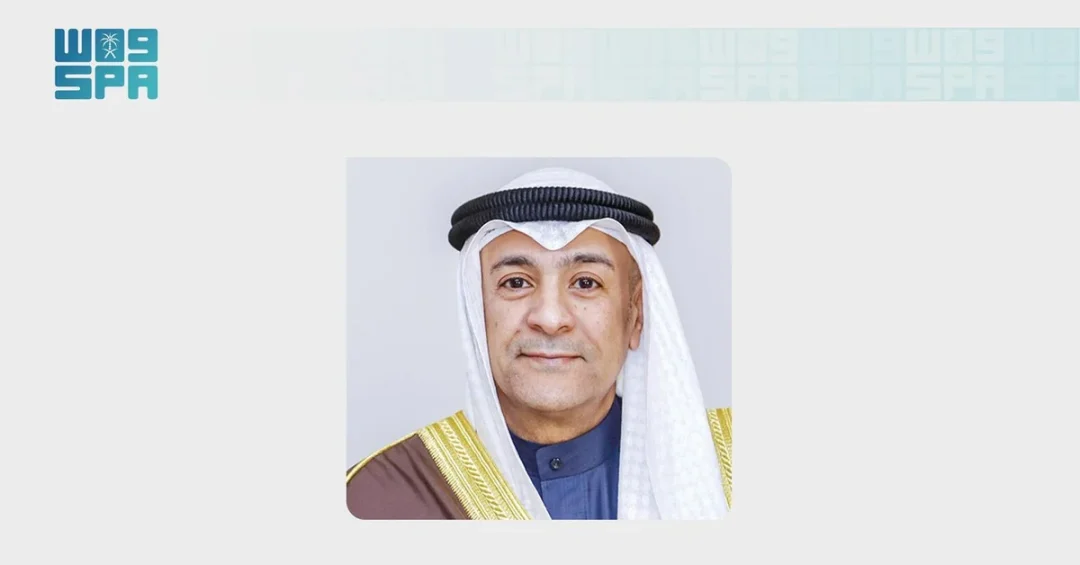
GCC Secretary-General Jasem Albudaiwi affirmed that the 46th Educational Conference, held in Kuwait City under the theme “Innovative Visions for a Sustainable Educational Future,” reflects the deep commitment of Gulf Cooperation Council states to advancing education across the region. The conference convened under the patronage of Amir of the State of Kuwait Sheikh Mishal Al Ahmad Al Jaber Al Sabah and in the presence of Kuwait’s Minister of Education Eng. Sayed Jalal Al-Tabtabaei, with the participation of specialists, academics, and educators from across the Gulf region, according to the Saudi Press Agency.
Albudaiwi’s participation underscores the centrality of education to the GCC’s broader integration agenda and to Saudi Arabia’s Vision 2030, which places human capital development at the heart of its economic transformation strategy. The conference serves as a platform for reviewing progress, sharing best practices, and setting future priorities for educational cooperation among the six member states: Saudi Arabia, the United Arab Emirates, Kuwait, Bahrain, Qatar, and Oman. It also highlights how sustained investment in education has become a defining feature of Gulf governance and regional planning.
Context and Background
Why does a regional education conference in Kuwait command the attention of the entire Gulf? The answer lies in the deep historical roots of educational cooperation among GCC states, which predates the Council’s own establishment. Albudaiwi noted that joint educational action began with the Arab Bureau of Education for the Gulf States in 1975, six years before the GCC was founded in 1981 under the supervision of the region’s ministers of education.
“The journey of joint educational action in fact preceded the establishment of the GCC in 1981,” Albudaiwi stated. “This, in itself, is clear evidence that education stands at the forefront of the priorities of the GCC states, especially as it represents the nucleus of joint GCC action and our tool for progress and development across various fields.”
The Secretary-General explained that the idea of establishing the GCC emerged to achieve coordination, integration, and interconnection among member states across all fields, leading to unity through strengthened ties and enhanced cooperation among their peoples. Education and culture were identified from the outset as foundational sectors for this integration, reflecting a shared understanding that human development is the bedrock of sustainable progress. The 46th Educational Conference thus continues a decades-long tradition of regional collaboration that has shaped the Gulf’s educational landscape.
Key Details and Regional Indicators
What do the latest figures reveal about the scale of educational investment across the Gulf? Albudaiwi presented compelling data during his speech, noting that more than 11 million male and female students were enrolled in general education across GCC states during the 2024–2025 academic year. These students are served by more than 45,000 schools and educational institutions, with over 960,000 teachers supervising their education and developing their knowledge, skills, and capabilities.
These numbers reflect what Albudaiwi described as the scale of care, attention, and continuous strategic investment in future generations. The data underscores the Gulf region’s commitment to building human capital as a driver of comprehensive progress and the achievement of sustainable development goals. It also demonstrates the region’s capacity to deliver education at scale while maintaining quality and relevance to labor market needs.
One of the most striking indicators of GCC integration cited by Albudaiwi was the number of students who are citizens of GCC states studying in public schools in other member states. This figure exceeded 41,000 male and female students during the 2025–2026 academic year, representing a practical translation of the directives of Gulf leaders to facilitate education and open its doors to the people of the GCC states across the region. This mobility of students embodies the concept of “Gulf citizenship” and demonstrates how integration delivers tangible benefits to families and communities.
Strategic Plans and Future Directions
How are GCC states preparing their education systems for the demands of the future? Albudaiwi outlined several forward-looking initiatives that signal the region’s ambition. The ministers of education in GCC states have approved the Strategic Plan for Innovation and Entrepreneurship in Higher Education, a framework designed to foster creativity, research, and enterprise among university students.
Additionally, the approval to prepare the Strategic Plan for Joint Action in Education for 2027–2032 further affirms the continued development of the system of cooperation and educational integration among GCC states. This plan will align educational priorities with development needs and future labor market requirements, ensuring that graduates possess the skills and knowledge demanded by evolving economies.
Albudaiwi concluded his speech by stressing the importance of monitoring and following up on global developments in fields such as artificial intelligence, innovation, digital transformation, modern technologies, and space technology. He highlighted that this requires those concerned with education to develop curricula through different perspectives and approaches from those traditionally adopted, in order to keep pace with these advances and ensure that students are prepared to deal with modern technologies. His remarks reflect a recognition that education systems must be agile and forward-looking to remain relevant in a rapidly changing world.
International and Regional Impact
Why does Gulf educational cooperation matter beyond the region? The scale of investment and the strategic approach adopted by GCC states position the Gulf as a significant contributor to global educational discourse. The 46th Educational Conference brought together specialists, academics, and educators, creating a platform for knowledge exchange that extends beyond national borders. The conference’s theme, “Innovative Visions for a Sustainable Educational Future,” aligns with international efforts to achieve the United Nations Sustainable Development Goals, particularly those related to quality education and lifelong learning.
The emphasis on innovation, entrepreneurship, and digital transformation in Gulf education systems also has implications for global competitiveness. As GCC states diversify their economies away from hydrocarbon dependence, their ability to produce skilled human capital will determine their success in emerging sectors such as technology, renewable energy, and advanced manufacturing. The strategic plans approved by GCC education ministers signal a coordinated approach to meeting these challenges, with potential lessons for other regions pursuing similar transformations.
Furthermore, the concept of “Gulf citizenship” manifested through student mobility across member states offers a model for regional integration that other parts of the world may study. By facilitating access to education for citizens across borders, GCC states are demonstrating how shared cultural and linguistic ties can translate into practical cooperation and mutual benefit. This approach strengthens regional cohesion while enhancing the educational opportunities available to individuals.
Economic and Strategic Significance
What is the economic rationale behind sustained investment in education across the Gulf? The link between human capital development and economic diversification is central to the strategic thinking of GCC governments. Saudi Arabia’s Vision 2030, for instance, explicitly identifies education as a key enabler of economic transformation, aiming to prepare citizens for the jobs of the future and reduce dependence on oil revenues. Similar priorities are reflected in the national visions of other GCC states, creating a shared regional agenda.
The data presented by Albudaiwi, including over 11 million students and nearly one million teachers, represents a substantial economic commitment. This investment is expected to yield returns in the form of a more productive workforce, higher innovation capacity, and increased attractiveness to foreign investment. The Strategic Plan for Innovation and Entrepreneurship in Higher Education directly addresses the need to foster start-ups and knowledge-based industries, which are critical for job creation and economic resilience in the post-oil era.
Additionally, the preparation of the Strategic Plan for Joint Action in Education for 2027–2032 ensures that educational cooperation remains aligned with evolving economic needs. By coordinating their efforts, GCC states can pool resources, share expertise, and avoid duplication, maximizing the impact of their investments. This collaborative approach enhances the region’s overall competitiveness and positions the Gulf as a hub for talent and innovation.
Vision 2030 Alignment
How does the GCC’s educational agenda intersect with Saudi Arabia’s Vision 2030? The alignment is both direct and strategic. Vision 2030, launched under the leadership of Crown Prince Mohammed bin Salman, places human capital development at its core, with targets to improve educational outcomes, increase enrollment in early childhood education, and enhance the quality of higher education. The GCC’s strategic plans for innovation, entrepreneurship, and joint action in education reinforce these objectives at the regional level.
Saudi Arabia has been a driving force behind educational cooperation within the GCC, recognizing that regional integration amplifies national efforts. The Kingdom’s participation in the 46th Educational Conference reflects its commitment to sharing best practices and learning from its neighbors. As Saudi Arabia continues to invest in education, technology, and innovation, its collaboration with GCC partners will accelerate progress toward Vision 2030 goals, including the development of a diversified, knowledge-based economy.
Albudaiwi expressed hope that the conference’s discussions would yield quality recommendations and outcomes that can be translated into practical steps supporting educational development across the GCC. This forward-looking approach, rooted in shared values and mutual interest, ensures that the Gulf region will remain at the forefront of educational innovation and human capital development for years to come. The journey that began with the Arab Bureau of Education for the Gulf States in 1975 continues today with renewed ambition and a clear vision for a sustainable educational future.
20 Questions
Q1. What was the theme of the 46th Educational Conference held in Kuwait?
A1. The conference was held under the theme “Innovative Visions for a Sustainable Educational Future in Kuwait,” reflecting the attention GCC states attach to developing the educational process.
Q2. Who patronized the 46th Educational Conference?
A2. Amir of the State of Kuwait Sheikh Mishal Al Ahmad Al Jaber Al Sabah patronized the conference, demonstrating high-level support for educational development in the region.
Q3. Who represented the GCC at the conference?
A3. Secretary-General Jasem Albudaiwi represented the GCC and delivered a speech highlighting joint efforts to develop education across member states.
Q4. When did the idea of establishing the GCC emerge?
A4. The idea emerged to achieve coordination, integration, and interconnection among GCC states across all fields, leading to unity through strengthened ties and cooperation among their peoples.
Q5. When was the Arab Bureau of Education for the Gulf States founded?
A5. The Arab Bureau of Education for the Gulf States was founded in 1975 under the supervision of the ministers of education at the time, predating the GCC’s establishment.
Q6. How many students were enrolled in general education across GCC states in 2024–2025?
A6. More than 11 million male and female students were enrolled in general education across GCC states during the 2024–2025 academic year, according to Albudaiwi.
Q7. How many schools and educational institutions serve students in the GCC?
A7. More than 45,000 schools and educational institutions serve students across the various stages of general education in the GCC states.
Q8. How many teachers are there in GCC general education systems?
A8. More than 960,000 male and female teachers supervise students’ education and develop their knowledge, skills, and capabilities across the GCC states.
Q9. What is the significance of the 41,000 GCC students studying in other member states?
A9. This figure represents a practical translation of the concept of “Gulf citizenship” and GCC integration, reflecting directives to facilitate education across the region.
Q10. What strategic plan did GCC education ministers approve for higher education?
A10. The ministers approved the Strategic Plan for Innovation and Entrepreneurship in Higher Education, designed to foster creativity, research, and enterprise among university students.
Q11. What is the timeline for the Strategic Plan for Joint Action in Education?
A11. The plan covers 2027–2032 and affirms the continued development of cooperation and educational integration among GCC states, aligning with future labor market needs.
Q12. What fields did Albudaiwi identify as requiring curriculum updates?
A12. He identified artificial intelligence, innovation, digital transformation, modern technologies, and space technology as fields requiring new educational approaches.
Q13. Why does education stand at the forefront of GCC priorities?
A13. Education represents the nucleus of joint GCC action and the primary tool for progress and development across various fields, according to Albudaiwi.
Q14. What did Albudaiwi say about the GCC’s establishment purpose?
A14. He stated the GCC was established to achieve coordination, integration, and interconnection among member states, leading to unity through strengthened ties and cooperation.
Q15. How does the conference contribute to GCC integration?
A15. The conference provides a platform for specialists, academics, and educators to share best practices and formulate recommendations that support educational development across member states.
Q16. What does Albudaiwi hope to achieve through the conference discussions?
A16. He expressed hope that the conference would yield quality recommendations and outcomes translatable into practical steps supporting education development in GCC states.
Q17. How does educational cooperation relate to sustainable development goals?
A17. Albudaiwi noted that education is a key driver of comprehensive progress and the achievement of sustainable development goals across the GCC region.
Q18. What role does Saudi Arabia play in GCC educational cooperation?
A18. Saudi Arabia is a driving force behind educational cooperation within the GCC, aligning regional efforts with its Vision 2030 goals for human capital development.
Q19. What is the significance of the 2027–2032 strategic plan for education?
A19. The plan ensures continued development of educational integration, aligning priorities with development needs and future labor market requirements across GCC states.
Q20. How does the conference reflect GCC leaders’ support for education?
A20. The conference, held under the patronage of Kuwait’s Amir and with participation of education ministers, reflects the continued support and great care GCC leaders extend to joint action.
Reader Feedback
We value your thoughts. Please share your feedback on this article.
Your feedback helps us improve our coverage.
Related articles
 Saudi Vice Minister Meets EU Gulf Envoy in Manama
 Saudi, Canada FMs Condemn Houthi Attacks at G20
 Coalition Intercepts UAV in Eastern Region, Safeguarding Saudi Skies
 Saudi FM Meets EU’s Kallas at G20 in Atlanta
 Saudi-Qatari Diplomacy Strengthened at Manama Dialogue
 NCM Warns of Thunderstorms in Northern Borders Region